


On race morning, the only temperature that matters is the one race officials record on the swim course. Not the forecast. Not the thermometer at your hotel. That single reading determines whether a wetsuit is required, optional, or left in your transition bag.
Blueseventy has been part of that conversation since 1993, when the company that would become blueseventy developed one of the first triathlon wetsuits. Wetsuits change how a swimmer sits in the water. They add buoyancy, lift the legs, and smooth the surface water has to move around. Less experienced swimmers find a more horizontal body position. Because the suit changes performance, rule makers needed a trigger. Water temperature became that trigger.
Three Temperature Zones, One Official Reading
Current Ironman age-group rules use a three-tier structure.
- Cold water below the mandatory cutoff: wetsuit required.
- Middle band: wetsuit optional.
- Warm water above the upper cutoff: wetsuit not allowed.
Professional rules can differ from age-group rules. The exact numbers live in the current Ironman athlete guide, and they have shifted over time. Do not rely on a forum post from two seasons ago. Check the guide for your race.
Why the Official Measurement Controls the Day
Water temperature differs from air temperature. A lake can read 72 degrees at the surface and 67 degrees a meter lower on the same morning. Wind, sun, and overnight air temperature move shallow water quickly. Race officials sample the swim course on race morning using a defined protocol. That reading, not the forecast, determines the wetsuit call. The same venue can be wetsuit-legal one year and non-wetsuit the next.
The Thresholds Shift Over Time
Sanctioning bodies revise wetsuit rules as safety data, swimwear design, and race-day outcomes evolve. A full suit can trap heat during a long effort in warm water. Cold water removes body heat quickly. A shift of one degree can change the field's equipment choices. Race-week planning matters more than memorizing a chart.
Thirty years ago, the question was whether wetsuits belonged in triathlon at all. Now experienced athletes treat the official reading as another race-day variable. They pack two options, check the athlete guide at the pre-race meeting, and adjust the warm-up based on the call. That flexibility matters as much as the suit itself.
Choosing a Suit Across the Temperature Range
Different water temperatures call for different suits. Below roughly 56 to 58 degrees Fahrenheit, a purpose-built thermal suit adds meaningful warmth. The Thermal Reaction is fully lined with Zirconium synthetic wool jersey, which gives it more thermal protection than a standard race suit and makes it the right starting point for cold-water training and racing.
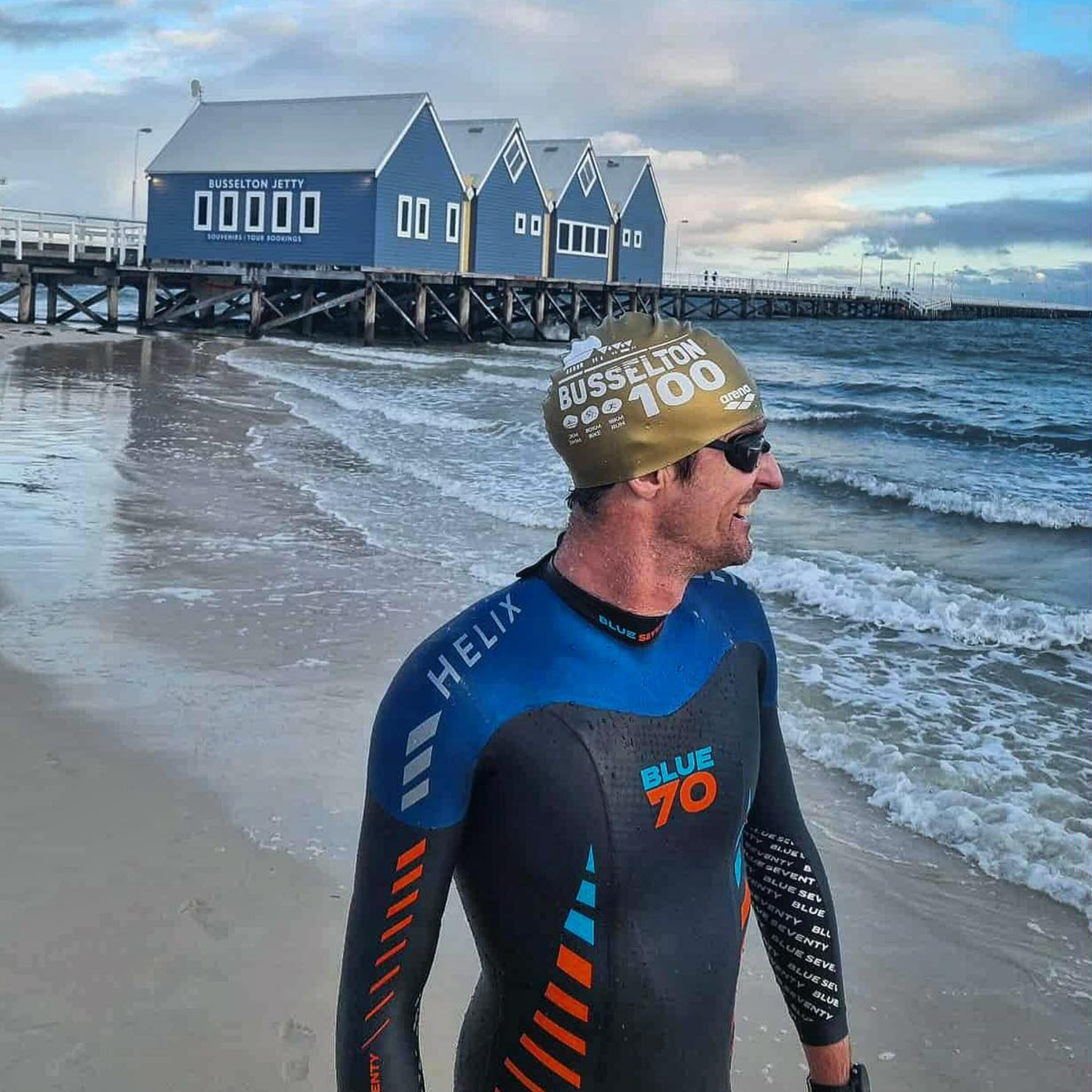
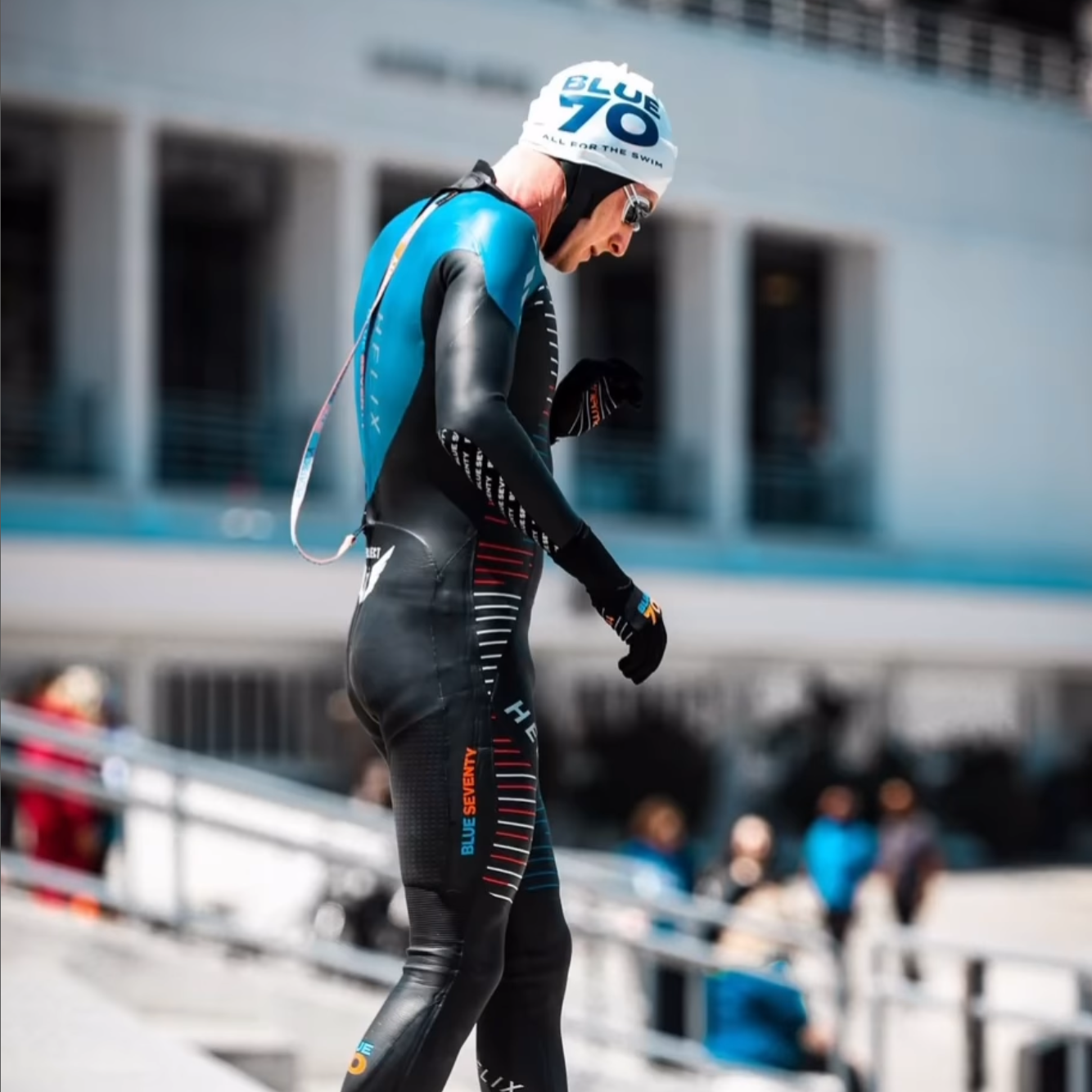
For the broad optional zone, the Reaction is designed for frequent, longer swims and holds up better to repeated training sessions. The Fusion is the mid-range pick for shorter, frequent swims. The Sprint is the entry point when budget is the first concern. The Helix is the flagship race suit for athletes who want thin, flexible neoprene in the arms and shoulders for a long, free stroke. Above roughly 70 to 72 degrees Fahrenheit, a full suit can feel too warm over longer swims. If the race remains wetsuit-legal in that range, a sleeveless suit or a swimskin can be the more comfortable call.
Materials matter here. Yamamoto 38, 39, and 40-cell neoprene appears throughout the line. A higher cell number means more flexibility, which matters in the shoulders over 3.8 kilometers of swimming. The Fusion's lower-sitting neckline reduces chafing without losing the watertight seal.
Cold Water Deserves Respect
A wetsuit adds buoyancy and thermal protection. It is not a personal flotation device. It does not prevent hypothermia, and thermal performance depends on water temperature, exposure time, and the individual. Below 56 to 58 degrees Fahrenheit, acclimatize gradually. Never swim alone in cold water. Have an exit plan and know the signs that your body is losing heat faster than it can produce it. If you feel confused, clumsy, or unusually calm in cold water, get out and warm up. The suit supports you. It is not a guarantee.
Race-Week Planning for the Wetsuit Call
Once you understand that the official reading controls your race, you can plan for it.
- Pack a full suit and a fallback option if the water sits near a threshold.
- Check the current athlete guide 48 hours before the race, then again on race morning.
- Practice removing your suit fast. Lay it out the night before.
- Know where your timing chip sits so the suit does not cover it.
- If the water is borderline, rehearse both the wetsuit-legal and non-wetsuit scenarios in the same training block.
Most athletes train for the distance and forget to train for the wetsuit decision. On one long swim, wear a full suit and practice sighting, drafting, and a fast removal. On another, swim without a wetsuit and practice holding good body position without the added lift. This keeps your race plan flexible and removes the panic when the official reading does not match your preference.
Use the Official Reading as a Trigger
If you are choosing a wetsuit for an Ironman where the water could fall into any zone, use the race-morning reading as your trigger. Try the suit in real water before race week. Blueseventy lets you take a test swim and still return or exchange the suit if it is clean, dry, unmodified, and has tags attached. Find your size, take it for a swim, and practice the transition. That preparation matters more than the number itself. Happy Swimming!