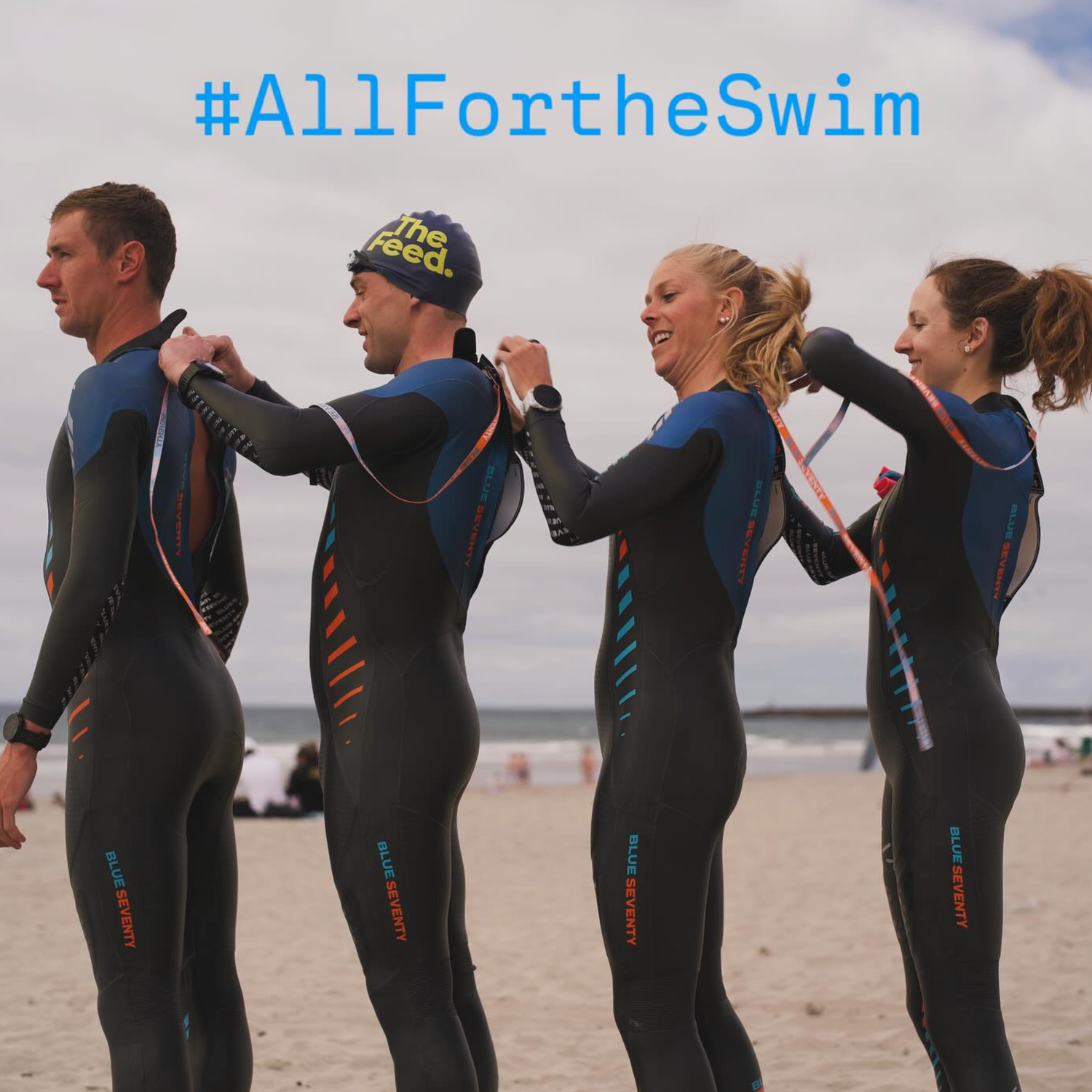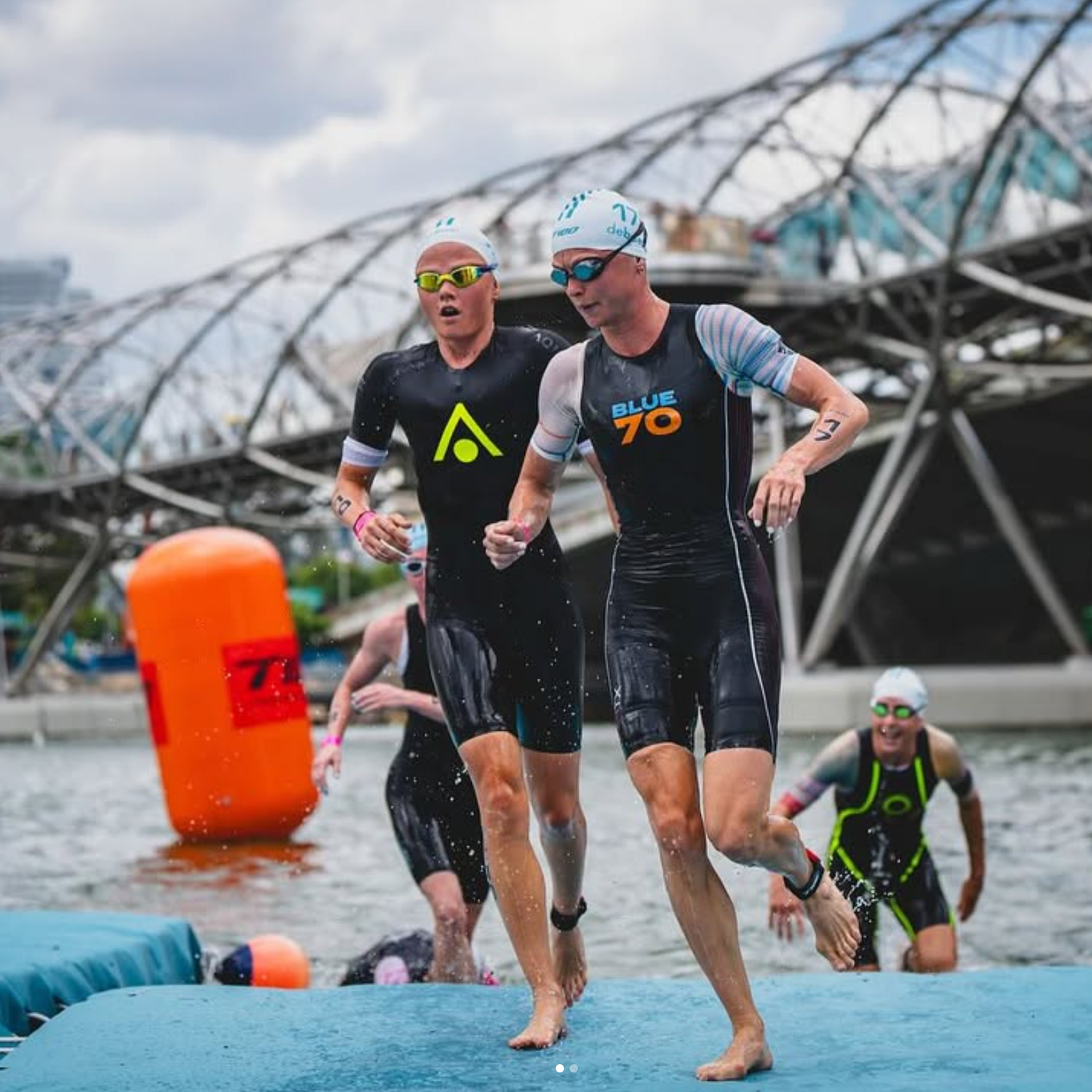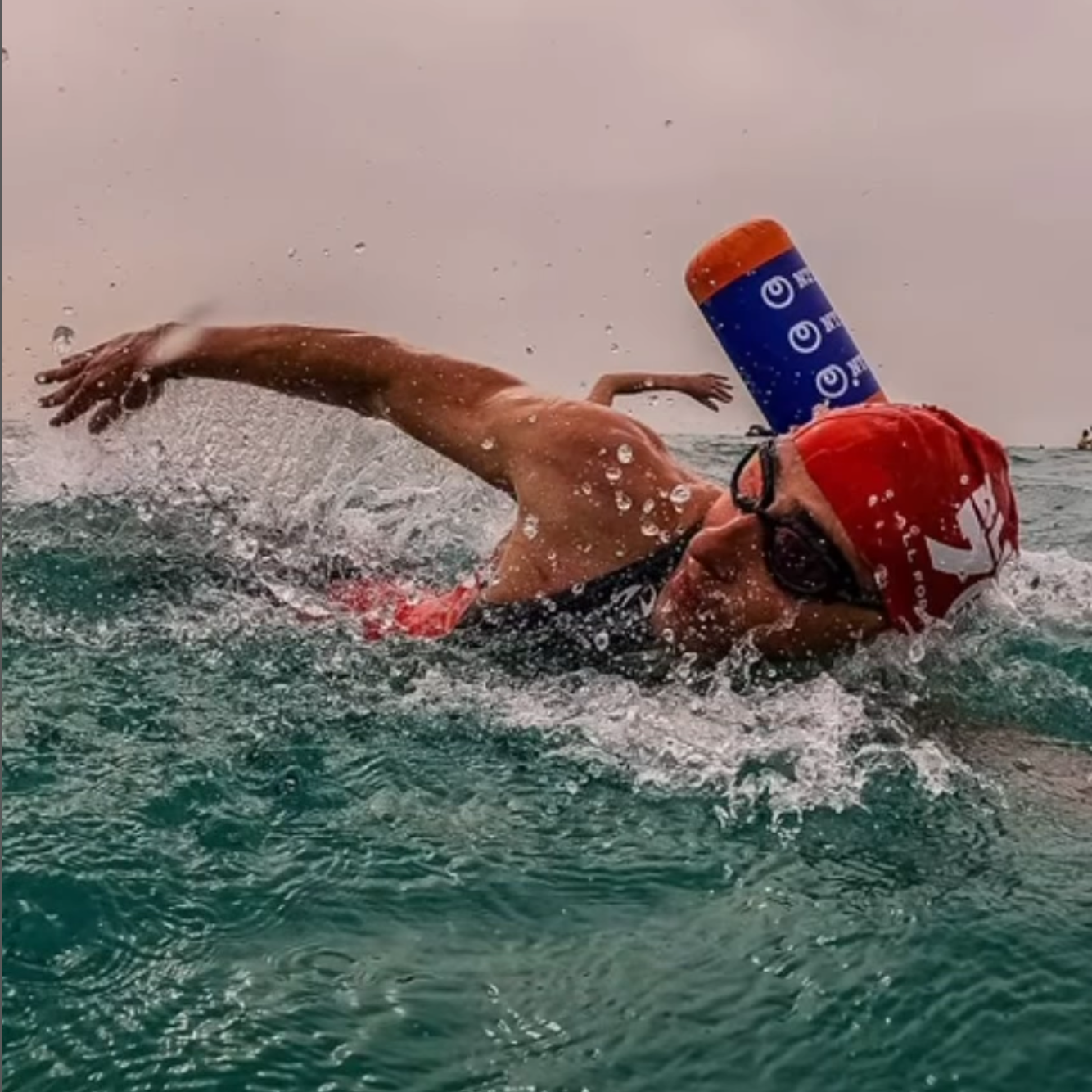



It sounds so clean, doesn’t it? Punch your height and weight into a digital tool, maybe add a chest or waist measurement if you’re feeling thorough, and seconds later a screen tells you exactly which wetsuit to buy. No fuss, no wrong turns. The problem is, I’ve watched too many swimmers walk into a shop fully convinced they were a medium, only to discover-once a suit was actually zipped up and put through its paces in the pool-that a large-tall, or a size with extra shoulder room, or an entirely different model let them breathe, rotate, and actually swim instead of fighting their own gear. The app wasn’t lying. It was just missing most of the story.
That’s not a knock on sizing algorithms. I use ours every day. But I treat the number it spits out as an opening question, not a decree. A triathlon or open-water wetsuit is athletic equipment-precision engineering meant to alter your body position and cut drag-and the physics of Yamamoto neoprene don’t collapse neatly into a one-size-fits-most formula. So let’s walk through what those digital tools miss, and how to close the gap between a screen and the fit that actually lets you move.
1. The numbers you enter only scratch the surface
Most sizing calculators lean hard on height and weight, then maybe toss in a generic “athletic build” toggle. That works reasonably well for averages, but serious swimmers are rarely average. Long torsos, broad shoulders with narrow hips, a rib cage smaller than the waist-these asymmetries show up everywhere in the endurance crowd. The algorithms are built on broad population data, not on bodies that log thousands of yards a week. And crucially, no app can watch what happens when you go horizontal and start reaching.
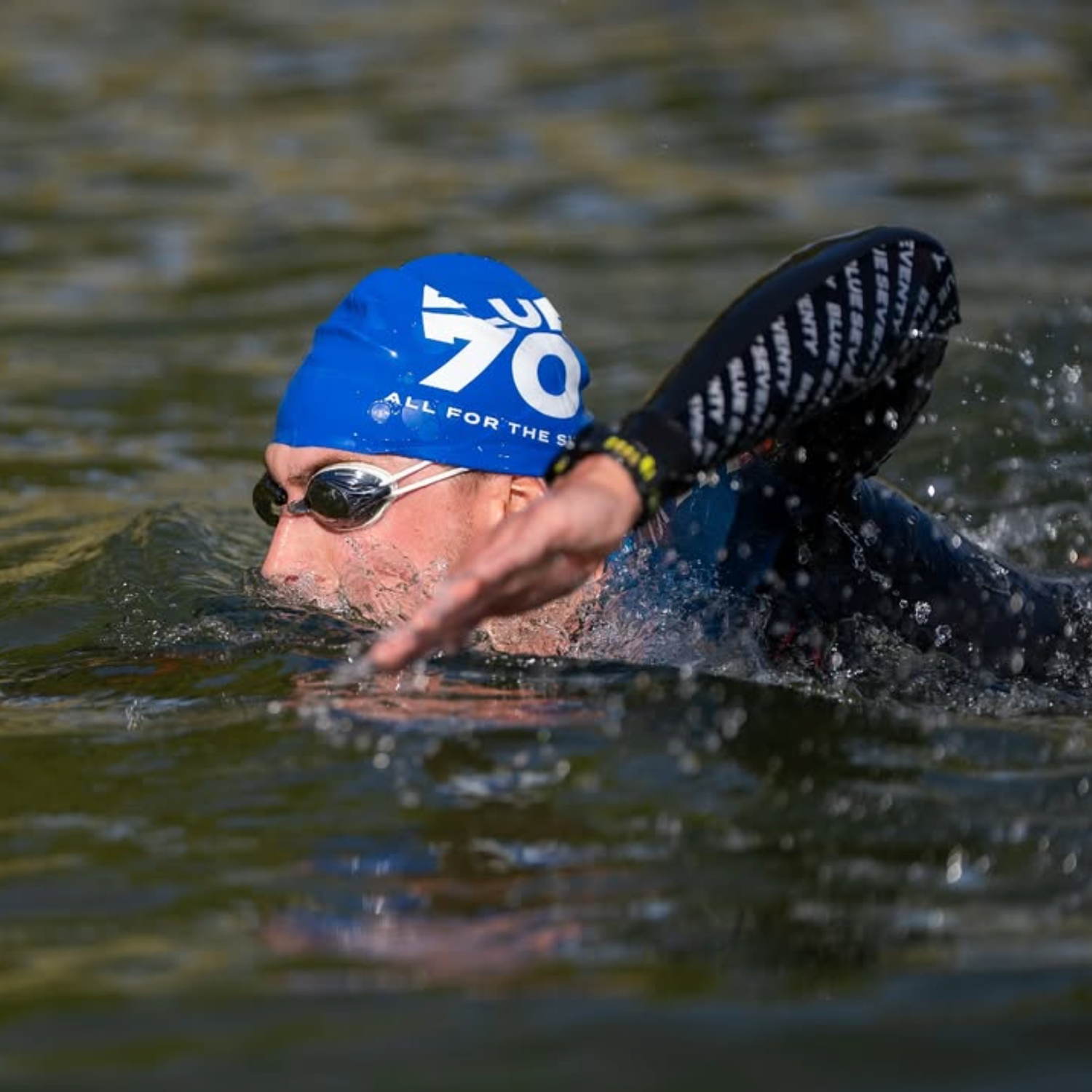
A wetsuit that feels perfectly snug while you’re standing in your living room can bind your shoulders the second you extend into a catch. Shoulder restriction isn’t just uncomfortable; it bleeds energy out of every stroke. Over 1,500 meters, that small resistance compounds into a real physiological cost. An app can’t see your arm travel through the pull phase. Water can.
2. Every suit stretches differently-and that changes the size
Here’s something that catches people off guard: even within a single brand family, the material story can completely change which size makes sense. At blueseventy, all of our triathlon and open-water wetsuits are built from Yamamoto neoprene, but the cell structure varies tremendously. The Helix, our flagship, uses an extremely supple, high-cell-count neoprene in the arms and shoulders-we’re talking 40-cell flexibility, the kind that disappears when you swim. That same pattern cut in a denser, 38-cell suit like the Reaction would demand a different degree of initial compression to maintain a watertight seal.
A generic sizing tool doesn’t know which model you’re considering. It has no way to factor in how a suit’s laminate will behave when it’s stretched across your deltoids, lats, and rib cage. A swimmer who nails a size medium in the Fusion, with its forgiving mid-range neoprene and lower-sitting neckline, might find a medium Helix too loose through the upper back, or a medium Thermal Reaction too restrictive across the chest because of that added Zirconium jersey lining. The answer isn’t a fancier algorithm. It’s acknowledging that materials are at least as important as measurements.
3. Women’s fit isn’t a scaled-down men’s suit
This one is personal for us. Our Femme Fit system grew out of a simple, frustrating truth: when you take a men’s wetsuit pattern and just shrink it, you get a suit that bunches, gaps, and chafes in all the wrong places. Differences in bust, torso length, hip-to-waist ratio, and forearm circumference aren’t subtle, and they directly influence how buoyancy gets distributed and where seals break down.
We rebuilt the patterns from scratch, refining the cut through the bust, torso, wrists, and ankles. We dropped the neckline to reduce chafing and lengthened the rear zipper to ease entry past wider hips-which also means faster transitions on race morning. That work took years, and it’s now baked into every women’s suit we make. A fitting app that asks for height, weight, and maybe a bra size can’t account for that level of anatomical detail. If the software doesn’t know the suit was engineered with Femme Fit geometry and an extended zip, it’s making a best-guess with one hand tied behind its back.
4. The test swim is the real gold standard
This is the piece no screen can replicate. A dry fit tells you where the neoprene touches your skin. Only water reveals whether the neck seal stays put without choking you, whether buoyancy panels actually rotate your hips upward without messing with your kick rhythm, and whether you can sight comfortably without breaking the suit’s seal. The test swim isn’t a luxury; it’s the only honest assessment of a wetsuit’s job.
That’s exactly why we built our policy around it. You can swim in a blueseventy wetsuit, get it thoroughly wet, and still return or exchange it within 30 days-as long as it comes back to us clean, dry, unmodified, and with the tags attached. No penalty for discovering the first recommendation was close but not quite right. We aren’t just being generous. We’re acknowledging that a performance tool needs to be verified in its actual environment.
During that test swim, focus on what an app can’t measure: do you have to yank on the sleeve to get a full catch? Is there a pocket of water pooling at your lower back? Can you exhale all the way without feeling squeezed? Those signals guide you toward the right size and model far more reliably than any pixelated chart.
5. Start digital, finish in the water
So where does a fitting app fit in? At the starting line. Our online sizing tool asks for the essentials and points you toward the most likely size range. From there, the real fit system takes over:
- Model-specific nudges: We’ll tell you that the Helix’s ultra-flexible arms reward a snugger shoulder fit, while the Fusion’s easygoing nature suits someone who values comfort over absolute hydrodynamics for frequent short swims.
- Fit videos and size charts: Use them to check where the cuffs, neckline, and ankles should land during a dry try-on at home-before you ever get to the water.
- Actual human help: Our team in Seattle has walked through thousands of fit conversations. They know that a 5’9” woman with a swimming background and a 32-inch inseam may need something the chart alone wouldn’t predict.
- Test Swim with a safety net: Get the suit wet, evaluate it, and if it’s not right, exchange it within 30 days.
The constant through all of this: a wetsuit should feel snug-honestly, a little too snug-on land, and then become completely forgettable once you’re swimming. That shift from “this is tight” to “this isn’t there” is something only immersion confirms.
Stop guessing. Start swimming.
The fantasy of a one-click perfect fit is seductive, but it underestimates what a swim-specific wetsuit actually does. This thing isn’t a rash guard you tug on; it shifts your body position, smooths your hydrodynamics, and changes your relationship with the water. Treat it that way.
Let the digital tool give you a starting point. Then, before you pin a race number on, get the suit wet. Let the thin layer of water seep in, let your shoulders rotate freely, and pay attention to what your body tells you. If the suit fights you, exchange it. If it disappears, you’ve found the one.
Find your size in 30 seconds with our sizing tool, then take full advantage of the “Take a Test Swim” policy. Because, honestly, the best fitting app on the planet is a few hundred yards of open water and the honesty of your own stroke.