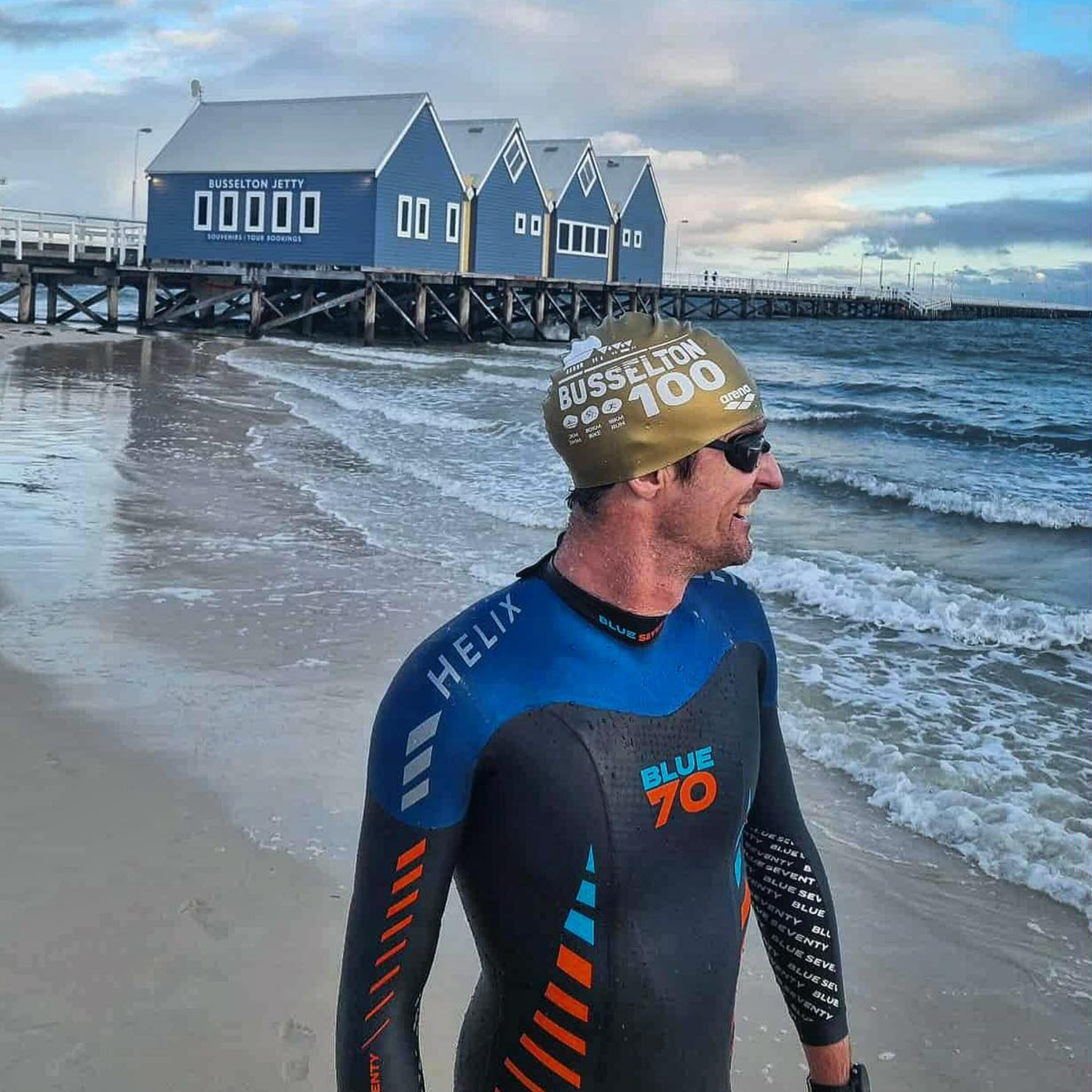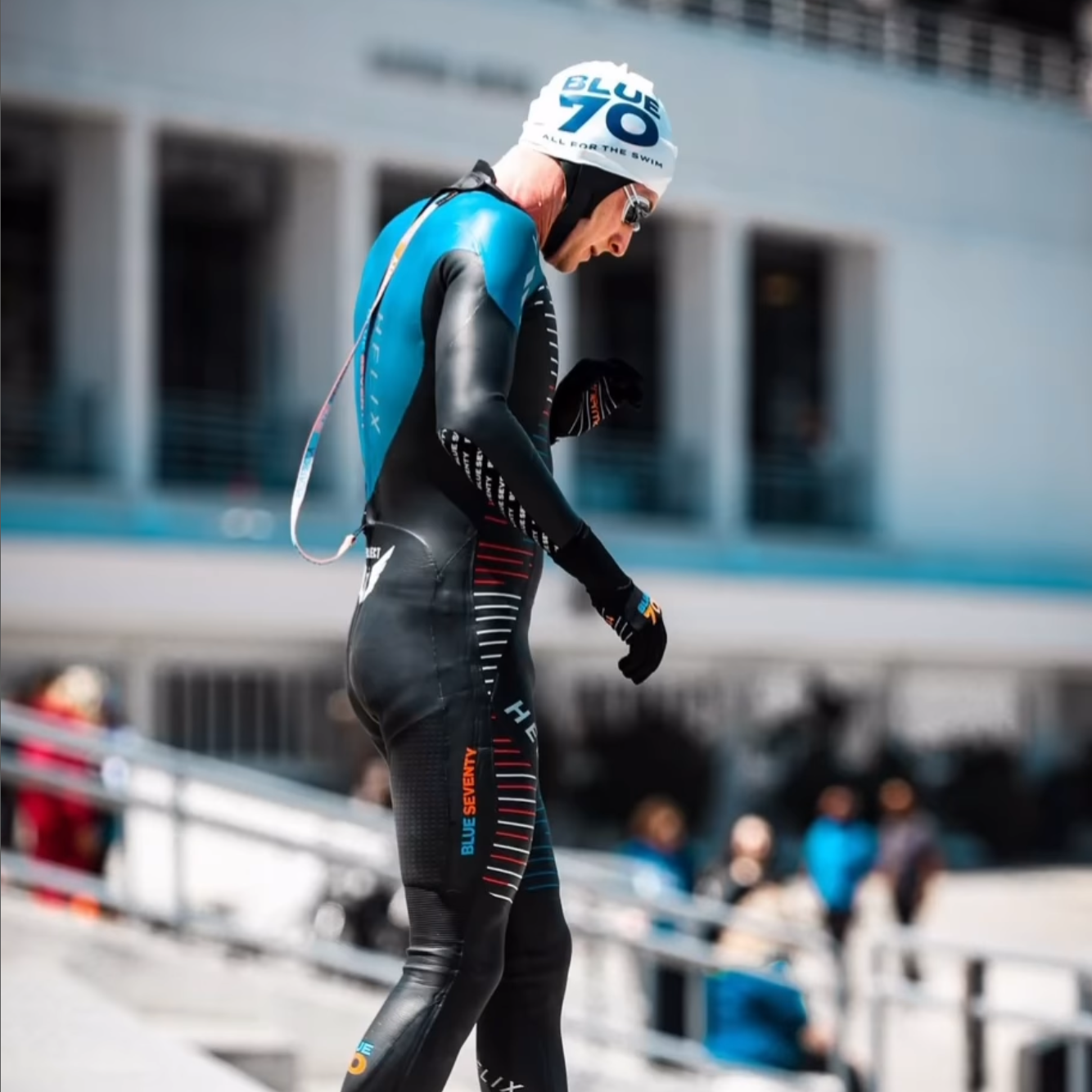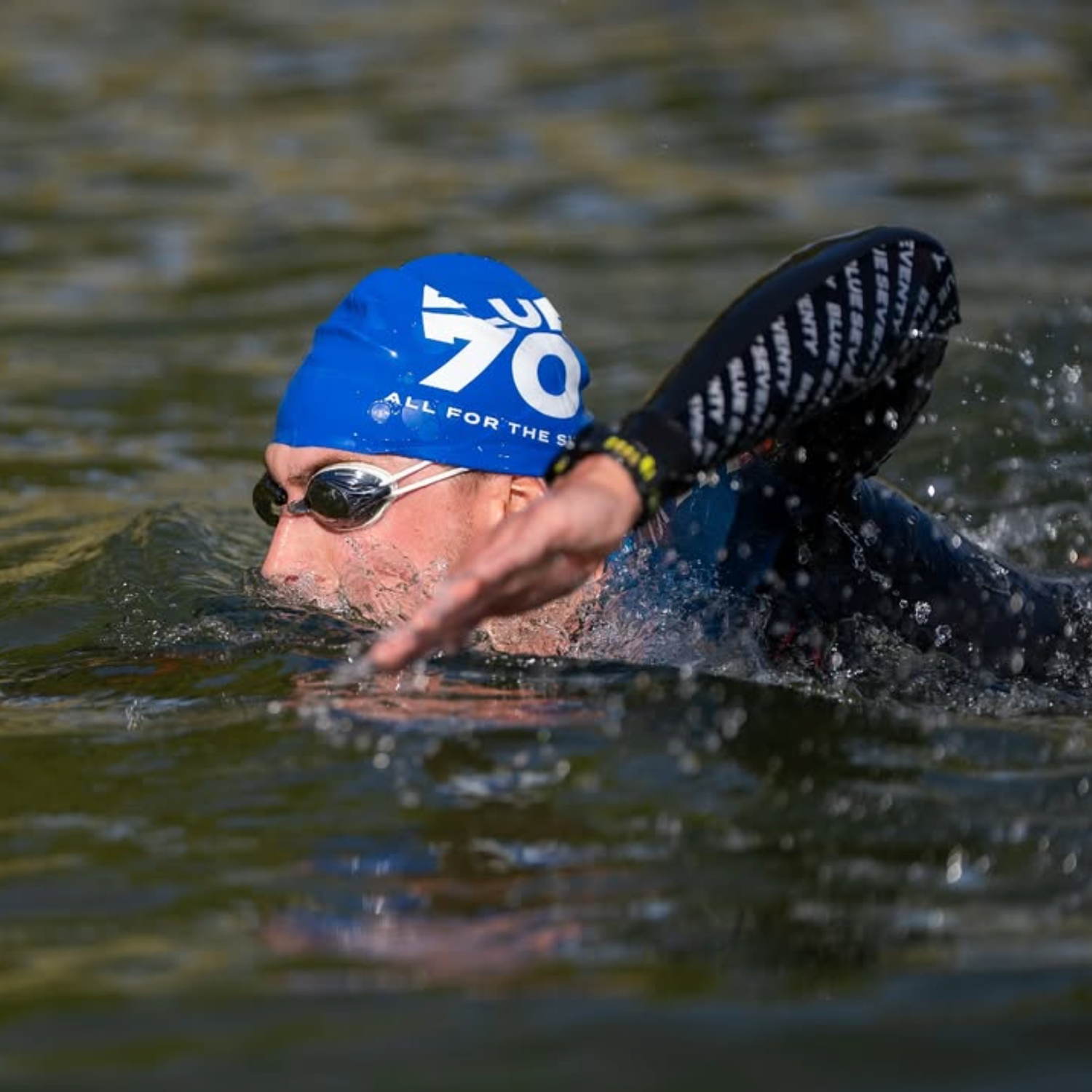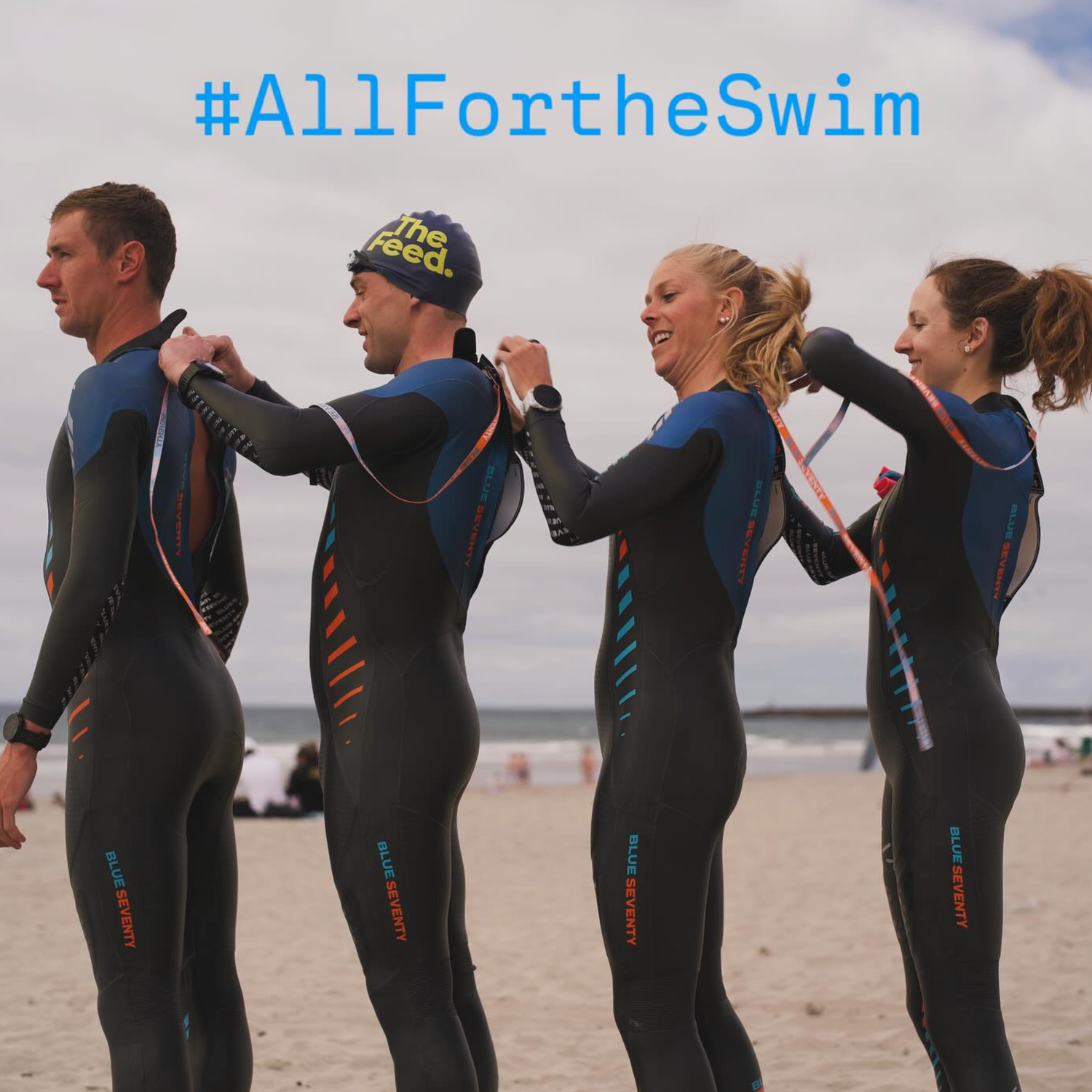



A wetsuit key pocket sounds like a minor detail until you are standing in a dark parking lot at 6 a.m., pulling on neoprene, watching the wind move across the lake, and trying to decide where to stash your car key. That moment tells you what the feature is really for. It is not decoration. It is part of the system that gets you from shore to swim with less hassle and fewer loose ends.
Open-water swimmers deal with a problem runners and cyclists solve more easily. A runner can zip a key into shorts. A cyclist can tuck it into a jersey pocket. A swimmer puts on a close-fitting suit, walks into the water, and asks that suit to stay smooth through every stroke, breath, and body roll. Carrying a hard object inside that setup takes more thought than most people expect.
That is why a good key pocket deserves more attention than it usually gets. It sits at the intersection of fit, comfort, stroke rhythm, and pre-swim routine. If it works, you barely notice it. If it does not, you notice it all session.
Why this feature matters more in training than on race day
Triathletes often judge gear by one question: will this help on race day? That is a fair standard, but it can miss the value of features that make training easier to repeat. A key pocket usually falls into that category.
In a race, event logistics usually decide where your personal items go. In training, especially during solo lake or ocean swims, you handle the whole routine yourself. You park, lock the car, walk to the water, suit up, swim, get out, and head back. A small problem at the start or finish of that sequence becomes part of every open-water session you do.
A key pocket helps clean up that process. It gives one essential item a fixed place. That means less improvising at the shoreline and less rummaging around after the swim when your hands are cold and your attention is split between changing, drying off, and getting warm.
The design challenge is harder than it looks
A key is a simple object. A wetsuit is not. Swim-specific wetsuits are built to support body position in the water, reduce restriction through the shoulders, and stay smooth against the body. Blue70 has long treated those priorities seriously, from flexible shoulder construction to features like the Helix catch panel for feel in the water and LIFT buoyancy panels added in 2018 to support better position through the swim.
Now add a hard metal object to that equation.
For a key pocket to be useful, it has to solve a practical problem without creating a performance problem. That means the feature needs to do a few things well at the same time:
- Hold the key securely so it does not shift around mid-swim
- Keep the object in a low-interference spot on the suit
- Stay flat enough that it does not create unnecessary bulk
- Remain easy to manage before and after the swim
That balance matters. A feature that stores a key but presses awkwardly into the body, moves during rotation, or catches when you remove the suit has not really solved the problem.
Why more storage is usually the wrong idea
There is a common instinct in endurance gear to ask for more pockets, more carrying options, more ways to bring extra items. In swimming, that logic usually breaks down fast.
A swim-specific wetsuit works best when it stays simple. The suit should feel close to the body and quiet in the water. Once you start asking it to carry several items, you move away from the core job of the garment. One key pocket makes sense. Turning the suit into a storage system usually does not.
For most swimmers, the cleanest answer is the best one: carry the smallest item you need, place it in one secure spot, and keep the rest of the setup on shore or in the car.
Fit determines whether a key pocket disappears or annoys you
This is where many swimmers misread the problem. They assume a pocket feels awkward because the feature is poorly conceived. Sometimes that is true. Often, the real issue is fit.
Blue70's fit guidance is consistent on this point: a wetsuit should feel snug on land and settle more naturally in the water. That snugness helps the suit hold its intended shape. It also helps a pocketed item stay where it belongs. A suit that is too loose through the torso or hips gives the key more room to move. A suit that was rushed on and left bunched in the legs or shoulders can place the pocket in the wrong spot altogether.
Before you blame the pocket, check the basics:
- Pull enough material up through the legs first
- Set the hips before adjusting the torso and shoulders
- Smooth the suit fully around the pocket area
- Move your arms and rotate your torso before heading into the water
Small fit errors tend to show up quickly when you add any stored item inside the suit.
The best key to carry is usually the simplest one
Not every key belongs in a wetsuit pocket. A single flat mechanical key is usually the easiest option because it lies flatter against the body and creates fewer pressure points. A large electronic fob is harder to manage. It is bulkier, less stable, and more likely to feel awkward once you start swimming.
If your vehicle setup allows you to separate the piece you need from the larger fob, that usually makes the swim setup cleaner. The less bulk you put inside the suit, the easier it is to preserve comfort and keep the feature unobtrusive.
Before you enter the water, check three things:
- The key lies flat
- There are no sharp edges likely to catch the lining or fabric
- The pocket closure feels secure once the suit is fully in place
That quick check is worth making every time, especially if you switch vehicles or key types.
Cold-water sessions make organization matter more
When the conditions are cold, small inefficiencies stop feeling small. Blue70's published guidance puts a purpose-built thermal suit into the conversation below about 56 to 58°F water. In that range, you want your shoreline routine to stay clean. Standing around while you sort gloves, cap, goggles, and keys is not a great way to begin or end a swim.
A key pocket does not make the swim safe, and a wetsuit is not a flotation device. It also does not guarantee warmth in every condition. Thermal protection depends on the water temperature, the length of the swim, the weather, and the swimmer. But better organization on shore does reduce one source of unnecessary delay before and after cold-water sessions.
That is often how useful features show their value. They do not change the laws of physics. They remove avoidable friction.
A short routine makes the feature work better
The swimmers who get the most value from a key pocket usually treat it as part of a fixed routine, not a last-second convenience.
- Decide which key you actually need before you suit up
- Place it in the pocket early, before final adjustments
- Check the closure by touch
- Rotate through the shoulders and torso once or twice
- Head to the water knowing that detail is already handled
That sequence keeps the start of the session calmer. It also helps at the finish, when your focus should be on getting changed and warmed up rather than searching through a damp pile of gear.
Why this small feature fits Blue70's design philosophy
Blue70 has always approached wetsuits as swim-specific equipment. That means the conversation starts with the realities of swimming: body position, feel for the water, freedom from restriction, comfort over distance, and the trade-offs between race-day flexibility and training durability. The same logic explains why the Helix sits at the top of the race-focused range, why the Reaction makes sense for frequent longer swims, and why the Fusion remains such a practical choice for shorter regular sessions with its lower-sitting neckline introduced in 2021.
A key pocket belongs in that same practical tradition. It is not a headline feature, but it reflects the same question good wetsuit design should always answer: does this make the swimmer's real experience better without compromising how the suit performs in the water?
That is the standard that matters.
How to evaluate a key pocket before you commit
If key storage matters to your open-water routine, test it in the conditions where you actually swim. A changing-room check does not tell you enough. Water pressure, rotation, sustained arm turnover, and suit removal all change how a feature feels.
A useful test looks like this:
- Put the suit on correctly
- Load the key you really use
- Walk to the water and move normally
- Swim at easy pace first
- Build to your regular training effort
- Sight forward a few times
- Exit and remove the suit at normal speed
That sequence reveals more than a product description ever will. If the feature stays quiet, secure, and forgettable through the whole cycle, it is doing its job.
If you want to test a suit in real conditions, Blue70's Take a Test Swim program gives you a better way to judge fit and function than a dry-land try-on alone.
A practical feature with real value
Swimmers often focus on the big talking points, and for good reason. Buoyancy, shoulder range, neckline comfort, and thermal protection all deserve close attention. But smaller design choices matter too. A wetsuit key pocket is one of those details that becomes important the moment your open-water routine depends on it.
When it is done well, it solves a simple problem cleanly. You carry what you need, the suit stays comfortable, and the swim begins with one less loose detail to manage. That is not flashy. It is just good swim design.
And in open water, good design often shows up in the moments that barely interrupt your attention at all.