


A folded wetsuit can fill half a carry-on and still arrive with the wrong creases in the wrong places. The fix starts before you open the suitcase. Pack the lower body first, leave the shoulder panels flat, and treat the zipper and neckline as the parts that need the most room.
blueseventy started as Direct Innovations in 1993, and one of the first things we made was a triathlon wetsuit. Those early suits were thicker. Today's swim-specific wetsuits use Yamamoto neoprene in 38, 39, and 40 cell. Higher cell numbers mean more flexibility. A 40-cell shoulder panel moves with the stroke, but it also holds a crease more readily than the thicker panels of older suits.
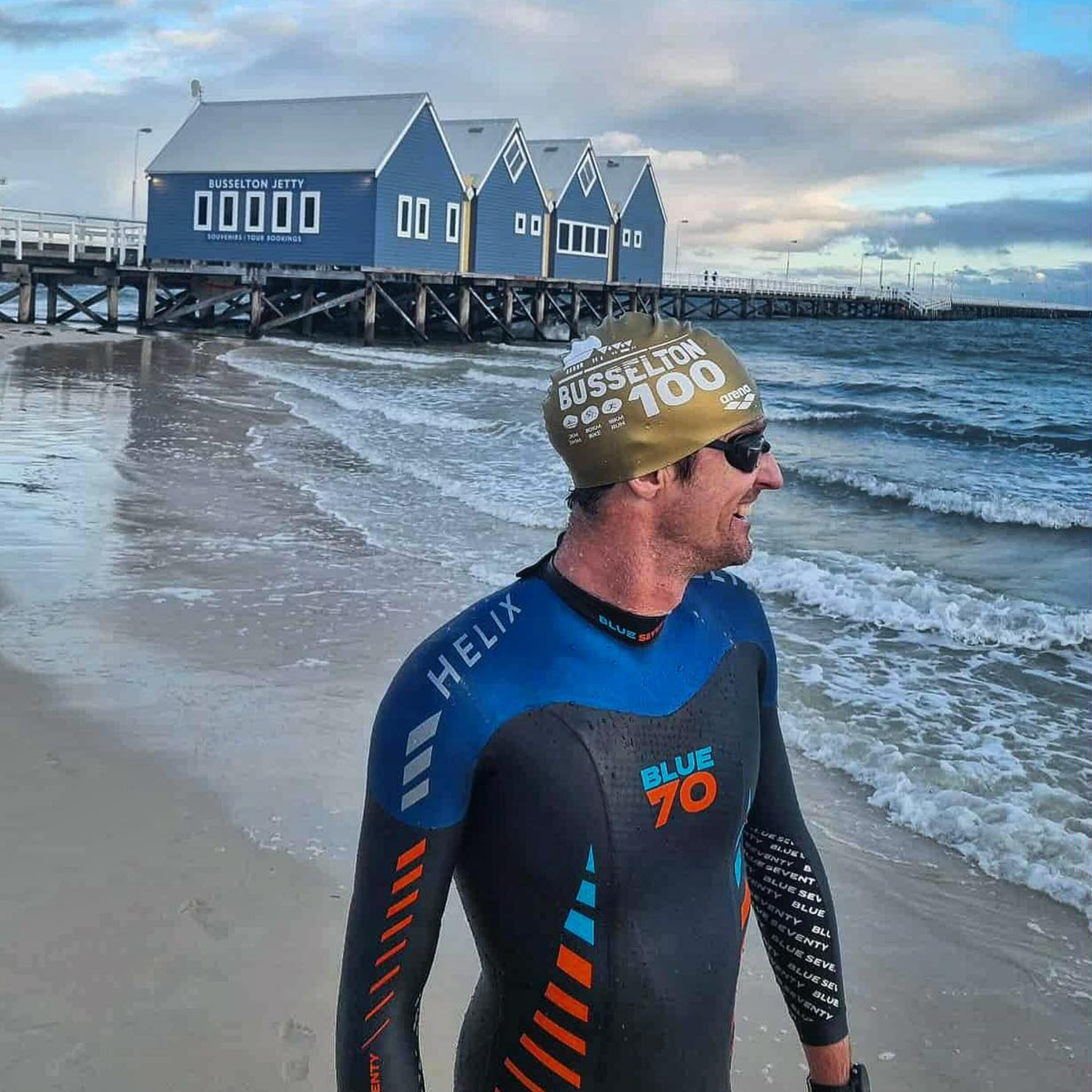
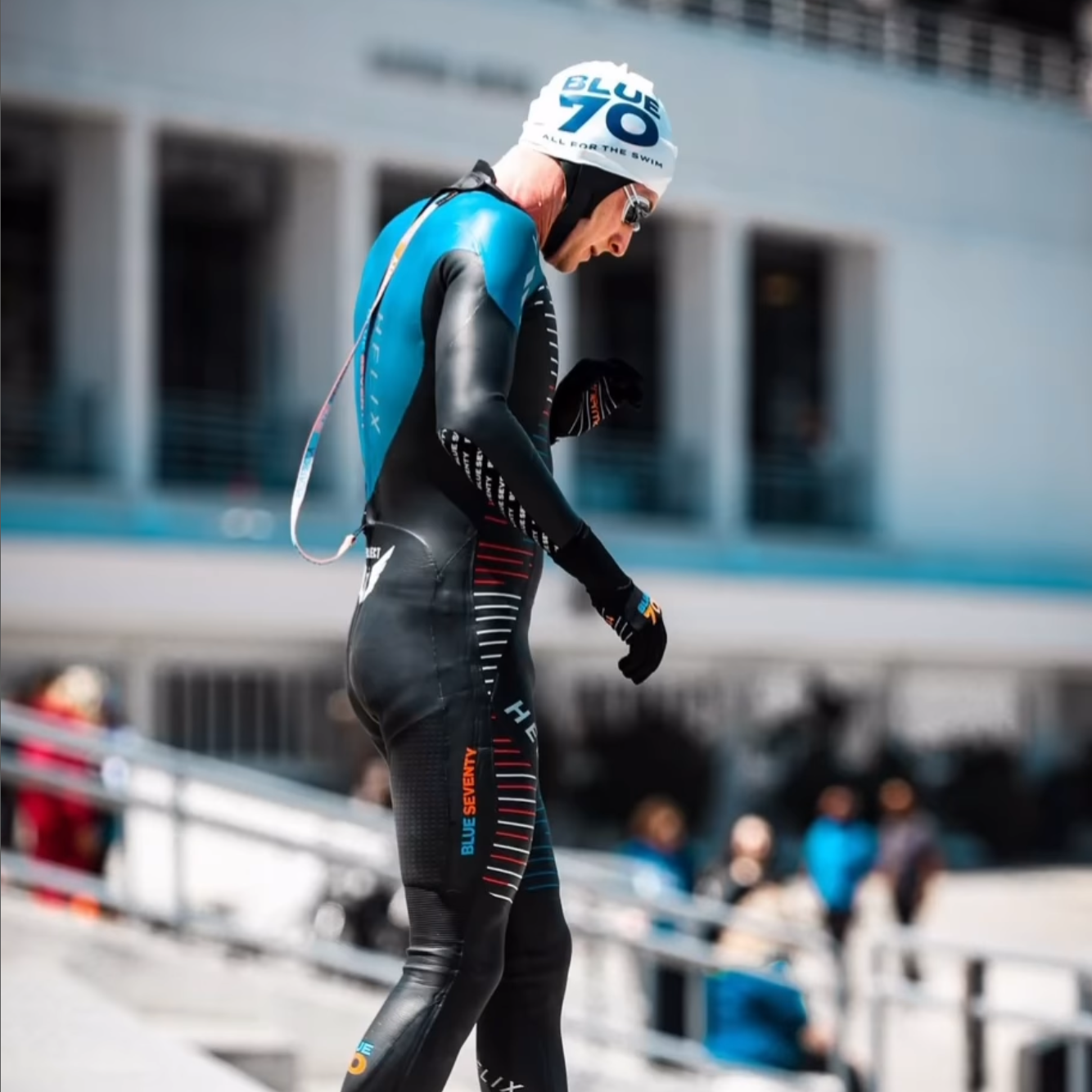
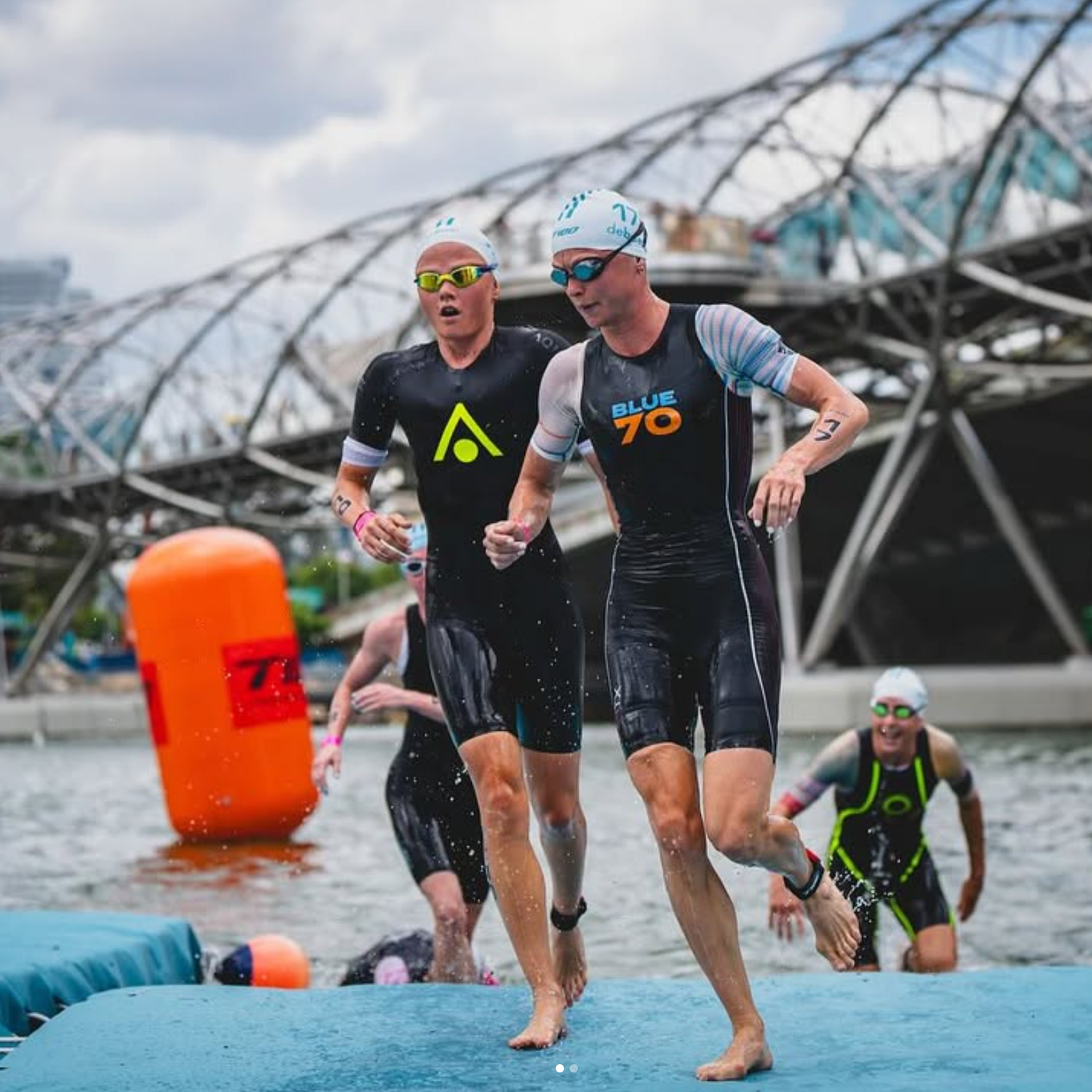
The Helix race suit uses thin neoprene in the arms and shoulders. That thin material lets the suit move freely through the water, but it also means a hard fold across the chest is the last place you want to put a crease. The Reaction and Fusion have more margin for error because their neoprene is a bit more forgiving. The Helix asks for the most careful fold.
Where Creases Happen First
Neoprene is a closed-cell foam. When you fold a suit tightly, the cells along the fold line compress. If the fold stays compressed for hours inside a bag, it becomes the line the suit wants to bend along every time you move. That affects fit, not just appearance.
The shoulders, armpits, neckline, and zipper are the areas to protect. The hips and legs can handle a firmer fold because the neoprene is often thicker there and the shape is simpler. The rule is straightforward: any sharp bend belongs below the waist.
The Fold Sequence That Protects the Shoulders
Start with a dry suit. Rinse it with fresh water after the last swim, turn it inside out, and dry both sides. Moisture left in the folds can sour the lining and weaken the seam glue.
Then follow this order:
- Lay the suit flat on a clean surface with the front facing up. Open the zipper fully. Smooth out the wrinkles with your hands.
- Fold the arms inward across the chest. Keep the shoulder seams flat. Do not roll the sleeves.
- Fold the lower body upward from the ankles. Make the first fold at the knees, the second at the hips. The firmest bend now sits below the waist.
- If you need a cylinder shape for the bag, roll the folded suit once from the bottom upward. Do not cinch it with compression straps.
- Slide the suit into a breathable mesh bag or a clean pillowcase. A plastic bag traps heat and moisture.
The folded suit will feel bulky. That is a good sign. A loose flat fold takes more space than a tight roll, but it keeps the shoulder panels and neckline from taking the load.
How to Place the Suit in a Carry-On
Put the folded wetsuit in the center of your carry-on, surrounded by clothes. That keeps hard edges from pressing into the suit. If you check a bag, wrap the suit in a towel and place it between soft layers, not under shoes or bike tools. Leave the luggage compression straps loose or use a bag without strong internal compression.
If you have a transition backpack with a dedicated wetsuit pocket, use it. If not, a mesh bag keeps the suit separate and lets air move. Do not pack the suit against a hot laptop charger or leave the bag in a closed car on a warm day.
What Not to Do
A few mistakes show up often enough to name them. Do not fold the suit inside out and then roll it tightly, because that turns the arm panels into the load-bearing surface. Do not pile heavy shoes or a bike helmet directly on top of the suit. Do not leave a wet suit in a plastic bag for more than a few hours, especially after a saltwater swim. Heat and trapped moisture are the fastest ways to shorten a wetsuit's life.
When You Arrive
Hang the suit by the waist after you arrive. This avoids stretching the shoulder panels you worked to protect. Let the suit hang in a cool, dry place for a few hours. Most creases relax on their own. Do not use a hair dryer, an iron, or direct sunlight to speed the process.
Before the race, put the suit on the way you would for training. A minor fold line disappears once the suit is wet and moving. If the suit feels tighter across the shoulders than it did at your last test swim, check how high the neckline sits before adjusting anything else.
What Travel Care Looks Like Next
As wetsuit neoprene continues to get thinner and more flexible, travel packing will matter more, not less. The best habit is to treat the race suit like a race day instrument: dry it, fold it from the hips, pack it in the center of the bag, and hang it by the waist when you arrive. That sequence takes two extra minutes and keeps the shoulder panels moving the way they should.
Before you pack for your next race, check the fit one more time. Our fitting guide walks through the points that matter, from shoulder rotation to neck seal. Happy Swimming!