


Ask most swimmers how to stay warm in cold water and they'll say the same thing: get a thicker wetsuit. It's intuitive. It's also incomplete.
Heat loss in open water isn't spread evenly across your body. It concentrates in specific zones, and once you know where those zones are, you start making smarter decisions about fit, gear, and how you actually swim in cold conditions, instead of just grabbing the thickest neoprene on the rack.
Your Body Doesn't Cool Down Evenly
Thermoregulation research has identified a handful of high-loss zones in cold water: the head and neck, the armpits and side torso (where major blood vessels sit close to the skin), the groin, and the extremities, particularly hands and feet.
A full wetsuit covers your torso and limbs. It does nothing for your head. And almost nobody thinks about the underarm and side-body region, which opens briefly to moving water with every single stroke.
So the real question isn't "how thick is this suit?" It's "where is this suit actually protecting me, and where isn't it?"
Thickness Is Only Part of the Equation
Neoprene works by trapping still air and a thin layer of body-warmed water against your skin. That's the mechanism. Piling on raw thickness everywhere is a blunt way to use it.
Thicker neoprene at the shoulders and chest adds warmth. It also adds stiffness. Every extra millimeter across the shoulders costs you range of motion, and a swimmer who feels warm but can't rotate through the stroke fatigues faster and swims slower. Slower swimming means more time in the water. Time in the water is the variable that matters most.
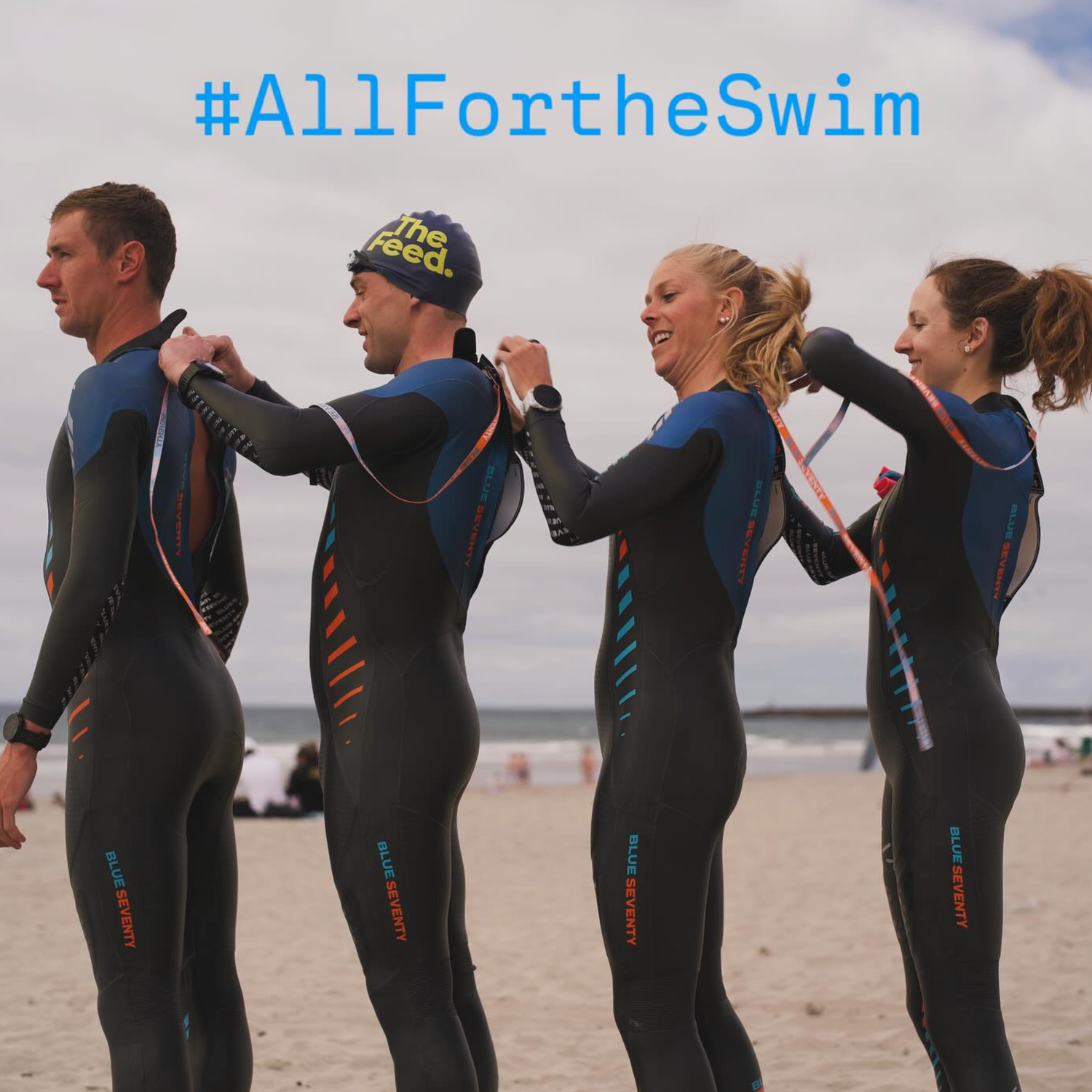
This is why Blue70's Thermal Reaction builds warmth through a fully lined interior using Zirconium jersey, a synthetic wool-like lining, rather than just adding raw neoprene bulk. The lining traps warmth without sacrificing the flexibility your shoulders need through a full stroke cycle. Insulation where it counts. Flexibility where it counts more.
The Gap Almost Nobody Checks
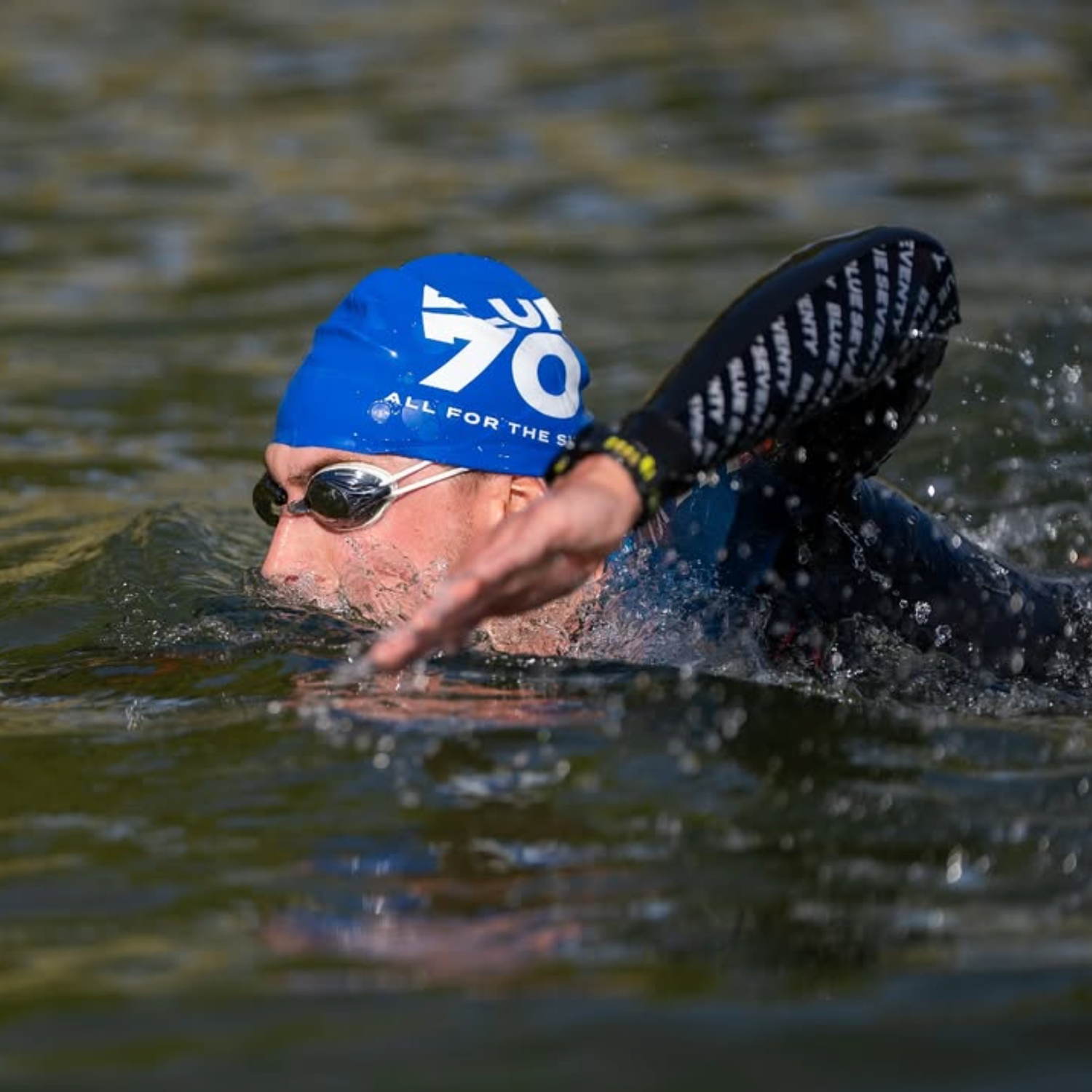
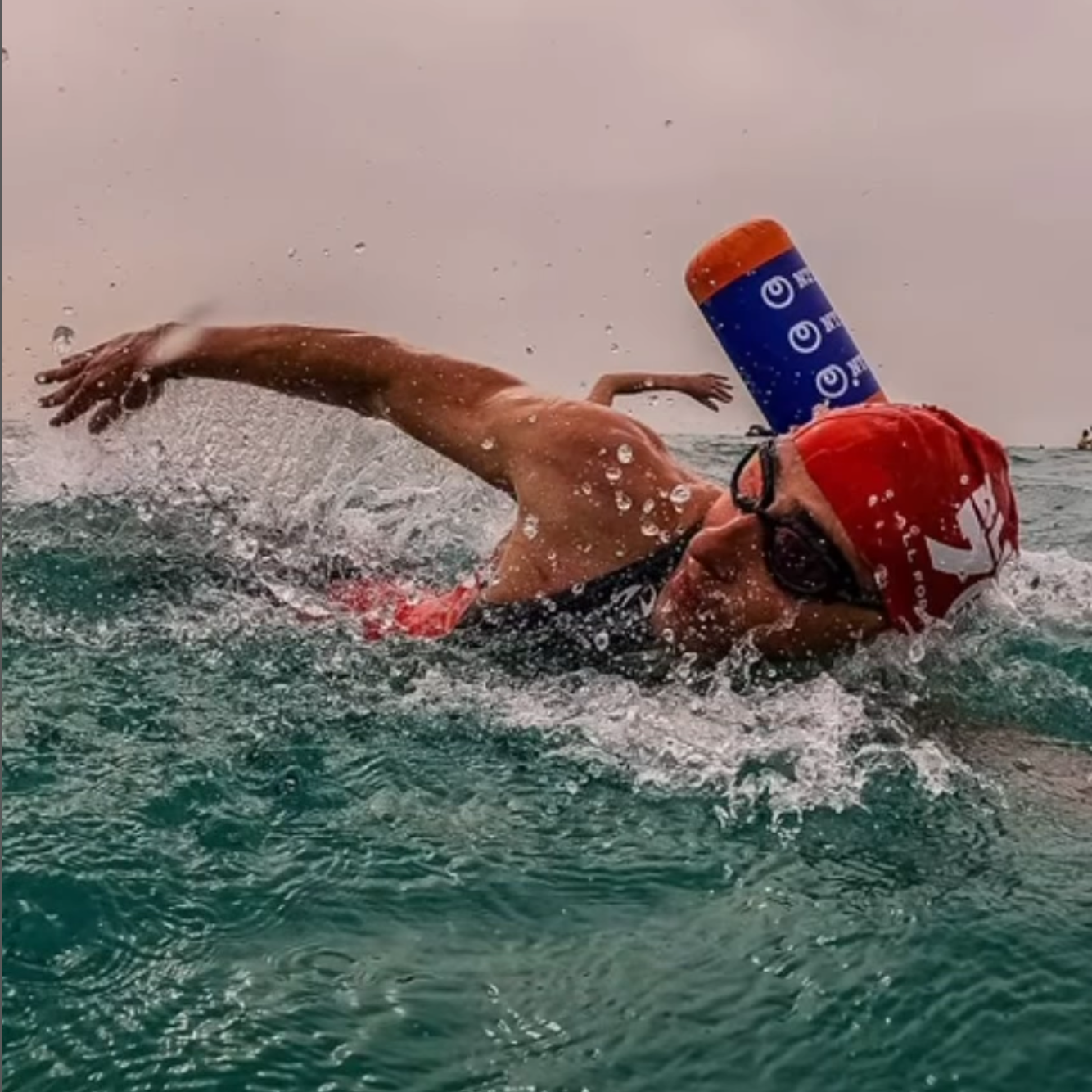
Here's where a lot of cold water swimmers get caught out. During the stroke, your arm recovers out of the water and swings forward, briefly opening the underarm and side ribcage to air. In water below 60°F, air moving across wet skin cools fast. Do that hundreds of times over a 60-minute swim and it adds up.
A wetsuit needs to seal at the torso and underarm without restricting shoulder rotation. That's a fit problem, not just a fabric problem. A suit that feels snug through the chest but gapes at the armpit lets water flush in and out with every stroke, undoing the insulation you paid for.
Next time you try on a cold water wetsuit, don't just check shoulder flexibility while standing still. Raise your arm overhead and rotate it through a full stroke motion. Feel for a gap opening at the side of your ribcage. That's exactly where heat escapes fastest once you're swimming.
What to Check When Trying On a Cold Water Suit
- Full stroke rotation with both arms, not just a shoulder shrug
- Any gapping at the underarm or side ribcage during rotation
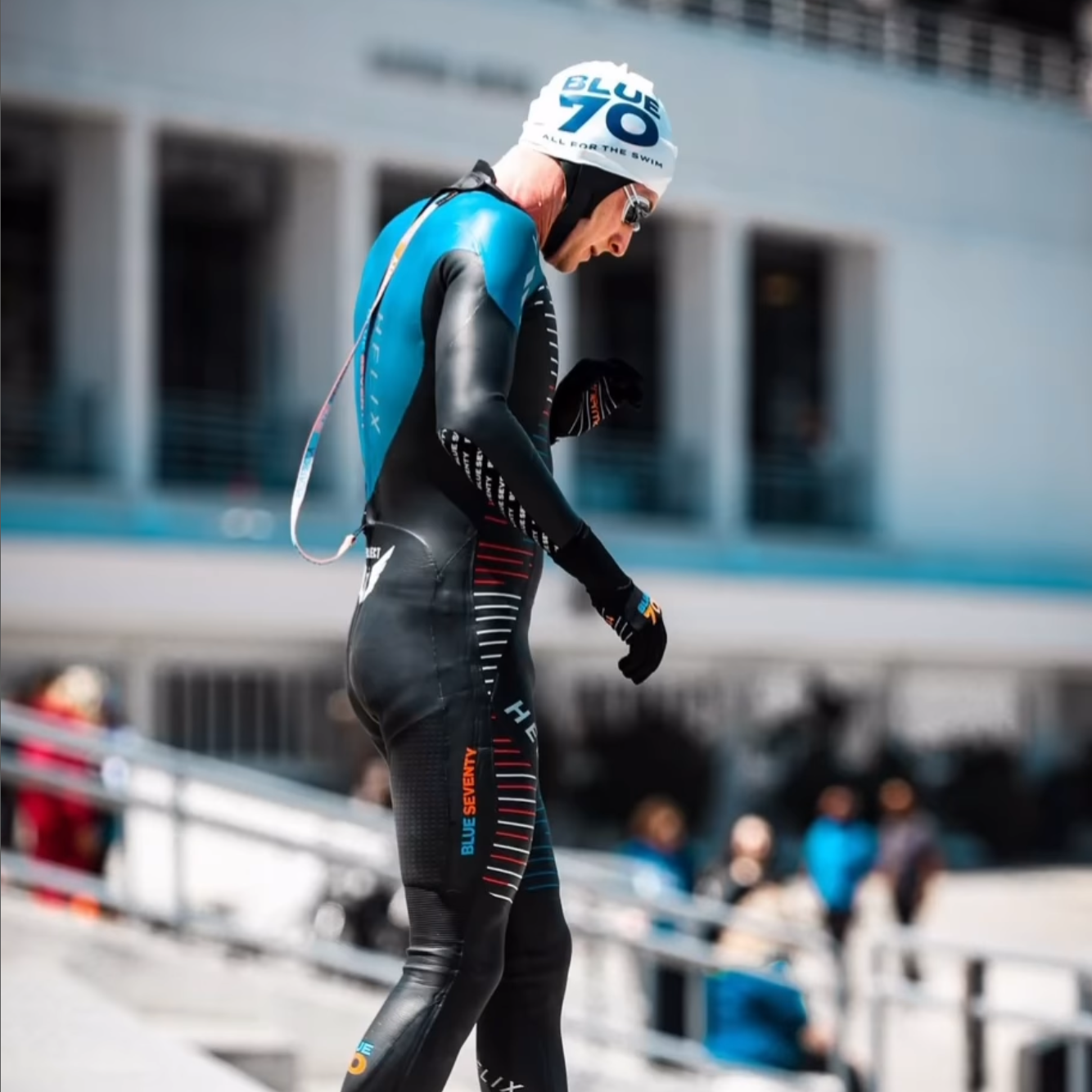
- Snug fit at the neck and wrists, without pinching
- Freedom of movement through the torso when you twist at the waist
Hands and Feet: The Part No Wetsuit Reaches
A full-body wetsuit stops at your wrists and ankles. Hands and feet lose heat fast because of their high surface-area-to-volume ratio. Cold triggers vasoconstriction, your body's automatic move to cut blood flow to the extremities and protect your core. The result: lost fine motor control in your fingers, sometimes within 15 to 20 minutes in water in the low 50s, well before you'd call yourself dangerously cold overall.
If you're planning to swim through the colder months, budget for neoprene socks, gloves, and a cap as separate purchases. These are the pieces that cover what a wetsuit can't, and they're often the difference between a comfortable 45-minute swim and one where you can't work your zipper by the time you get out.
Fit Is What Makes Any of This Work
A loose wetsuit lets water flush through with every stroke, constantly swapping your warmed layer for cold water from outside. A suit that's too tight restricts blood flow to extremities already struggling to stay warm. Either way, you lose.
Blue70's approach to fit has stayed consistent for a reason: a suit should feel snug on dry land and settle into something more comfortable once you're in the water, as the neoprene compresses and your body position improves. In cold conditions, that principle carries more weight. A suit that gaps at the neck or wrists on land will flush the whole swim, and in cold water, that flushing speeds up the exact heat loss you bought the suit to prevent.
Building Cold Tolerance Without Overreaching
Cold adaptation is real. It's also gradual, individual, and limited. Repeated exposure over weeks can soften your body's initial vasoconstriction response. It doesn't erase risk, and it's not a substitute for the right gear or good judgment.
Treat cold water swimming as a skill you build in stages.
- Start sessions at 15 to 20 minutes in a venue you already know from warmer conditions.
- Only add five minutes to your next swim if the previous one felt manageable, not just tolerable.
- Track actual water temperature before every session. Perceived cold and measured temperature rarely match.
- Swim with a buddy or safety cover, and have a warm-up plan ready before you get in.
Blue70's Thermal Reaction is built for swimming in water down toward the mid-50s Fahrenheit, but no suit replaces a gradual approach to cold exposure and a solid safety plan.
Before Your Next Cold Swim
- Test the underarm and side-torso fit through a full stroke motion, not while standing still
- Add a neoprene cap, gloves, and socks if you're regularly in water below 60°F
- Log water temperature, not just air temperature, before every session
- Build exposure time in five-minute increments based on how the last swim actually felt
- Have dry clothes and a warm drink ready before you get in
Cold water swimming rewards the swimmer who prepares beyond just the suit. Knowing where your body actually loses heat, and dressing those specific zones instead of reaching for thicker neoprene, is what separates a swimmer who extends their season comfortably from one who cuts every swim short.
If you're deciding whether the Thermal Reaction fits your winter training, take it for a Test Swim. It won't affect your ability to exchange or return it, clean and dry, within 30 days.