


Most men start shopping for a triathlon wetsuit by looking at price, then race distance, then whatever sounds fast on a product page. That order makes sense on land. In the water, it falls apart. The better starting point is your swim position.
A men’s triathlon wetsuit changes more than comfort. It changes where your hips sit, how much drag your legs create, how free your shoulders feel, and how well you can hold your catch once the swim turns crowded, choppy, and tiring. Those details shape the whole first leg of your race.
At Blue70, we’ve spent years building swim-specific wetsuits for triathlon and open water. One lesson keeps showing up: the right suit is rarely the one with the longest feature list. It is the one that matches the way you swim, the water you actually train in, and the way your stroke behaves when effort rises.
Start with what your stroke needs
The most useful question is simple: what is holding your swim back right now?
For some men, the issue is obvious. Their legs sink, so every stroke starts with extra drag. For others, the problem is less visible. The shoulders tighten after a few hundred meters. The catch feels vague. Breathing feels restricted even before the pace comes up. Those are wetsuit-selection clues, not small annoyances to ignore.
Blue70’s long-standing view is straightforward: buoyancy equals speed. That does not mean a wetsuit guarantees a faster split. It means a swim-specific suit is designed to improve body position and reduce drag, which lowers the cost of holding form over distance.
Four swim problems a wetsuit can help address
Sinking legs
If your legs drop when you swim, your body pushes more water than it needs to. That is one of the biggest reasons newer triathletes feel a clear difference the first time they swim in a good wetsuit. Lift the hips and legs, and the whole stroke starts to move more cleanly.
Blue70’s Helix includes LIFT buoyancy panels, added in 2018, to help support body position while keeping the suit race-focused. That kind of buoyancy placement matters because where the suit supports you is just as important as how buoyant it feels overall.
Tight shoulders
Many men assume shoulder fatigue means they need more swim fitness. Sometimes they do. Often, the suit is part of the problem. If the neoprene resists your recovery and extension, or if the suit has not been pulled high enough through the torso, your shoulders end up doing extra work every stroke.
Blue70 uses Yamamoto 38, 39, and 40 cell neoprene across the wetsuit line. Higher cell numbers mean more flexibility. That is one reason top-end race suits feel different through the shoulders and arms.
The Helix uses very thin neoprene in the arms and shoulders for freedom of movement. Blue70 is also honest about the trade-off: thin race neoprene is not the best match for heavy training use. If you swim in your wetsuit often, that matters.
Loss of feel for the water
Former pool swimmers usually notice this right away. They do not only want buoyancy. They want pressure on the catch and a natural connection to the front of the stroke.
Blue70 added a permeable catch panel to the Helix in 2010 to help preserve feel for the water. For swimmers who care about timing and clean pressure through the pull, that detail is not marketing decoration. It changes how the suit behaves when speed depends on precision.
Fit-related fatigue
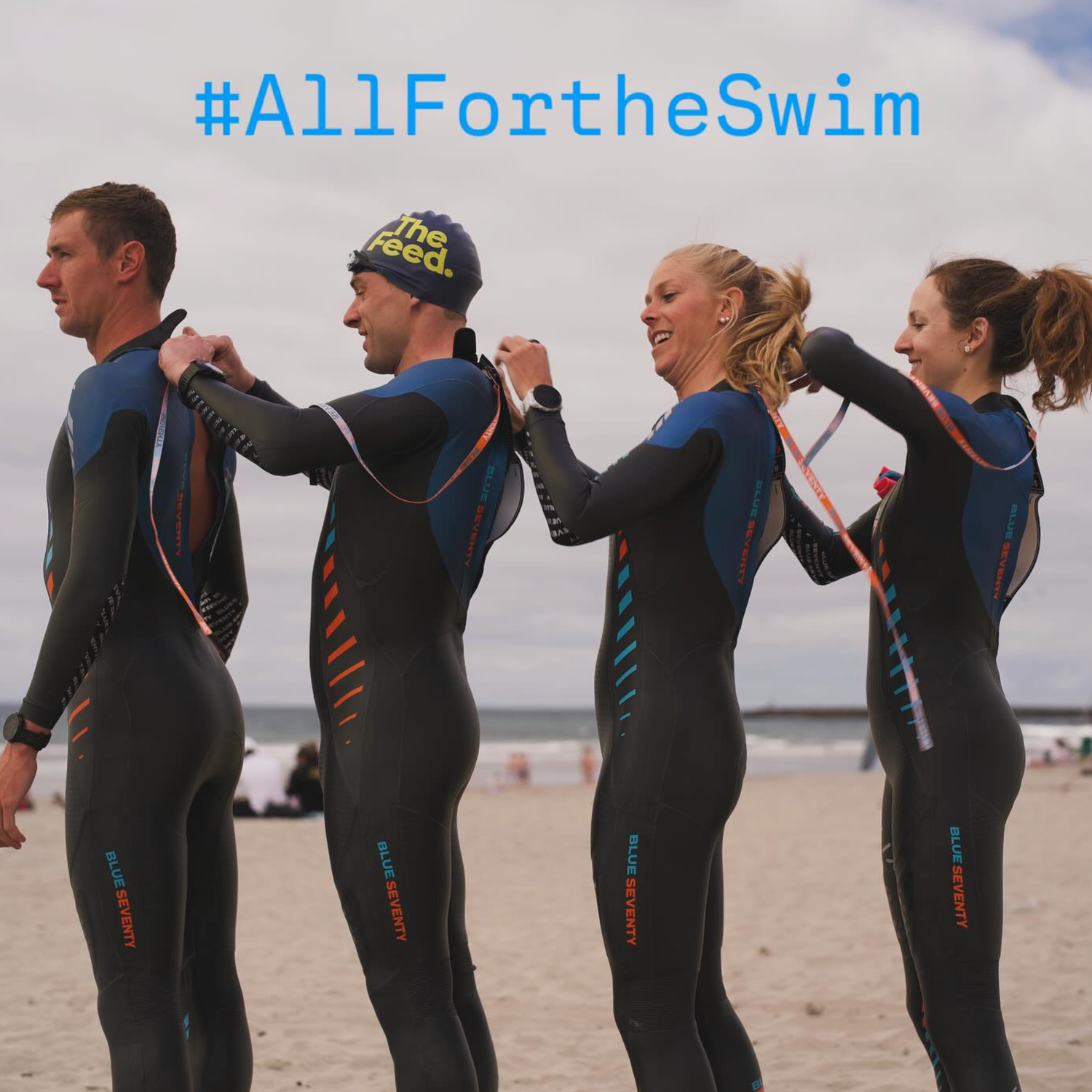
A surprising number of bad wetsuit experiences come from setup, not sizing. If the suit sits low through the hips, it pulls through the shoulders. If the chest panel is out of place, breathing feels shallow. If the neck is not sitting correctly, some swimmers start lifting the head to escape pressure, and their alignment gets worse from there.
A triathlon wetsuit should feel snug on land and more comfortable once you are in the water. That is normal. Loose on land usually means loose in the swim.
Why one suit does not do every job well
One of the biggest changes in triathlon wetsuits over time is that athletes now understand the difference between a race suit and a high-use training suit. That was not always the default mindset.
A top-level race suit is built to maximize swimming performance. That often means thinner, more flexible neoprene in key zones. Those materials feel great in the water, but they also ask for more care over a long season of repeated use. A suit built for frequent training has a different job. It still needs to swim well, but it also needs to stand up to regular wear.
Blue70’s men’s wetsuit line reflects that distinction clearly.
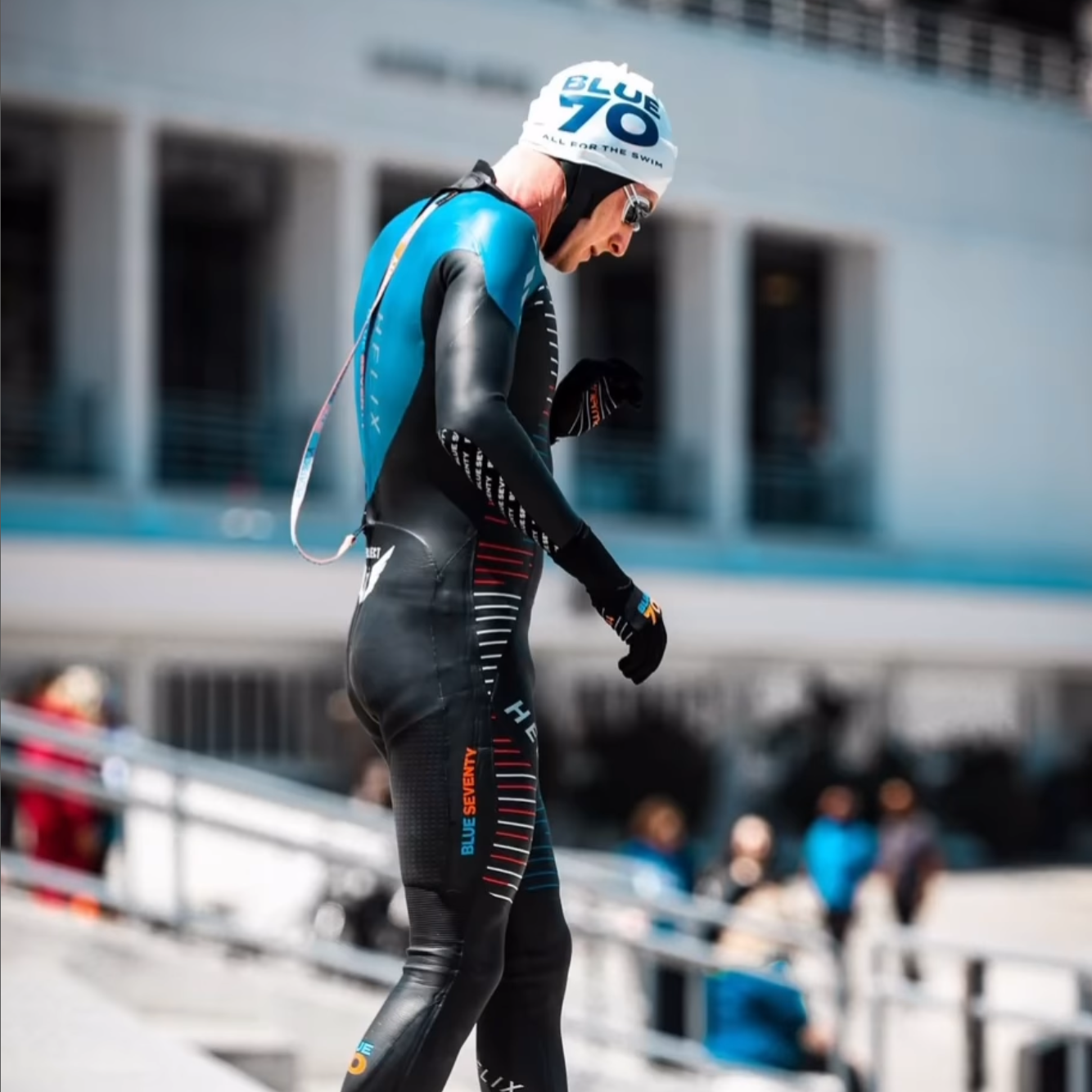
- Helix is the flagship race suit, built for total race-day performance.
- Reaction is the performance option for frequent, longer swims.
- Fusion is a versatile mid-range suit and Blue70’s best seller.
- Sprint is the entry-level swim-specific option.
- Reaction Sleeveless serves warm-water swimmers and athletes who want an easier fit.
- Thermal Reaction is built for colder water with a full Zirconium jersey lining.
That lineup tells an important truth. The best wetsuit is not always the top model. It is the one that fits your stroke, your training volume, and your conditions.
A contrarian point worth hearing
Some fast men buy the most race-focused wetsuit available and then use it for everything: weekly open-water sessions, race rehearsals, travel, repeated transitions, and the season’s key races. That sounds efficient. It often is not.
If you train in your suit every week, durability becomes part of performance. A wetsuit that feels brilliant for race efforts but wears faster under constant use may not be the smartest one-suit choice. For many committed age-groupers, the Reaction is the better answer because it balances performance with frequent-use practicality.
The same logic applies to newer triathletes. If you are doing your first sprint or Olympic-distance race, a Fusion or Sprint may be the smarter buy than jumping straight to a flagship race suit. Good fit, regular practice, and calm breathing in open water usually matter more than owning a suit with every premium detail.
Water temperature should narrow the field quickly
Water temperature changes the conversation fast.
Below about 56 to 58°F, Blue70’s guidance points toward a purpose-built thermal suit. The Thermal Reaction uses a full Zirconium jersey lining designed to add thermal protection for cold-water swimming.
Above about 70 to 72°F, a full suit can feel too warm over longer swims. That is where a sleeveless option starts to make more sense, especially for athletes who want more shoulder freedom or easier heat management. The Reaction Sleeveless is the obvious fit in that range.
A few details matter here. Wetsuits are not waterproof, and they do not keep you dry. They work by letting in a thin layer of water that your body warms. Thermal comfort depends on water temperature, air temperature, swim duration, and the swimmer. If you are racing, always check the current event rules for wetsuit legality rather than relying on memory.
How to judge fit before you swim
A good wetsuit fit check is more methodical than most first-time buyers expect. Do not zip it up halfway, throw your arms around once, and make the call.
Work the suit into place in stages. Start at the calves, then the quads, then the hips, then the torso. Only after the lower half is seated correctly should you judge the shoulders and neck.
- Check the neck: the collar should sit flat and snug without large gaps.
- Check the shoulders: some tension on land is normal, but sharp restriction usually means the fit or setup is wrong.
- Check the underarms: bunching often means the suit is still sitting too low through the torso.
- Check the hips: the suit should sit high enough that it is not dragging downward from the middle.
- Check the wrists and ankles: extra folds here can affect seal and slow your wetsuit exit.
Blue70’s fit resources are worth using before you guess. The brand also offers a Take a Test Swim program, which means you can swim in the wetsuit and still return or exchange it if it comes back clean, dry, unmodified, with tags and accessories.
Match the suit to your racing and training
The right men’s triathlon wetsuit often becomes clear when you look at your season honestly.
Choose Helix if race-day performance comes first
The Helix, priced at $995 on the Blue70 US site per the verified brand contract, is the flagship. It is built for swimmers and triathletes who want maximum shoulder flexibility, refined buoyancy placement, and a stronger feel for the water on race day.
It is a strong fit for athletes with a polished stroke who can feel and use those details. It is less suited to heavy week-in, week-out training use.
Choose Reaction if you train often and still care about speed
The Reaction, priced at $680, fits the athlete who swims regularly in open water and wants a performance suit that also makes sense over a full season. If you do frequent, longer swims and want a better long-term balance between race feel and repeated use, this is where many men land.
Choose Fusion if you want one versatile suit
The Fusion, priced at $420, is Blue70’s best seller for a reason. The 2021 redesign added a lower-sitting neckline for comfort without giving up the watertight seal. For many men, it is the practical center of the line: comfortable, swim-specific, and useful for both racing and regular shorter swims.
Choose Sprint if this is your first triathlon wetsuit
The Sprint, priced at $325, gives first-time triathletes a clean entry into swim-specific design. If you are building confidence in open water and want a reliable place to start, it does that job well.
Choose Reaction Sleeveless for warmer conditions
The Reaction Sleeveless, priced at $395, works well for athletes training or racing in warmer water, and for men who prefer a simpler fit with completely open shoulders.
Choose Thermal Reaction for cold-water swimming
The Thermal Reaction, priced at $785, is the cold-water option in the line. The full Zirconium lining is designed for swimmers who need added thermal protection when the temperature drops.
Your sports background matters more than most buying guides admit
Two athletes shopping for the same race can need different suits because they bring different movement habits into the water.
- A former swimmer usually notices catch feel, timing, and shoulder freedom first.
- A cyclist often notices buoyancy and body position first.
- A runner new to triathlon often needs comfort, confidence, and a suit that encourages regular practice.
This is one reason generic wetsuit advice misses the mark. Men do not all need the same kind of support. The right decision starts with how you move through the water now, not how you hope to describe yourself by race season.
Make the final decision with four questions
If you want a quick way to cut through the noise, ask these four questions:
- Do my legs sink without a wetsuit?
- How sensitive am I to shoulder restriction?
- Will I train in this suit every week, or mostly race in it?
- What water temperatures do I actually swim in?
Those answers usually point you in the right direction faster than scrolling through spec tables.
A men’s triathlon wetsuit should solve a real problem in the water. It should help you hold a cleaner line, waste less energy, and stay closer to your natural stroke under race pressure. When that happens, the suit stops feeling like equipment you are managing and starts feeling like part of the way you swim.
If you want to dial in fit before you buy, start with Blue70’s size charts, then review the fitting guide. If you want the most useful test of all, take it for a swim through the Take a Test Swim program.