


Walk into any tri shop in late spring and you’ll hear the same question before the door even finishes swinging shut: “What thickness wetsuit do I need for 65-degree water?” It’s a fair question. You’ve probably seen the charts. They confidently tell you that for 65°F (around 18°C) you want 3 to 5 millimeters of neoprene over your torso. The problem is, that answer is like telling someone the right car for highway driving is one with four tires and an engine. It isn’t wrong-it just misses everything that actually determines whether you’ll finish your swim feeling strong, loose, and ready for the bike, or stiff, cold, and counting down the minutes.
At 65°F, you’re in a thermal sweet spot that’s cool enough to demand a full wetsuit for almost everyone, but not so cold that you need a suit built like a bank vault. The punchline here is that chasing a single number on a spec sheet-millimeters of rubber-will steer you away from what really keeps you swimming fast and comfortable. The right suit for this temperature has to nail three things at once: warmth, buoyancy, and shoulder mobility. And the material science inside the suit matters way more than how thick a panel happens to be.
What Your Body Actually Feels at 65°F
Let’s get tactile for a moment. Sixty-five-degree water won’t take your breath away like a midwinter lake plunge, but it’s plenty cool enough to pull heat from your core and make your fingers clumsy after half an hour. If you’ve ever felt that creeping forearm fatigue twenty minutes into a race-pace set, you know it’s not a fitness problem-it’s your body redirecting blood flow away from your extremities to protect your core. That’s when a wetsuit’s thermal design, not just its bulk, needs to pull its weight.
The goal at 65°F isn’t to trap maximum heat; it’s to keep enough blood pumping to your working muscles while preventing a slow, steady chill that builds over a mile of swimming. And because in open water buoyancy equals speed, the suit also has to lift your hips and legs into a near-horizontal position without wrapping your shoulders in something that fights your stroke. Thickness alone can’t juggle those demands.
The Real Warmth Lever: Neoprene Cell Structure
Most wetsuit insulation comes from the tiny gas bubbles locked inside closed-cell neoprene. What nearly every thickness chart ignores is the structure of those bubbles-and that’s where the magic lives. At blueseventy, every wetsuit uses Yamamoto neoprene, but we specify three different cell grades: 38, 39, and 40 cell. A higher cell number means smaller, more numerous micro-bubbles. That translates directly to more flexibility for a given amount of insulation. In plain English, a 40-cell panel can give you the same warmth as a thicker, lower-cell panel, but it bends and stretches far more willingly. This simple material choice is what lets us put thin, hyper-flexible neoprene in the shoulders and arms-right where you need complete rotational freedom-and still keep you insulated during a 65°F swim.
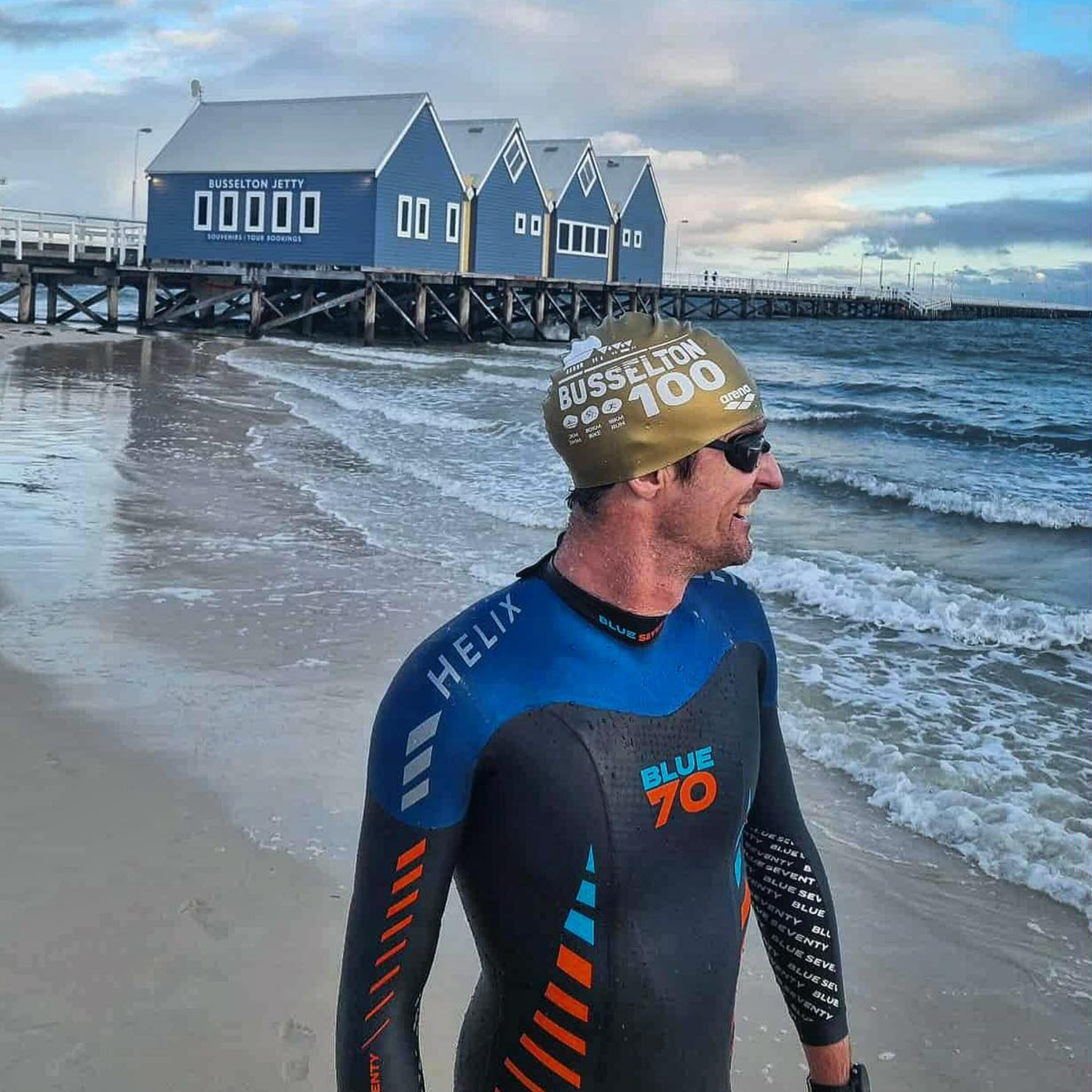
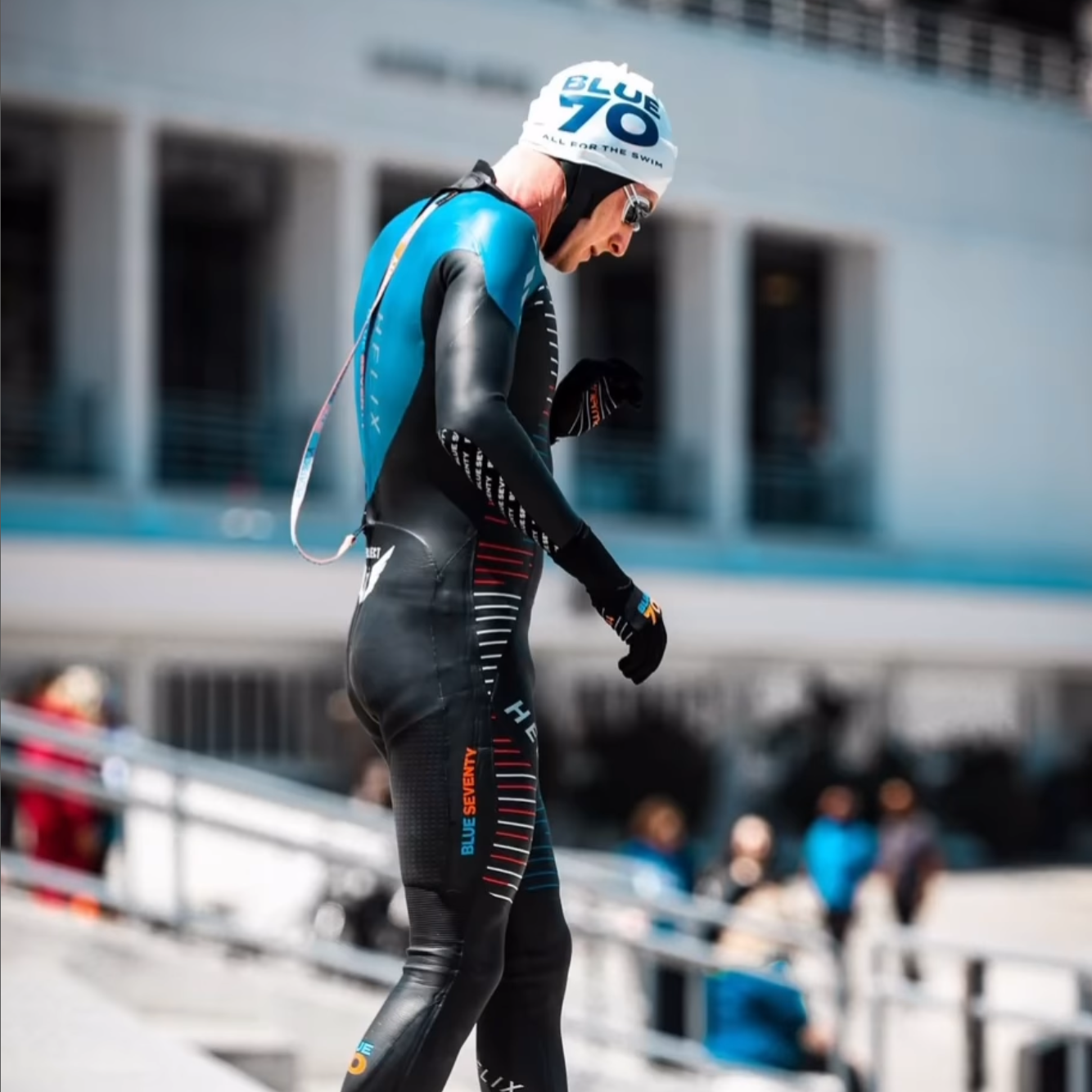
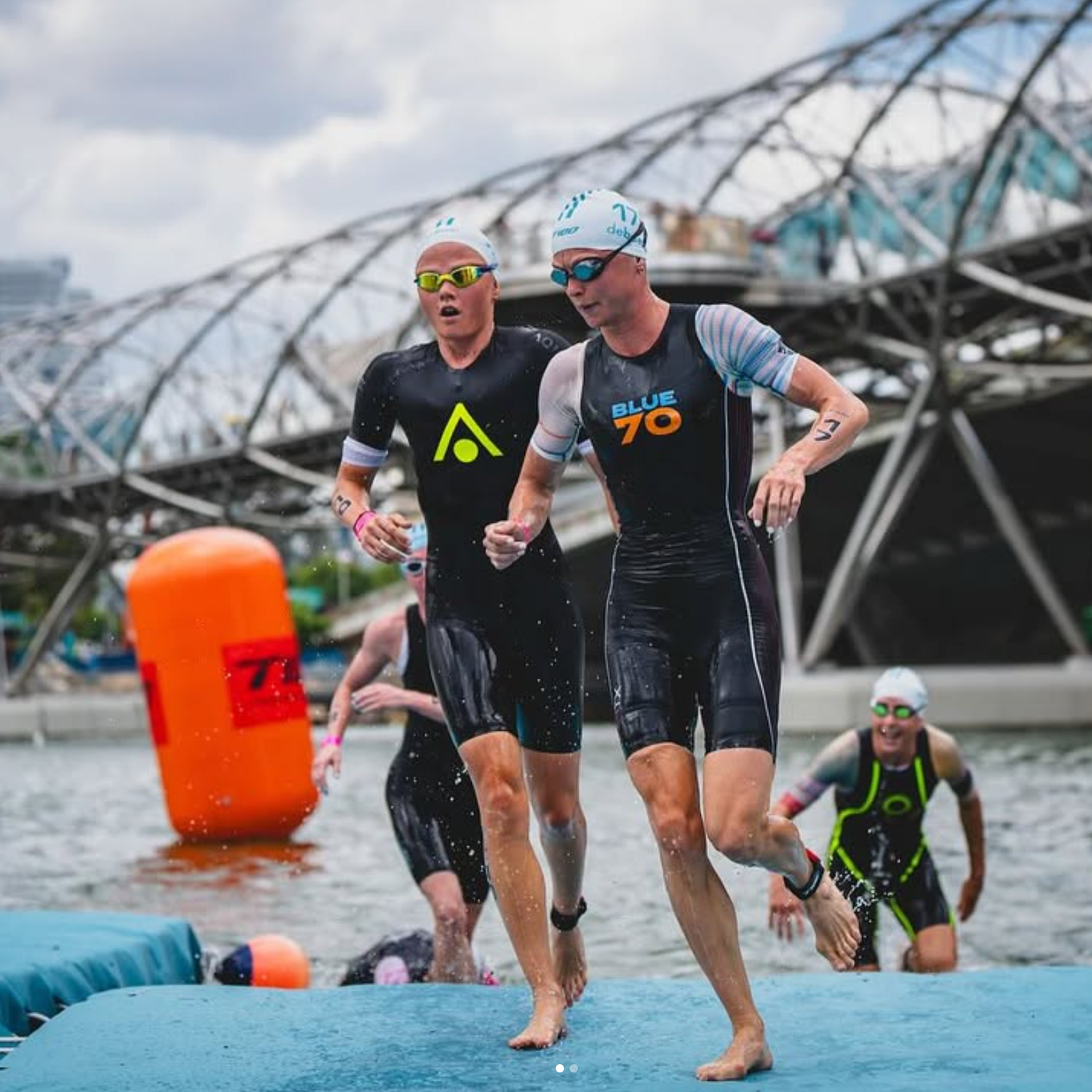
This is why our race-day Helix doesn’t lean on sheer thickness. The arms and shoulders use an extremely thin, high-cell neoprene that practically disappears on your stroke, while the torso uses a different panel composition to maintain the flotation and warmth you actually need. The suit’s permeable catch panel preserves your feel for the water, something you’d lose entirely in a uniformly thicker suit. That targeted design-not a lone millimeter number-is what lets a competitive swimmer generate heat fast and still stay warm for a full 1.2-mile leg.
For swimmers who want extra warmth without extra stiffness, the Thermal Reaction takes a different approach. It lines the entire suit with a Zirconium jersey-a synthetic wool that traps a thin layer of body-warmed water right against your skin. The neoprene itself isn’t a thick, rigid slab; the suit stays flexible and mobile, yet delivers noticeably more thermal protection than standard jersey-lined neoprene of the same thickness. That kind of warmth engineering is invisible on a thickness chart, but you’ll feel it the moment you push off shore.
The Triangle: Warmth, Buoyancy, and Shoulder Freedom
At 65°F, your wetsuit is juggling three jobs simultaneously. No single measurement can tell you how well it balances them.
Warmth (and why seals matter)
Warmth isn’t just about the material between your skin and the water; it’s about how much cold water sneaks in and flushes through the suit. A suit that lets water pour through the neck or zipper will feel many degrees colder than its numbers suggest. The Fusion, redesigned with a lower-sitting neckline, maintains a watertight seal without the high‑neck chafe that can turn a long swim into a grit-your-teeth ordeal. For shorter, frequent swims at 65°F, that comfort means more time in the water accumulating adaptation-and adaptation is as valuable as any degree of insulation.
Buoyancy (it’s not thickness, it’s placement)
This is where thickness gets misinterpreted the most. A thick panel on your chest can float your front end, sure. But if the suit doesn’t also lift your hips and legs with properly positioned buoyancy zones, you end up with a tilted, draggy body position. Our LIFT buoyancy panels-first introduced on the Helix and now integrated across the range-use NBR foam in strategic areas to float the lower body without adding arm‑restricting bulk. The result is a natural, efficient alignment that reduces the energy you waste fighting the water, energy you’d otherwise burn as heat-and lose to the lake.
Shoulder Freedom (the non-negotiable)
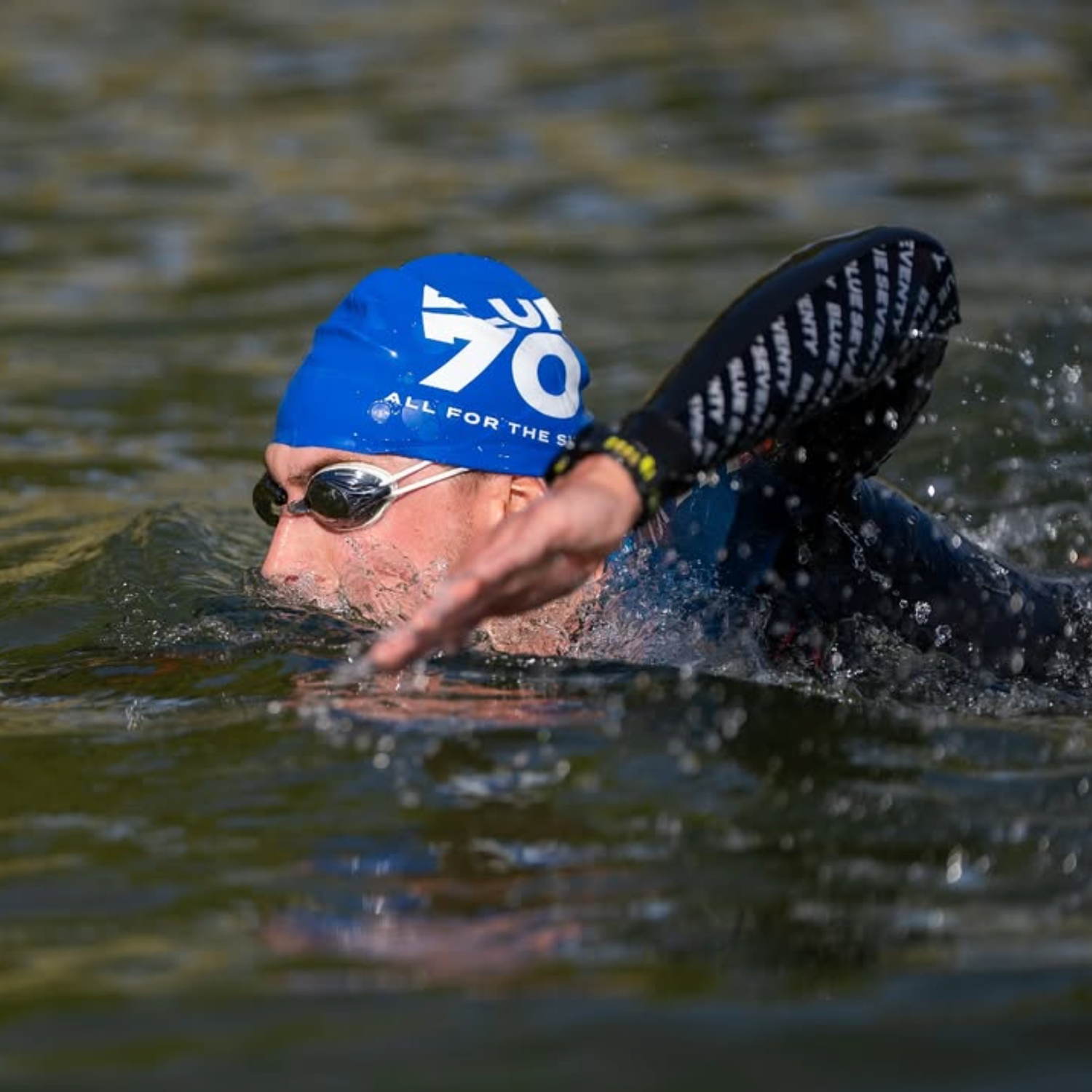
Any suit that’s uniformly thick just to hit a temperature target will fight your stroke. After a few hundred metres, that turns into early fatigue, a shortened catch, and a swim that feels like a wrestling match. So at 65°F, we engineer suits with dramatically thinner, higher-cell neoprene in the arms and shoulders, even in our warmer models. The Reaction, built for frequent training and longer swims, uses a higher‑grade neoprene than the entry-level Sprint, giving you noticeably better flexibility while still providing ample warmth for hour‑plus sessions. You’ll feel the difference in stroke length and ease well before you need to sight the first buoy.
Choosing Your Suit for 65°F Swimming
Forget the millimeter chase. Start with how and how long you swim, and how quickly your body tends to chill.
- Sprint-distance triathletes or short open-water sessions (under 30 minutes): You’ll generate heat quickly and don’t need maximum thermal hang time. The Fusion gives you a comfortable, low‑neck fit and targeted buoyancy for an efficient 750-meter leg without the premium price tag. It’s durable enough for weekly training, too.
- Frequent, longer swims (1+ hour): Shoulder restriction is what really drains you over time. The Reaction, with higher‑grade neoprene throughout, is our go-to recommendation for swimmers who hit the water several times a week. Its LIFT panels keep your legs riding high, and the arm design lets you maintain stroke integrity deep into the second loop of the lake.
- Naturally cold‑prone swimmers or those wanting an extra buffer: If 65°F still feels biting after acclimatization, the Thermal Reaction’s Zirconium lining adds meaningful warmth without turning the suit into a straitjacket. It’s also the suit you’ll reach for when the water drops below 60°F, making it a versatile pick for long seasonal ranges.
- Elite racers who can handle some chill: The Helix is the purest expression of speed and feel. Its ultra‑thin, high-cell neoprene is a competitive weapon. But we’ll be candid: that delicate material breaks down more quickly with frequent use, so it’s not the suit for daily training. For a key race at 65°F, when every second counts and you’re willing to trade a bit of warmth for a suit that vanishes on your body, it’s the tool for the job.
A quick word on sleeveless suits: at 65°F, a full‑sleeve suit typically provides the insulation your arms need to stay functional and your stroke crisp. Some acclimatized swimmers might go sleeveless, but for most, sleeves are the surer bet for comfort and performance.
Small Levers, Big Difference
Warmth at 65°F isn’t solely about the suit itself. How you prepare can shift your experience dramatically.
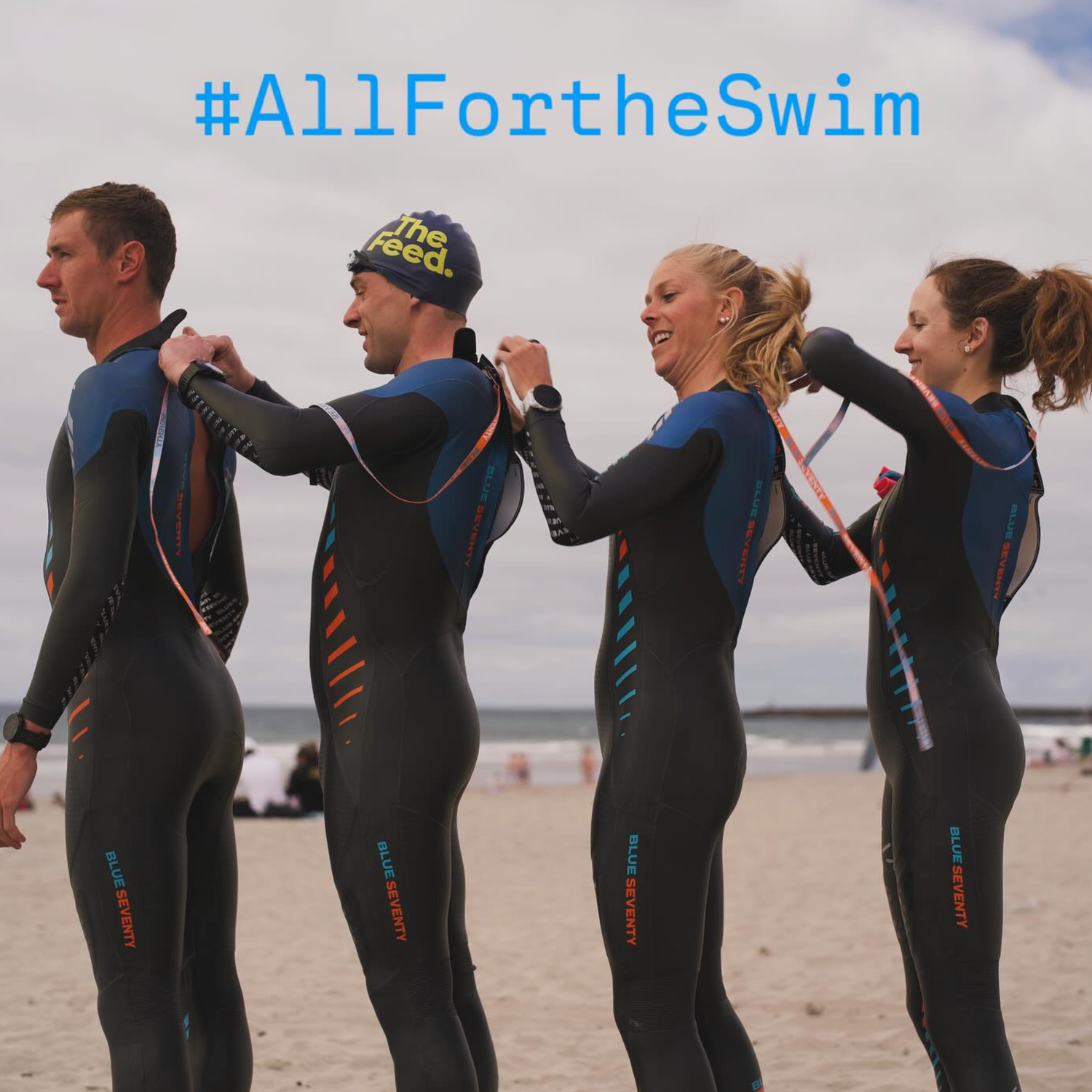
Donning properly: Take an extra minute to pull the legs and torso all the way up, eliminating baggy folds that let cold water pool and flush. A suit should feel snug on dry land, then settle into a second‑skin fit once you’re in the water. A poorly donned wetsuit will circulate cold water continuously, making it feel far chillier than it actually is.
Acclimatization: Before you charge off, stand waist-deep and splash water on your face and neck. Give your blood vessels a minute to react without shock. That gradual entry can prevent the gasping reflex and make the first three minutes feel less like a dare.
Thermal accessories: If your hands and feet go numb early, neoprene gloves or booties can buy you extra comfortable swim time-especially on training days. Even a neoprene swim cap under your race cap helps tame head‑heat loss. These are small‑dollar items that let you fine-tune your personal cold tolerance without buying another wetsuit.
The Number That Actually Matters
When you ask “What thickness wetsuit for 65-degree water?” you’re really asking, “How do I swim my best at this temperature?” The answer lives in the intersection of neoprene cell structure, strategic buoyancy placement, shoulder‑panel design, and lining technology-not in a solitary digit on a label. A wetsuit isn’t a sleeping bag; you’re moving through it, and how it moves with you is what decides whether you’ll still feel fast, fresh, and warm at the finish.
Still wondering which suit will fit your 65°F training or racing? The only real way to know is to get in the water with one. Every blueseventy wetsuit comes with a 30-day Test Swim window-swim in it for real, and if it isn’t the perfect match, you can return or exchange it as long as it’s clean and dry. Take the guesswork off the shore. Dive in. Happy swimming!