


Most triathletes think of wetsuit removal as something that happens at the bike rack. In reality, the process starts well before that. A fast, clean T1 is usually set up in the final minutes of the swim, shaped by how you pace the exit, when you stand, how well your wetsuit fits, and whether you stay composed once your feet hit the ground.
That is the part of transition that often gets overlooked. Athletes spend a lot of time practicing how to yank neoprene off at speed, but far less time working on the sequence that makes removal easy in the first place. If your swim ends in chaos, your T1 usually does too.
So instead of thinking about wetsuit removal as one isolated skill, it helps to see it for what it really is: the last phase of your swim. Once you look at it that way, better transitions become much easier to train.
T1 is not separate from the swim
A swim-specific wetsuit is designed to support body position, buoyancy, and freedom from restriction in the water. Those same design qualities also affect what happens when you stand up, start running, and try to strip the suit off with a high heart rate and wet hands.
That is why wetsuit removal is rarely just about “being quick.” It depends on several pieces working together:
- Fit through the shoulders, torso, calves, and ankles
- How the suit was put on before the start
- Your breathing and effort level at the end of the swim
- Balance and coordination when you stand up
- How soon you unzip and peel the top half down
When one of those pieces is off, T1 slows down. Often the athlete blames the final struggle at the ankles, but the real problem started earlier. A rushed setup, poor positioning near shore, or standing too early can make the whole transition feel harder than it should.
The final 200 meters matter more than most athletes realize
If you want a smoother T1, start by cleaning up the end of your swim. The last 200 meters are where you prepare your body to go from horizontal to upright, from smooth breathing to fast decision-making, and from long strokes to quick, precise movement.
Lift your stroke rate slightly
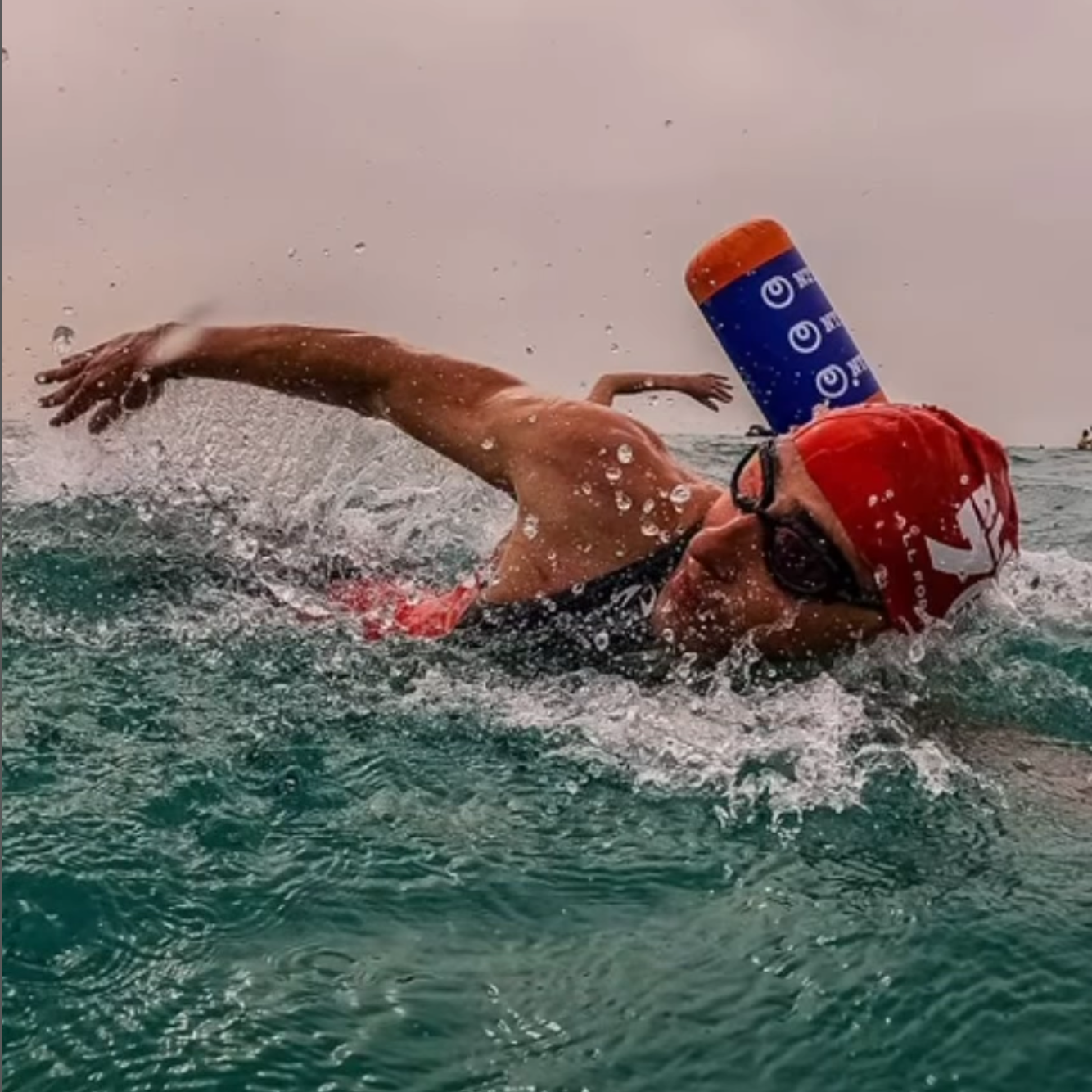
You do not need an all-out sprint, but a modest increase in rhythm can help prepare for the run into transition. A slightly quicker turnover helps bridge the gap between swimming and running so the change does not feel abrupt.
Athletes who hold the same easy rhythm all the way to shore often stand up and feel flat, heavy, or briefly disoriented. A controlled build in effort usually creates a better handoff into T1.
Add a little more kick
Because a wetsuit improves body position, the legs often ride high with less effort than they would in the pool. That is one of the biggest advantages of a good swim-specific suit. It also means the legs can feel sleepy when it is time to run.
In the final minute or two, a slightly stronger kick helps wake the legs up. It does not need to be dramatic. Just enough to prepare your body for those first steps out of the water.
Hold a clean line into shore
Good sighting pays off here. If you zig-zag through the final stretch, you waste energy and arrive at the exit more flustered than you need to be. T1 tends to reward athletes who come in under control rather than those who surge, drift, and scramble.
The biggest mistake: standing too early
One of the most common transition errors happens before the wetsuit even starts coming off. Athletes stand up too soon.
If the water is still deep enough to swim efficiently, keep swimming. Running through water that is too deep is usually slower and more costly than taking a few more strokes. It also drives up your breathing right before you need stability and coordination.
When it really is time to stand, keep it simple:
- Plant your feet carefully
- Find your balance
- Start moving forward
- Then begin the removal process
That order matters. Athletes often lose time by trying to do everything at once: stand up, pull the zipper, remove goggles, peel one shoulder free, and run hard immediately. Usually that turns into a stumble or a missed step rather than a fast transition.
Why fit plays such a big role in removal
When a wetsuit feels hard to remove, the first question should not be, “How do I pull harder?” It should be, “Was the suit sitting correctly in the first place?”
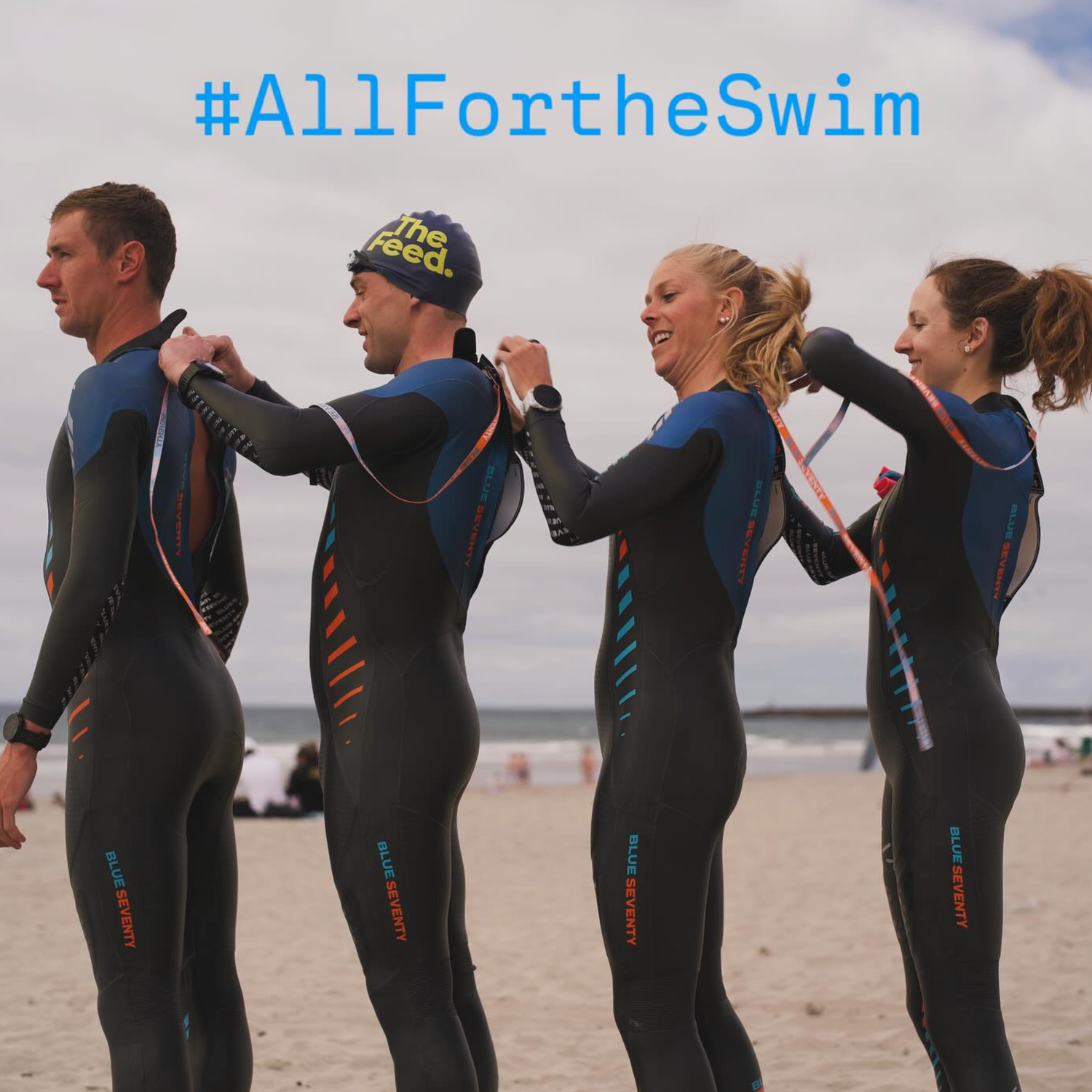
A wetsuit should feel snug on land and more comfortable once you are in the water. That close fit is part of what makes it work. But snug and poorly positioned are not the same thing.
If the material was not fully worked up through the legs, hips, and torso before the start, the suit can sit low on the body. When that happens, you lose range through the shoulders and create extra tension across the upper body. You may notice that during the swim as fatigue or restriction, and again in T1 when the top half is hard to peel down.
This is why proper donning is such an important performance skill. A well-positioned suit not only swims better, it usually comes off better too.
Neckline comfort matters more than people think
The first peel often feels smoother when the neckline sits comfortably and opens cleanly. On the blueseventy Fusion, for example, the lower-sitting neckline was redesigned for comfort without losing the watertight seal. That kind of detail is easy to overlook until race day, when comfort around the neck can make the whole first step of removal feel more natural.
The top-half peel should happen on the move
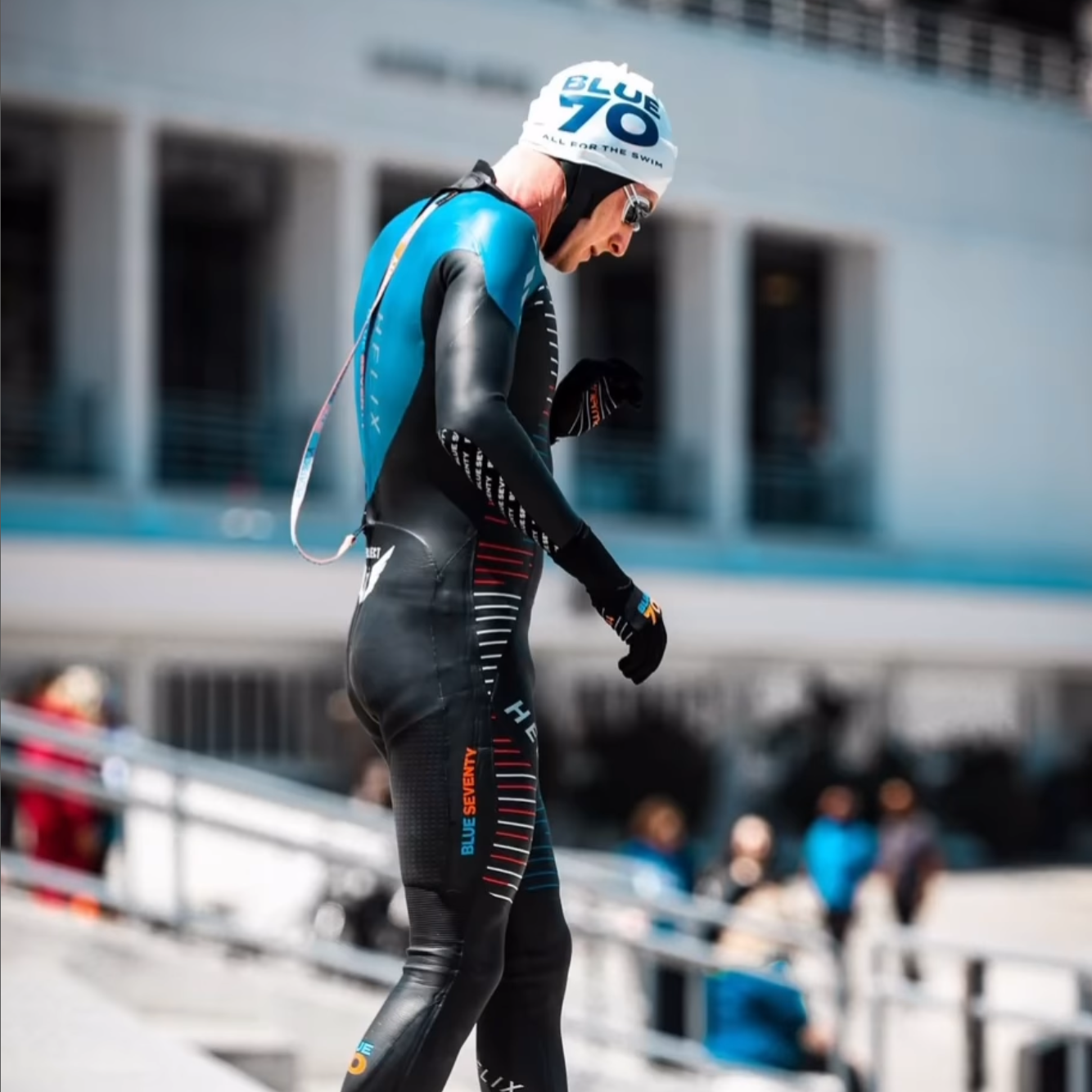
Once you are out of the water and moving toward transition, the goal is to get the suit down to your waist as efficiently as possible. That means removing your cap and goggles in the order you have practiced, finding the zipper immediately, and peeling the upper half down while you are still jogging.
This is where shoulder flexibility and suit construction really show up. blueseventy wetsuits use Yamamoto 38, 39, and 40 cell neoprene, with higher cell numbers offering more flexibility. In practical terms, that flexibility helps preserve freedom from restriction during the swim and can also make the peel-down phase feel cleaner and less awkward.
In a race-focused suit like the Helix, the extremely flexible neoprene through the arms and shoulders is built for swim performance, with a permeable catch panel to help preserve feel for the water and LIFT buoyancy panels to improve body position. Those are swim-first benefits, but they also influence how naturally the suit moves when you start stripping it on the run to T1.
There is a trade-off, and it is worth stating clearly. Very thin, highly flexible neoprene is built for race-day performance, but it is not ideal for heavy training use. That is why athletes who swim in a wetsuit regularly often do better in a suit chosen for frequent use rather than saving a pure race suit for every training session.
The ankle struggle is usually a sequencing problem
The last step of wetsuit removal tends to get all the attention because it is where transitions become visibly messy. But the issue is usually not the ankle itself. It is the buildup of small mistakes that came before it.
Trying to rip both legs off at once almost always makes things worse. It bunches the neoprene around the calves and heels and turns a simple move into a fight.
A more reliable approach looks like this:
- Get the suit fully down to around the knees
- Use one foot to pin the suit
- Step the opposite leg out cleanly
- Switch sides and repeat
Compact movement wins here. Wild hopping rarely saves time. Deliberate stepping usually does.
Women-specific fit can make a real difference in T1
For women, patterning through the bust, torso, wrists, and ankles can have a major impact on both swim comfort and transition ease. blueseventy’s Femme Fit design refines those key areas and includes a lowered neckline for comfort and reduced chafing, along with an extended zipper length for easier entry and faster transitions.
That matters because a better fit tends to create a cleaner removal sequence. When a suit sits where it should and opens how it should, the athlete can focus on movement rather than fighting the gear.
Train the whole exit, not just the last five seconds
If your only transition practice happens in a parking lot with a dry suit and a low heart rate, you are not really practicing race-day T1. You are just rehearsing one isolated piece of it.
A better drill is to practice the full sequence under mild fatigue:
- Swim continuously for 10 to 20 minutes
- Lift the effort slightly in the final two minutes
- Add a bit more kick
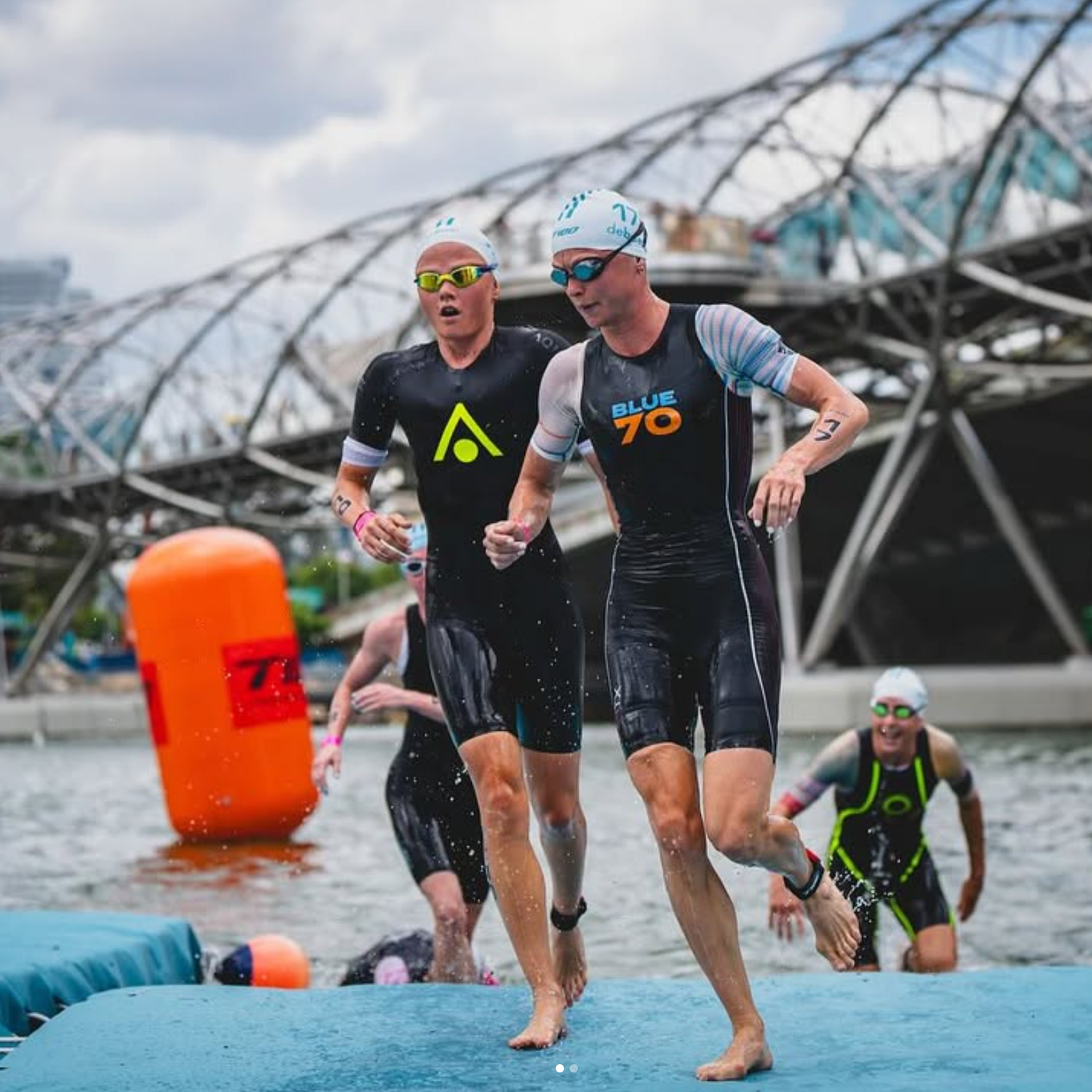
- Exit the water with control
- Remove cap and goggles in your planned order
- Unzip immediately
- Peel the suit to your waist while moving
- At your gear spot, strip to the knees and step out one leg at a time
If possible, practice on grass, with wet feet, or after a short run up a beach or ramp. The more realistic the rehearsal, the more dependable the skill becomes.
Choosing the right suit for the job
Technique solves most removal problems, but equipment choice still matters. The best wetsuit for one athlete is not always the best choice for another. It depends on how often you train, how long you swim, and what you need on race day.
- Helix is the flagship race suit, built for total race-day performance.
- Reaction is a strong option for frequent, longer swims and performance-focused training.
- Fusion is a best seller and a smart choice for shorter frequent swims.
- Sprint is the entry point for athletes getting started.
- Reaction Sleeveless can make sense in warmer conditions or for athletes who prefer an easier fit.
- Thermal Reaction is designed for cold-water swimming and is fully lined with Zirconium jersey for added thermal protection.
As a general guide, below roughly 56-58°F, a purpose-built thermal suit adds meaningful warmth. Above roughly 70-72°F, a full suit can become too warm over longer swims, and a sleeveless option may make more sense. If you are checking race-day legality, always confirm the current rules with your sanctioning body rather than relying on a fixed temperature number. [VERIFY: current sanctioning-body rule]
A simple race-day checklist
Before the start
- Put the suit on early enough to do it properly
- Work the material up through the legs, hips, torso, and shoulders
- Make sure the neckline feels comfortable and secure
- Check that the zipper cord is easy to find
- Know your cap-and-goggle sequence
In the final stretch of the swim
- Hold your line
- Lift stroke rate slightly
- Add a little more kick
- Stay composed
At the exit
- Do not stand too early
- Find your balance first
- Start moving before stripping the suit
On the way to your bike
- Remove cap and goggles
- Unzip immediately
- Peel the suit to your waist while moving
At the rack
- Get the suit to the knees
- Pin and step out one leg at a time
- Keep the movement compact and controlled
The real takeaway
The athletes who remove wetsuits well usually do not look rushed. They look organized. They come out of the water under control, stand at the right time, move with balance, and follow a sequence they have already practiced.
That is the better way to think about T1. Not as a frantic moment after the swim, but as the final expression of a well-executed swim from start to finish.
If you want a smoother transition, begin by improving what happens before you reach the beach. That is where the time is usually won.
Happy Swimming!
Dive in: If you want to dial in fit before race day, use the fit and wear guide or Take a Test Swim so you can practice your full exit sequence with confidence.