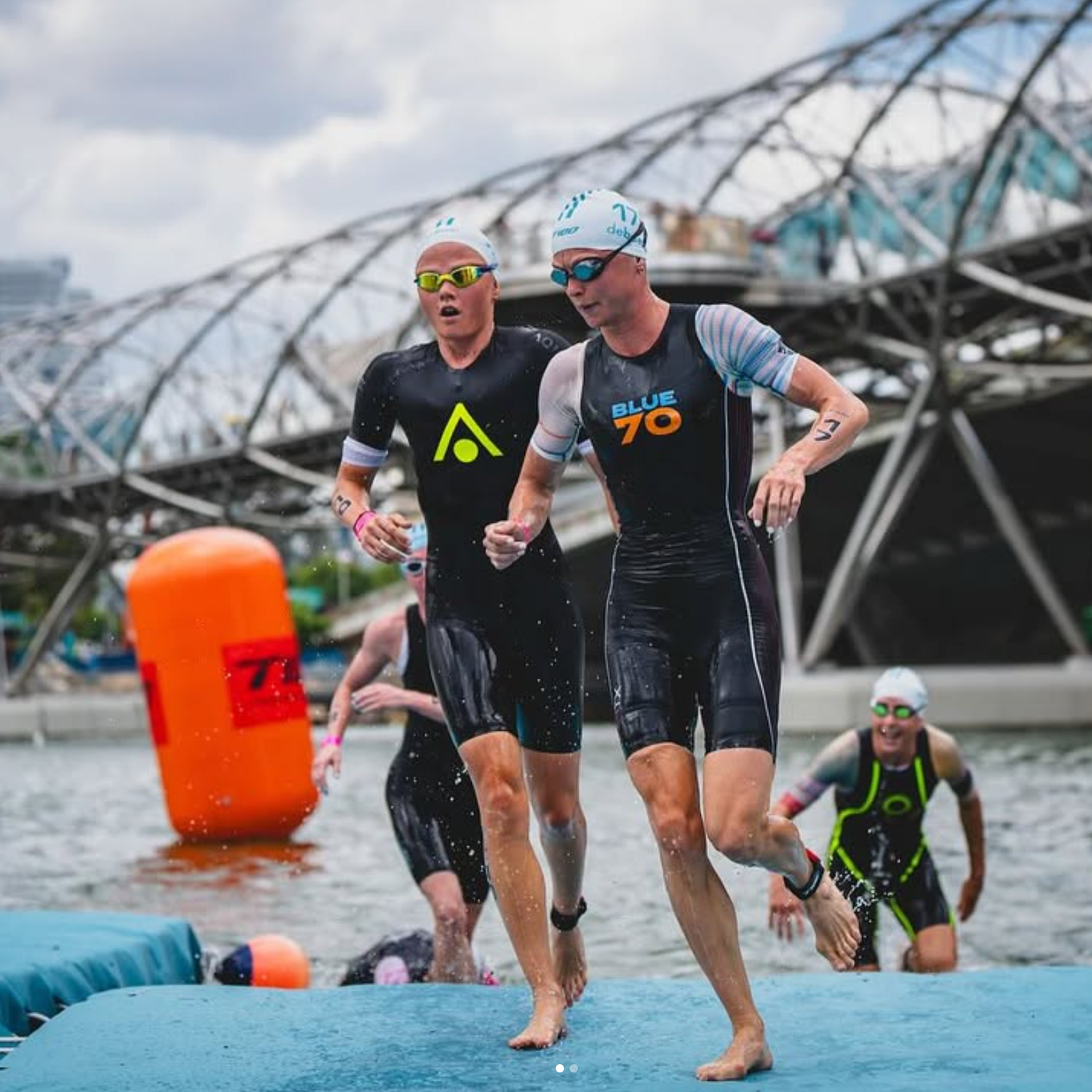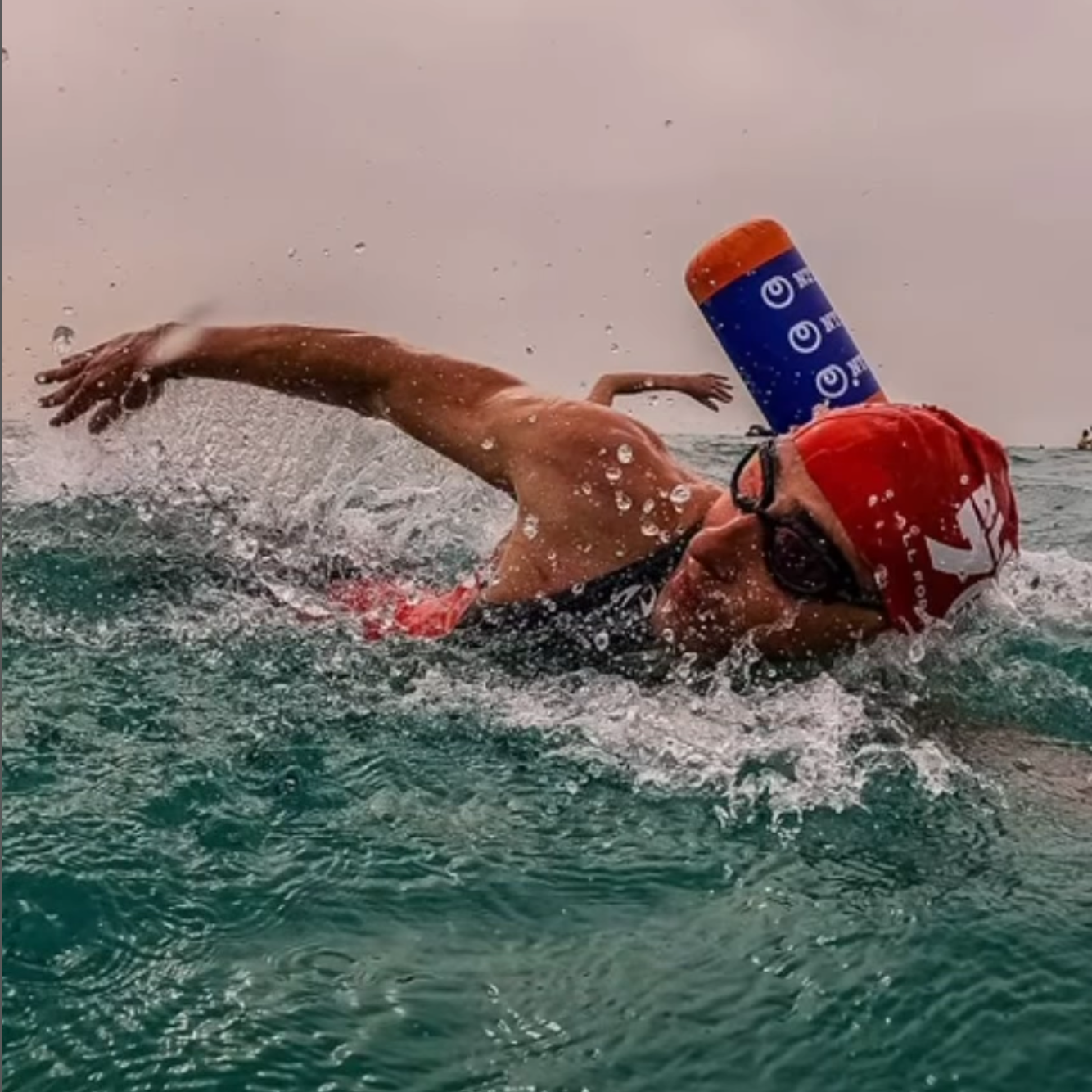



If you ask ten swimmers what a steamer wetsuit is, most will give you a simple answer: a full-sleeve, full-leg wetsuit for open water. That’s correct, but it’s not the whole story. For swimmers and triathletes, a steamer is not just about covering more of the body. It’s about how that extra coverage affects body position, stroke rhythm, fatigue, and thermal comfort over the course of a swim.
That distinction matters because too many athletes choose a wetsuit by category name alone. “Full suit” sounds straightforward. In the water, it is not. A swim-specific steamer can change the way your hips ride, the way your shoulders turn over, and the amount of effort it takes to hold form once the swim gets rougher, colder, or longer. If you think about it that way, the decision becomes much more interesting-and much more useful.
What a steamer wetsuit actually is
In swimming and triathlon, a steamer wetsuit usually refers to a full-body wetsuit with both arms and legs covered. It is designed for swimming, which is an important distinction. Swim-specific wetsuits are built around freedom through the shoulders, a close hydrodynamic fit, and buoyancy that helps support a better position in the water.
It is also worth clearing up a common misunderstanding. A wetsuit is not waterproof, and it does not keep you dry. It allows a thin layer of water inside, and your body warms that water over time. That warmed layer helps provide insulation. In other words, the suit works with your body and the water around you, not by sealing you off from it.
The better way to think about full-sleeve wetsuits
The standard conversation around steamer wetsuits usually starts with warmth. That makes sense, but it can also be limiting. The stronger argument for a full-sleeve wetsuit is often not just temperature. It is energy management.
Open-water swimming puts pressure on your technique in ways the pool often does not. Even strong swimmers can lose efficiency once several factors pile up at once:
- an aggressive start
- elevated breathing rate
- cold water tension
- choppy conditions
- interrupted rhythm from sighting
- fatigue that causes the hips and legs to sink
A well-designed steamer helps reduce the cost of those disruptions. If the suit improves body position, the swimmer spends less energy trying to hold the right shape in the water. And in practical swimming terms, buoyancy equals speed. Better position usually means less drag, and less drag means less wasted effort.
That is why the real benefit of a steamer often shows up later in the swim, not just in the first few strokes. The suit is not there simply to feel good on the beach. It is there to help you keep swimming well when conditions stop being convenient.
Why sleeves matter beyond insulation
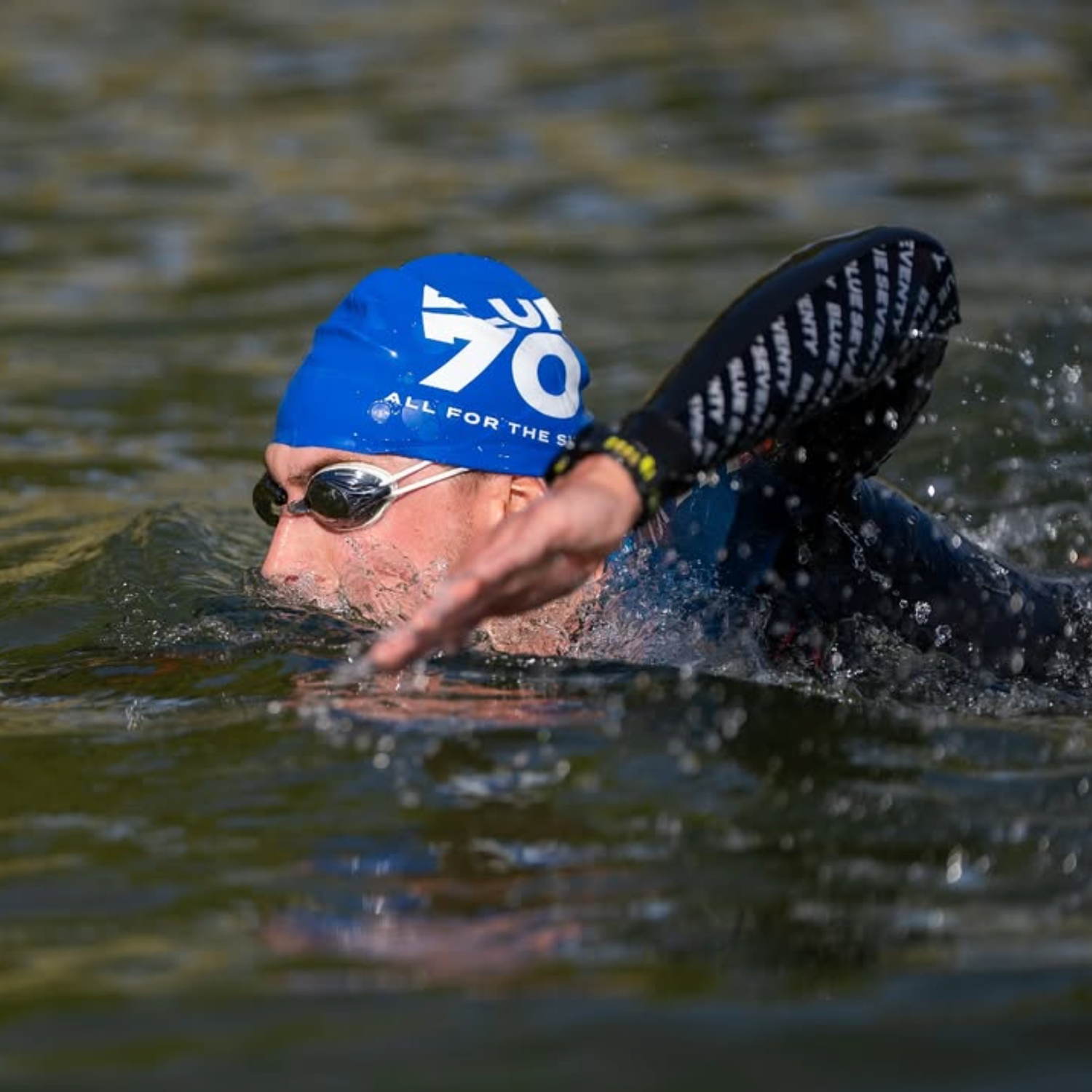
Many athletes treat sleeves as a temperature feature. In reality, they affect the whole stroke. Full sleeves influence how the arms recover, how the shoulders rotate, and how naturally the swimmer can reach forward without fighting the suit.
At blueseventy, all wetsuits use Yamamoto 38, 39, and 40 cell neoprene. Higher cell numbers offer more flexibility, and that flexibility matters most in the shoulders and upper body. If the material does not move with the swimmer, turnover feels heavy and fatigue arrives early. If it does move well, the suit becomes much less noticeable once the swimmer settles into rhythm.
That is one reason premium swim-specific design matters. In the Helix, for example, the permeable catch panel is designed to preserve feel for the water during the pull. That may sound like a small detail, but swimmers know that “feel” is not a luxury. It is part of how timing, confidence, and stroke quality hold together under pressure.
The fit problem many swimmers mistake for a sleeve problem
Here is something we see all the time: a swimmer puts on a full-sleeve suit, feels tension in the shoulders, and decides they must be a sleeveless athlete. Sometimes that is true. Often it is not.
Most shoulder discomfort in a steamer comes from fit or donning mistakes, not from the basic idea of sleeves. A wetsuit that sits even slightly low on the body will pull through the shoulders. It can make a good suit feel awkward, stiff, or exhausting within minutes.
The most common problems look like this:
- The suit has not been pulled high enough through the calves and quads.
- The material has not been worked fully into the hips and torso.
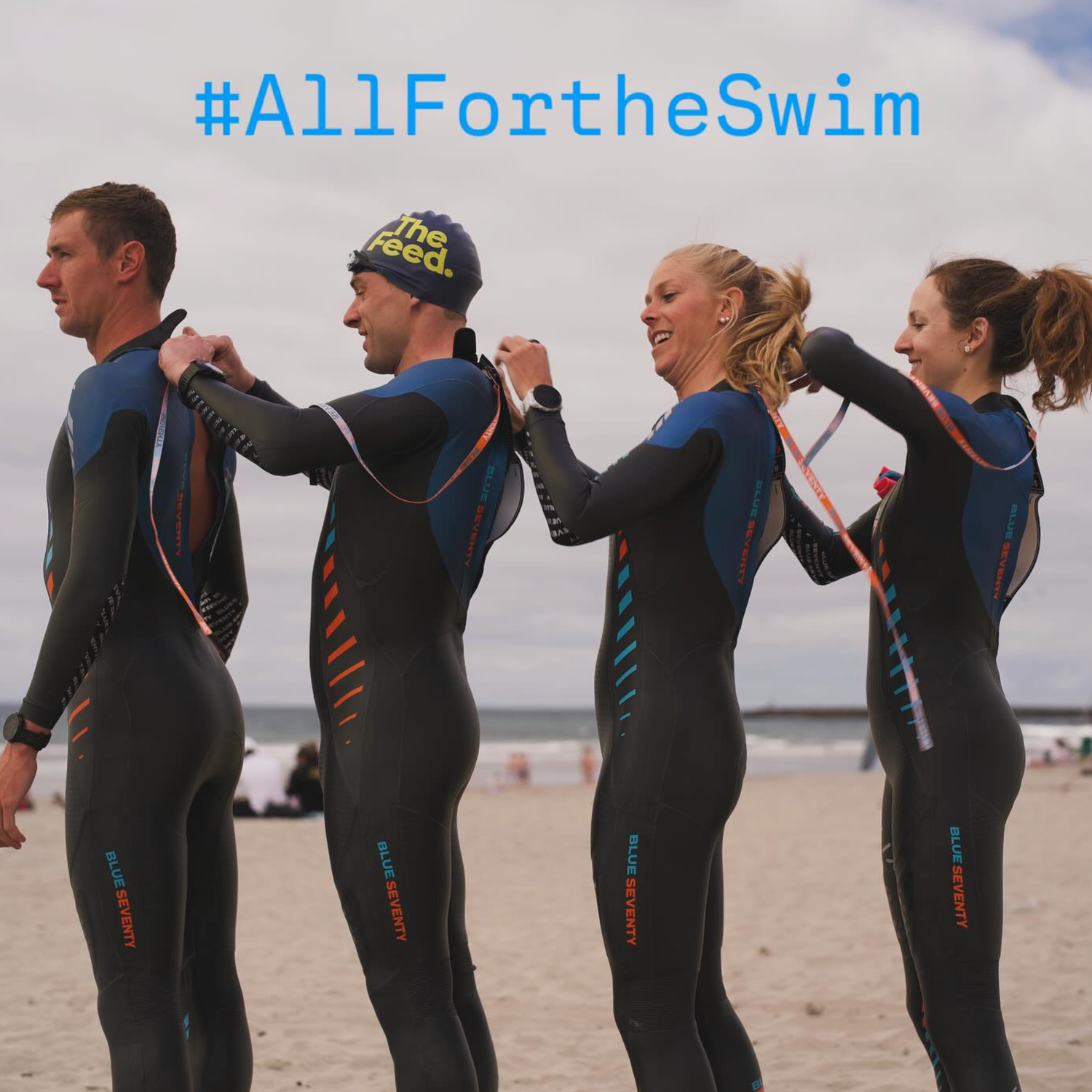
- The arms are not seated properly before the suit is zipped.
A swim-specific wetsuit should feel snug on land. That is normal. In the water, it should feel more natural and less restrictive. If it feels punishing right away, do not assume the model is wrong until you have checked how the suit is actually sitting on your body.
That is also why blueseventy’s Take a Test Swim option matters. A wetsuit can feel one way in the bedroom mirror and another way entirely once you are swimming. Getting in the water tells you much more than a dry-land fitting ever will.
Warmth matters, but context matters more
Yes, a steamer wetsuit provides added thermal protection. That is one of the main reasons swimmers choose full coverage for open water. But thermal performance is never just about sleeves and legs. It depends on the full picture:
- water temperature
- air temperature and wind
- how long you will be in the water
- how hard you are swimming
- your personal cold tolerance
- your level of acclimatization
blueseventy’s guidance is a good place to start. Below about 56-58°F, a purpose-built thermal suit like the Thermal Reaction adds meaningful warmth. Above about 70-72°F, a full suit can become too warm over longer swims, which is where a sleeveless option may make more sense.
Those are not guarantees, and they should not be treated like guarantees. The better question is not, “Will this suit be warm enough in every case?” The better question is, “Will I still be swimming well in these conditions after ten, twenty, or forty minutes?”
The race-day mistake a steamer can accidentally encourage
One underappreciated part of full-suit swimming is pacing. A steamer often makes the first few minutes of a swim feel smoother than expected. The body rides higher. The water feels more supportive. The athlete feels fast and settled.
That sounds positive, but it can create a small trap. Because the suit helps the swimmer feel efficient, some athletes start too hard and do not realize it until their breathing rate is elevated and their upper body starts tightening up.
The smartest use of a steamer is not to treat it like permission to over-swim the opening section. It is to use the suit to protect your best sustainable stroke.
Simple pacing advice for full-sleeve swimming
- Start the swim at an effort that feels controlled, even slightly conservative.
- Focus on a relaxed exhale in the first few minutes.
- Pay attention to whether sighting disrupts your body line.
- Notice when the suit helps you maintain posture as fatigue builds.
- Judge the swim by stroke quality, not by how easy the first 200 meters feel.
How steamer wetsuit design has evolved
One of the biggest changes in swim-specific wetsuits has been the move away from treating neoprene as one uniform material with one uniform job. Good design is now much more targeted. The key question is not just how much buoyancy a suit has, but where that buoyancy is placed and how the rest of the suit balances it with flexibility.
That is where modern swim-specific design becomes more sophisticated. In the Helix, blueseventy uses LIFT buoyancy panels to help support body position in a more intentional way. The goal is not simply to add flotation. The goal is to help the swimmer hold a faster, cleaner line through the water.
The same idea applies to shoulder construction. Flexible upper-body materials are not there just to make the suit feel soft in your hands. They are there because every bit of freedom through the shoulders can influence rhythm, efficiency, and fatigue over race distance.
That shift-from simple coverage to targeted distribution of buoyancy and flexibility-is one of the most important ways steamer wetsuits have improved for swimmers and triathletes.
Not every full-sleeve suit is built for the same job
This is another area where athletes can get tripped up. Two full-sleeve suits can look similar at first glance and be intended for very different swimmers.
Helix
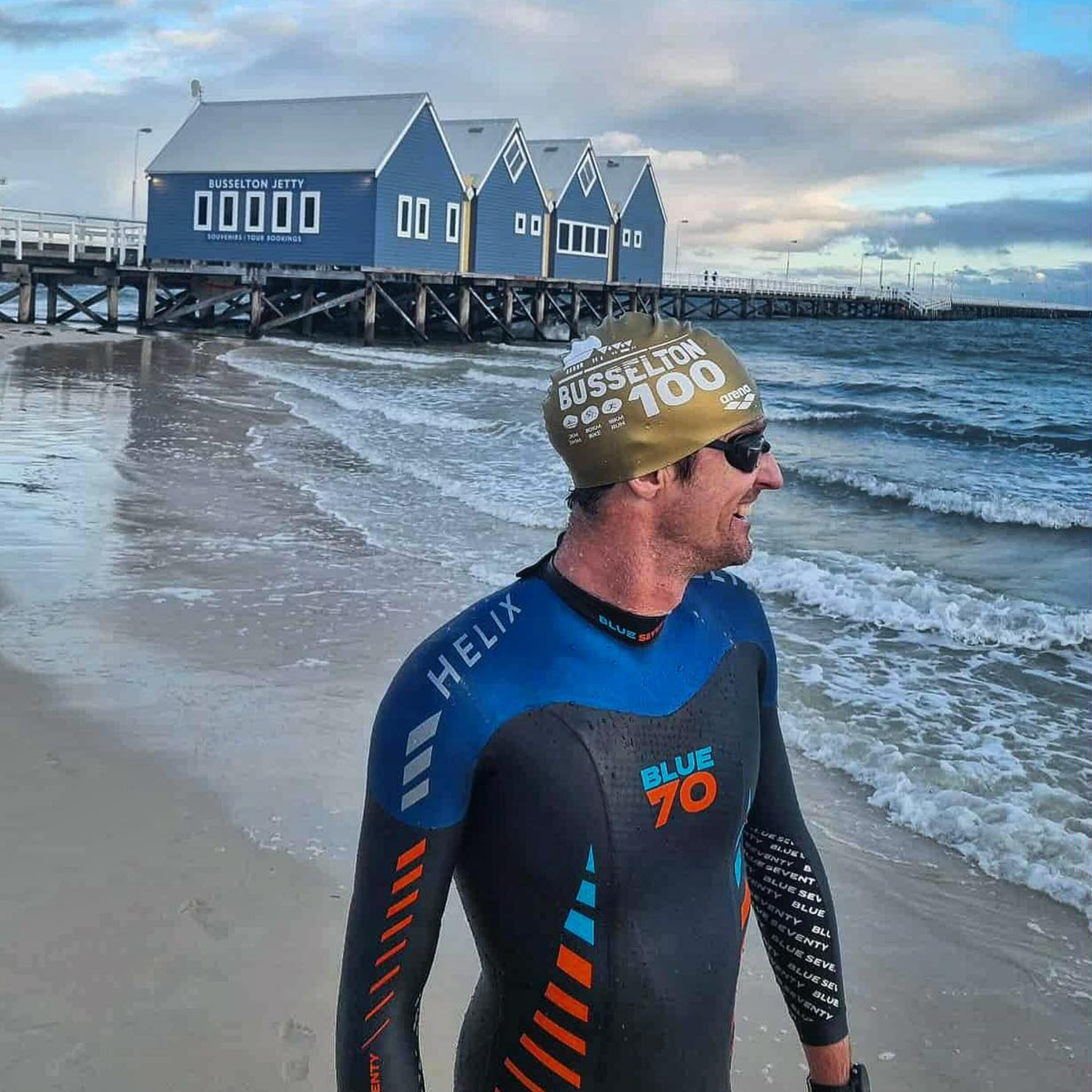
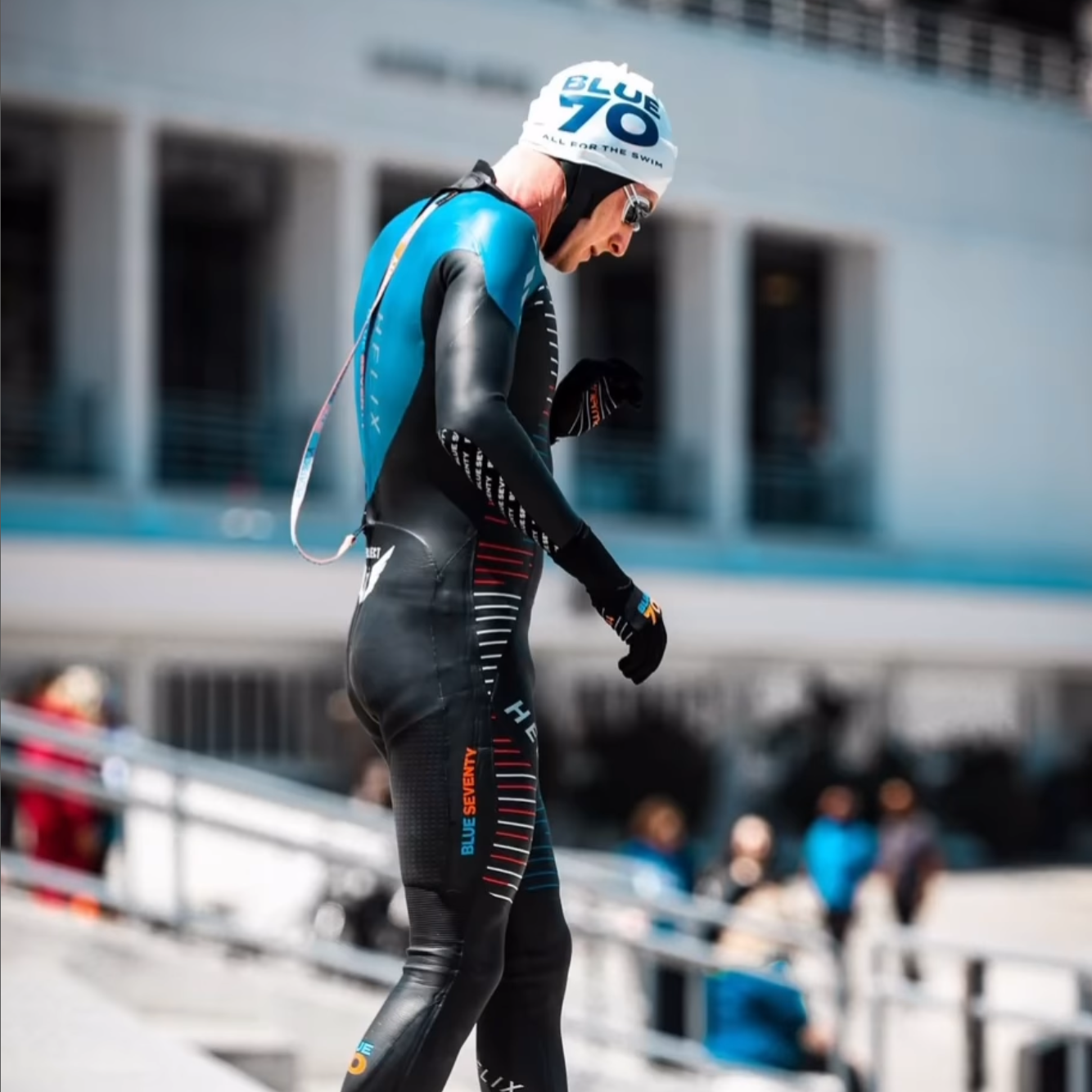
The Helix is blueseventy’s flagship race suit, built for total race-day performance. It uses extremely flexible neoprene through the arms and shoulders, includes the permeable catch panel, and features LIFT buoyancy panels. It is built for swimmers and triathletes who want maximum freedom from restriction and the most performance-focused fit in the line.
There is a trade-off, and it is important to say it plainly: because the neoprene is so thin and flexible, the Helix is not ideal for heavy training use. If you are swimming open water frequently, that matters.
Reaction
The Reaction is a strong choice for athletes who train regularly and want a suit that balances swim-specific performance with frequent-use practicality. It is especially well suited to longer, repeated training swims.
Fusion
The Fusion is a best-selling mid-range option for good reason. It works well for many athletes doing shorter frequent swims, and the redesigned lower-sitting neckline improves comfort without losing the seal.
Thermal Reaction
The Thermal Reaction is the purpose-built answer for colder open water. It is fully lined with Zirconium jersey, a synthetic wool lining designed for swimmers who need added warmth in cold conditions.
Sprint
The Sprint is an excellent starting point for first-time triathletes and newer open-water swimmers looking for a swim-specific suit without overcomplicating the decision.
Who tends to benefit most from a steamer wetsuit?
Almost every swimmer can benefit from a full suit if the fit and use case are right, but the advantage shows up differently depending on experience and goals.
- First-time triathletes often notice immediate help with body position and open-water confidence.
- Frequent age-groupers usually need a balance of comfort, performance, and durability for regular training.
- Performance-focused racers care more about shoulder freedom, catch feel, and buoyancy placement.
- Cold-water swimmers often need a suit that protects stroke quality as much as it adds warmth.
It is also worth noting that beginners often gain proportionally more from a wetsuit than highly advanced swimmers. If your natural body position still needs work, a swim-specific suit can make a noticeable difference in how easily you move through the water.
How to decide whether a steamer is right for you
If you are trying to make the call, start with the realities of your swimming rather than the label on the suit.
A full-sleeve steamer is usually a smart choice if:
- you swim regularly in cooler open water
- you want the most body-position support
- you prefer full coverage
- your races or training swims are long enough that energy savings matter
- you want the most common triathlon and open-water setup
You may want to think more carefully if:
- your water is consistently above 70-72°F
- you overheat easily on longer swims
- you have a strong preference for less shoulder coverage
- you are choosing by habit instead of fit, water temperature, and frequency of use
The important point is simple: “steamer” is only the category name. The real decision is about how the suit interacts with your stroke, your conditions, and your training week.
Common mistakes to avoid
- Buying by label alone: not every full-sleeve suit is intended for the same swimmer or same training load.
- Using a race-focused suit for heavy weekly mileage: maximum flexibility can come with a durability trade-off.
- Ignoring donning technique: a suit that is not pulled fully into place will feel worse than it should.
- Thinking only about warmth: body position, pacing, and fatigue management matter just as much.
- Judging the suit only on land: the water reveals far more than the mirror does.
Final takeaway
A steamer wetsuit is best understood as more than a full-coverage option. For swimmers and triathletes, it is a swim-specific tool for managing body position, stroke efficiency, fatigue, and thermal load in open water.
When the fit is right and the design matches your actual use, a full-sleeve suit can help you hold better shape in the water, reduce drag, preserve shoulder rhythm, and stay more composed as conditions become more demanding. That is the real value of a steamer. It is not about wearing more neoprene for the sake of it. It is about making it easier to swim your stroke well when it counts.
If you are narrowing down the right option for training, racing, or cold-water swimming, start with fit and intended use. Use the fit guide, check the size charts, or Take a Test Swim to feel the difference in the water. The best steamer is the one that lets you focus on the swim itself-not the suit.