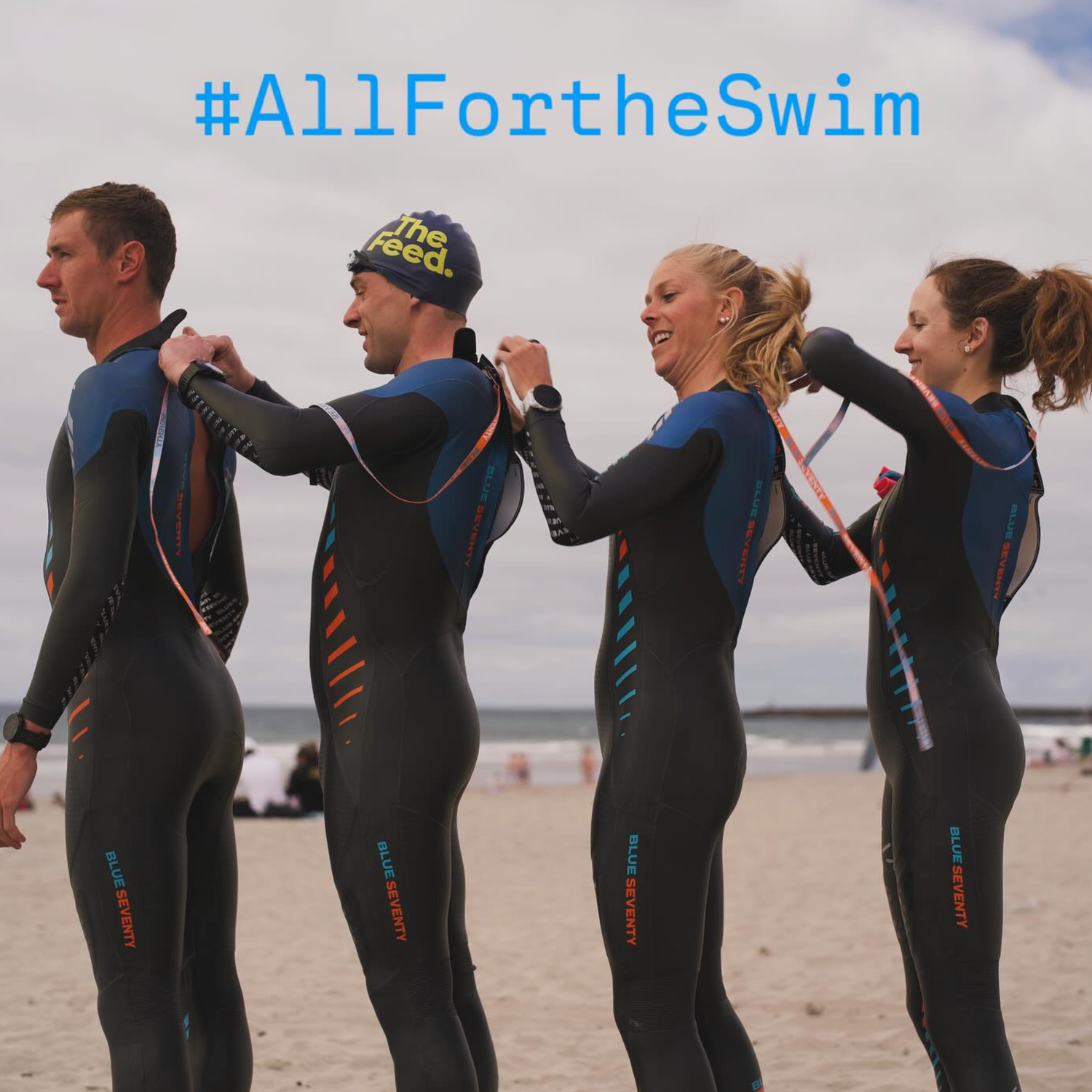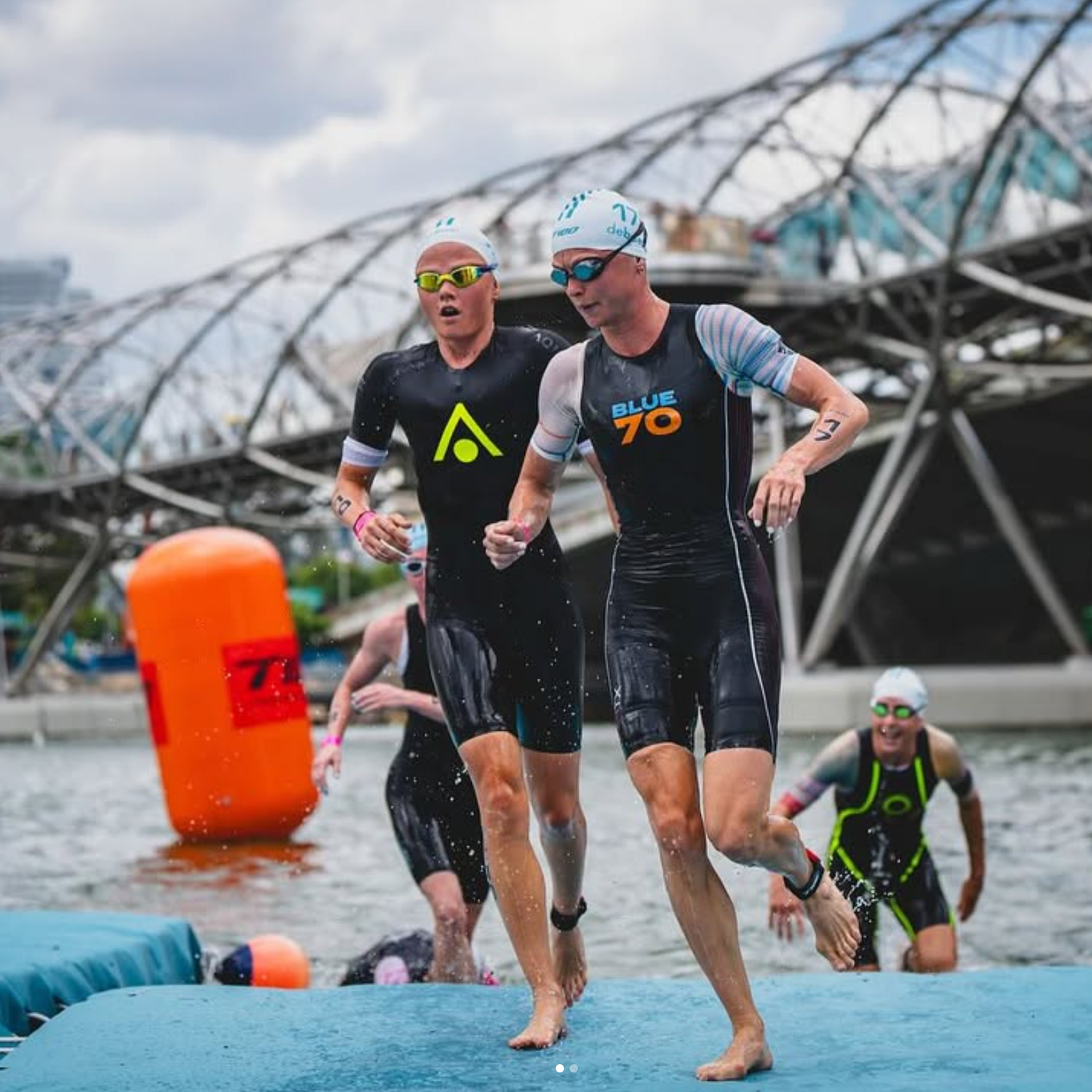



The short answer: yes, with conditions. A used blueseventy wetsuit can be a good buy if it is clean, fits you, and sells far enough below the price of a new suit to justify giving up the warranty and the Test Swim option. blueseventy wetsuits are swim-specific, not surfing or diving suits, so the fit and panel placement target swimming posture. Fit is personal, and most wetsuit damage hides where people forget to look.
A used suit makes sense in a few situations
A used suit can fit well if you are trying open water swimming for the first time and don't want to spend $325 on a new Sprint. It can also work as a backup training suit when your primary suit is wet or being repaired. If your weight is shifting from season to season, a used suit lets you get through a transition year without buying a new size you might not need later. None of these cases eliminate the need to inspect the suit carefully.
What to inspect before you pay
Before you pay, go through this list in person or ask the seller for close-up photos of each area.
- Seams. Look for pulled, cracked, or peeling glue and stitching. One small seam opening can be fixed with Aquaseal neoprene cement, but several failing seams mean the suit has been through hard use.
- Neoprene. Press your thumb into the chest, shoulder, and leg panels. Healthy neoprene springs back. Race suits such as the Helix use thin, flexible neoprene that blueseventy notes will break down more quickly with heavy training use. If the suit feels spongy or has lost its snap, pass.
- Zipper. Unzip and rezip the full length. Zippers fail from force, and zipper damage is not covered under warranty.
- Wrist and ankle cuffs. Fingernail punctures and heel tears are the two most common ways swimmers damage a suit. Check the edges for small crescents, cracks, and stretched-out openings.
- Neckline. The 2021 Fusion redesign has a lower-sitting neckline. On any used suit, check that the neck seal is not cut, cracked, or rolled from hasty removal.
- Odor and color. A suit stored wet in a bag will smell sour and may show mildew stains. Heat and chlorine degrade neoprene over time. If the suit has been left in a hot car or soaked in pool water without rinsing, it ages faster.
Which models hold up to used buying
blueseventy uses Yamamoto neoprene in 38, 39, and 40 cell. Higher cell means more flexibility, but the thinnest, highest-cell panels in a race suit like the Helix also break down faster under frequent training. The Reaction is built for frequent, longer open water swims, and the Fusion is recommended for shorter frequent swims, so a used Reaction or Fusion with clean seams and springy neoprene can be a solid training buy.
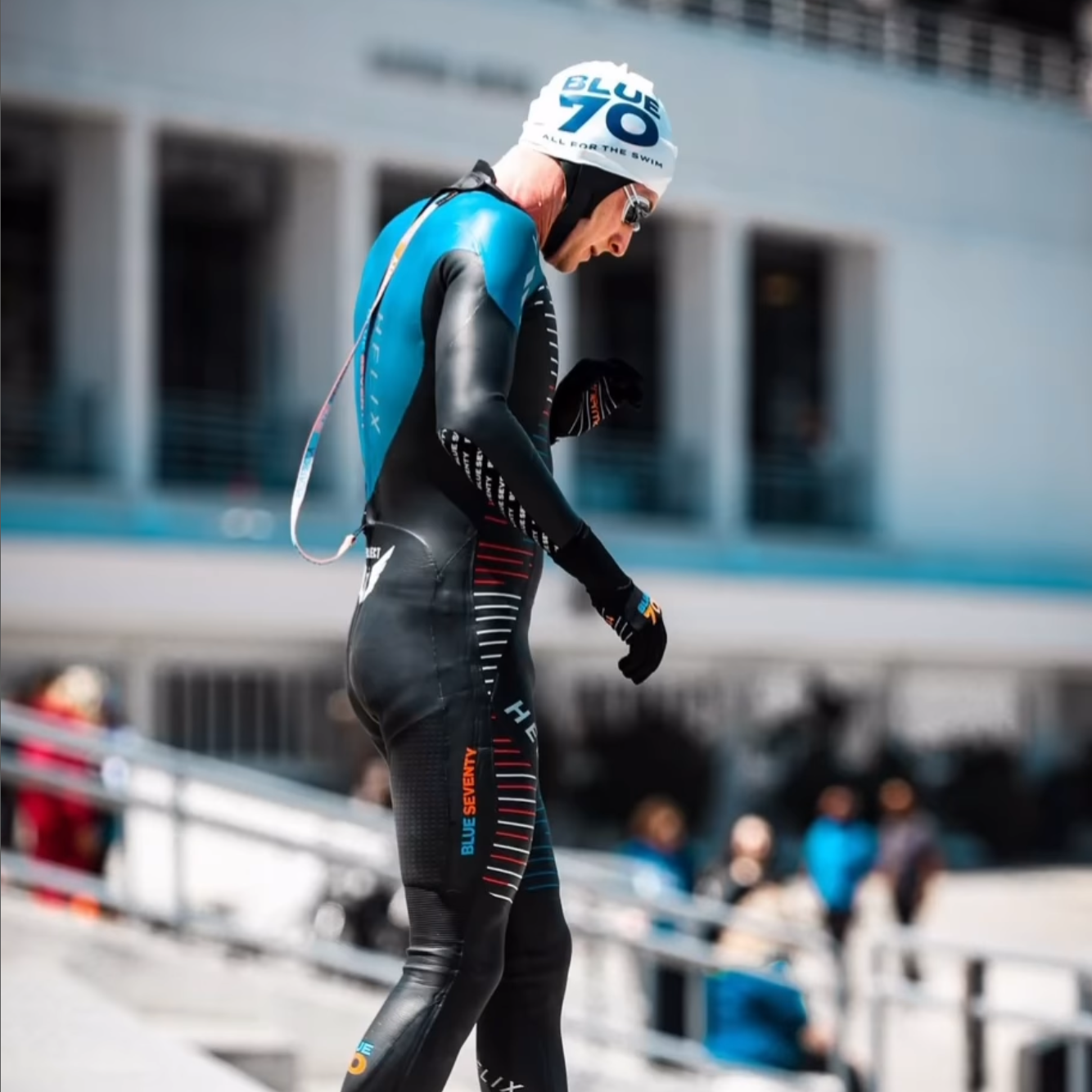
A used Helix is a different purchase. Its thin, flexible arms and shoulders give the range of motion racers want, but the suit will not tolerate heavy training use as long. Only buy a used Helix if you can inspect it in person and confirm the neoprene still has life. A used sleeveless suit has fewer panels and cuffs to inspect, which makes it easier to evaluate than a full suit.
For cold water, the Thermal Reaction has a Zirconium jersey lining that adds thermal protection. In a used thermal suit, run your hand across the lining and check that it is intact rather than matted or worn thin at the chest and back. Cold water still demands acclimatization and a safety plan.
When a new entry-level suit is the better call
If the seller's asking price is close to the price of a new blueseventy entry-level suit, buy new. The Sprint lists at $325 and the Glide Short John at $210. A new suit includes the original-owner warranty, unworn neoprene, and the Test Swim option. With the Test Swim policy, you can swim in a new wetsuit and still exchange or return it if it is clean, dry, unmodified, and has the tags and accessories. A used suit has none of those protections.
Also check the blueseventy Outlet for discounted prior-year models. Those are new suits, but outlet orders do not go through the standard exchange portal, so read the policy before you order.
If you buy used, do this after the first swim
Rinse the suit in cool fresh water inside and out after every swim. Salt, sand, and chlorine all break down neoprene. Dry it away from direct sun and heat. Fold it over a wide hanger or lay it flat. Hanging a wet suit by the shoulders can stretch the neoprene. Repair small punctures and seam tears with Aquaseal neoprene cement before they grow. Take the suit off with your fingertips, not your fingernails, to avoid the small crescent punctures that shorten a suit's life. If the suit has been in chlorine, give it an extra rinse. If the zipper catches, back it up and clear the fabric before pulling again.
Warranty reality when buying used
A used wetsuit sold by a private seller does not come with blueseventy's original-owner warranty. The warranty covers manufacturing and materials defects for the original owner, with repair as the remedy. It does not cover fingernail punctures, heel tears, zipper damage from force, heat or chlorine damage, or normal wear and tear. SwimRun use is covered only on the Alliance SwimRun. When you buy used, you accept the suit as it is.
A used suit can work if you treat it as an inspected purchase rather than a bargain based on a photo alone. Check the seams, neoprene, zipper, and cuffs. Compare the price against a new Sprint or Glide before you commit. If the math favors used, rinse it, dry it, and repair small tears early. If the math is close, buy new and use the Test Swim option to get the fit right.
Still unsure about fit? Find your size in 30 seconds with the blueseventy sizing tool, or take a Test Swim in a new suit before you decide.