


Most triathlon wetsuit zippers do not fail suddenly. They send warnings first. The pull cord frays. The slider hesitates halfway up. The teeth start to separate behind the pull. The tape lifts from the neoprene panel. On race morning, a swimmer sees one of these warnings and pulls harder. That pull converts a small slider repair into a full panel replacement.
A wetsuit zipper is a system. The pull cord, slider, chain, zipper stop, and the tape stitched into the neoprene all wear at different rates. Before you pay for panel work, inspect each piece in order from least expensive to most expensive.
Start With the Pull Cord
On a rear-zip suit, the long cord gives you the reach to close the back on your own. A frayed or knotted cord changes the pull angle. The slider jams, and continued force bends the side plates or rips the zipper stop through the chain. Replacing a cord or a pull tab costs less than panel work and takes a shop a few minutes, but if the cord snapped at the slider, check the chain before you put on a new cord. A knot in a frayed cord is not a repair. It shortens the cord and loads the slider unevenly every time you pull.
The Slider Should Move Straight
A slider bent by a sideways tug will not mesh the teeth even when the teeth look fine. The usual cause is an angled pull in transition. The suit is not seated across your shoulders, so you pull outward instead of straight up. The slider takes that side load. A wetsuit repair shop can confirm the slider size and set a new zipper stop. This is not a job for household pliers.
Teeth and Tape Point to a Full Panel
Missing teeth, a stop pulled through the chain, torn tape, or a panel separating from the suit all signal full replacement. If teeth are missing, the slider cannot mesh them under load. If the tape has lifted from the neoprene, adhesive alone rarely holds across the back during a swim stroke. A shop then opens the seam, removes the old zipper assembly, sets a new panel, and seals the needle holes, which is a sewing job for a shop that works with neoprene.
Home Repairs That Make the Problem Worse
Super glue on the teeth locks the zipper. It does not correct alignment, and it makes the eventual repair harder because the shop has to remove the glue before it can work. Cement along the zipper tape cannot hold the panel together under stretch. The tape needs stitching into the seam. Forcing a stuck zipper bends the slider and can pull the stop through the chain. For small nicks in the neoprene next to the panel, use Aquaseal neoprene cement from blueseventy. Aquaseal seals a cut. It does not reattach a separated zipper tape or replace missing teeth.
What the blueseventy Warranty Covers
Blueseventy wetsuits carry a one-year warranty for the original owner against manufacturing and material defects, with repair as the remedy. Technical race swimwear carries a six-week warranty. Zipper damage from force, heat, chlorine, ordinary wear and tear, and any non-swimming use is not covered. Before you pay for a repair, photograph the pull at rest, the teeth, and the seam around the panel. If the suit is less than a year old and the zipper separates after a normal pull on a well-fitting suit, email those photos to us@blueseventy.com. A zipper that fails because of a manufacturing defect and a zipper that rips during a rushed transition are different repairs.
Donning Habits That Extend Zipper Life
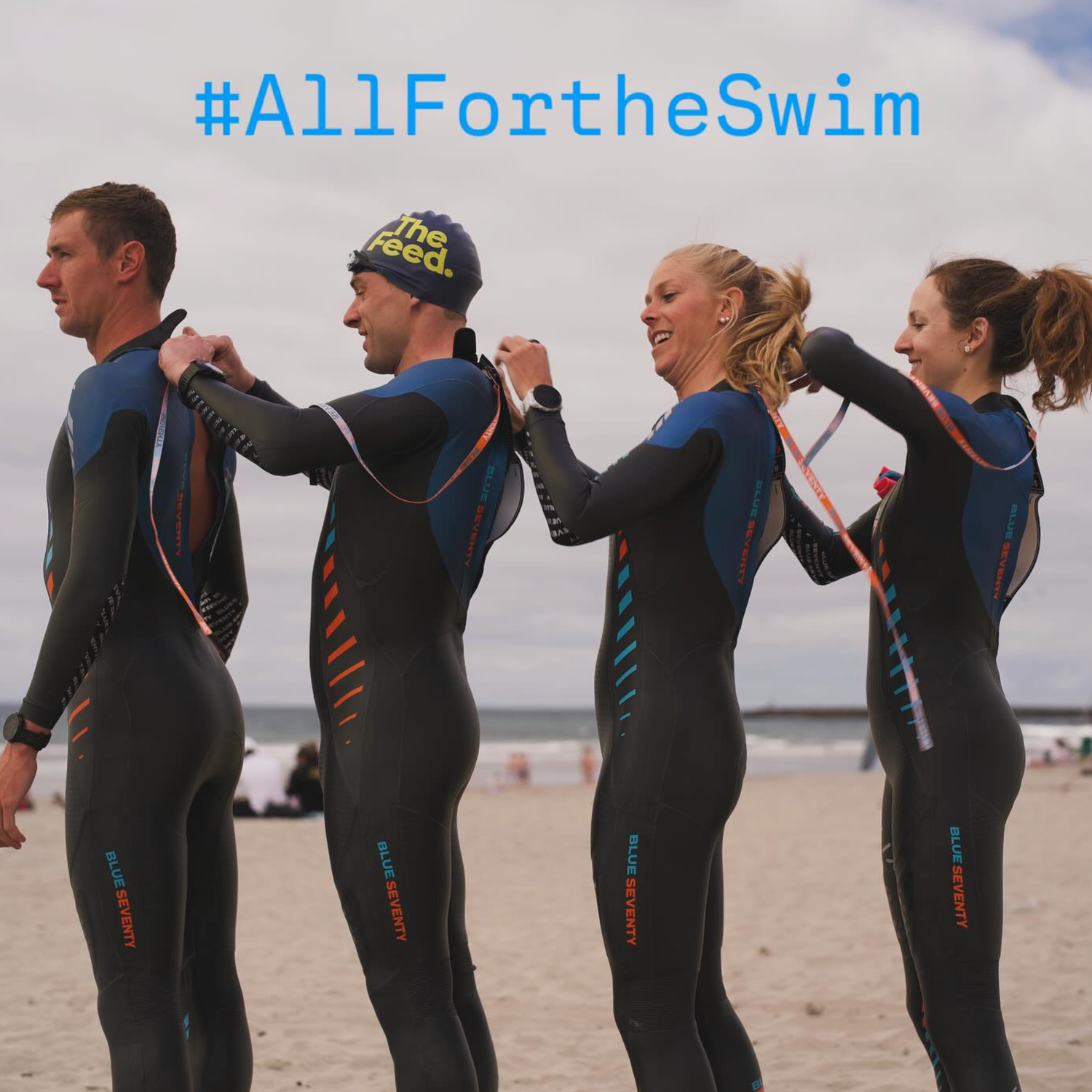
Most zipper damage is mechanical. It happens before the swim starts. A suit that sits too low on the hips or bunches at the waist forces you to pull the cord at an angle. The slider bends, and the first teeth above the stop can separate. Put the legs and torso fully into the suit before you zip. Work the shoulders into place. If you can, have someone seat the zipper at the small of your back. Close it with one steady pull, not a yank. Use a loop rather than a knot in the cord so cold hands can grip it and the force spreads evenly.
After the Shop Replaces the Panel
A new zipper panel needs the same routine as the rest of the suit. Rinse the chain and pull cord with fresh water after every pool, salt, or lake swim. Chlorine and salt weaken the fabric tape and corrode the metal. Dry the suit inside and out before you store it. Hang it at the waist or lay it flat. Keep it away from heat, direct sun, and a hot car trunk. Test the zipper before race day. If it does not close with steady pressure, stop. Forcing it never fixes alignment, and it puts you back in the same repair loop.
Inspect in This Order
Before you approve any repair, check the suit in this order:
- Pull cord and pull tab
- Slider and zipper stop
- Teeth and zipper tape
- Neoprene panel and seam
A full panel replacement has its place, but it is the last step. Most zipper trouble starts with the cord or the slider.
Fit matters here. Use the size charts and the fitting guide on blueseventy.com to check the suit before you blame the zipper. A zipper on a poorly fitted suit will fail again no matter how well it is repaired.