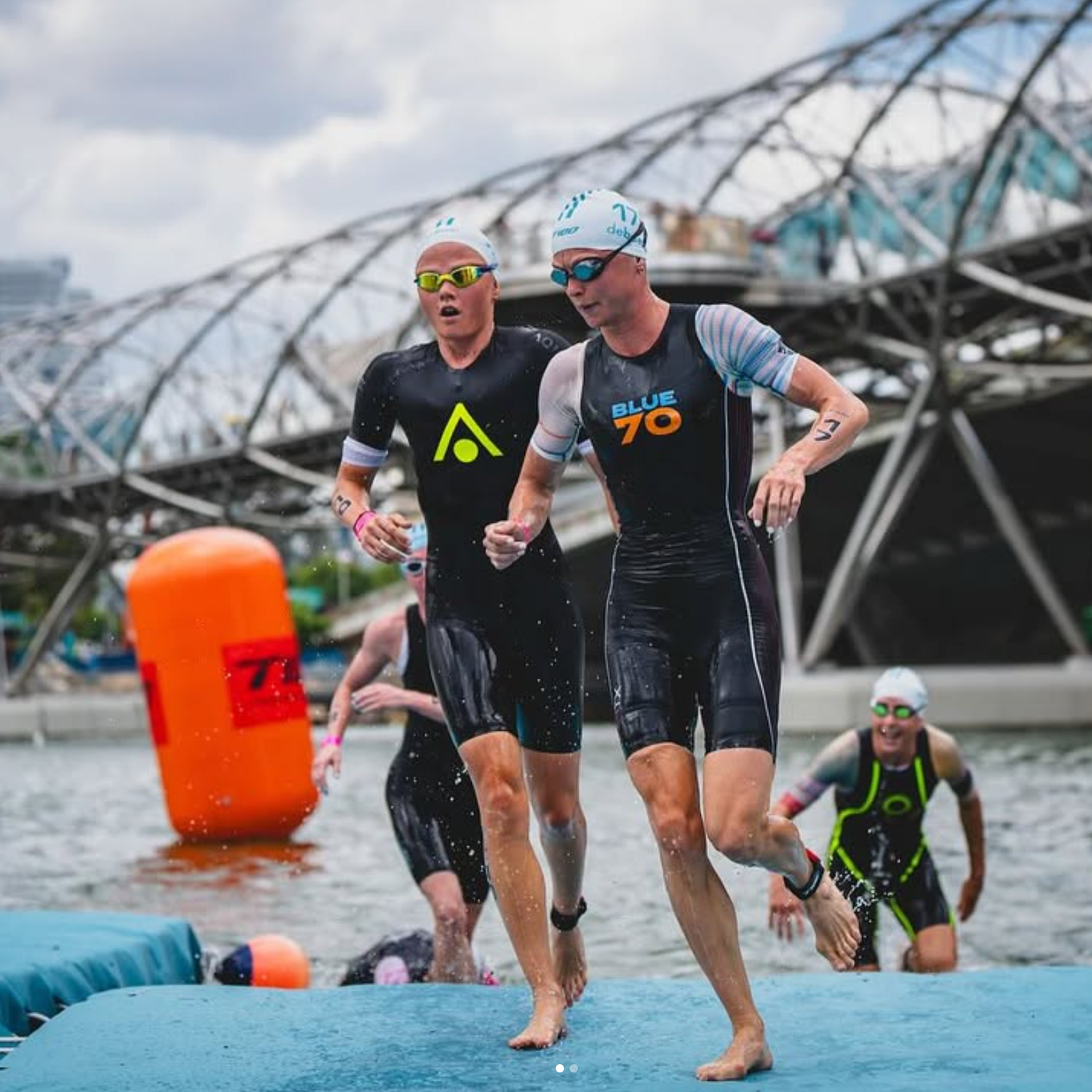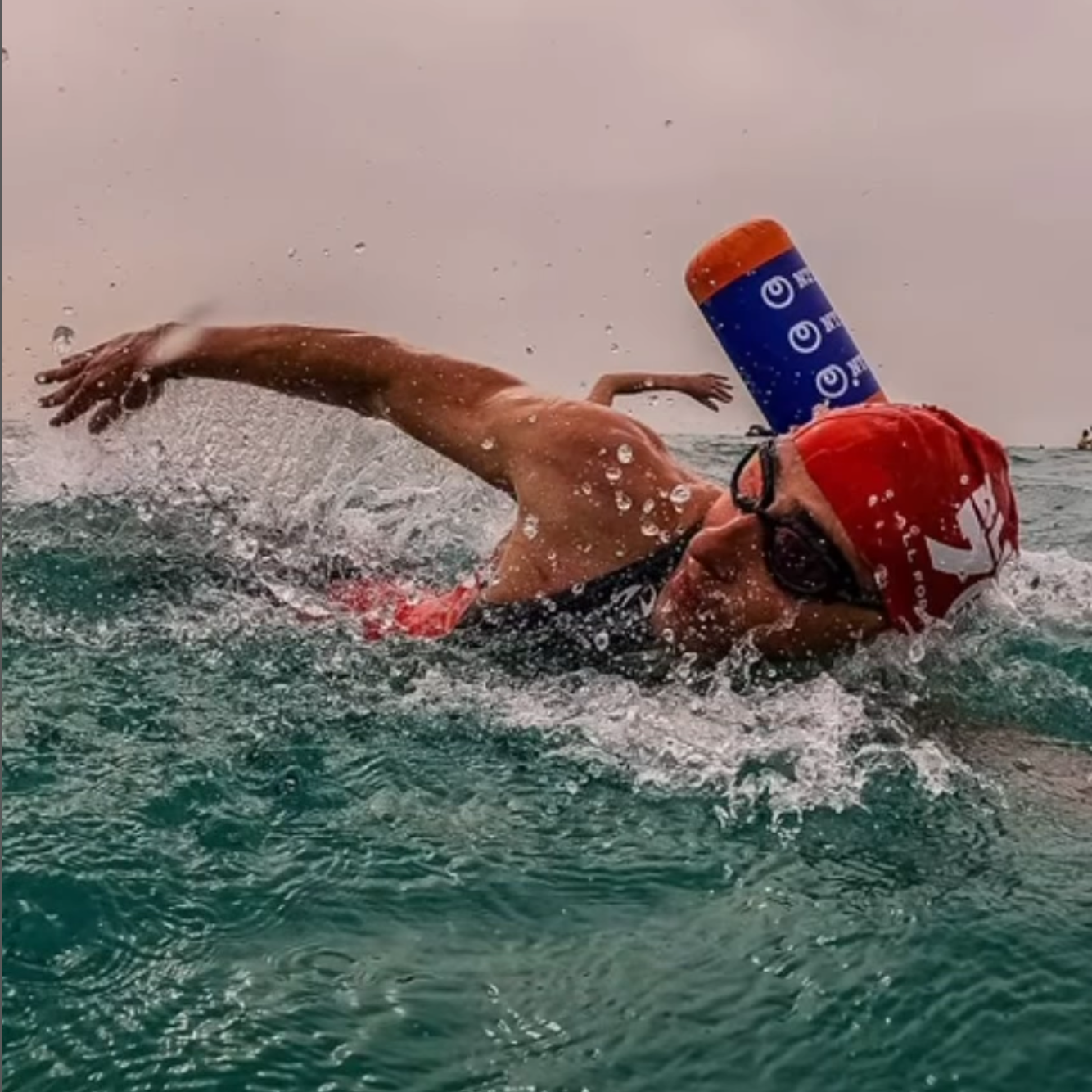



A rash guard under a wetsuit sounds like a minor choice. In the water, it rarely stays minor. That extra layer can change shoulder mobility, collar pressure, heat retention, and how quickly your suit comes off when the swim is over. Swimmers and triathletes usually frame the question around comfort. The better frame is function.
A swim-specific wetsuit is built to sit close to the body, support body position, and move with your stroke. Add fabric underneath and you change the way that system works. Sometimes that fixes a real issue. Sometimes it adds one. The smart move is to decide based on the problem you are trying to solve, not on habit.
Start with the reason, not the extra layer
Most athletes wear a rash guard under a wetsuit for one of a few clear reasons:
- neck or underarm chafing
- added comfort in cold water
- sensitivity to neoprene against the skin
- more coverage before or after the swim
- an easier clothing setup for training or racing
That list matters because each reason points to a different fix. If the problem is neck chafe, the answer may be better suit position, not more fabric. If the problem is cold water, the answer may be a suit designed for colder conditions, not a workaround underneath a standard suit. If the problem is skin sensitivity, then a thin layer may be the right call.
Too many athletes skip that first step. They assume a rash guard is harmless. It usually isn’t neutral.
The overlooked issue: what happens inside the wetsuit
Most performance talk around wetsuits focuses on buoyancy and the outer surface. Fair enough. Buoyancy matters because better body position reduces drag, and buoyancy still equals speed in the water. But the layer inside the wetsuit matters too.
A wetsuit has to do two jobs at the same time. It has to help your position in the water, and it has to preserve your stroke mechanics. If the underlayer changes how the wetsuit stretches across your chest or rotates through the shoulders, the cost shows up in fatigue, timing, and stroke length. You may not feel that during the first minute. You often feel it later, once the swim settles into rhythm.
That’s why this is less about raw hydrodynamics and more about mechanics. The issue usually is not that the hidden layer adds noticeable drag on the outside. The issue is that it changes pressure points and freedom of movement on the inside.
Why a rash guard often acts like a workaround
In plenty of cases, the extra top is covering up a fit problem. A wetsuit that sits too low through the hips can pull at the shoulders and lift into the neck. A suit that has not been donned properly can feel tight through the upper body even if the size is right. Add a rash guard underneath and the athlete may get a little skin protection, but the core problem stays in place.
That matters in any swim-specific design, and it matters even more in high-performance suits where shoulder freedom is part of the point. blueseventy wetsuits use Yamamoto neoprene in 38, 39, and 40 cell, with higher cell numbers bringing more flexibility. If a suit is built to move cleanly through the shoulders, an extra layer with seams, bunching, or collar bulk can work against that design.
Small interference adds up. One stroke does not tell you much. Fifteen minutes of steady swimming usually does.
When wearing a rash guard under a wetsuit makes sense
Repeated friction in one spot
If you get rubbing in the same place every swim, a thin and smooth underlayer can help. This is common around the neck or underarms. It works best when the issue is local and predictable, not when the whole suit is fighting your shape or setup.
Cold-water training in a standard wetsuit
blueseventy’s published guidance puts the meaningful cold-water threshold at about 56 to 58°F. Below that range, a purpose-built thermal suit becomes the better tool. The Thermal Reaction, for example, is fully lined with Zirconium jersey for added thermal protection in cold water.
If you already own a standard wetsuit and you are doing shorter swims in colder conditions, a very light underlayer can add a bit of comfort. It does not turn that suit into a thermal model. Water temperature, exposure time, conditions, and the individual still drive the decision.
Sensitivity to neoprene
Some swimmers simply prefer a fabric barrier between skin and suit. If that makes the swim more comfortable and helps you train consistently, it is a fair reason to wear one. The key is to keep the layer thin and close-fitting so it does not create new problems.
Training days with extra time out of the water
On long training days, a rash guard can make post-swim coverage easier once the wetsuit comes off. That is more relevant for training than for racing, where every extra layer needs a clear benefit.
When it usually causes more trouble than it solves
It can restrict the shoulders
This is the biggest downside. If the top binds at the shoulder seam, grips under the arm, or pulls across the chest when you rotate, you end up swimming against your clothing. That often shows up as a shorter stroke or earlier fatigue.
It can increase heat retention
Above about 70 to 72°F, a full wetsuit can feel too warm over longer swims. Add another torso layer and the heat load rises. That is one reason some swimmers move toward a sleeveless suit or a swimskin in warmer conditions, depending on the swim and the event rules [VERIFY: current sanctioning-body rule].
It can make the neck feel tighter
A second collar under the wetsuit collar can create exactly the kind of bulk that sensitive swimmers notice first. Instead of reducing irritation, it can increase pressure and rubbing, especially when you sight forward and extend through the neck.
It can complicate transition
Triathletes should care about this one. If the underlayer rolls or clings while you peel the wetsuit down, the swim exit gets messy. A clean T1 usually comes from a simple setup and a wetsuit that fits the way it should.
Rash guard or tri top: those are different choices
Many athletes asking this question are really deciding between swimming in a tri top under the wetsuit and adding a separate top just for the swim. Those are not the same decision.
A tri top often stays on for the whole race, so it earns its place if it fits close and does not interfere with the stroke. A separate rash guard only for the swim needs a stronger reason. If you are already racing in a tri top, adding another layer usually adds bulk without adding much value.
For open-water swim training, the cleanest setup is often no underlayer at all, assuming the wetsuit fits correctly and suits the water temperature.
Fix the real problem first
Before you decide that a rash guard is the answer, work through the direct fixes.
If your neck is chafing
- pull the wetsuit fully up through the legs and hips
- settle the torso before setting the shoulders
- check that the neckline sits where it should
- use an anti-chafe product on the contact point if needed
If your shoulders feel loaded
- re-don the suit and lift more material into the armpits and upper torso
- check your size against the chart
- match the model to your training frequency and swim distance
blueseventy’s own guidance is clear here. Frequent swimmers usually do better in the Reaction for longer swims or the Fusion for shorter frequent swims, rather than relying on a delicate race-day setup for heavy training use.
If you are cold
- match the suit to the water temperature
- move to a thermal option below about 56 to 58°F
- keep the session appropriate for the conditions and your acclimatization
How to test it before race day
Do not make this decision for the first time on the morning of an event. Test it in training.
- Swim once in your wetsuit only.
- Swim again in the same wetsuit with the exact top you plan to wear underneath.
- Keep the pace steady enough to notice shoulder fatigue and neck pressure.
- After the swim, remove the suit quickly and pay attention to whether the extra layer catches or rolls.
Focus on a short list of useful signals:
- neck pressure in the first few minutes
- shoulder fatigue after sustained swimming
- rubbing under the arms
- breathing comfort when sighting
- ease of wetsuit removal after the swim
Those details tell you far more than standing in the parking lot and guessing.
If you wear one, keep it minimal
If a rash guard solves a real problem, use the least intrusive version possible. The goal is to reduce irritation without changing the way the wetsuit performs.
- choose a close fit
- look for smooth fabric
- keep seams low-profile
- avoid a thick collar
- avoid loose sleeves
- avoid bunching at the waist
Anything bulky, loose, or heavily seamed can turn a simple comfort fix into a stroke problem.
The practical Blue70 answer
At blueseventy, the starting point is always the swim. A wetsuit should improve body position, preserve feel for the water, and give you freedom from restriction. If an underlayer supports those goals for your body and your conditions, it can make sense. If it tightens the shoulders, traps heat, or complicates T1, it is getting in the way.
Most swimmers do better when they simplify the setup, get the fit right, and test the system before race day. That approach solves more problems than adding fabric and hoping for the best.
If you want to dial in your setup, start with sizing and donning. A proper fit guide can save a lot of guesswork. Take a look at the blueseventy fit guide, check the size charts, or Take a Test Swim before your next open-water session.