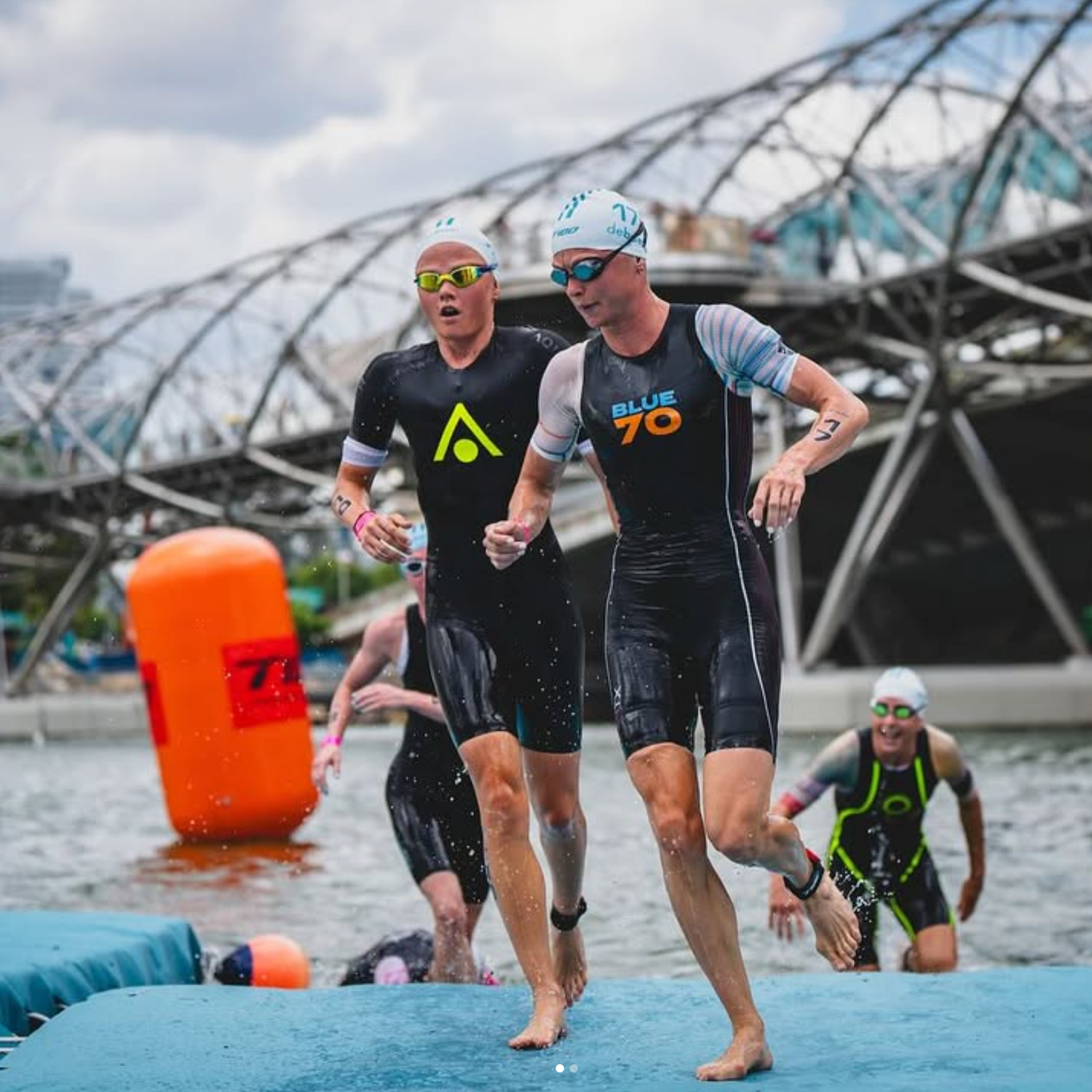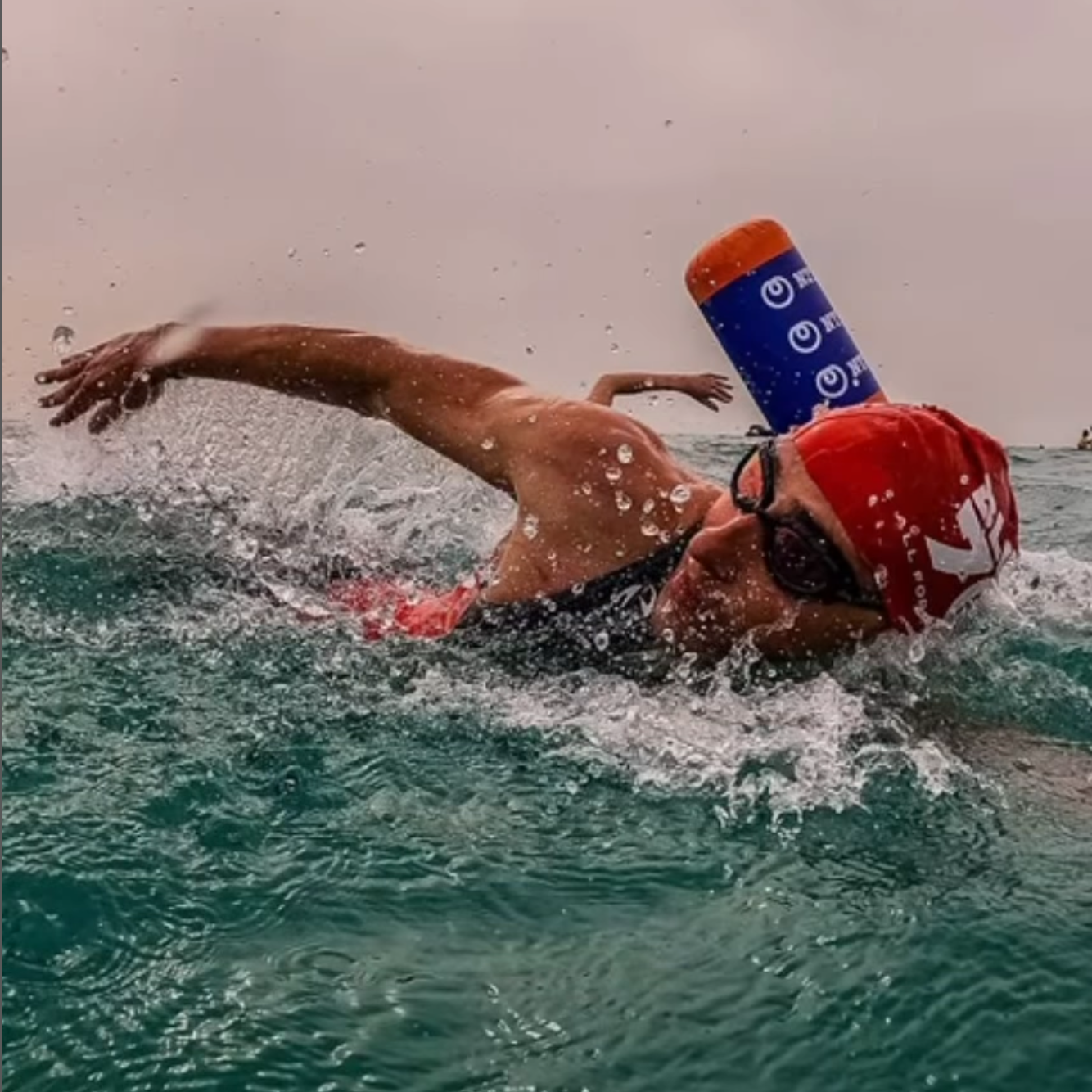



Most athletes hear quick release and think about one thing: getting a wetsuit off fast in T1. That is only part of the story. A clean wetsuit exit usually starts much earlier, during the swim itself, with fit, shoulder freedom, neckline comfort, and how well the suit stays positioned once you are moving through open water.
That is the useful way to think about quick release. It is not one trick feature. It is the end result of good wetsuit design, correct setup, and a race-day process you can repeat when your heart rate is high and your hands are cold.
In triathlon, small mistakes stack up fast. A suit that shifts at the shoulders, feels low through the torso, or bunches near the ankles can cost you more than a few awkward seconds at the bike rack. It can change how you swim, how you run out of the water, and how composed you feel in the first minute of transition.
Quick release is a system, not a single feature
A wetsuit comes off quickly when several parts of the design work together. Athletes sometimes focus on the zipper alone, but the zipper is only one piece of the process. Shoulder flexibility, ankle openings, panel placement, and overall fit all affect how easily the suit peels away once the swim is over.
A swim-specific wetsuit should support movement in the water first. If it does that job well, removal usually gets easier. If it fights your stroke or sits in the wrong place through the hips and upper body, T1 often becomes the moment when those problems show up all at once.
- Flexible shoulders and arms reduce restriction during the swim and lower upper-body tension at the exit.
- A well-shaped neckline can improve comfort and make the unzip simpler once you are running to transition.
- Clean lower-leg patterning helps the suit peel off without catching at the ankles and heels.
- Proper torso fit keeps the suit stable in the water so it does not bunch where you least want it.
Why modern wetsuit design changed the T1 conversation
Earlier triathlon wetsuit thinking centered on buoyancy, and for good reason. Better body position in the water usually means better swimming economy, especially for newer swimmers. blueseventy has long put this in plain terms: buoyancy equals speed in the water.
Over time, athletes needed more from a race suit than buoyancy alone. They wanted freedom through the shoulders, a better feel for the water, less fatigue through the swim, and a suit that did not become a problem the second they stood up and headed for transition.
That shift pushed wetsuit design toward a more complete performance picture. Material choice, panel layout, neckline shape, and lower-leg construction all started carrying more weight because they affected both swim quality and transition quality.
You can see that approach across the blueseventy range. The Helix is built for race-day performance, with thin, highly flexible neoprene in the arms and shoulders, a permeable catch panel to preserve feel for the water, and LIFT buoyancy panels added in 2018. Those features matter during the swim, but they also influence how the suit behaves when it is time to remove it.
The Fusion offers another good example. Its 2021 redesign added a lower-sitting neckline for comfort without losing the watertight seal. That is a swim feature, but it also matters in transition. A suit that sits correctly at the neck and shoulders is usually easier to unzip and peel because it stayed where it was supposed to stay in the water.
Fit is the first quick-release feature
The biggest mistake athletes make with wetsuit removal often happens before the race even starts. They put the suit on in a rush, leave material low through the legs and hips, and then assume the shoulder tightness or awkward exit is part of the package. Usually it is not.
A wetsuit should feel snug on land. In the water, it should settle and feel more natural. A suit that is too loose tends to shift and bunch. A suit that is not fully seated tends to feel restrictive where it should feel mobile. Neither one helps you in T1.
Shoulders
If the suit is not pulled high enough through the legs and hips, the shoulders will feel tighter than they should. Many athletes blame the upper body when the real problem started at the calves and hips.
Neckline
The collar should sit close and flat without feeling like it is cutting into the throat. If the neckline twists, rides up, or distracts you during the swim, it often becomes harder to deal with on the move.
Wrists and ankles
These are easy to overlook and easy to get wrong. If neoprene gathers above the wrists or ankles, that extra material tends to catch when you start removing the suit. This is where exits get clumsy.
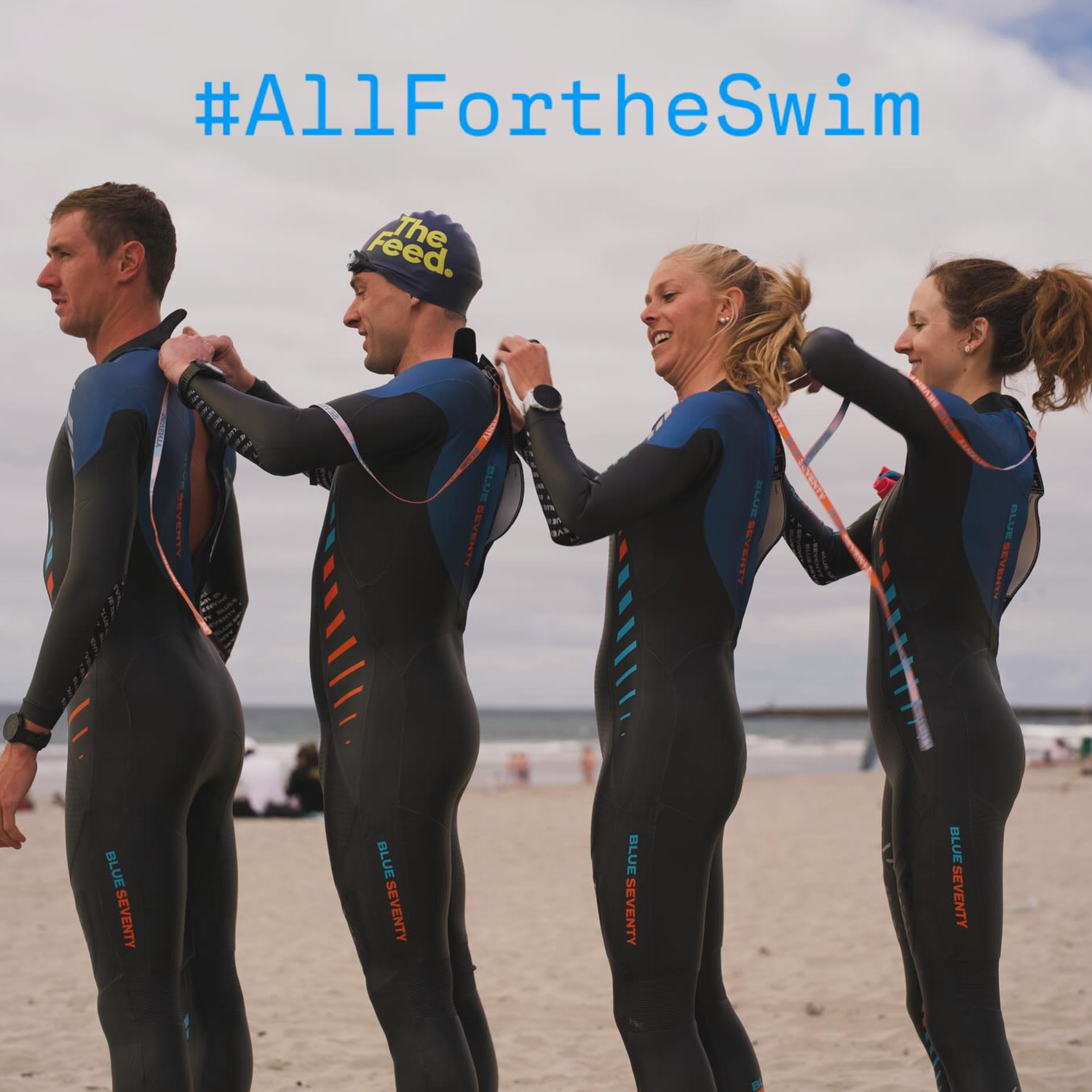
Torso and hips
The torso has to be lifted fully into place. If the suit sits low through the hips, the upper half loses range and the lower half becomes harder to peel cleanly.
Women-specific fit
For many women, patterning changes everything. blueseventy’s Femme Fit refines key fit zones including the bust, torso, wrists, and ankles. It also uses a lowered neckline for comfort and reduced chafing, plus an extended zipper length for easier entry and faster transitions. Those are practical fit decisions with real race-day value.
How hydrodynamics affect wetsuit removal
A quick-release wetsuit is also a hydrodynamics topic. Wetsuits are not waterproof, and they are not supposed to keep you dry. A swim-specific wetsuit allows a thin layer of water in, and your body warms that layer to provide insulation. The goal is a stable, controlled fit in the water.
When the suit fits correctly and seals well, it tends to stay stable through the swim. Less shifting means less bunching through the shoulders, lower back, and knees. That stability often shows up again when you unzip and peel the suit down.
Material choice plays a role here. blueseventy uses Yamamoto neoprene in 38, 39, and 40 cell constructions, with higher cell numbers corresponding to greater flexibility. That flexibility matters because a suit that moves with your stroke usually causes less cumulative tension by the time you reach shore.
A smoother exit reduces more than transition time
Most athletes think first about seconds saved in T1. That matters, but the bigger benefit is often a calmer, cleaner transition. When removal is predictable, you spend less energy solving problems at exactly the moment when your breathing is still elevated from the swim.
A messy wetsuit exit usually comes with a familiar chain of errors: missed zipper pull, snagged watch, bunched sleeve, stuck heel, loss of balance, rising frustration. A smooth exit lowers the chance of that cascade.
- Less cognitive load: you have fewer things to manage at once.
- Better posture out of the water: a well-fitted suit often leaves you less hunched and more comfortable on the run to transition.
- Less wasted energy: you can start the bike with fewer unnecessary spikes in breathing and effort.
No wetsuit guarantees faster splits. Good design can improve body position, reduce drag, and support a cleaner transition. The athlete still has to execute.
The contrarian point: a calmer removal is often a faster one
Many athletes try to attack the wetsuit the second they stand up. That aggressive approach often creates more problems than it solves. A rushed unzip, a missed grab on the pull cord, or a wild attempt to stomp free of the ankles can turn a decent transition into a sloppy one.
The best wetsuit exits usually look controlled. The athlete is still moving with purpose, but the sequence stays clean.
- Clear cap and goggles smoothly.
- Open the suit cleanly.
- Peel it to the waist while moving toward your spot.
- Push it below the hips with both hands.
- Step out one leg at a time without rushing the final motion.
A quick-release wetsuit rewards this kind of order. It does not fix panic.
How to practice quick release in training
You do not need to turn every session into a transition workout. You do need enough repetition that removal feels normal, not improvised.
Open-water exit reps
In a safe, supervised setting, swim a few minutes at race effort, exit the water, unzip, peel the suit to the waist, and jog briefly. Repeat. This teaches you how the first phase of T1 feels when you are still breathing hard.
Post-swim removal practice
After a wetsuit swim, practice taking the suit off while it is still wet. Focus on smooth hand placement and clean heel clearance rather than force.
Donning practice
Many exit problems begin when athletes put the wetsuit on badly. Practice the setup in the right order:
- Seat the legs.
- Lift the hips fully into place.
- Raise the torso.
- Set the shoulders and sleeves.
This is not glamorous. It works.
Cold-hand rehearsal
If you race in cold water, practice opening the suit after a hard swim. Cold fingers change how easy it is to handle the zipper and start the peel.
Choosing the right blueseventy suit for easier race-day removal
Different race goals call for different trade-offs.
The Helix is built for total race-day performance. Its thin, highly flexible neoprene through the arms and shoulders, permeable catch panel, and LIFT buoyancy panels support a fast, natural feel in the water. blueseventy is also direct about the trade-off: the delicate neoprene is not ideal for heavy training use.
The Reaction suits athletes who train often and still want strong race performance. blueseventy recommends it for frequent, longer swims, making it a smart choice for committed age-groupers who want durability and performance in the same suit.
The Fusion remains popular because it delivers a strong balance of comfort, fit, and value. The lower-sitting neckline from the 2021 redesign helps with comfort and can also contribute to a more predictable exit.
The Reaction Sleeveless is worth considering for warmer water or for athletes who prefer less material around the shoulders. Above about 70 to 72°F, a full suit can become too warm over longer swims, and a sleeveless design or swimskin often makes more sense.
For cold-water swimming, the Thermal Reaction is designed for that purpose and is fully lined with Zirconium jersey for added thermal protection. Below about 56 to 58°F, a purpose-built thermal suit adds meaningful warmth, though thermal comfort always depends on the swimmer, conditions, and time in the water.
Five race-morning checks for a cleaner T1
Most wetsuit-exit problems can be reduced before the start. A short pre-race routine helps.
- Pull the suit high from the calves first. Low legs create upper-body problems.
- Lift the hips fully into place. Do not leave extra space through the crotch and lower torso.
- Free the shoulders. Work material upward so your stroke is not fighting the suit.
- Check the zipper pull. Know where it sits and how you will grab it.
- Rehearse the sequence. Cap off, goggles off, unzip, peel, run, step out.
Why quick release is really about swim-specific performance
The phrase quick release sounds like a transition-only feature, but the best explanation is broader than that. A wetsuit that comes off cleanly usually did several jobs well before T1 ever started. It supported body position, preserved range of motion, stayed stable in the water, and reduced unnecessary fatigue.
That is why the best way to improve your wetsuit exit is to think beyond transition itself. Choose a swim-specific suit. Get the fit right. Practice putting it on properly. Rehearse removal when your heart rate is elevated, not only when you are standing fresh in a parking lot.
If you want to test that in real conditions, take a look at blueseventy’s Take a Test Swim program. You can swim in your wetsuit and still return or exchange it, provided it comes back clean, dry, unmodified, and includes tags and accessories. That is one of the best ways to learn how a suit feels in the water and how it performs when the swim is over.