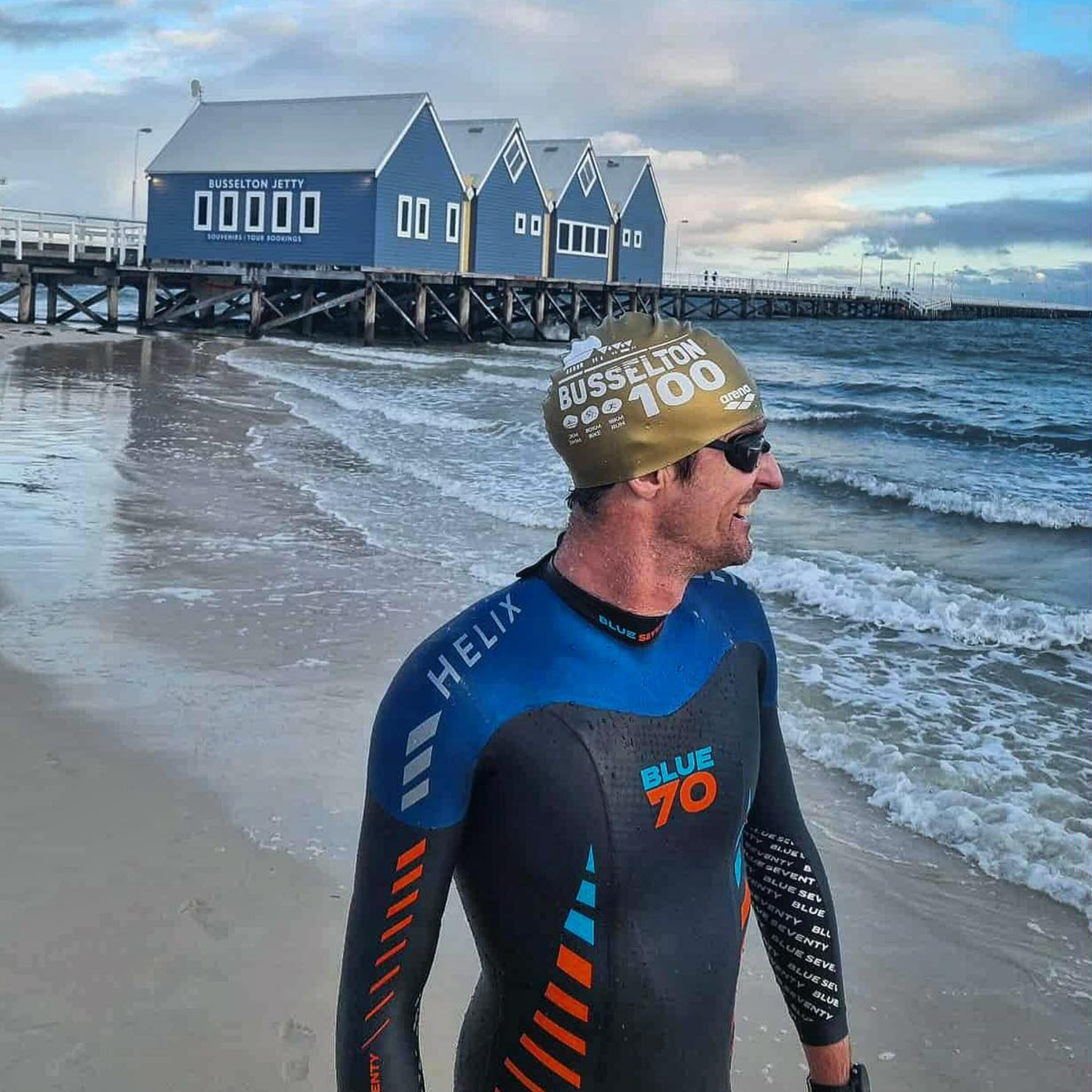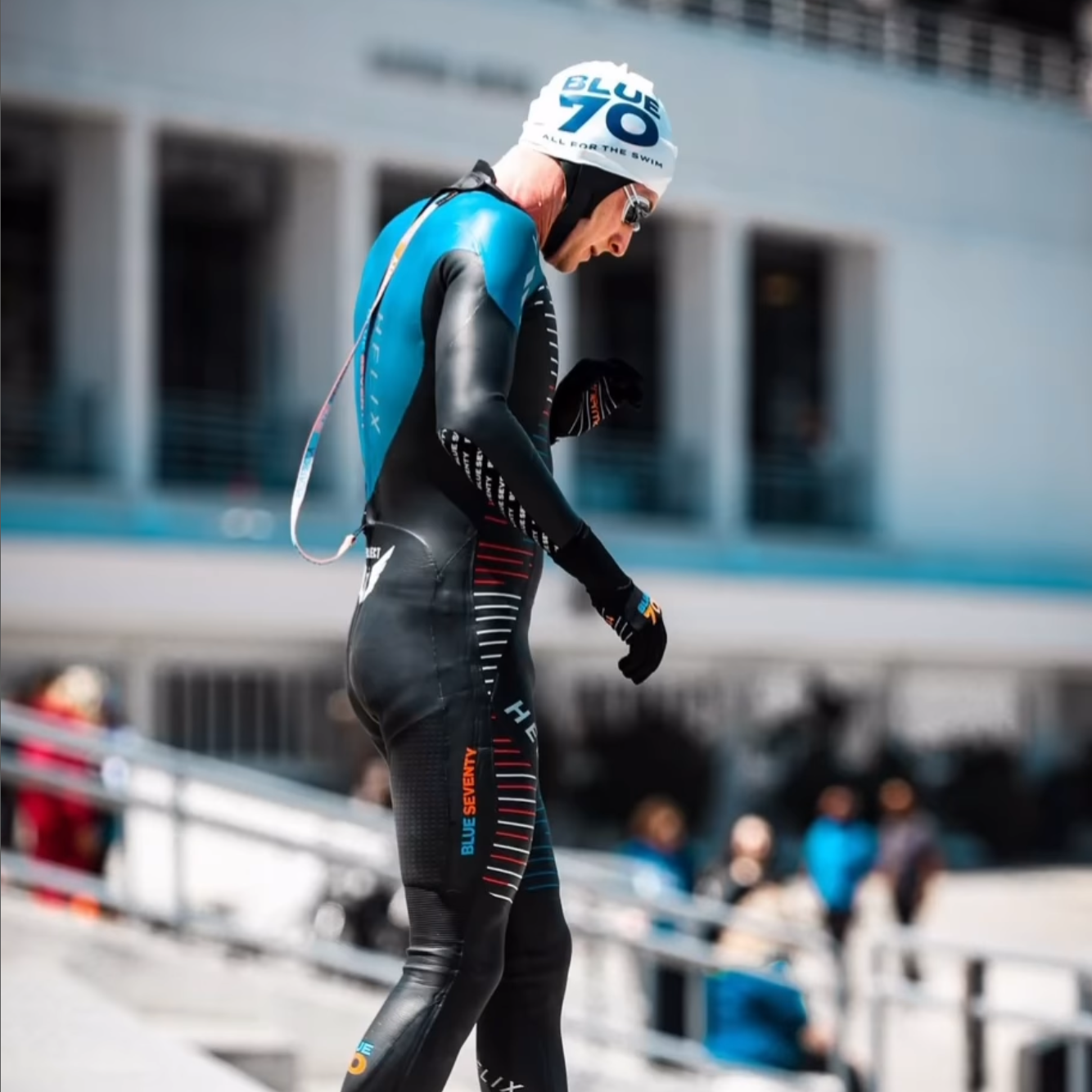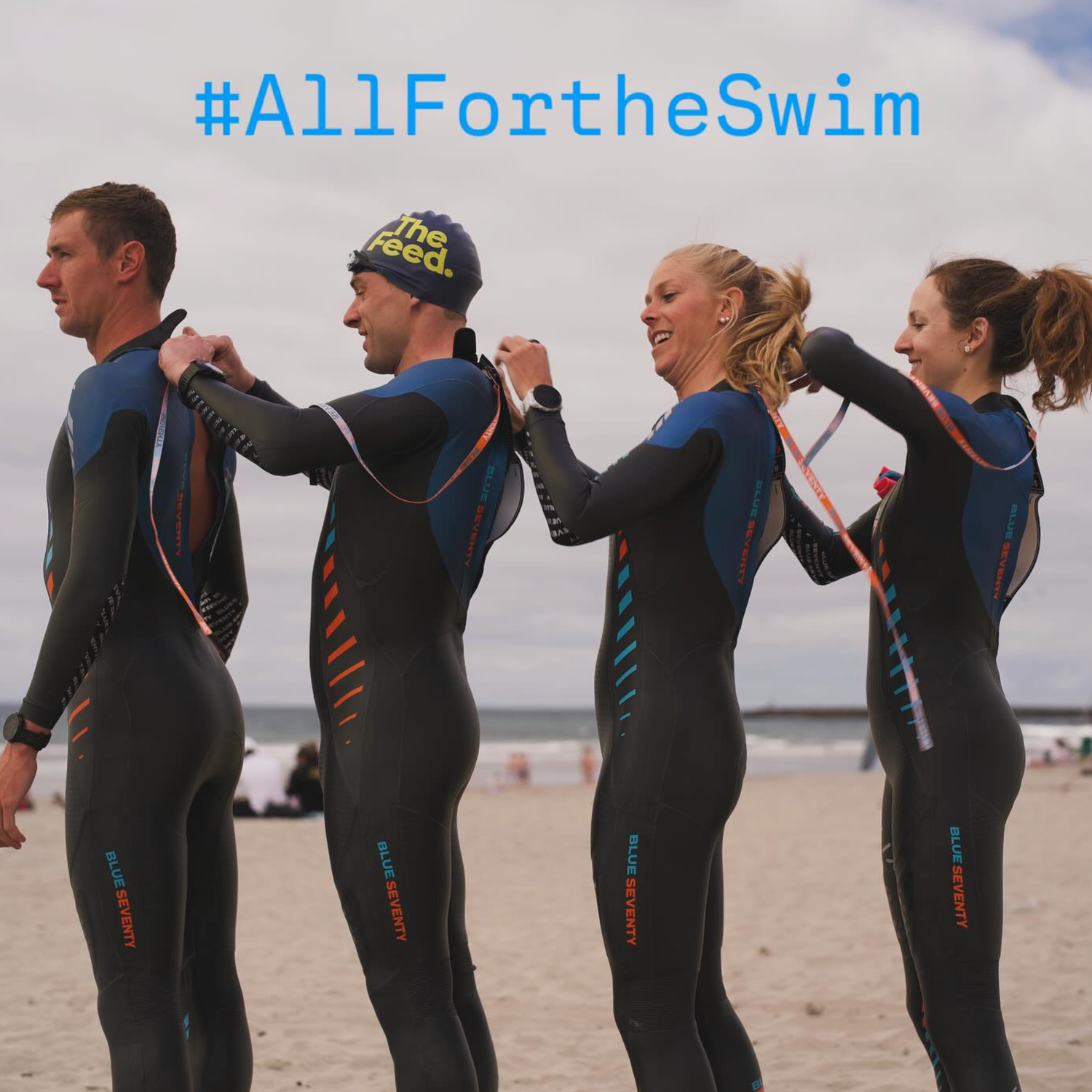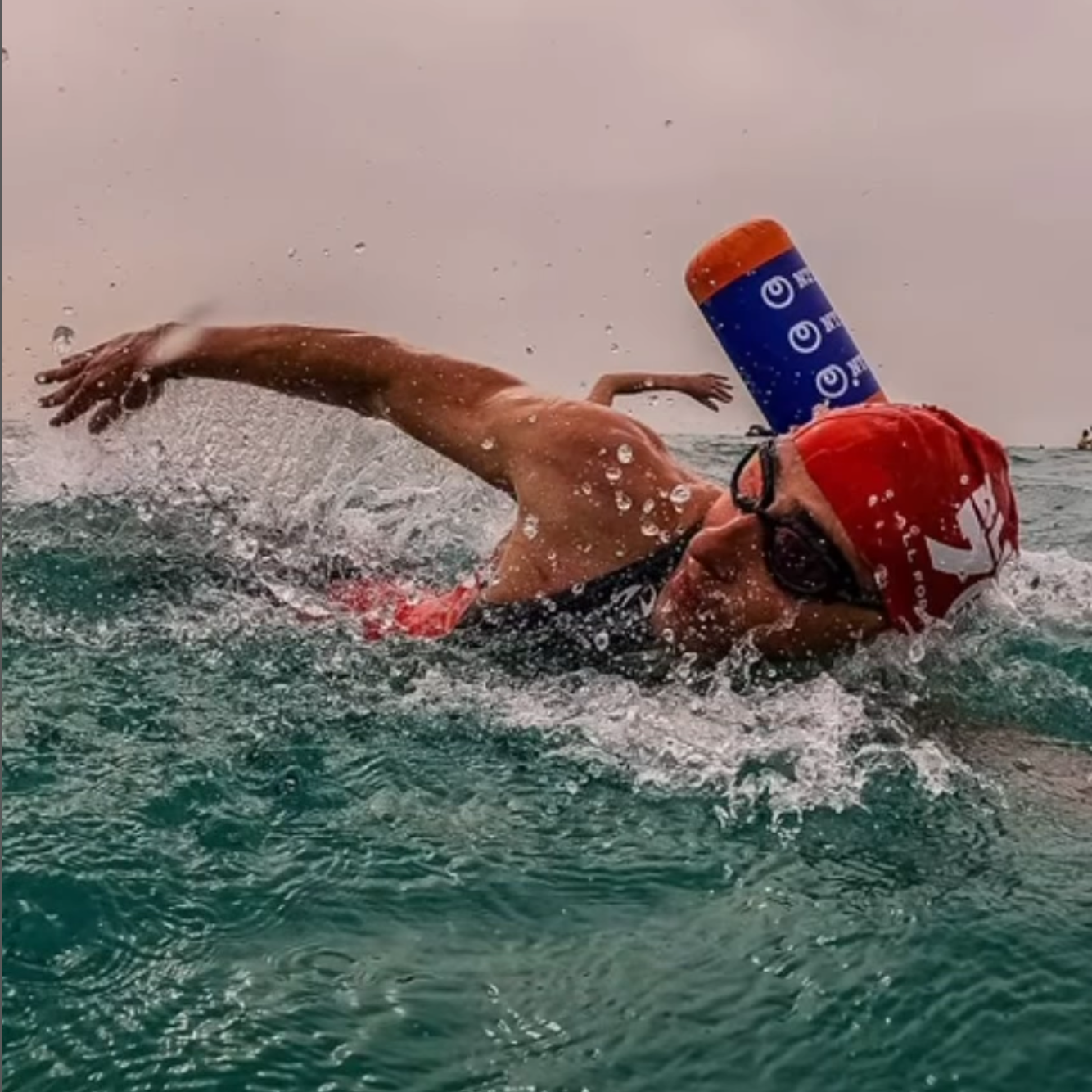



I talk to swimmers every week who are eyeing their first triathlon wetsuit. The sticker price on a top-tier race suit like the Helix sits at $995, and I completely understand the flinch. A used suit seems like the obvious fix-half the price, same high-end neoprene, maybe just a few races on it. And I won't say a used suit is always a bad idea. But most swimmers don't realize how much a wetsuit actually changes after a season in the water, or where to find a suit that's genuinely been cared for. There's a smarter way through this, and it starts with knowing exactly what you're touching when you hold a secondhand suit.
So let's get real about what opens up after hours in open water, how to spot the suits that are still worth your money, and the one place where you can land a discount without losing your nerve.
Why a used wetsuit catches the eye
The math is simple. A nearly new Helix for a few hundred bucks can turn a “maybe next year” into a start line this summer. There's also a quiet sustainability appetite among triathletes: extending a suit's life means keeping high-grade Yamamoto neoprene out of the trash and in the lake where it belongs. And for the committed age-grouper who trains weekly in open water, a durable pre-owned suit like the Reaction can be hammered as a training suit, so their pristine race-day suit stays untouched.
The catch? That whole plan hinges on the assumption that the used suit still behaves like it did out of the box. A wetsuit that's been worn weekly without a proper rinse, stuffed in a transition bag still damp, or yanked off by the ankles time after time is a very different piece of equipment from the one that originally shipped.
What a season of real swimming does to your suit
Every blueseventy wetsuit is built on Yamamoto neoprene-38, 39, and 40-cell formulations. Higher cell counts mean more trapped air, which means more flexibility and more buoyancy. But those thin, hyper-supple panels, especially in the Helix's arms and shoulders, are deliberately delicate. The brand itself tells you the Helix “will break down more quickly” with frequent use. Over a hundred entries, exits, and chlorine-rinse cycles, the micro air bubbles inside the neoprene start compressing permanently. When that happens, you lose flotation-and because buoyancy equals speed, a suit that once lifted your hips now lets them sink just enough to increase drag.
And it's not just flotation. The permeable catch panel on the forearm of the Helix and Thermal Reaction is there to preserve your feel for the water. Sunscreen, body oils, and minerals from lake swims coat the surface, clogging it until the water can't move through. The Zirconium jersey lining inside the Thermal Reaction-that fuzzy synthetic wool that adds real warmth for cold-water swimming-flattens and mats after repeated saltwater exposure if you've been slack about rinsing. Seams that were once blind-stitched and bonded start to pull apart microscopically around the ankles and lower back, and those tiny gaps widen into leak points. The zipper, too: sand and salt grit work into the teeth and the slider, and suddenly that smooth one-handed pull becomes a wrestling match.
How to read a used wetsuit like a coach
If you're standing there with a suit in your hands, you need to trust your fingers and your nose more than the seller's confidence. Here's what I'd do:
- Pinch the neoprene. Grab the shoulder, the forearm panel, the lower back. It should bounce back instantly, like a fresh sponge. If it feels flat, papery, or holds the pinch for a second, the buoyancy is gone. That suit is done.
- Flip it inside out and scan the seams. Look at every joint under good light-under the arms, along the crotch, the zipper base. A hairline separation isn't always fixable in a way that keeps the flexibility your stroke needs. If you see daylight, put it down.
- Check the neck seal. On the Fusion and our women's Femme Fit suits, the neck sits lower for comfort. But the seal needs to be pliable, not cracked into little rubbery flakes from fingernails. A leaking neckline ruins the thin insulating water layer a wetsuit relies on.
- Smell it. Really. A musty or sour chemical odor means the suit was stored wet or never thoroughly rinsed. Mold eats into adhesives and weakens the neoprene permanently. That's not a cosmetic issue.
- Find the two classic damage spots. Fingernail punctures-those little crescent-shaped nicks from grabbing the suit with your fingertips instead of your finger pads-are the number-one way swimmers ruin a suit before they even get it on. And heel tears from yanking the leg off without pulling the ankle cuff inside out happen to the best of us. One small nick you can repair with Aquaseal neoprene cement. A half-dozen of them, or a stretched, gaping heel tear, and the suit is one quick T1 away from failure.
Remember: blueseventy's 1-year warranty covers manufacturing defects for the original owner only. A used suit carries zero coverage. That hidden seam delamination or collar split becomes your problem, not ours.
The smarter shortcut: the blueseventy Outlet
Now, there's a middle ground between full retail and gambling on a stranger's word, and it's something a lot of swimmers overlook: our own Outlet. These aren't beat-up club suits. They're prior-year models-2022 through 2024 Helix, Reaction, Sprint, Glide, and more-that we sell at genuine discounts. Some are marked “Exchange Only” because a customer ordered them, took advantage of our Test Swim policy (yes, you can swim in a new suit and still return it if it's clean, dry, and unmodified), and sent them back. We inspect, clean, and restock them.
That means you're getting a suit that was worn exactly once in the water by someone who realized they needed a different size-not a suit that's spent six months festering in a damp garage with three half-dried lake swims to its name. If you're a first-timer who really wants the race-day feel of a Helix but can't stomach $995, an Outlet Helix in your size gets you that near-new buoyancy and shoulder freedom you've been reading about. If you swim three times a week and want a durable suit that can absorb mileage, an Outlet Reaction is ready to be your daily driver. And because even Exchange Only suits are eligible for a Test Swim, you can take it to your local lake and feel exactly how it fits before deciding. That's confidence a private sale can't touch.
The straight answer
A used triathlon wetsuit isn't a dumb buy if you go in with open eyes, careful hands, and a good nose. Find a Fusion or Reaction from a meticulous swimmer who rinsed after every session, and you might snag a bargain that handles short and mid-distance open-water work for a full season. But if you're looking for every possible performance edge or you simply don't want to bet on invisible fatigue, the Outlet is the path that preserves your budget and your peace of mind. You're still saving. You're still keeping a suit in the water. And you're cutting out the guesswork about what's hiding inside that sleeve.
All for the swim-and your swim deserves gear you can trust from your very first stroke. Take a long look at what's waiting in our Outlet store.