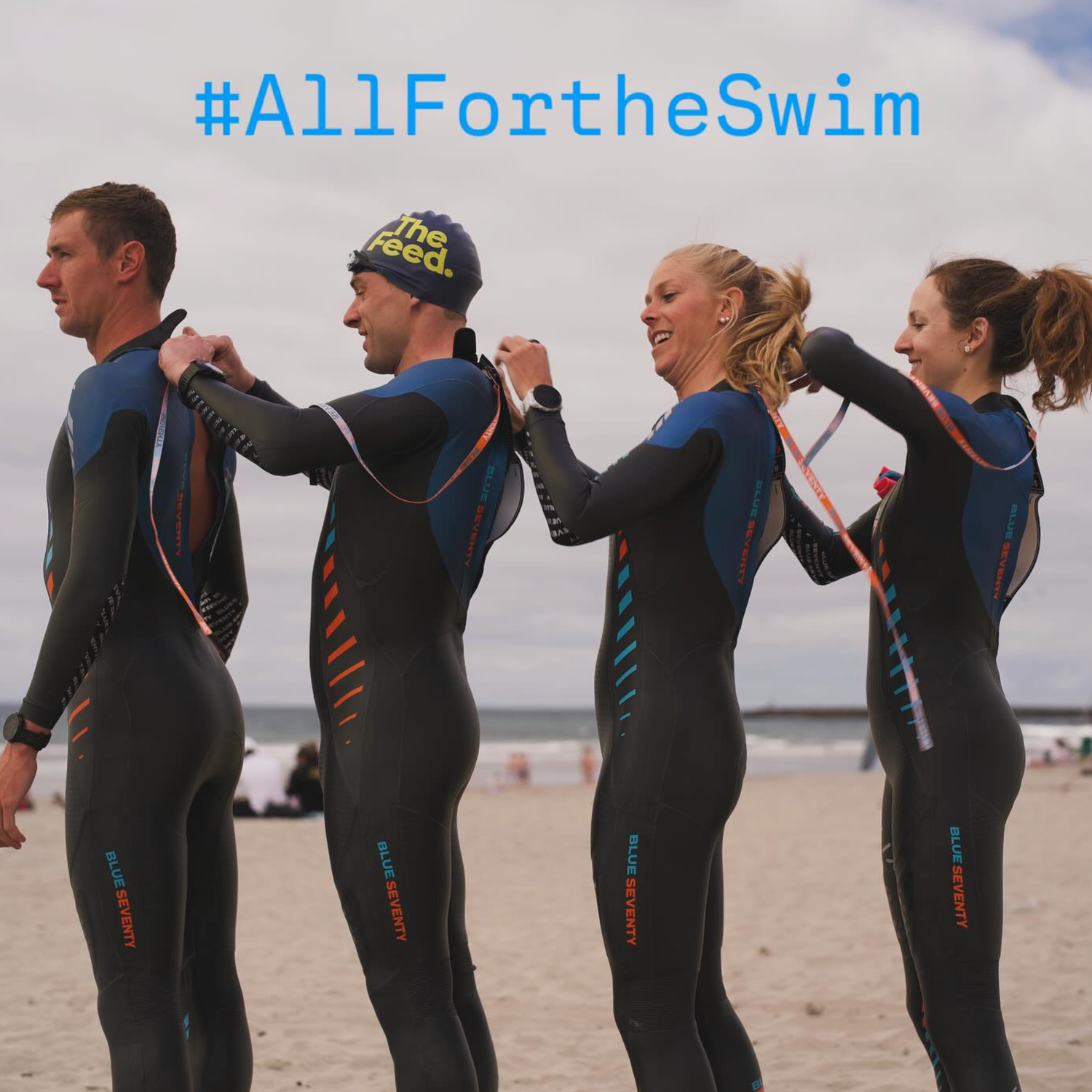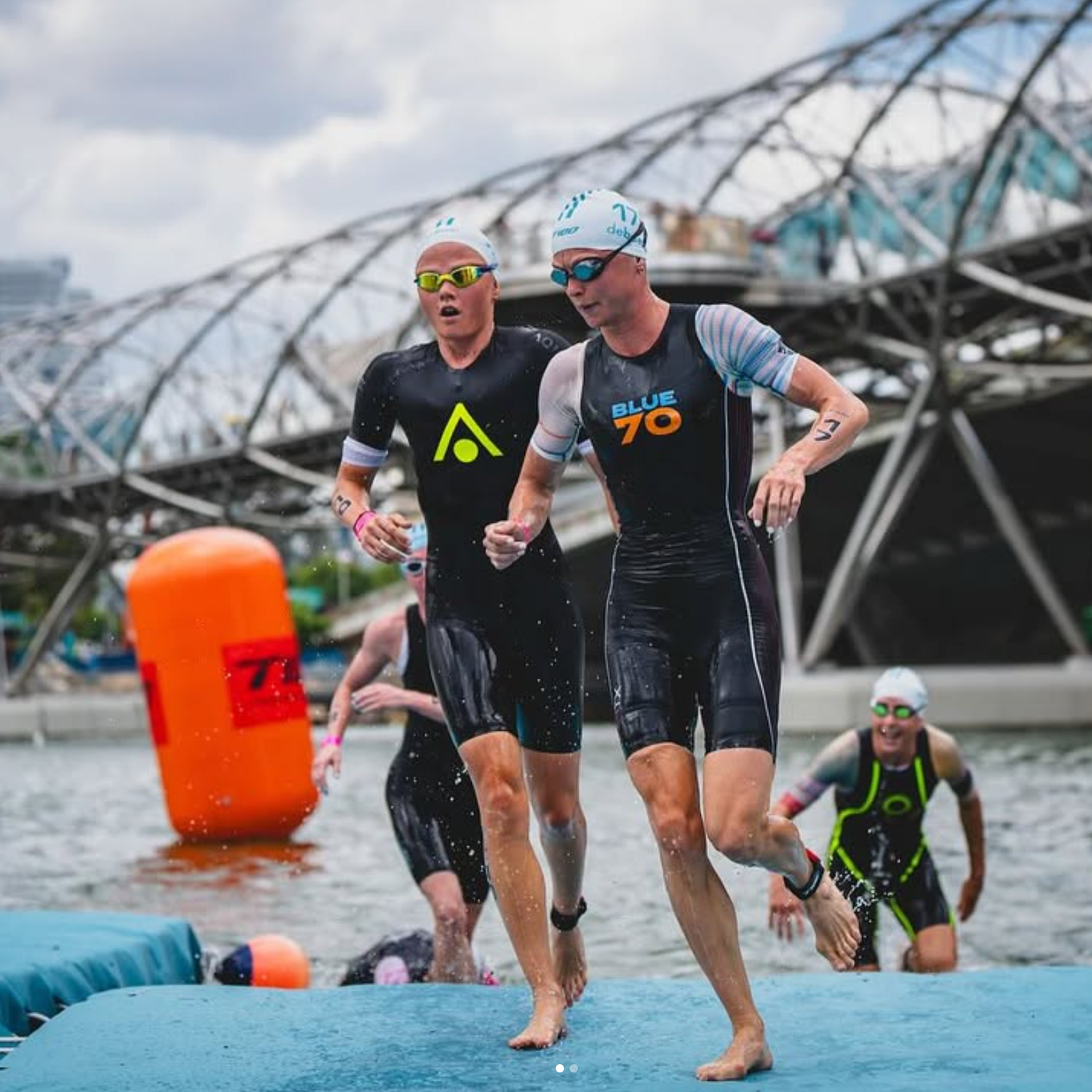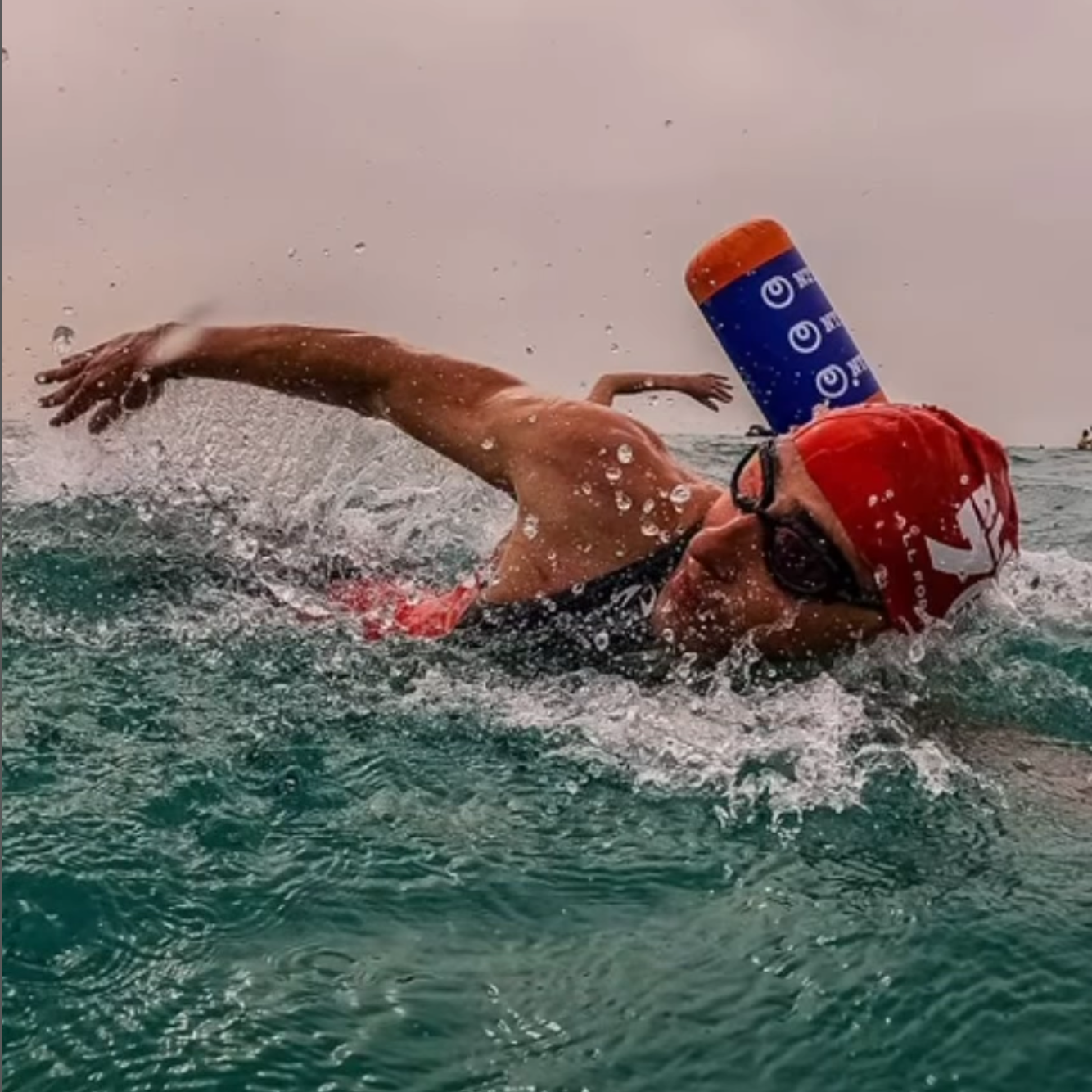



Most advice about finding a wetsuit for plus-size swimmers starts in the wrong place. The conversation usually centers on stretch, zipper closure, or the size printed on the tag. That misses the part that matters once you hit the water. A swim-specific wetsuit has to do more than go on. It has to let you breathe, rotate, reach, sight, and hold your body position through the full rhythm of an open-water swim or triathlon race.
That is why the best plus-size wetsuit question is not “Can I get into it?” The better question is “Does this suit let me swim well?” Those are not the same thing. A wetsuit can zip and still feel wrong by the first few minutes of a swim, especially if the pressure lands in the shoulders, chest, neck, or hips.
From years of working with swimmers and triathletes, I have found that plus-size wetsuit fit is usually a pattern-design issue before it becomes a sizing issue. If the shape of the suit does not match the body well, extra stretch will not rescue it. The tension just moves somewhere else, and your stroke pays for it.
Why plus-size wetsuit fit changes once you start swimming
A lot of poor wetsuit advice comes from judging fit while standing still. Open-water swimmers do not stand still for long. The moment you begin swimming, the suit has to handle shoulder rotation, torso extension, breathing, sighting, and repeated arm turnover. A fit that feels passable on land can fall apart once your body lengthens into freestyle.
That is why the most useful fit checks are functional. You are not only asking whether the wetsuit feels snug. You are asking whether it stays settled while your body moves the way it will move on race day or in training.
Most plus-size swimmers who have had trouble with wetsuits describe the same failure points:
- Shoulders that tire early because the suit feels loaded through the upper body
- Pressure across the chest that makes a full breath feel restricted
- A neckline that rides high or rubs once the stroke gets going
- Difficulty getting the suit high enough through the hips and torso
- Loose or bunching material behind the knees or in the lower back
Those are not cosmetic issues. They change stroke rhythm, comfort, and confidence in the water.
The real shift in wetsuit fit: pattern design
One of the most useful developments in swim-specific wetsuits came when women’s fit started being treated as an engineering problem instead of a simple size adjustment. That shift matters for plus-size swimmers because it moved the focus to where the suit needs shape, not only how much neoprene it can stretch.
At blueseventy, that thinking shows up in Femme Fit. The women’s wetsuit line uses refined pattern design in critical fit areas including the bust, torso, wrists, and ankles. It also includes a lowered neckline for comfort and reduced chafing, plus an extended zipper length that makes entry easier and accommodates wider hips. In 2014, blueseventy expanded Femme Fit to 15 women’s wetsuit sizing options.
That detail matters because plus-size fit problems usually happen in specific places. A swimmer with a fuller bust may need more shape through the chest so the suit does not pull upward at the neck. A swimmer with a longer torso may need enough vertical length to keep the shoulders from carrying all the tension. A swimmer with wider hips may need a suit that is easier to enter and easier to position correctly before zipping.
That is what good wetsuit fitting looks like in practice. It is not vague. It is not about forcing the body into the suit and hoping the water makes everything better. It is about matching the suit’s shape to the swimmer’s movement.
The first places to judge fit
Shoulders
If the shoulders feel wrong, the whole swim feels expensive. Blue70 wetsuits use Yamamoto neoprene in 38, 39, and 40 cell, with higher cell numbers bringing more flexibility. In the water, shoulder freedom matters because every restriction repeats itself with every stroke. The cost builds quickly.
One caution here: a lot of shoulder tightness comes from poor setup, not from the shoulder panels alone. If the suit is sitting low in the legs or hips, the upper body ends up absorbing that missing length. Swimmers often blame the arms when the real issue started at the ankles.
Neckline
The neckline deserves more attention than it gets. A neckline that feels tolerable on land can become the first thing you notice once you start breathing and sighting. Blue70 addressed this directly in the 2021 redesign of the Fusion, which introduced a lower-sitting neckline for comfort without losing the watertight seal.
For plus-size swimmers, neck comfort is often tied to chest volume, torso length, and whether the suit has been pulled high enough through the body. If the neckline already feels abrasive before swimming, that is useful information. Do not ignore it.
Torso length
Torso length is one of the least discussed fit issues and one of the most important. A swimmer can match a size chart well enough on height and weight and still end up in a suit that feels over-tensioned from shoulder to hip. When that happens, the zipper area feels loaded, the crotch never seems to sit high enough, and the shoulders lose freedom.
A simple test works well here. Before fully zipping the suit, raise your arms overhead. Then check the same movement once everything is settled and zipped. If the whole suit yanks downward, the vertical fit needs a closer look.
Hips and entry
Many plus-size fit problems begin during entry. If getting the suit over the hips is difficult, swimmers often rush the process and leave too much material bunched in the thighs. That lost length usually shows up later as tension across the torso and shoulders.
This is one reason entry design matters. The extended zipper length in Blue70’s women’s wetsuits helps with easier entry, better positioning, and smoother setup before the swim even starts.
Why extra buoyancy does not solve bad fit
Some swimmers assume a more buoyant suit will make a poor fit feel better because a higher body position can make swimming easier. There is some truth in the second part. Wetsuits improve body position, and buoyancy supports speed in the water. Beginners often feel that benefit right away.
But buoyancy is not a fit correction tool. It will not fix a restrictive chest panel, a neckline that rubs every time you turn to breathe, or shoulders that feel blocked at the front of the stroke. Those are movement problems, and movement problems need a fit solution.
The right order is simple:
- Get the fit right
- Match the suit to your water temperature and use case
- Then think about race-day performance details
Full-sleeve or sleeveless for plus-size swimmers
Sleeveless wetsuits deserve more respect than they get. For many plus-size swimmers, they are not a fallback option. They are the cleanest answer to a real fit problem.
If your main frustration has been shoulder fatigue, upper-body restriction, or difficulty getting a full-sleeve suit to settle correctly, a sleeveless model can change the experience right away. It removes the arm constraint, tends to feel easier to put on, and works well in warmer water.
Blue70’s model guidance already points swimmers toward sleeveless options for warm water, easier fit, and lower cost. That easier-fit point is especially useful here. Some swimmers simply move better with the shoulders fully free.
Full-sleeve still makes sense in many cases, especially when you want more thermal protection or prefer the feel of a full suit in the water. Water temperature should guide that choice. Below about 56 to 58°F, a purpose-built thermal suit such as the Thermal Reaction adds thermal protection for cold-water swimming. Above about 70 to 72°F, a full suit can feel too warm over longer swims, and sleeveless options become more appealing.
Matching the wetsuit to your swimming
The best plus-size wetsuit is not always the highest-end suit. It is the one that fits your body well and matches the way you actually swim.
Blue70’s lineup gives swimmers a clear framework:
- Sprint for entry-level needs and budget-conscious buying
- Fusion for shorter frequent swims and all-around versatility
- Reaction for frequent training and longer swims
- Thermal Reaction for cold-water swimming
- Sleeveless styles for warm water, easier fit, and unrestricted shoulders
There is an important trade-off worth keeping in view. The Helix is Blue70’s flagship race suit, built for race-day performance with very thin, highly flexible neoprene in the arms and shoulders, a permeable catch panel that preserves feel for the water, and LIFT buoyancy panels added in 2018. Blue70 also notes that the delicate neoprene is not ideal for heavy training use because it breaks down faster. Frequent swimmers should factor that into the decision.
That kind of honesty helps. The right suit is not the one with the most marketing attached to it. The right suit is the one that fits your stroke, your training load, and your race schedule.
How to try on a plus-size wetsuit properly
A hurried try-on gives bad information. A careful try-on tells you a lot.
- Start at the ankles. Pull the suit up in small sections rather than taking long yanks.
- Use fingertips, not fingernails. This protects the neoprene from damage.
- Work the material high through the calves, quads, and hips. Most upper-body tightness starts because the lower half is sitting too low.
- Set the torso before judging the shoulders. If the torso is under tension, the shoulders will feel worse than they should.
- Zip last. Do not use the zipper to force a bad setup into place.
- Mimic swim posture. Reach forward, rotate lightly, and turn your head as if breathing and sighting.
Then do the one test that matters most: swim in it.
Blue70’s Take a Test Swim program is useful here because it allows swimmers to test the suit in the water and still return or exchange it, provided it comes back clean, dry, unmodified, with tags and accessories. That matters for plus-size athletes because many fit issues only show themselves during actual swimming.
A better buying framework
If you want to reduce the guesswork, start with a few direct questions.
- Do you need the suit mainly for racing, regular training, or both?
- Is your main fit issue in the shoulders, chest, neck, hips, or torso length?
- Do you usually swim in cold water or warm water?
- Would a women-specific fit shape solve a problem you have run into before?
- Would a sleeveless suit give you better shoulder freedom and easier setup?
Those questions lead to better decisions than broad statements like “I just need something stretchy.” Stretch matters, but pattern, panel placement, and intended use matter more.
Confidence comes from fit you can trust
A poor wetsuit experience can make a swimmer think their body is the problem. In most cases, the issue is the match between the swimmer and the suit. That is a better problem to have, because it can be fixed with the right shape, the right setup, and the right model choice.
A good swim-specific wetsuit should feel snug on land and then settle in the water. You should be able to breathe fully, rotate smoothly, and swim without feeling like the suit is fighting every stroke. That standard applies to plus-size swimmers the same as anyone else.
If you want to narrow the search, start with the size charts, review the fit guide, and use the Take a Test Swim option. One careful fitting session and one honest swim will tell you far more than the number on a size label.