


Petite women often get steered toward the wrong wetsuit solution. The usual advice starts and ends with finding a smaller size, but that approach misses the part that shows up the moment you begin swimming: proportion. A wetsuit can match your height and weight on paper and still feel wrong in the water if the torso runs too long, the shoulders sit too low, or the cuffs finish in the wrong place.
That is why petite wetsuit fit deserves a more useful conversation. For open-water swimmers and triathletes, the key question is not only whether the suit is small enough. The real question is whether the pattern lines up with a shorter frame so the neoprene supports your stroke instead of resisting it. When the shape is off, every reach forward, every breath, and every rotation reminds you.
blueseventy has spent years building swim-specific wetsuits around how swimmers actually move in the water. That matters for petite athletes because a shorter frame exposes fit errors quickly. A little extra torso length or a shoulder seam that sits slightly low can change the feel of the whole suit.
Why petite fit problems show up in the stroke
Dry-land fit can be misleading. A suit may seem acceptable while you are standing still, then feel restrictive or unsettled once you start swimming. That happens because a wetsuit is not passive equipment. It stretches, rotates, and loads across the body with every stroke.
For petite swimmers, the most common problems usually show up in three places:
- Shoulders: If the suit sits low through the upper body, the neoprene pulls across the chest and upper back every time you extend forward.
- Torso: Extra length through the midsection can create folds or bunching that shift as you rotate.
- Wrists and ankles: Long cuffs and stacked material often mean the suit proportions are not lining up with your frame.
Those issues do more than affect comfort. They can change your timing in the water. A stroke that should feel smooth starts to feel interrupted. A recovery that should feel free begins to feel labored. In triathlon, that can leave you carrying extra tension all the way to T1.
Why a shorter athlete needs more than a smaller wetsuit
Petite women do not all share the same build. One swimmer may have a shorter torso and broader back from years in the pool. Another may be narrow through the shoulders and fuller through the hips. Another may need less overall length without needing less room through the chest. That is why simply scaling down a standard pattern rarely solves the problem well.
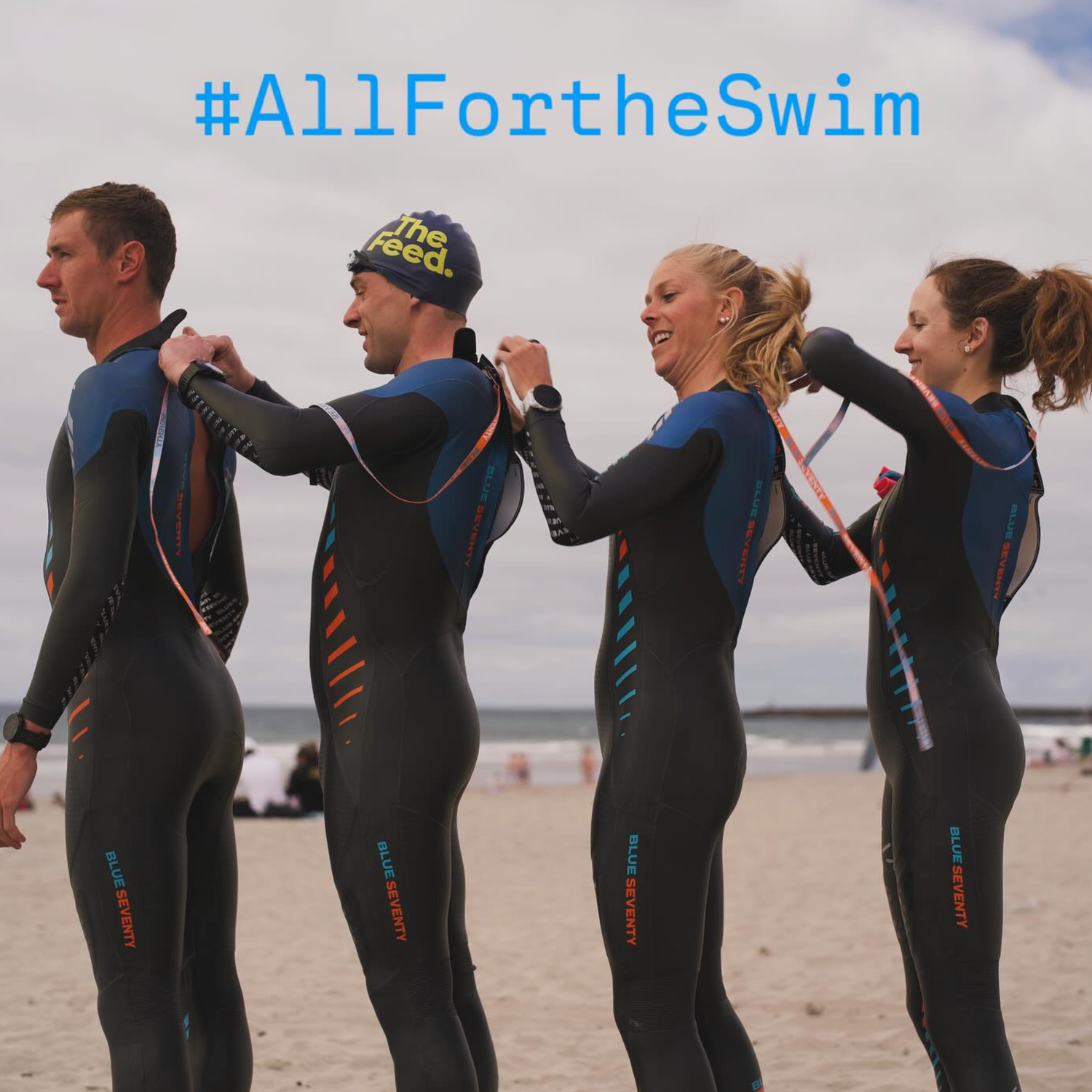
blueseventy’s Femme Fit approach addresses this directly. Women’s wetsuits in the line use refined pattern design in key fit areas, including the bust, torso, wrists, and ankles. The lowered neckline is designed for comfort and reduced chafing, and the extended zipper length makes entry easier, accommodates wider hips, and helps with faster removal after the swim. In 2014, blueseventy expanded the women’s wetsuit size range to 15 sizing options, which reflected a serious commitment to women-specific fit.
That matters for petite athletes because small errors become big distractions on a shorter frame. An extra inch in the torso is not a minor detail when it changes where the shoulders sit and how the suit rotates with your body.
Fit affects mechanics before it affects comfort
Many swimmers think of wetsuit fit as a comfort issue. In practice, it is a mechanics issue first. A suit that sits correctly helps maintain body position, keeps the shoulders moving freely, and stays close to the body without shifting around during the stroke. A suit that sits poorly makes you work against the material.
blueseventy uses Yamamoto 38, 39, and 40 cell neoprene across the wetsuit line. Higher cell numbers bring more flexibility, which matters in the shoulders and through the stroke. But material quality does not override poor alignment. If the suit is too long through the torso or not seated correctly in the shoulders, even flexible neoprene cannot fix the problem.
Fit comes first. Materials matter after the suit is sitting where it should.
How to tell if a wetsuit really fits a petite frame
The best fit check is not whether the suit feels comfortable standing on a shop floor. The better test is whether the panels sit where they should once the suit is fully on. That means fully on, not halfway pulled up and zipped.
Use this checklist before you decide a suit works:
- Check the shoulders. Reach one arm forward, then recover it overhead. The suit should feel snug, but it should not feel like it is dragging from the chest or upper back.
- Check the neckline. The collar should sit close without riding up into the throat.
- Check the lower back. Rotate gently side to side. Large folds or bubbles of neoprene usually point to extra torso length.
- Check the hips and zipper. The suit should close cleanly once the material is worked fully into place. Resistance here can be a donning issue or a shape mismatch.
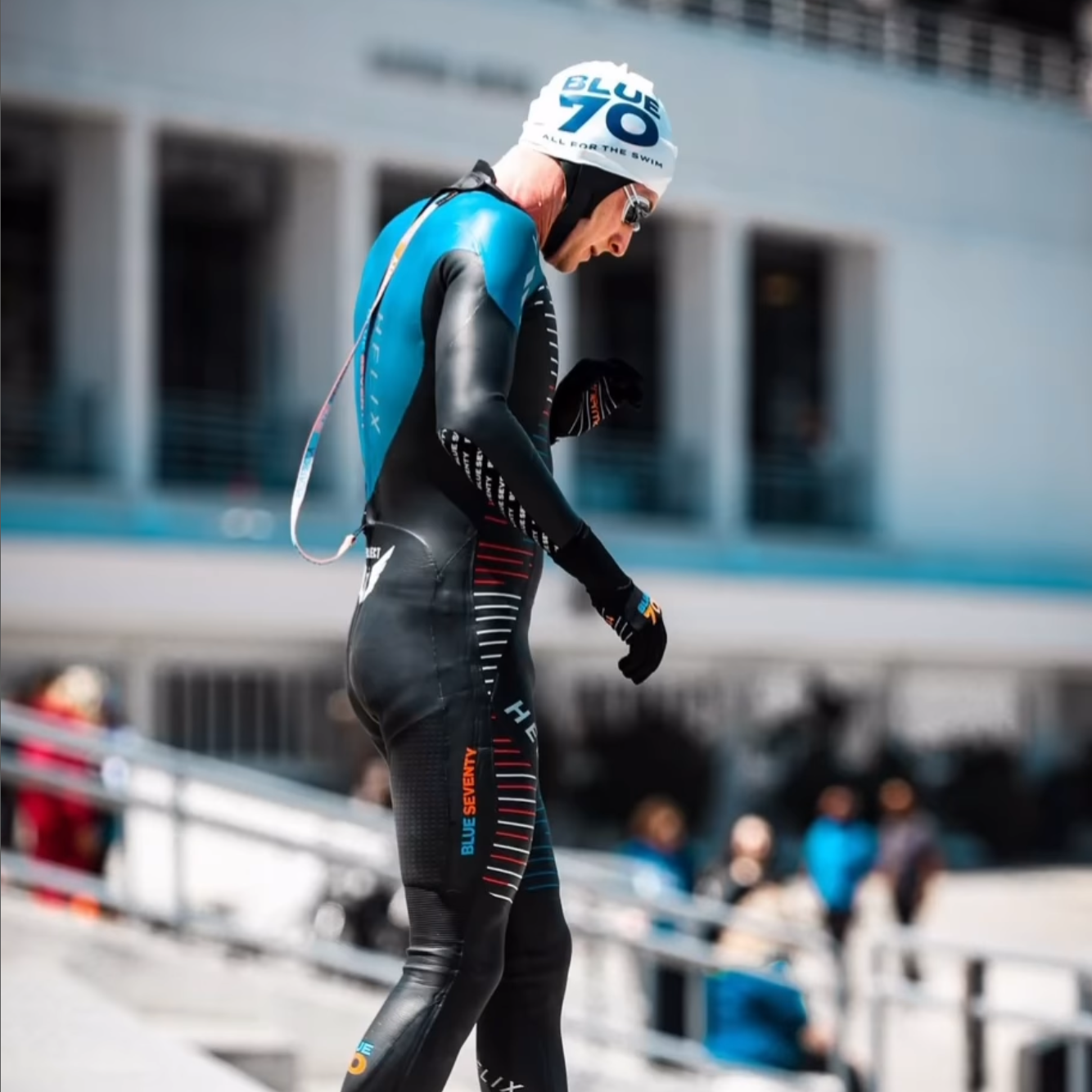
- Check the wrists and ankles. Cuffs should finish neatly, without long stacks of material.
That last point matters more than many swimmers realize. Bunching at the cuffs often tells you the entire suit is out of proportion for your frame, not just slightly long at the ends.
The donning mistake that makes a good suit feel bad
A lot of first fittings go wrong before the swimmer ever reaches the shoulders. If the neoprene is not worked high enough through the calves, quads, hips, and crotch, the upper part of the suit gets pulled down. Then the neckline feels tight, the shoulders feel restricted, and the swimmer assumes the size is wrong.
For petite women, this is one of the biggest reasons a correct size gets rejected too quickly. There is less room for error. A small amount of material left low in the legs can pull the whole upper suit out of position.
Take your time putting it on. Work the material upward in stages. Seat the legs first, then the hips, then the torso, then the shoulders. Judge the fit after that process is complete.
Why sizing up often makes the problem worse
Petite swimmers often try a snug suit on land and assume the answer is to go up a size. That can create a worse fit in the water. A larger suit usually adds more torso length, lowers the shoulder placement, increases movement inside the suit, and leaves more material at the knees and ankles.
- More torso length can create folds through the abdomen and lower back.
- Lower shoulder placement can make arm recovery feel restricted.
- Extra material in the legs can make the suit feel less stable.
- Additional bunching can slow wetsuit removal in transition.
A swim-specific wetsuit should feel snug on land and more comfortable once you are in the water. That is normal. For petite athletes, the challenge is separating true size mismatch from the snug feel that every properly fitted wetsuit has at first.
Choosing the right blueseventy model
After you find the right fit shape, the next step is choosing a suit that matches how and where you swim.
Sprint
At $325, Sprint is the entry-level option in the line. It makes sense for first-time triathletes, newer open-water swimmers, and athletes who want a swim-specific wetsuit without moving higher in price.
Fusion
At $420, Fusion is the best seller in the range. The 2021 redesign introduced a lower-sitting neckline for comfort while keeping the seal intact. It is a smart choice for shorter frequent swims and a broad range of race-day use.
Reaction
At $680, Reaction suits athletes who swim often and spend more time in open water. blueseventy recommends it for frequent, longer swims.
Helix
At $995, Helix is the flagship race suit. It uses thin, flexible neoprene through the arms and shoulders, includes a permeable catch panel to preserve feel for the water, and features LIFT buoyancy panels added in 2018. blueseventy is also candid about the trade-off: the thin neoprene is not ideal for heavy training use.
Thermal Reaction
At $785, Thermal Reaction is built for colder conditions and is fully lined with Zirconium jersey for added thermal protection. In water below about 56 to 58°F, a purpose-built thermal suit adds meaningful warmth. Thermal performance still depends on water temperature, exposure time, and the swimmer.
Water temperature changes what you notice first
Water temperature and fit are tied together. In warmer water, above about 70 to 72°F, a full suit can feel too warm over longer swims. Petite swimmers who are sensitive to shoulder restriction often notice upper-body fatigue earlier when they are also managing extra heat. In those conditions, a sleeveless option can be worth considering for easier fit and more freedom through the shoulders.
In colder water, seal and coverage become more important. A neckline that sits correctly, clean cuffs at the wrists and ankles, and a torso that stays close to the body all matter more once heat retention becomes part of the equation.
The best way to judge fit is to swim in it
No mirror check replaces time in the water. The real answer shows up when you begin swimming, settle into your stroke, and notice whether the suit stays quiet on your body or keeps asking for your attention.
That is why blueseventy’s Take a Test Swim policy matters. You can swim in the wetsuit and still return or exchange it if it comes back clean, dry, unmodified, and with tags and accessories. For petite athletes, that removes a lot of the guesswork because the final fit test happens where the suit is meant to be used.
A good petite wetsuit fit is not about finding the smallest suit you can squeeze into. It is about finding a women-specific pattern that matches your frame so the neoprene supports body position, preserves freedom through the shoulders, and stays out of the way once the swim starts.
If you are narrowing down options, start with the size charts, then take a look at the fit guide. If you want the clearest answer, take it for a swim. That is where good fit becomes obvious.