


Your race-day wetsuit has to satisfy two audiences. The race director checks it against the rulebook. You check it with your shoulders at the first 400 meters. The rulebook cares about construction: total thickness, coverage, and any panel that adds buoyancy. It does not measure speed, and it does not certify the suit as a personal flotation device. A legal suit means the construction details match the event's written standard.
Most race morning stress comes from a simple gap. You know how the suit feels. You might not know how the suit measures up on paper. That gap disappears once you understand what officials actually look at and where the newest equipment categories, like buoyancy shorts, still leave room for confusion.
What a Race Director Actually Checks
When race officials write wetsuit rules, they set limits on physical shape and construction. Common areas of focus include maximum material thickness, the pattern of coverage across the torso, arms, and legs, and whether any panel adds buoyancy beyond the base neoprene. The exact numbers vary by governing body and race. USAT, Ironman, and World Aquatics all publish their own current rules. Rules change. Read the current version for your event instead of relying on a forum post from three seasons ago.
All blueseventy wetsuits use Yamamoto neoprene in 38, 39, and 40 cell. A higher cell number means more flexibility. The rulebook's thickness cap does not change how those panels flex. It only sets an outer physical limit. You can have a suit that meets every construction rule and still feel wrong in the water if it does not fit your stroke.
How Equipment Shifts Changed the Rulebook Conversation
The modern swim-specific wetsuit did not arrive with settled rules. In 1993, Direct Innovations built one of the first triathlon wetsuits and became the official wetsuit of Ironman. The brand later renamed to Ironman Wetsuits and then to blueseventy in 2005, when Helix replaced Stealth as the flagship. That origin put wetsuit design in front of race officials early.
By 2012, Helix suits were first out of the water in both the men's and women's races at the London Olympics, and blueseventy athlete Alistair Brownlee won gold. Each equipment shift gave race organizers a new construction to evaluate against the existing standard. A new panel, a new material, a new short forced athletes and officials to recheck what still counted as a fair swim.
That pattern continued with the first purpose-built cold water swimming wetsuit, Thermal Helix, in 2015. Thermal Reaction followed in 2018 with a Zirconium jersey lining. The LIFT buoyancy short arrived in 2020. Every new product category raised the same question: does the current written rule still match the equipment?
Temperature Comfort and Race Legality Are Separate
Wetsuit temperature rules address legality. Thermal comfort is separate. A wetsuit warms you because a thin layer of water enters the suit and your body heats it. Wetsuits are not waterproof, and they do not keep you dry. The water layer is the insulator.
Thermal Reaction is fully lined with Zirconium jersey, a synthetic wool lining, for added thermal protection in cold water. The published guidance from blueseventy says a purpose-built thermal suit adds meaningful warmth below about 56 to 58°F. Above about 70 to 72°F, a full suit can be too warm over longer swims, and sleeveless suits or swimskins become the more comfortable choice.
That thermal guidance does not override race legality. A cold-water suit that keeps you comfortable at 55°F may still be illegal for a specific race if the event's rulebook sets a different wetsuit-legal temperature or construction limit. Check the current rule before you pack the bag.
Buoyancy Shorts and the Rulebook Lag
Buoyancy shorts are the newest piece of the open water equipment conversation. The LIFT buoyancy short launched in 2020 with NBR foam below the waist to add buoyancy. Many older rulebooks did not anticipate this category. Some events treat buoyancy shorts under the same construction rules as wetsuits. Others do not list them at all.
Before you race in buoyancy shorts, read the event's equipment list and confirm with the race director. The answer is not uniform across venues. When you buy a new suit, short, or swimskin, you are responsible for checking the current rulebook. A legal wetsuit category does not automatically cover every new panel.
Fit Is the Rule You Control
You cannot change the thickness cap. You can change how the suit sits on your body. A wetsuit should feel snug on dry land and more comfortable in the water. That snug fit keeps the thin water layer against your skin, which is how the suit provides thermal insulation.
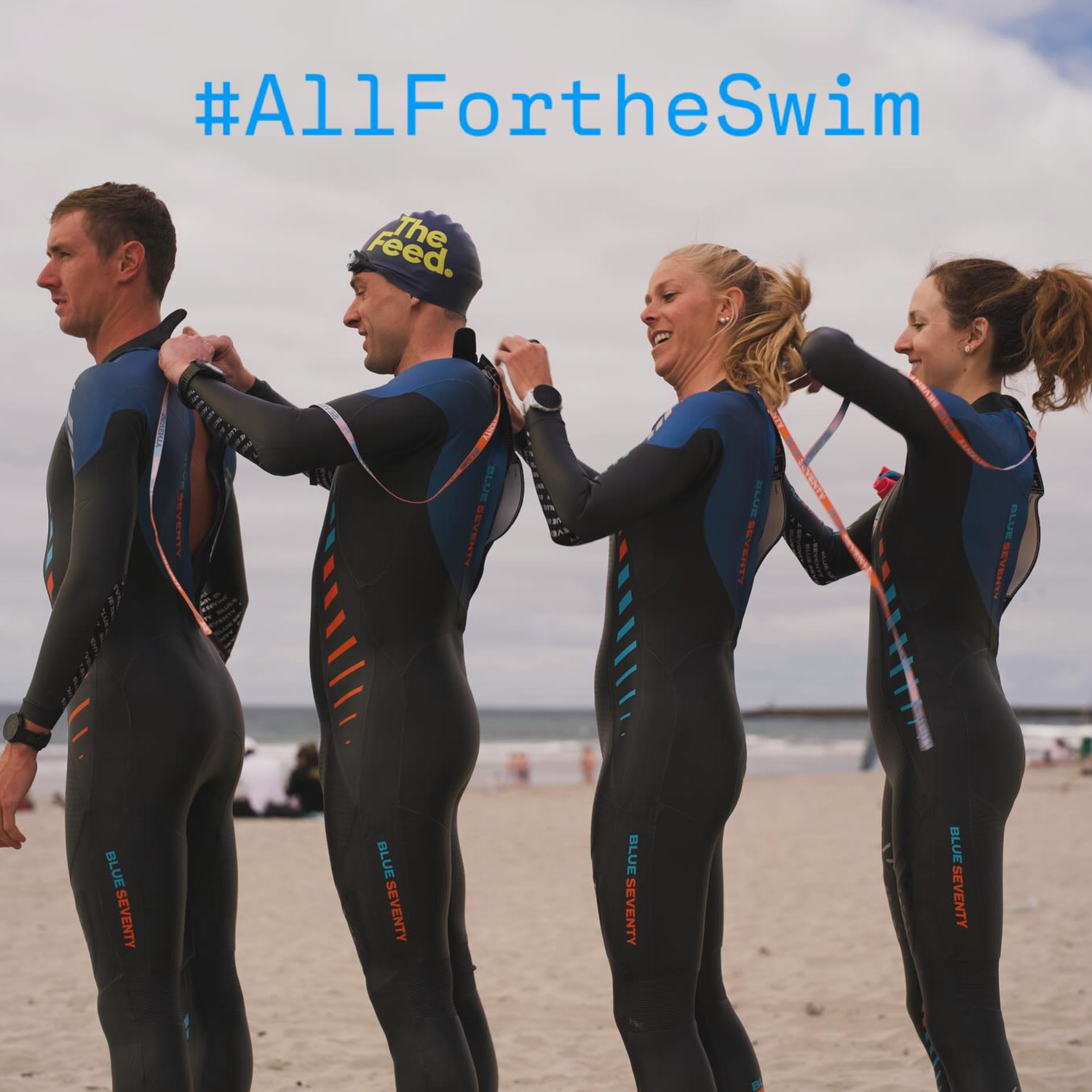
A suit that is not fully seated at the shoulders will restrict your catch and cause fatigue, and that fatigue comes from a rushed or incomplete donning process. Take time to pull the legs up, work the neoprene into the hips, and seat the shoulders one side at a time. If the suit bunches behind the knees or gathers at the shoulders, it will create drag even though it meets every construction rule. The rulebook cannot fix that for you.
Race Morning Checklist
- Read the current rulebook for your sanctioning body and event.
- Check your suit's thickness, coverage, and any added buoyancy panels against that rulebook.
- Lay the suit flat and look for fingernail punctures, heel tears, or seam damage.
- Give yourself enough time to don the suit properly.
- Do a short warm-up swim if the venue allows it.
- Rinse the suit, dry it, and store it flat after the race.
Start With Fit, Then Check the Rulebook
If you are still deciding between models, start with the wetsuit sizing tool. It gives you a starting point before you take a test swim. Then open the event rulebook one more time. A suit that fits your body and passes the construction check is the one you want standing next to you at the start line.
Dive in.