


Most wetsuit damage does not start in the water. It starts in the parking lot, in the transition area, or on the bedroom floor when you are pulling neoprene over a heel, tugging too hard at the calf, or rushing the suit into place before an early-morning swim. That is why neoprene glue deserves a different place in the conversation. It is not only a repair product. For swimmers and triathletes, it is part of routine wetsuit care.
A small nick in neoprene can look harmless. In practice, that little cut often sits in a panel that stretches every time you swim. One short tear near the wrist, ankle, shoulder, or underarm can grow with each session if you ignore it. The issue is not appearance. The issue is that damage changes how the panel carries tension, and that can change how the suit feels in the water.
If you race in open water or train regularly in a swim-specific suit, early repair is worth taking seriously. A well-timed fix can keep a minor problem from becoming a larger one right before a key race or training block.
Why minor damage spreads so quickly
Neoprene panels are built to stretch and recover in a repeatable way. That is part of what gives a swim-specific wetsuit its feel through the stroke. When the material is intact, that stretch stays smooth. Once there is a cut, the stress no longer moves evenly through the panel. It gathers at the damaged edge.
That is why small tears tend to get larger in predictable places. The most common trouble spots are the areas that take the most handling or repeated motion.
- Fingernail punctures while pulling the suit up the legs or hips
- Heel nicks when taking the suit off too fast
- Small cuts at the wrists or ankles during rushed changes
- Short splits in flexible panels near the shoulders or underarms
Once one of those cuts appears, every swim adds a little more load to the same weak point. That is why a repair made early usually holds its shape better than one made after the tear has already widened.
Repair is part of performance maintenance
Most athletes think about wetsuit performance in terms of buoyancy, flexibility, and fit. They should. Those are the big pieces. But maintenance sits right behind them. A suit that has a growing split in a high-stretch panel is no longer behaving the way it was designed to behave.
A tear near the shoulder can affect how freely the panel moves during the reach and recovery. A damaged ankle opening can make the suit harder to peel off cleanly in T1. A nick at the cuff can become the place where the material starts to catch and roll. None of this guarantees a slower swim or a messy transition, but it does change the way the suit interacts with your stroke and your race routine.
Neoprene glue helps preserve consistency. That is the angle many swimmers miss. You are not only fixing a cut. You are trying to keep the original fit and stretch pattern intact.
The better rule: repair early
Many swimmers wait until a tear looks serious before they do anything about it. That usually makes the repair harder. Clean, small cuts are easier to align, easier to bond, and less likely to leave behind a stiff or uneven section.
Good repair candidates usually include:
- Short fingernail nicks
- Small straight tears
- Minor cuff or ankle damage
- Small non-seam cuts where the edges still meet neatly
Use more caution if the damage involves a seam, zipper area, lining separation, or a long tear that has already started to distort the panel. At that point, you are dealing with more than a simple cut.
How to use neoprene cement well
Always follow the instructions on the specific neoprene cement you are using. Cure times and application steps can vary. The basic process stays simple, and patience matters more than speed.
- Clean the area. Make sure the neoprene is dry and free of sand, salt, sunscreen, and grit.
- Check the tear first. Bring the edges together gently and see how they line up in the panel’s natural shape.
- Apply a thin layer. Too much glue can leave the spot bulky or stiff.
- Let it tack as directed. Many neoprene cements bond best after a short wait.
- Press the edges together carefully. Good alignment matters if you want the panel to keep moving naturally.
- Let it cure fully. Do not rush a fresh repair into your next swim.
The best repair is usually the one you stop noticing. If the panel still feels smooth in the water and the edges stay closed, you did the job well.
What a bad repair feels like
You can often tell on the first swim if a repair was done poorly. The warning signs are pretty clear.
- A stiff patch that stands out during the stroke
- A tear that starts to reopen after a few sessions
- New stress lines forming beside the repaired area
Those signs usually point to one of three issues: too much glue, poor alignment, or not enough cure time. A repair should support the panel, not create a hard point that shifts strain to the surrounding neoprene.
Most damage comes from handling, not swimming
This is the part worth remembering. Athletes often blame durability when the real issue is handling. Neoprene gets damaged most often when a suit is being pulled on, peeled off, zipped under tension, or left to dry poorly after a session.
A few habits prevent a lot of repair work:
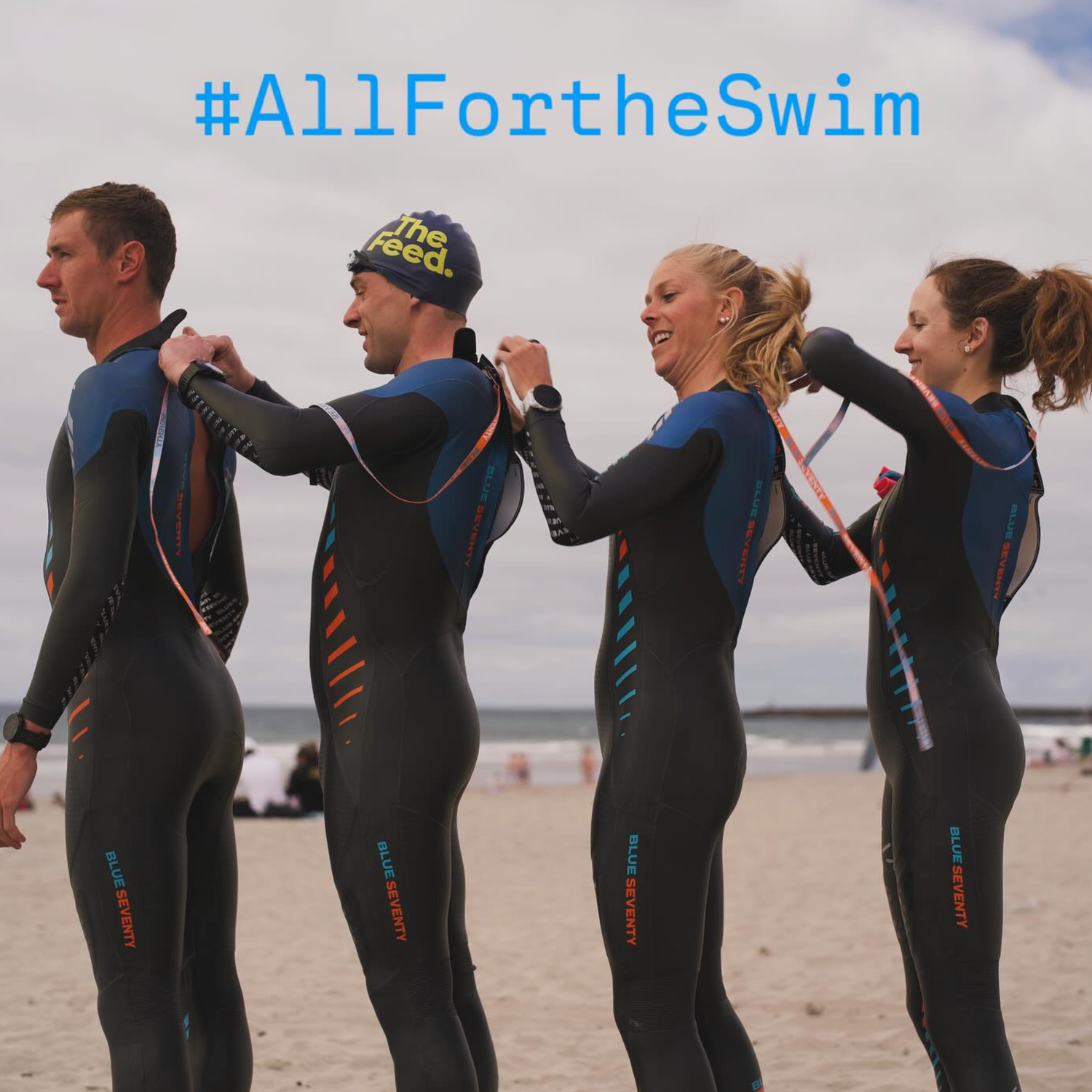
- Use the pads of your fingers, not your nails, when pulling the suit on
- Take your time over the heel and ankle openings
- Work the material gradually up the legs before settling the torso and shoulders
- Avoid forcing the zipper
- Rinse the suit after salt water or chlorinated use
- Dry it away from direct heat
- Store it flat or on a wide hanger that supports the suit properly
Fit plays a role here too. A suit that has not been pulled high enough through the legs and hips often puts extra strain through the shoulders and underarms. That can make the swim feel harder, and it can put stress on the exact places where small tears tend to begin.
Why this matters before race season
The worst time to find a growing tear is a few days before a race. That happens more often than it should. A swimmer pulls the wetsuit out after a break, spots a split at the ankle or shoulder, and now the repair becomes urgent.
A better routine is simple:
- Check the wrists and ankles after each open-water swim
- Inspect the shoulders and underarms during heavier training weeks
- Look at the lower legs after transition practice
- Fix small cuts before they become longer tears
That quick inspection can save you from dealing with avoidable equipment problems during race week.
Neoprene glue belongs in your gear bin
Every swimmer and triathlete who trains in a wetsuit should keep neoprene cement on hand. blueseventy carries wetsuit care products, including Aquaseal neoprene cement, because small maintenance jobs are part of real ownership. A suit can still have plenty of life left and need one clean repair to stay that way.
It is also worth knowing where warranty coverage ends. blueseventy’s warranty covers manufacturing and materials defects for the original owner, but it does not cover common handling damage such as fingernail punctures, heel tears, zipper damage from force, chlorine or heat damage, normal wear, or non-swimming use. That makes prevention and early repair part of the job.
Neoprene glue will not turn an old suit into a new one. What it can do is stop minor damage from changing the fit, flex, and feel of a suit that still performs well.
Final takeaway
Think of neoprene glue as part of wetsuit maintenance, not as a last-ditch fix. Small tears spread because swimmers ask a lot from flexible panels, especially at the shoulders, wrists, ankles, and lower legs. Repair those spots early, and you give the suit a better chance to keep its original shape and swim feel.
If you want to reduce avoidable damage, start with fit and handling. A suit that is put on correctly carries tension better and feels better in the water. If you need help with that step, the blueseventy fit resources are a smart place to begin. You can find more support through the fit guide, browse the full size charts, or use Take a Test Swim before you commit to race day.