


Most neck chafing in a wetsuit starts on dry land. A swimmer orders a neck rash guard because the collar rubs, but the real culprit is often a folded collar, a suit that never got pulled high enough at the hips, or a neckline sitting in the wrong spot on the throat. Fix the donning first and the rash guard becomes optional.
The neck is a hinge point. Every breath, sighting, and turn moves the collar against your skin. Wet skin softens as the outer layer absorbs water, and the edge of a neoprene collar collects salt and sand. Saltwater evaporates and leaves crystals behind. Those crystals act like fine grit between the collar and your neck. Add a five o'clock shadow and the collar catches on every stroke.
If the suit is worn too high, the collar presses into the throat. If the torso fabric pulls downward because the suit wasn't hoisted enough at the crotch and hips, the collar saws across the back of your neck on every rotation. A rash guard can sit over that problem without removing the tension.
Why the Collar Wears on Your Skin
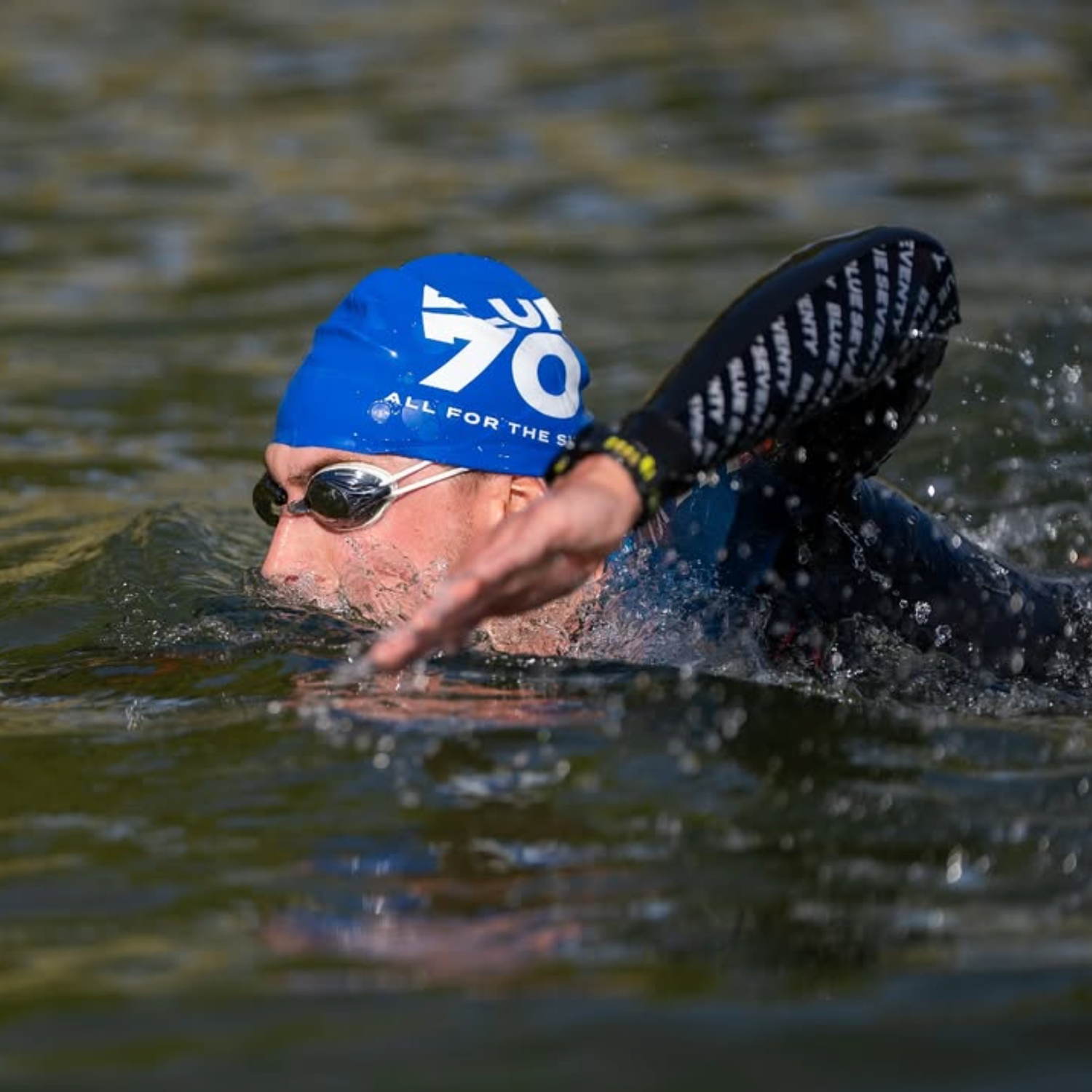
Freestyle rotates your head to breathe. Sighting lifts it forward. A rough-water line can have you lifting, turning, and tucking for an hour straight. Each movement rubs the same few millimetres of skin. Once a raw spot opens, the next swim starts from damaged tissue, so the irritation compounds.
Stubble makes it worse. A five o'clock shadow catches the collar edge and holds the friction in one spot. If you shave before a race, do it the night before. Give the skin time to settle before the suit goes on.
Donning and Fit Checks for the Collar
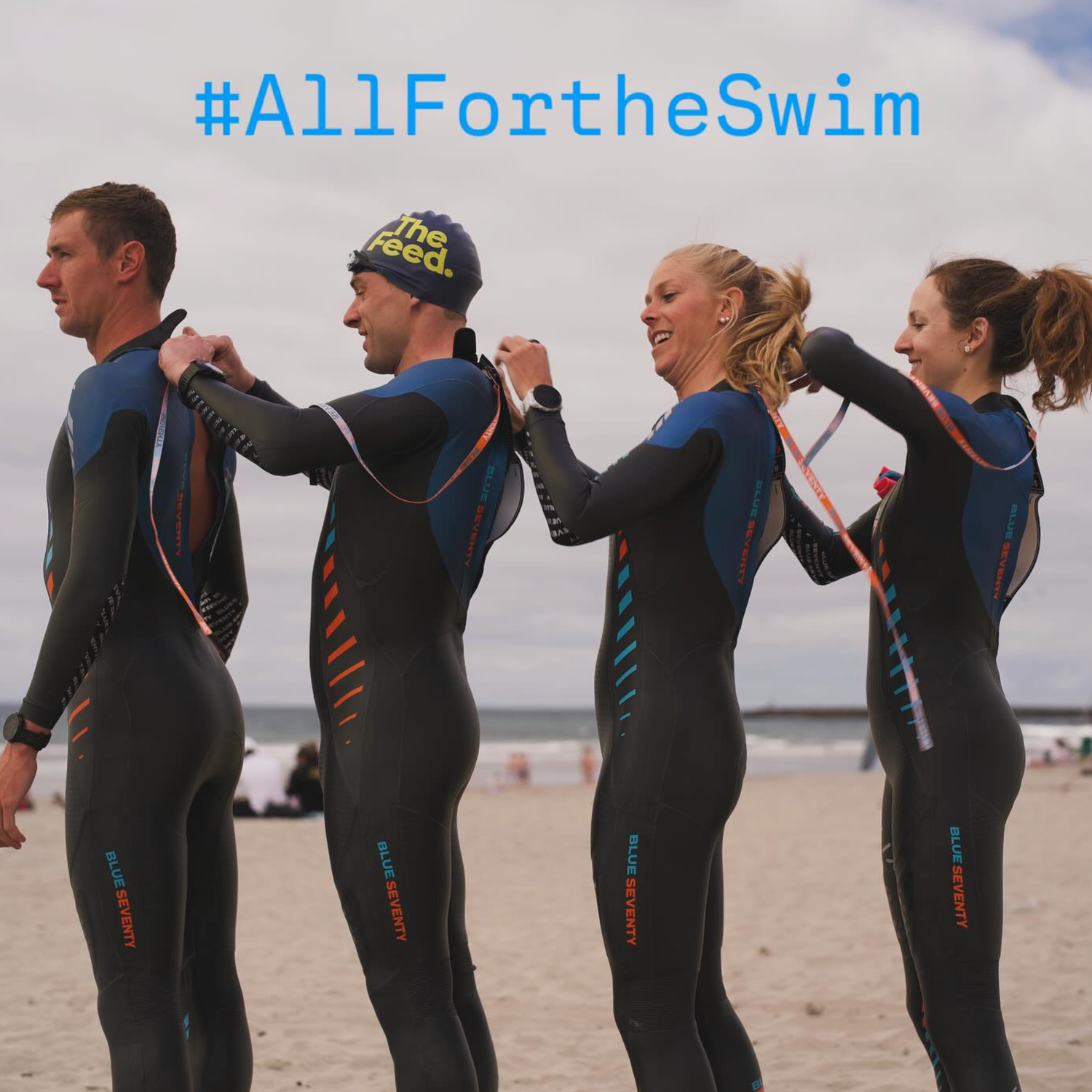
Start with the suit dry. Roll the legs down halfway, step in, and pull the suit up to the hips before you touch the shoulders. Use the pads of your fingers, not your fingernails. Once the suit is at the waist, pull the torso up in small movements, front and back. Zip the back, then reach inside the collar with one finger and run it all the way around to flatten any folded edge. A fold at the back acts like a cord against the skin.
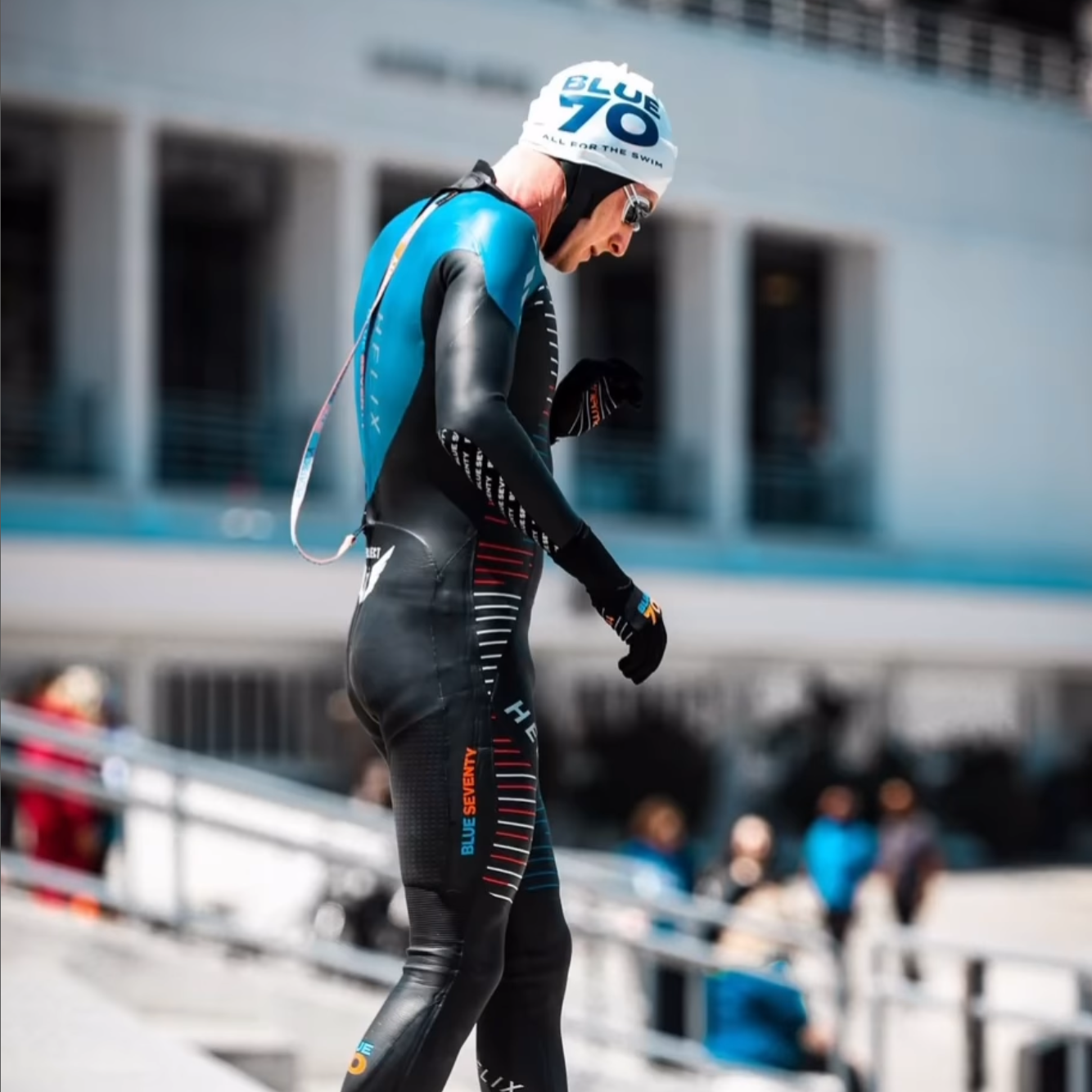
Check the neckline before you swim. The suit should feel snug on dry land and more comfortable in the water. You should be able to turn your head without the collar dragging. If raising your arms pulls the collar down, the suit may be too short through the torso or shoulders. No neck rash guard will fix that.
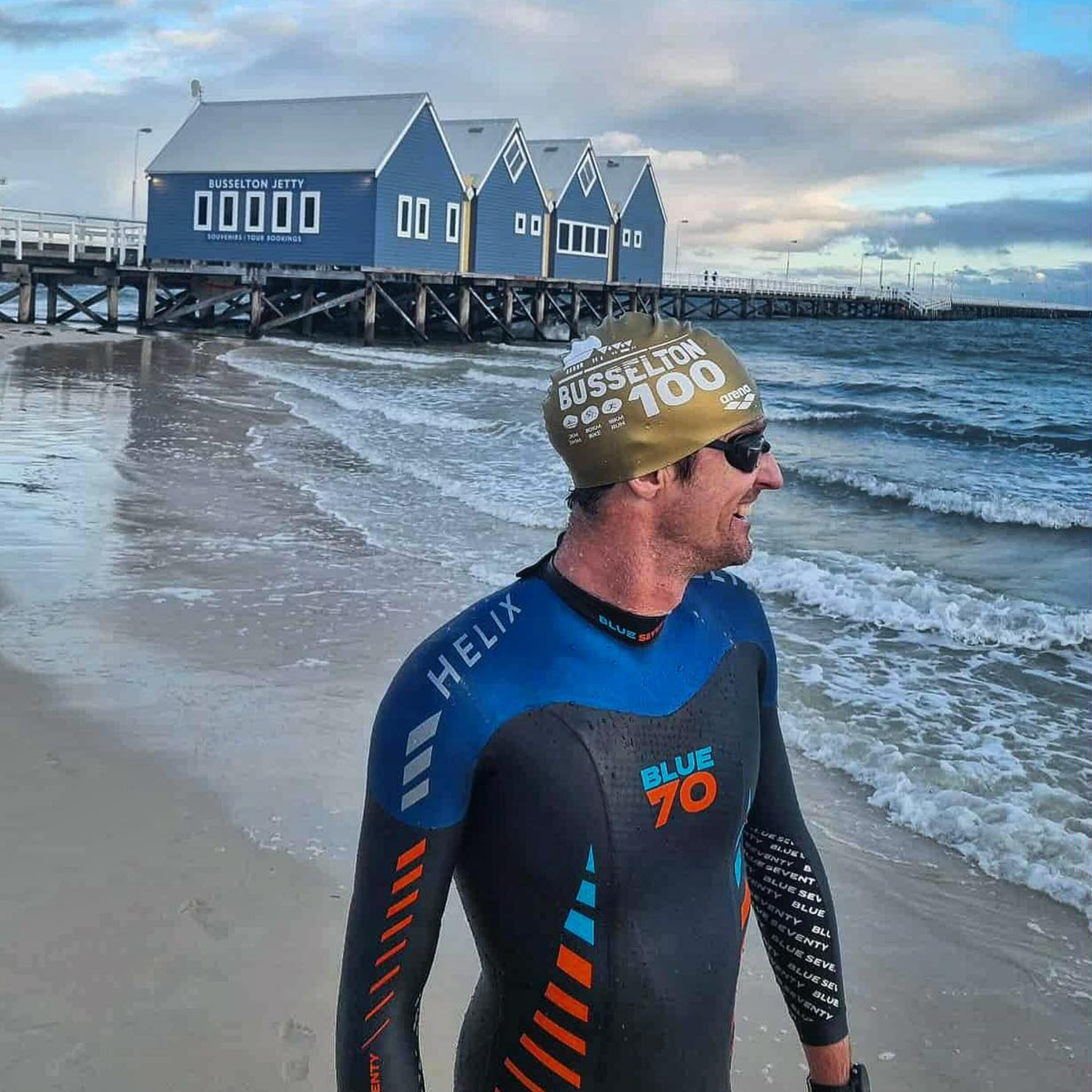
blueseventy works on this problem at the design stage. The 2021 Fusion redesign lowered the neckline to sit below the point where many swimmers chafe. The Femme Fit line uses a lowered neckline, a refined bust and torso pattern, and a longer zipper for easier entry. These changes reduce pressure at the throat without breaking the watertight seal.
The point of that lower collar is not just comfort. A collar that sits too high forces you to extend your neck or lift your chin to relieve the pressure during the swim. That breaks your head position and pulls your hips down. A collar that sits at the right height lets you keep a neutral head and a flat body line. Fit and speed are the same problem here.
Where a Neck Rash Guard Helps
A thin neck rash guard can help when the skin is already raw and you need a barrier while it heals. It also can reduce friction during a long cold water event where the collar moves for hours. But the guard must be thin, close-fitting, and smooth at the neck. If the guard's top edge lines up exactly with the wetsuit collar, you now have two edges rubbing the same patch of skin. Choose one that sits well above or well below the suit's neckline, or fold the top edge cleanly beneath the collar.
Avoid thick sun-protection rash guards under a wetsuit. They hold water, wrinkle, and add bulk at a point where you want the least material. A dedicated neck collar made from stretchy, quick-drying fabric works better than a full shirt pulled up to the throat.
Think of the neck rash guard as a scab, not a cure. It protects the wound while you fix the cause. Once the skin heals and the collar sits correctly, most swimmers can drop the guard entirely.
Balms, Tape, and Other Barrier Options
Before adding fabric, try a balm. Apply it to clean, dry skin behind the ears, across the throat, and around the back of the neck before you put on the suit. Some swimmers also apply it to the inside edge of the collar, but check the label first. Oil-based products tend to trap salt and sand against the skin and can affect neoprene adhesives over time. Use a product made for wetsuit use or a non-oily anti-chafe stick.
Kinesiology tape can work for a single long session. Tape the skin where the collar rubs, not the wetsuit. Trim the edges so they don't peel. Test it in a training swim before race day.
Start with the lightest intervention. A balm adds no material and no second seam. Tape adds a second edge but covers a larger area. A rash guard covers the most but risks the two-seam problem. Work up only as far as you need.
Rinsing and Storing the Collar
A dirty collar chafes more. Rinse the suit in fresh water after every ocean or pool swim, and pay attention to the neckline. Salt crystals, sunscreen, and body oil collect there. Dry the suit flat or draped at the waist, never hung by the neck or shoulders. Hanging by the collar stretches the neckline and changes the fit.
If the inside of the collar feels stiff after a few swims, a mild wetsuit shampoo can remove buildup. Let the suit dry completely before storing it folded. The collar is the most vulnerable part of the wetsuit for repeated abrasion because it moves against skin on every breath. The inside face of the collar usually has a smooth lining, but that lining holds oils and salts differently than the outer neoprene. Rinse it specifically. Let it dry completely before the next swim. A damp collar softens the neoprene and allows more movement, which increases friction.
The Decision Sequence
Run the fix in this order.
- Correct the donning and neckline position.
- Apply a barrier balm.
- Add a thin neck rash guard if the skin needs protection while it heals.
- If the collar still rubs after all three, recheck the suit size.
That sequence handles most neck chafing caused by fit or friction. Neck chafing usually points to fit or donning rather than a missing piece of gear. Fix the collar first. If you still need a barrier, use the thinnest option that doesn't create a second seam.
If the collar continues to rub, use the Test Swim policy. We accept returns on wetsuits that have been in the water, as long as they come back clean, dry, and unmodified. See the fit guide for a visual walkthrough. For a size check, use the sizing tool on our homepage. It takes about thirty seconds.
The neck collar is one of the first places you'll notice a fit issue, so pay attention to it on that first swim. If it rubs, check your donning before anything else. Happy swimming.