


Triathletes ask about plant-based natural rubber wetsuits in fit calls, sizing emails, and shop conversations every season. The question usually starts with sustainability. By the second question, the topic turns to shoulder fit, buoyancy, and whether the suit will survive a full season of open-water training. Those are the questions that decide whether a wetsuit works for you.
Natural rubber is a material category, not a wetsuit maker. Suppliers process latex from guayule or rubber trees into a foam that can replace some or all of the petroleum-based foam inside a wetsuit. The raw material changes, but the suit's job stays the same. A wetsuit still traps a thin layer of water against your skin and adds buoyancy.
Why Natural Rubber Keeps Coming Up
Open-water swimmers spend hours in lakes and oceans, so a plant-based foam has obvious appeal. That is a fair reason to ask about it. But the material is only one part of a wetsuit. A suit cut poorly from plant-based foam will still chafe, restrict your stroke, and slow your transition. Fit and panel design decide race-day comfort more than the base polymer.
Flexibility Comes From Panel Placement and Cell Structure
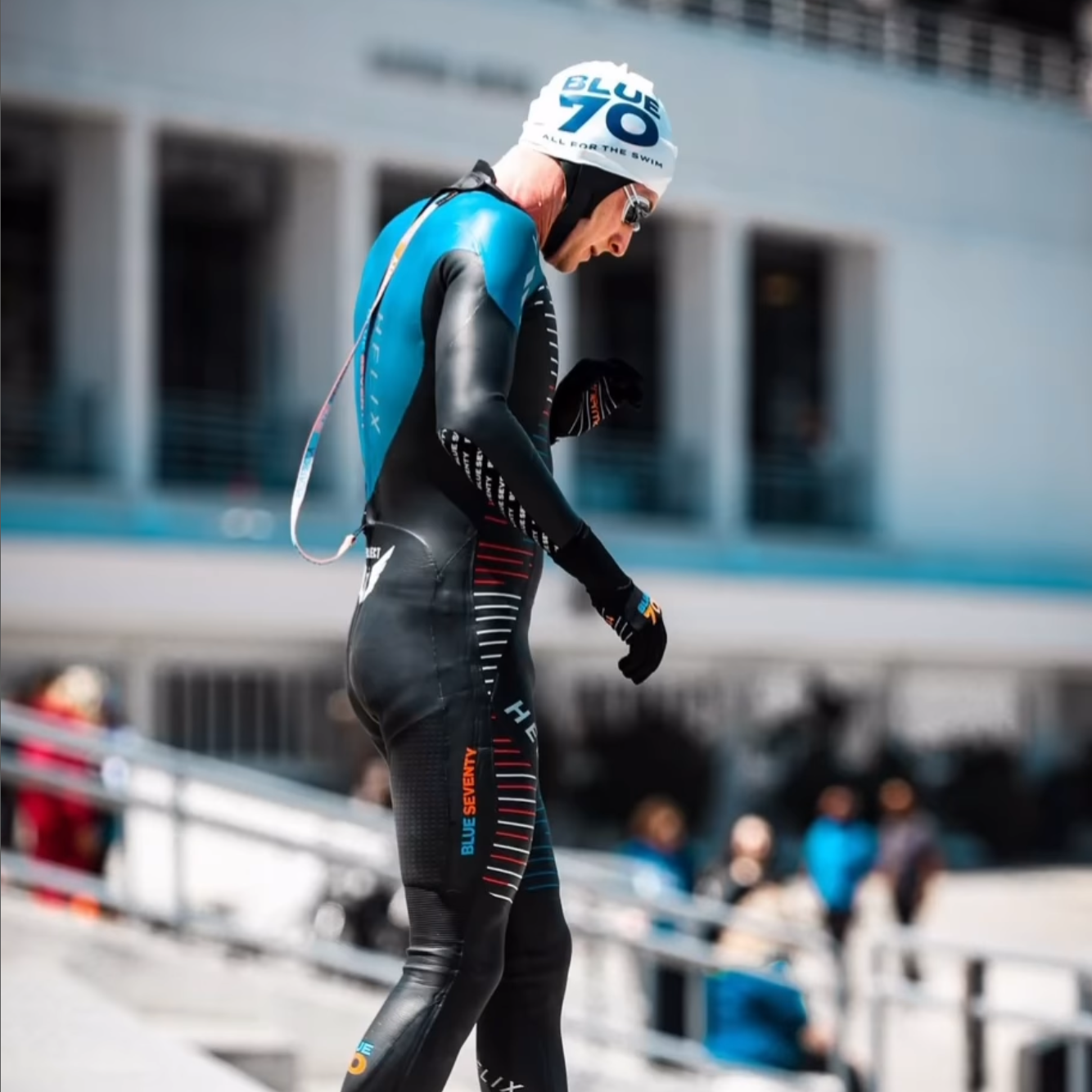
People often call a wetsuit flexible because of the material. Flexibility comes from the foam's cell structure and how the panels are placed across the body. Blue70 uses Yamamoto neoprene in 38, 39, and 40 cell grades. A higher cell number means a more flexible foam. The Helix uses thin, flexible neoprene in the arms and shoulders to reduce restriction during the catch. That panel-by-panel selection matters more than whether the base polymer is natural or synthetic. Natural rubber can be formulated to flex well, but its feel in cold water differs from many synthetic foams.
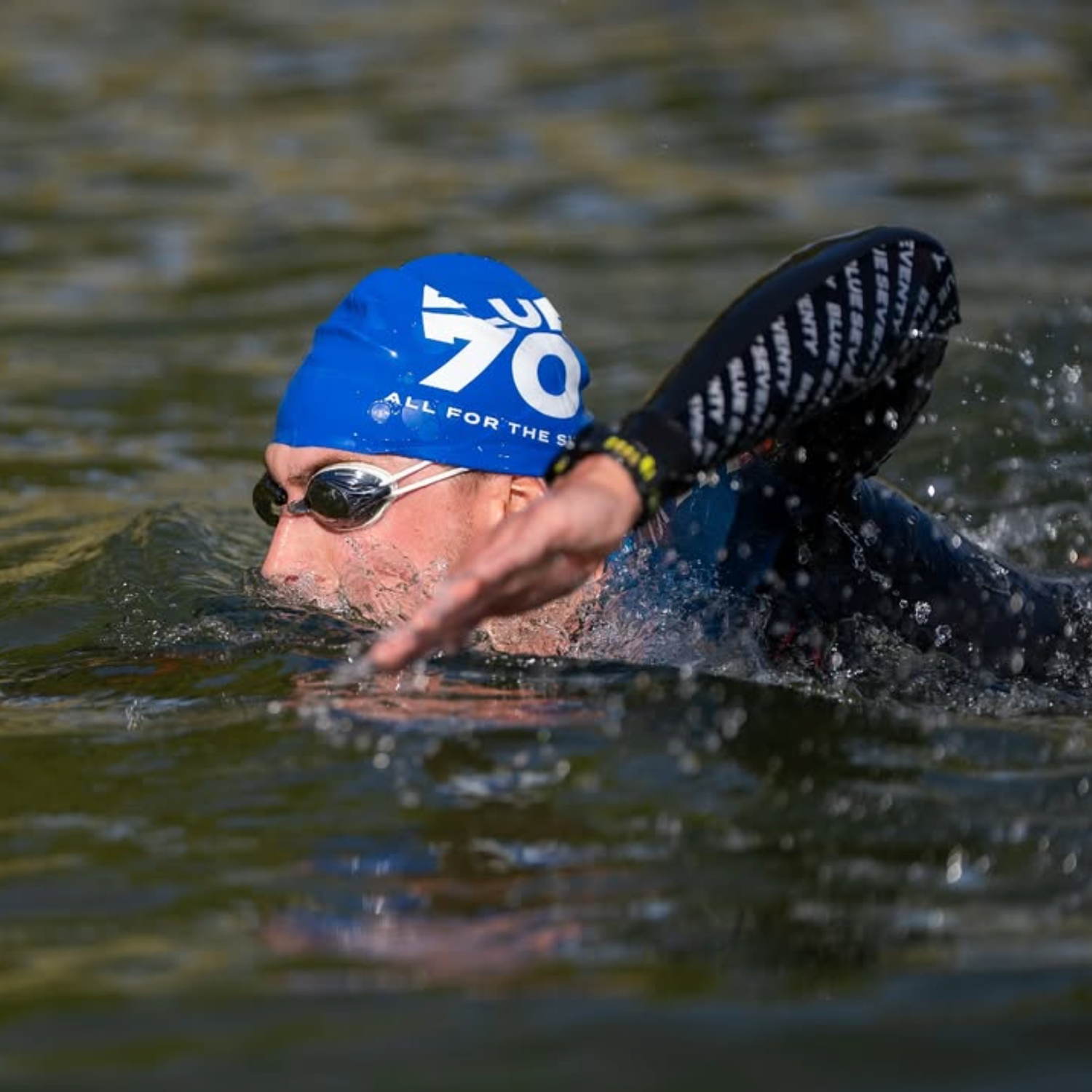
The catch and recovery happen thousands of times during a race. A wetsuit that restricts your shoulders costs you more time than any material swap can recover. Shoulder fit matters more than the base polymer, every time.
Buoyancy Depends on Placement, Not the Material Alone
Buoyancy equals speed. Panel placement matters. Blue70's LIFT panels use NBR foam, a nitrile rubber, to concentrate buoyancy where it helps body position. The LIFT buoyancy short launched in 2020 with NBR foam. A wetsuit made with natural rubber still needs the same panel strategy to be fast. The material alone will not lift your legs. A suit that floats your legs too high can throw off your body position just as much as a suit that lets them sink. Panel placement is the engineering decision that matters.
Durability and Care: Where Natural Rubber Shows Its Limits
Natural rubber degrades faster under direct ultraviolet light and ozone exposure than many petroleum-based foams, which matters for triathletes who dry suits on a sunny deck or store them in a hot car. Sunscreen, body oil, and chlorine also degrade any wetsuit foam over time. A suit that sits wet in a gym bag or trunk will break down faster than one rinsed and dried after every session. A natural rubber suit needs extra care around sun exposure. Rinse it after every swim, dry it in shade, and keep it away from direct heat.
For training volume, the model choice matters as much as the material. The Helix uses very thin, flexible neoprene and is not the best choice for heavy training use. Frequent swimmers who train once a week or more should look at the Reaction for longer swims or the Fusion for shorter sessions. Those suits balance flexibility with the durability that regular open-water training demands.
Fit First: The Shoulders Decide the Race
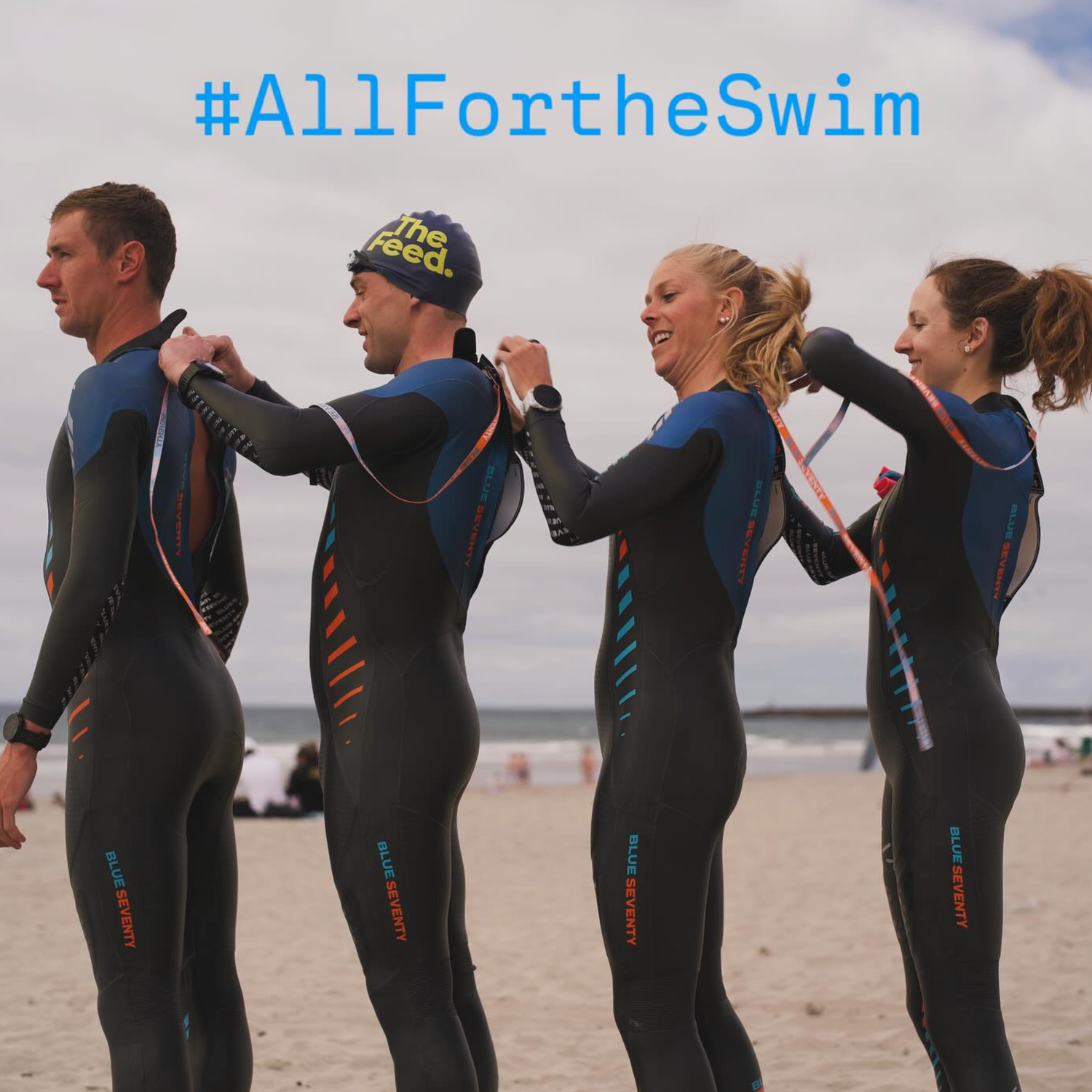
Blue70's fit doctrine says a suit should feel snug on dry land and more comfortable once water gets inside. The shoulder fit matters most for triathlon because the catch and recovery repeat thousands of times per race. The Femme Fit pattern changes the bust, torso, wrists, and ankles to reduce restriction and chafing. It also lowers the neckline and extends the zipper for easier entry and faster transitions. Those changes affect race-day comfort more than the base polymer.
How Blue70 Picks Materials
Blue70 triathlon wetsuits use Yamamoto neoprene. We select 38, 39, and 40 cell grades for different panels based on what each part of the suit needs to do. Shoulders get the most flexible foam. The torso and legs get foam that balances flexibility with durability. We do not currently build triathlon wetsuits from natural rubber. When a material change comes to our suits, it will have to match the fit, buoyancy, and durability standards we already build around. Blue70 gets its name from the 70 percent of the planet covered in water, and that identity keeps the focus on swim-specific performance rather than a single material story.
Four Questions Before You Buy Any Wetsuit
Ask these questions before you buy any triathlon wetsuit, regardless of the foam:
- Does the shoulder fit allow a full catch without pulling at the neck?
- Does the suit lift your hips without making your legs float too high?
- Does the neck seal without restricting breathing?
- Can you get in and out quickly in transition?
If you cannot answer those, try the suit in the water. Blue70's Test Swim policy lets you swim in a wetsuit and still return or exchange it within 30 days if it is clean, dry, unmodified, and has tags and accessories. That is the most reliable way to know if a material works for your stroke.
Check your size, then take the suit for a test swim. Happy swimming.