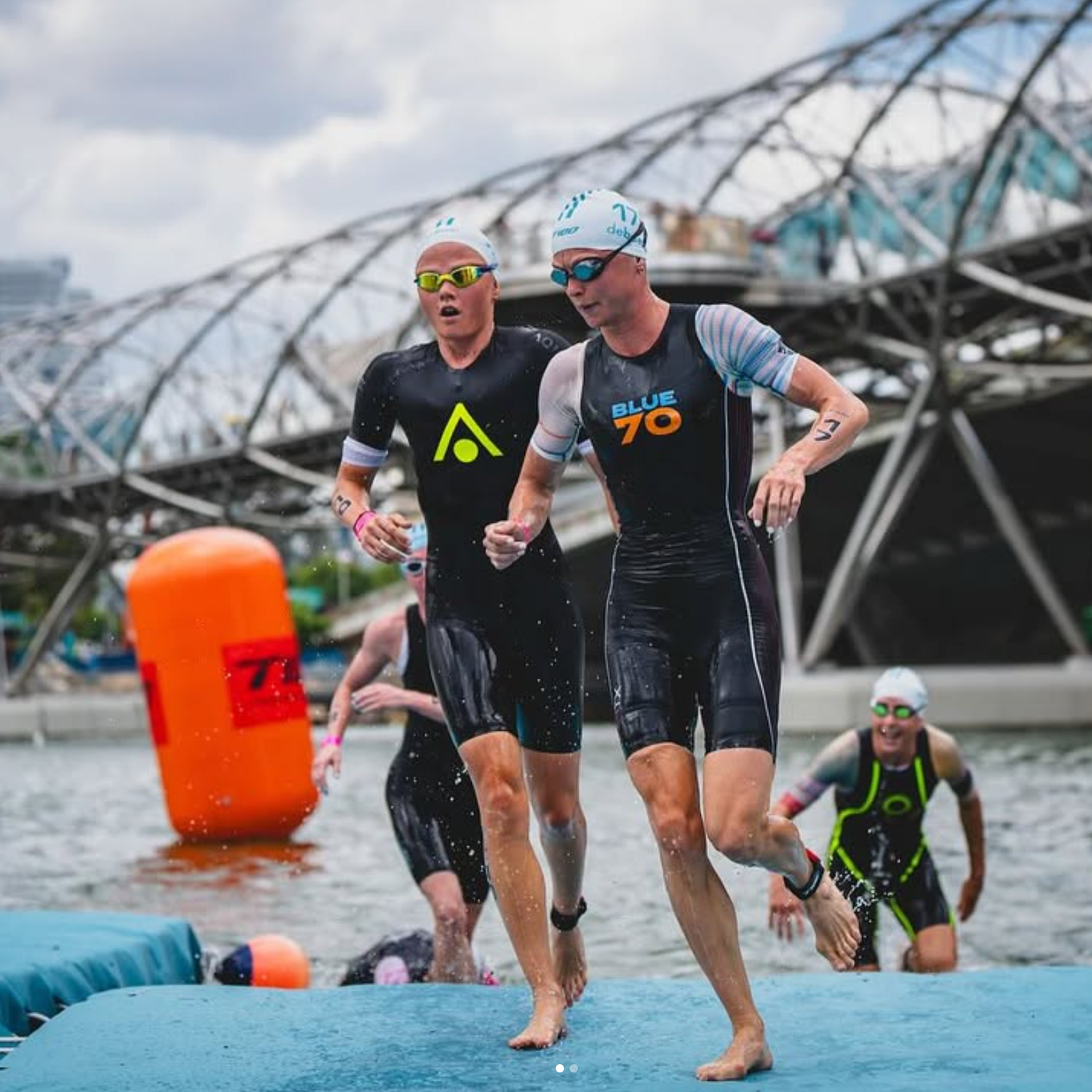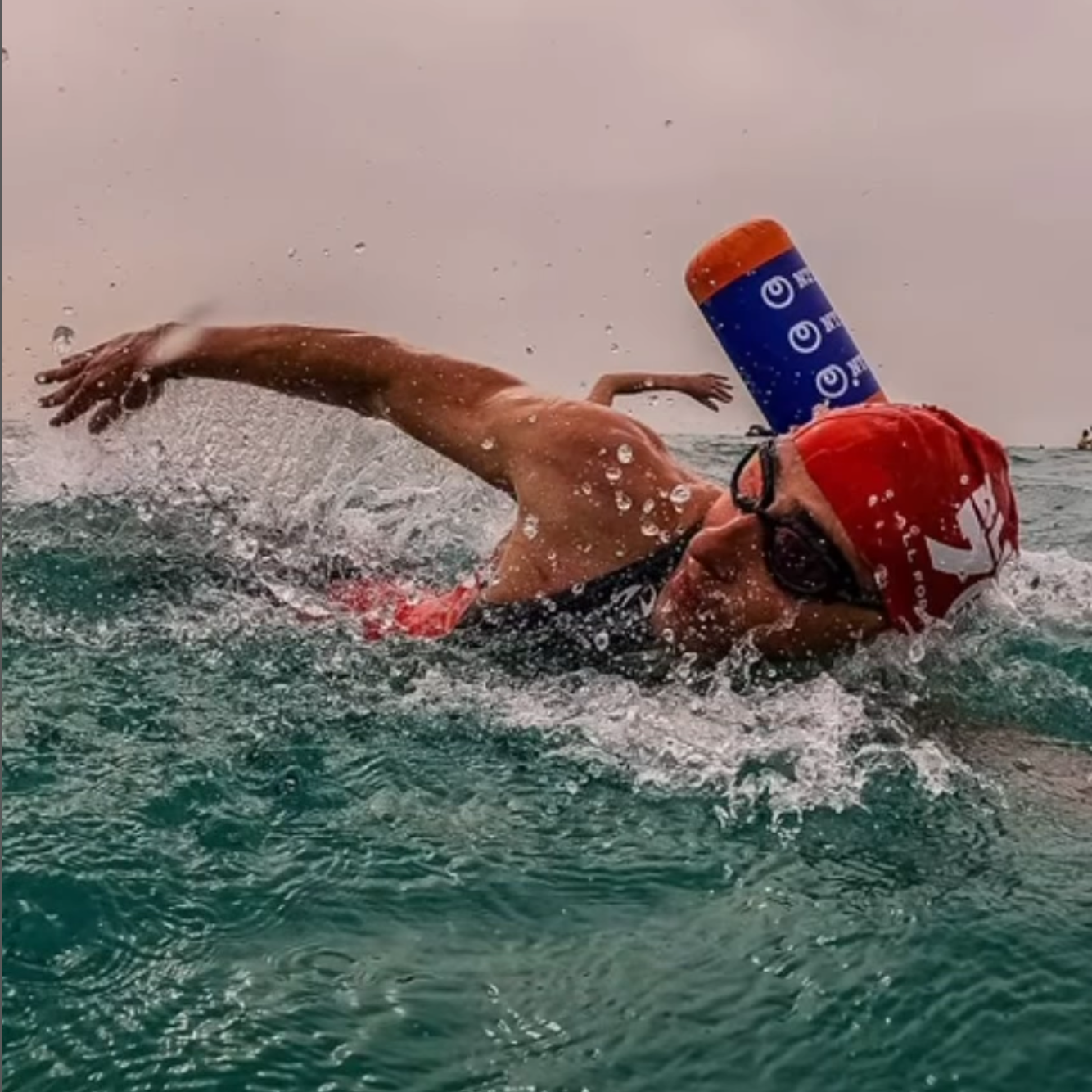



When an open water venue or organized swim says a tow float is mandatory, most swimmers treat it like a box to check: clip it on, zip the wetsuit, and head for the water. But a required swim buoy does more than add one more item to your kit bag. It changes the swim itself.
That’s the part worth paying attention to. A buoy affects how you sight, how you pace, how closely you swim to others, and how clearly your technique holds up once fatigue sets in. For triathletes and open water swimmers, that means a mandatory buoy is not just a rule. It is part of the performance environment.
At blueseventy, we spend a lot of time helping swimmers think beyond gear in isolation. The best setup is always the one that works with your stroke, your water temperature, your training habits, and your goals. Mandatory buoy use fits right into that conversation because it tends to magnify the fundamentals: body position, rhythm, efficiency, and comfort in your wetsuit.
What a mandatory swim buoy really changes
A tow float trailing behind you may not seem like much, but anything attached to a swimmer changes the way the body moves through the water. The drag is usually small, but it is rarely perfectly steady. That is why many swimmers notice it more than they expect.
Instead of thinking of a buoy as “heavy,” it is more useful to think of it as inconsistent resistance. It may feel almost invisible for a stretch, then give a slight tug when the surface gets choppy, when the tether swings, or when your line through the water gets less clean.
That matters because open water rewards swimmers who can stay long, calm, and efficient. If your response to that extra resistance is to fight harder, the swim often gets worse rather than better. Stroke length shortens. Sighting becomes sloppy. The kick gets wider. Shoulders tighten up. A small equipment change can expose a much bigger technical problem.
Why efficient swimmers usually handle it better
One of the most overlooked realities of mandatory buoy swimming is that it tends to reward economy. Smooth swimmers often lose less speed than aggressive swimmers because they are not wasting energy with constant surges or unnecessary movement.
If you hold a steady stroke, keep your kick compact, and maintain a clean body line, the buoy usually settles behind you more quietly. If your stroke rhythm is uneven or your course line wanders, the buoy often makes that obvious.
In that sense, a tow float becomes feedback. Not perfect feedback, but useful feedback. It can help you notice habits that are easy to miss in the pool.
- A wide kick can make the float feel less stable behind you.
- Frequent head lift during sighting can drop your hips and increase drag.
- Sudden changes in tempo often make the buoy feel more noticeable.
- Swimming off line can create extra side-to-side movement in the tether.
That is one reason experienced open water swimmers often look so composed when towing a buoy. They are not muscling through it. They are swimming well enough that it becomes less of a factor.
A slightly contrarian take: mandatory buoys can improve pacing
Most swimmers assume a required buoy only makes a swim slower or more awkward. Sometimes it does. But there is another side to it: a buoy can improve pacing discipline.
Because the float makes wasted movement more obvious, swimmers are often less likely to thrash through the first few minutes and more likely to settle into a sustainable rhythm. That is especially valuable for triathletes, who need the swim to set up the rest of the race rather than drain it.
In practice, mandatory buoy use often nudges swimmers toward better decisions:
- fewer pointless surges early in the swim
- more deliberate sighting
- cleaner course lines
- steadier stroke pressure
- better awareness of energy cost
That is a good lesson. The best open water swims are rarely the most frantic. They are the ones that balance speed with control.
How group swimming changes when everyone has a buoy
Mandatory buoy rules also reshape the pack. Swimmers naturally leave more room around each other when everyone is towing a float. That can make the water feel less crowded, which is often helpful for newer athletes still building confidence outdoors.
At the same time, drafting becomes a little less tidy. You can still draft, but the spacing tends to be looser and the formation less precise. Turns can also become more deliberate, since swimmers towing buoys usually avoid diving into the tightest possible line.
If you know this ahead of time, the adjustment is simple: sight a little earlier, choose your line sooner, and stay patient around turns instead of trying to force a late move.
What this means for wetsuit choice
When a swim includes a small but real drag factor from a tow float, body position and freedom from restriction matter even more. This is where a swim-specific wetsuit makes a difference.
Wetsuits are designed to improve hydrodynamics and help reduce drag by supporting a stronger position in the water. That becomes especially useful when something behind you is trying to interrupt rhythm or line. Better body position helps you hold form longer, and as we often say, buoyancy equals speed in the water.
Shoulder flexibility matters too. If your shoulders feel restricted, you are more likely to shorten the stroke and raise tension when the swim gets messy. A buoy can make that show up sooner. This is why fit comes first. A wetsuit should feel snug on land and more comfortable once you are in the water. If it is not properly worked up through the shoulders and torso, fatigue arrives early.
Water temperature still needs to drive your choice. Below about 56-58°F, a purpose-built thermal suit like the Thermal Reaction provides added thermal protection for cold-water swimming. Above about 70-72°F, a full suit can become too warm for longer swims, and a sleeveless option may be a better fit. Thermal comfort always depends on water temperature, exposure time, and the individual, so plan around the conditions you actually swim in.
Which blueseventy wetsuit fits your training?
The right suit depends on how often you swim, how long your sessions are, and whether your focus is race day or regular training.
- Reaction: A strong choice for frequent, longer swims and athletes who want a balance of performance and repeated-use durability.
- Fusion: A best seller that works well for shorter, frequent sessions, with a lower-sitting neckline designed for comfort.
- Helix: Built for race-day performance, with extremely flexible neoprene through the arms and shoulders, a permeable catch panel to preserve feel for the water, and LIFT buoyancy panels. It is important to match it to the right use case, since its thin neoprene is not ideal for heavy training use.
- Thermal Reaction: The purpose-built option for colder open water when added thermal protection matters.
That kind of honest product matching matters. The best suit is not simply the highest-end one. It is the one that matches the way you actually swim.
How to prepare for a buoy-required swim
If your event, venue, or swim group requires a tow float, train with it before the day that matters. One short test swim is not enough to understand how it affects your rhythm.
A simple progression
- Do one easy familiarization session. Use calm water if possible and pay attention to how the tether feels behind you.
- Do one steady continuous swim. Notice whether the buoy becomes more distracting as fatigue builds.
- Do one variable session. Include turns, pace changes, and if appropriate, some group swimming to get used to spacing.
You should also rehearse the awkward parts, not just the middle of the swim. Starts, shallow-water entries, turn buoys, and finish approaches are often where swimmers feel the biggest adjustment.
Practical technique cues for buoy swims
If you want the buoy to feel less disruptive, focus on the basics that keep you moving cleanly through the water.
- Keep sighting low and quick. A high head lift drops the hips and increases drag.
- Use a compact kick. A narrow kick usually supports a cleaner line.
- Apply pressure smoothly. Avoid mini-surges every few strokes.
- Protect stroke length late in the swim. Many swimmers rush the stroke when tired, which usually makes the buoy more noticeable.
None of this is flashy, but that is exactly the point. Open water usually rewards simple skills done well.
A pre-swim checklist worth using
Before any mandatory-buoy swim, take a minute to get organized. It helps.
- Confirm the current venue or event rule.
- Attach and adjust the tether before you enter the water.
- Make sure your wetsuit is fully pulled into place through the hips, torso, and shoulders.
- Warm up enough to settle your breathing.
- Decide on your sighting rhythm before you start.
- Leave a little more space around other swimmers.
After the swim, review what you felt. Did the float tug more when your stroke got choppy? Did your line wander when you fatigued? Did your shoulders still feel free late in the session? Those are valuable clues for what to fix next time.
The bigger takeaway
Mandatory swim buoys are often framed as simple event rules or visibility tools. In practice, they do something more interesting: they make the fundamentals harder to ignore.
They reward swimmers who are calm, straight, efficient, and properly fitted in their gear. They encourage better pacing. They expose technical waste. And they make it even more important to choose a wetsuit that supports body position and freedom from restriction instead of fighting both.
If buoy-required swims are part of your season, the smart move is not to tolerate the buoy. It is to train with it until it feels normal. Once that happens, it stops being a distraction and starts becoming just one more part of a well-prepared open water system.
If you are dialing in your fit before your next open water session, you can Take a Test Swim in your blueseventy wetsuit. It won’t affect your return or exchange as long as the suit comes back clean, dry, and unmodified.
Happy Swimming!