


Renting a wetsuit for a child sounds like a simple gear decision. Kids grow quickly, many families only need a suit for a race or two, and no one wants to buy equipment that may fit for one season and not the next. That part makes sense. The problem is that rental discussions usually focus on cost first, when the bigger issue is how the suit changes the child’s swim stroke once they get in the water.
A kids’ wetsuit is not just extra neoprene for cold water. It changes body position, affects shoulder movement, and shapes how a young swimmer breathes, rotates, and settles into rhythm in open water. A rental can work well, but only if the suit fits properly, matches the water conditions, and gives the child enough freedom to swim normally. If those pieces are off, families often blame nerves or inexperience when the real issue is sitting right on the swimmer’s shoulders.
Why rental appeals to families
There are good reasons to rent. A child may need a wetsuit for a single youth triathlon, a short open-water clinic, a week at the lake, or a few events before outgrowing the size. In those cases, rental can be practical and cost-conscious. It also lowers the pressure for families who are still figuring out how often their child will race or swim outside the pool.
Still, the intended use matters more than most parents expect. A suit for one easy swim has a different job than a suit for repeated training sessions or a race where the child needs to breathe calmly and hold form from the start. Before choosing rental, it helps to define the use clearly.
- One race or one clinic often suits a rental model well.
- A short season with only occasional open-water use can also make rental reasonable.
- Regular lake swims, repeated triathlons, or frequent open-water practice usually demand more consistency in fit and feel.
That distinction gets lost when every wetsuit is treated like generic outerwear. For young swimmers, it is closer to a piece of performance equipment.
The shoulder issue most families discover too late
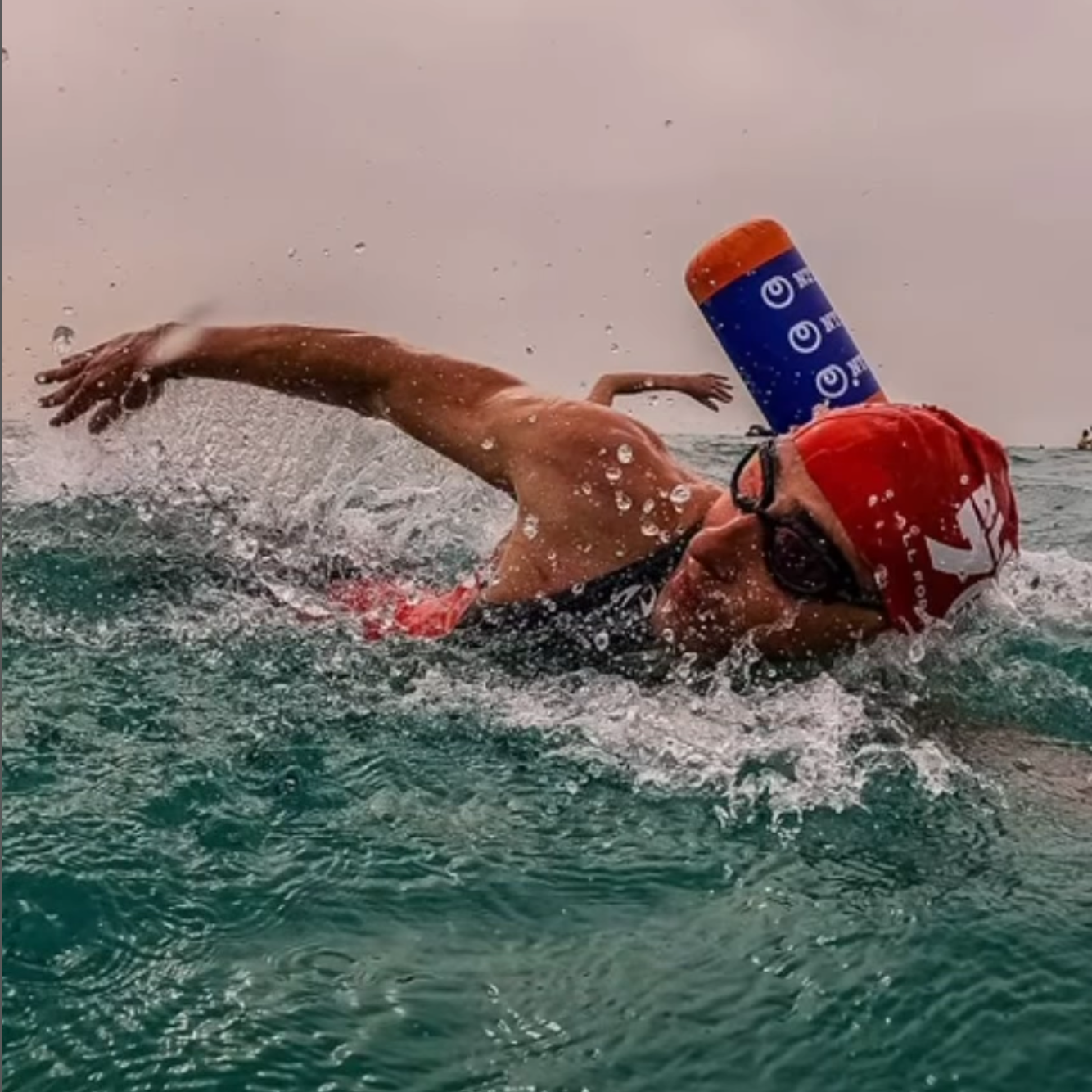
The part that gets missed most often is shoulder freedom. If a wetsuit pulls across the upper back or locks the shoulders down, the child does not simply feel uncomfortable. Their stroke changes almost at once. The front end shortens, the elbows drop, and breathing often becomes rushed because the swimmer starts lifting the head instead of rotating smoothly.
This is one reason open-water swimming can look harder than it should for a child in a poorly fitted suit. Parents may assume the swimmer is nervous. Coaches may think the child just needs more practice outside the pool. Sometimes both are true. Sometimes the suit is sitting too low through the torso, dragging on the shoulders, and turning a normal freestyle stroke into a struggle.
Children usually react faster to poor fit than adults do. An adult can push through mild restriction for a short session. Most kids cannot. They have less strength to overcome resistance from the suit, and less technical margin when timing starts to slip.
Why a dry-land fitting is not enough
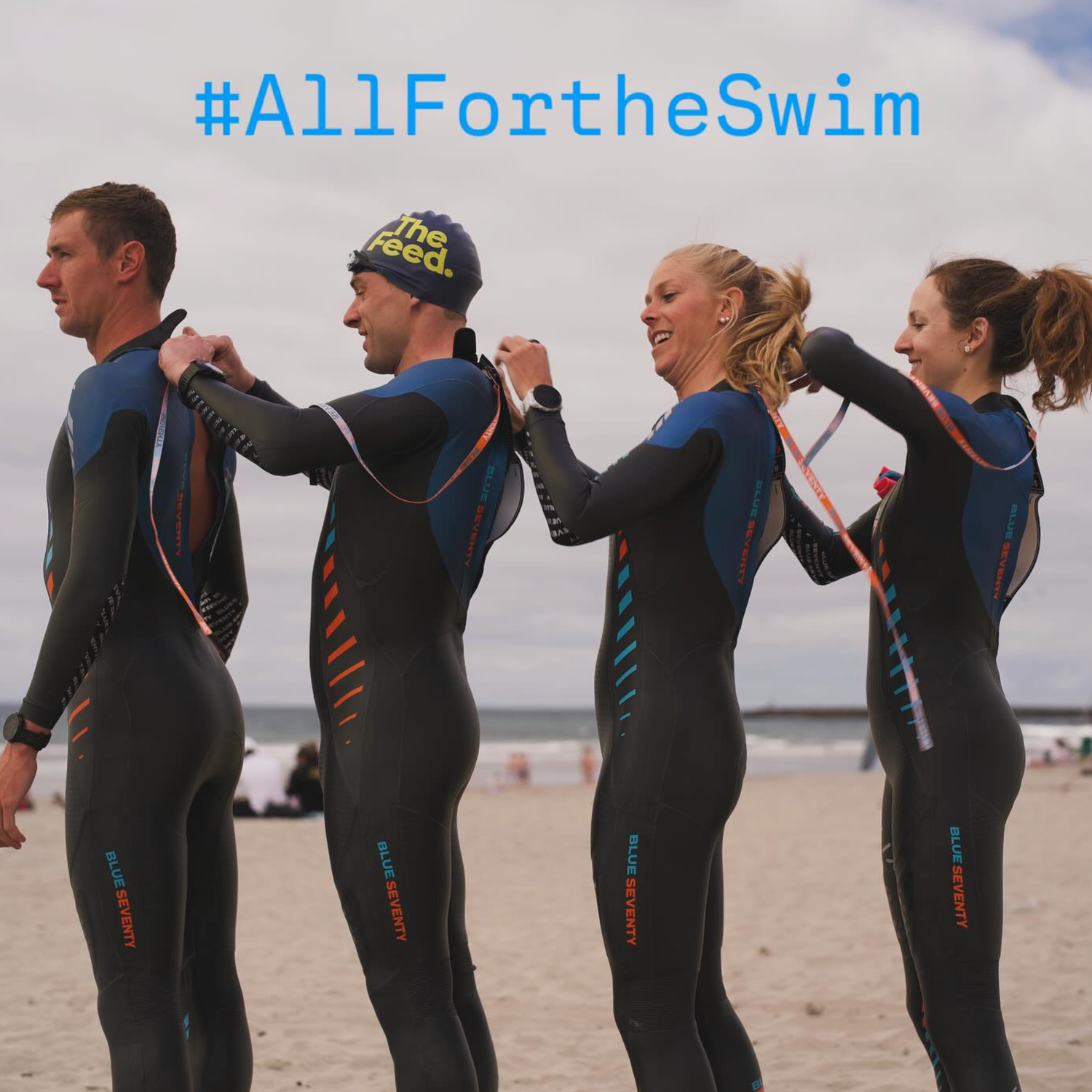
A swim-specific wetsuit should feel snug on land. That part is normal. It should also feel better once it is fully positioned on the body and the swimmer gets into the water. The trouble is that many rental fittings stop halfway through the process. The legs are only partly worked into place, the torso sits low, the suit gets zipped too early, and the swimmer decides the shoulders feel too tight.
That can create a false fit problem, or hide a real one.
Before judging any rental suit, take time to put it on correctly. For kids, patience matters here because they often want the process over in about thirty seconds.
- Pull the suit high through the legs.
- Work the neoprene upward through the hips and torso.
- Set the sleeves before closing the zipper fully.
- Smooth out bunching under the arms, behind the knees, and through the lower back.
- Have the child raise both arms and mimic a few freestyle strokes.
If the suit still feels restrictive after that, the fit is wrong in a way that matters. A size chart can point you in the right direction, but movement tells the truth.
Rental programs often prioritize durability
Rental inventory usually gets built around practical business needs. The suits need to survive repeated use, rushed fittings, heavy handling, and storage by families who may never have owned neoprene before. Those are fair priorities for a rental operation. They are not always the same priorities that matter most to a child trying to swim with a relaxed, efficient stroke.
That is why it helps to ask direct questions before taking the suit home.
- Is this a swim-specific wetsuit?
- How long has this suit been in the rental fleet?
- Does the shoulder area still have good stretch?
- Can we try another size if the torso fits but the shoulders bind?
- Can my child test it in the water before race day?
Those questions get closer to performance than asking what age range the suit is meant for. Kids do not swim by age bracket. They swim by how the suit moves with their body.
Water temperature should shape the decision
Water temperature has to be part of the rental decision. Blueseventy’s published guidance places purpose-built thermal suit use below about 56 to 58°F, where added warmth becomes more important. At the other end, above about 70 to 72°F, a full suit can feel too warm over longer swims. Kids often feel those swings quickly because race mornings and open-water sessions involve waiting, variable pacing, and uneven effort.
That means the right rental for one event may be the wrong rental for another, even when the distance looks similar. Conditions decide more than families expect.
One point is worth keeping clear: a wetsuit is not waterproof, and it does not keep a swimmer dry. A swim wetsuit lets in a thin layer of water, and the body warms that layer over time. The benefit is added thermal protection and buoyancy, not dryness.
Kids need a test swim before race day
A child should not wear a rental wetsuit for the first time on the morning of an event. The first swim in neoprene changes body position right away. Many swimmers notice extra lift through the hips and legs, which can help alignment in the water. Beginners often benefit the most from that change because improved buoyancy supports better position without forcing it.
Even so, the feeling is unfamiliar at first. That is why one short practice swim matters so much.
- Start with a careful dry-land fit.
- Let the child swim easily for several minutes.
- Add a few race-specific efforts, such as sighting or swimming continuously without stopping.
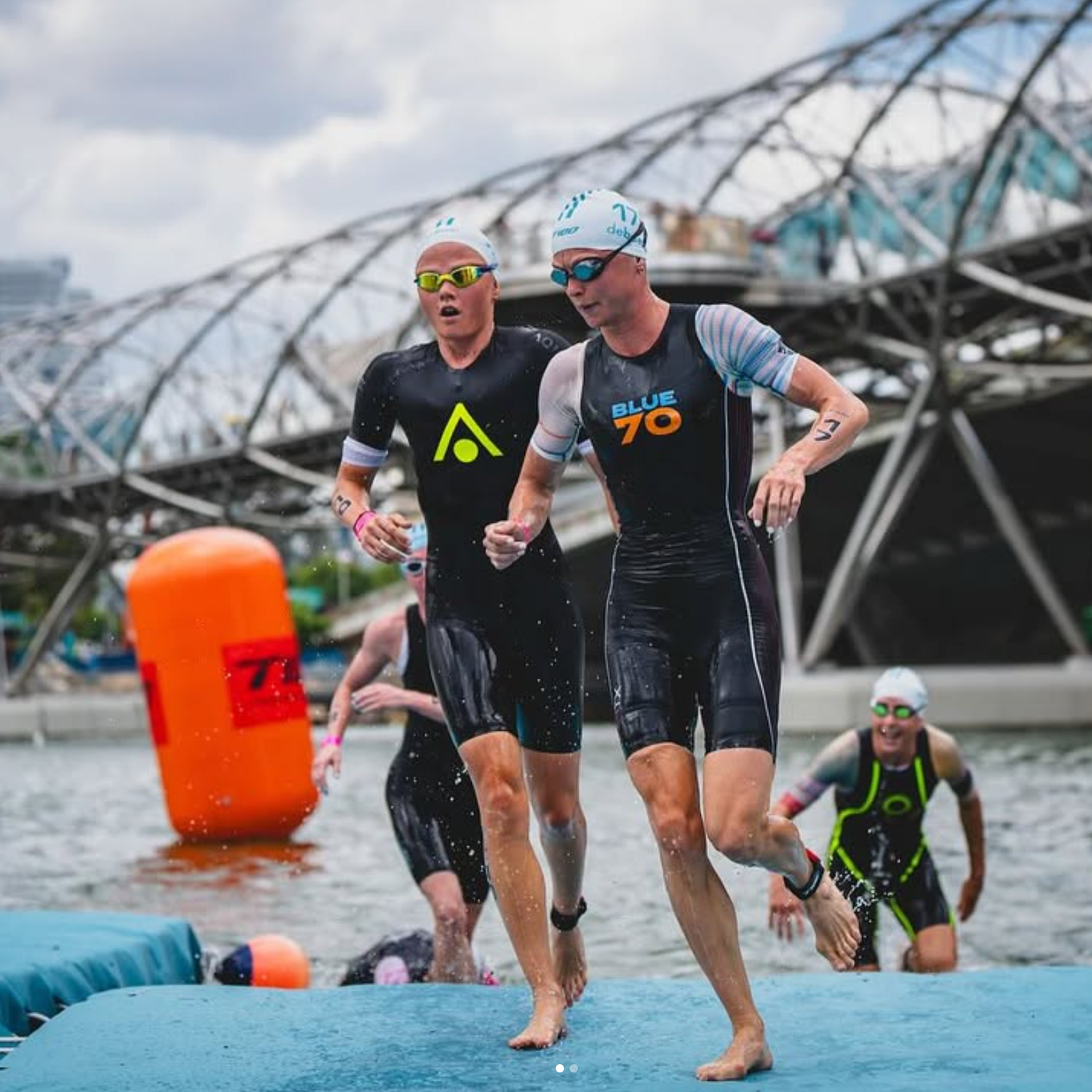
- If they are racing a triathlon, practice jogging out of the water once the swim is done.
That single session often reveals more than the fitting room ever could. If the suit is right, the swimmer usually settles. If the suit is wrong, you will see it in the stroke, the breathing, or the way the child starts tugging at the neckline.
The contrarian point: rental can become the less practical choice
For one event, rental often makes good sense. Across a full season, the math changes. If a child uses a different rental for each race, clinic, or lake swim, they keep resetting the adaptation process. The shoulders feel different. The neckline changes. The buoyancy shifts. Even the way the ankles release during wetsuit removal can change from one suit to the next.
That inconsistency can slow learning. Children build confidence through repetition, and repeated swims in one properly fitted suit give them a more stable sense of what open-water swimming should feel like. For a family planning regular use, ownership can become the more practical choice because it removes one variable from the learning process.
Signs a rental suit is working
A good rental usually shows itself quickly in the first swim. Look for these signs:
- The child can recover the arms without visible strain.
- Breathing settles after the first few minutes.
- The hips and legs ride a bit higher in the water.
- The neckline stays comfortable during normal head movement.
- The swimmer says the suit felt unusual at first, then started to feel normal.
That last response is common. Different is fine. Restricted is not.
Signs the fit is wrong
Some problems show up before the swimmer even gets wet. Others appear during the first few minutes in open water. Either way, do not ignore them.
- The child cannot lift the arms comfortably on land.
- There are large folds behind the knees or under the arms.
- The neckline presses hard against the throat while standing upright.
- One shoulder feels pinned or harder to move than the other.
- The stroke shortens quickly once the swimmer starts moving.
- Taking the suit off requires excessive force or rough pulling.
Kids usually show fit problems in their movement before they can explain them clearly. Watch the stroke, not only the expression on their face.
When buying starts to make more sense
Blueseventy’s current US line includes the Torpedo Kids wetsuit at $175, based on verified product information for the US site. For some families, that makes ownership worth considering once the child moves past one-off use and into repeated open-water practice or racing.
The bigger point is not to push every family away from rental. It is to frame the decision correctly. If the suit will be used once, rental can be the right answer. If the child will train in it, race in it, and return to open water through the season, a consistent swim-specific fit often becomes more valuable than the short-term savings of rotating through whatever rental is available.
A child’s first open-water experience should teach rhythm, breathing, sighting, and confidence. It should not teach them to fight a suit that is working against their shoulders. Families who want more certainty before race day can use Blueseventy’s size charts, fitting guide, and Take a Test Swim program to check fit in real swimming conditions instead of guessing from a quick zip on shore.