


Cold water: what you are up against
Water pulls heat from your body roughly 25 times faster than air of the same temperature. When you hit water in the 50s or low 60s without protection, three things happen fast. The cold shock response spikes your heart rate and makes you gasp. Within minutes, blood flow to your hands and feet drops, and dexterity fades. If you stay in long enough, your core temperature falls and hypothermia sets in. Each of these is a separate threat, and all of them can happen to fit, experienced swimmers.
The safety margin you have comes down to water temperature, exposure time, your personal cold tolerance, and what you are wearing.
What a thermal wetsuit actually does
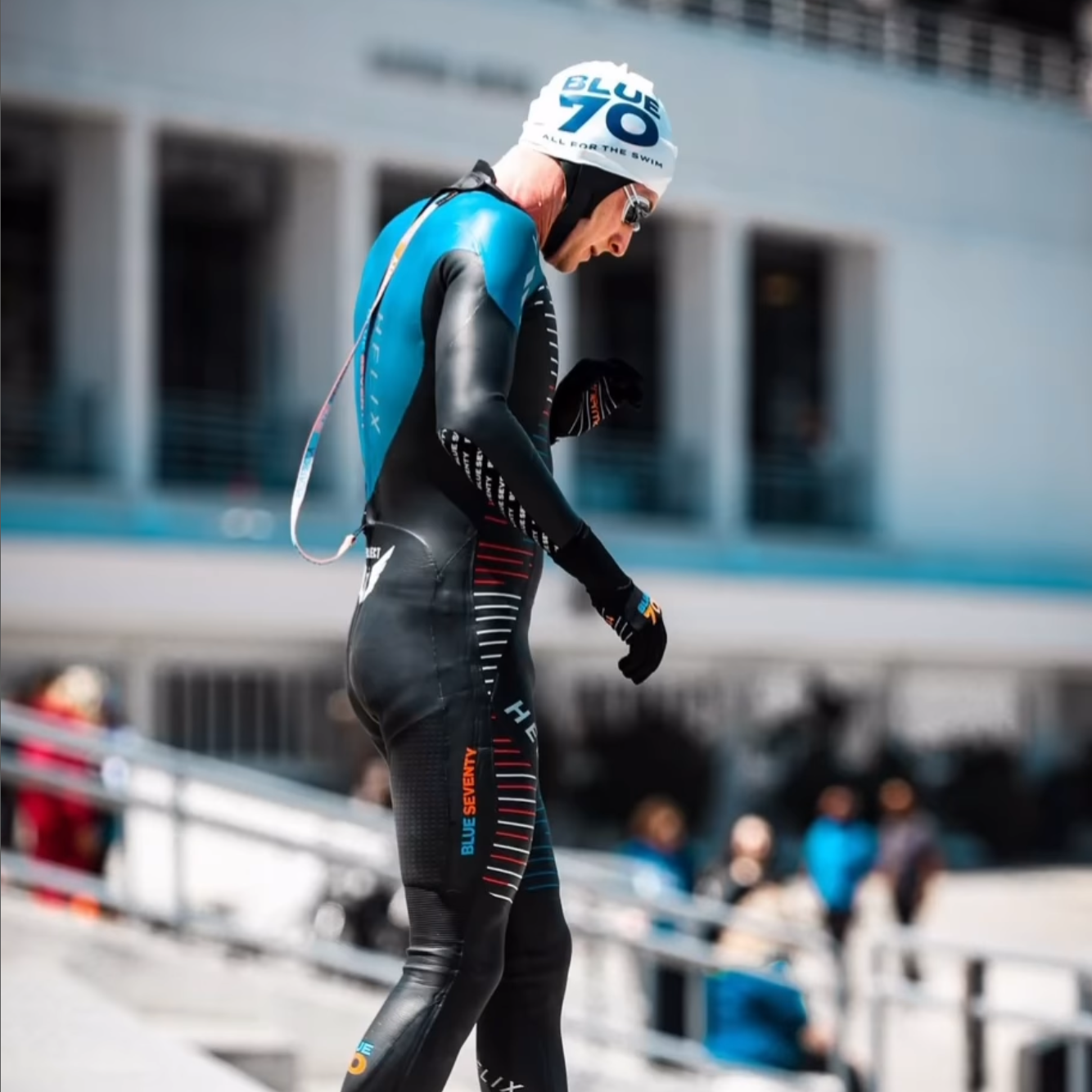
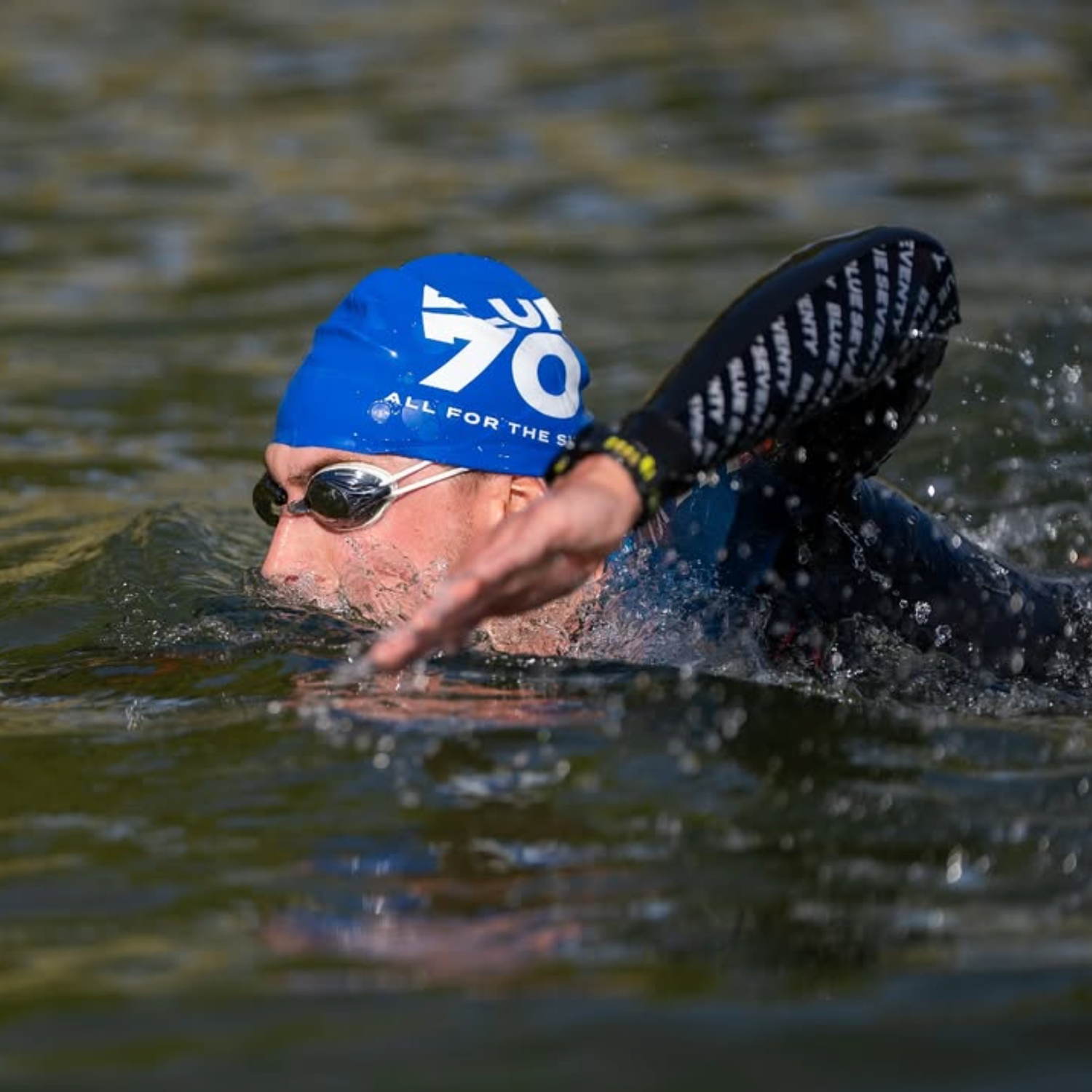
A wetsuit like the blueseventy Thermal Reaction is not waterproof. It deliberately lets a thin layer of water inside the suit. Your body warms that water, and the closed-cell neoprene traps it there, turning it into an insulating layer. The Thermal Reaction takes this further by lining the entire suit with Zirconium jersey - a synthetic wool that holds more of that warmed water against your skin and cuts heat loss in cold conditions.
The suit also adds buoyancy. Neoprene lifts your hips and legs, which improves body position and reduces drag. That matters in cold water because poor body position burns energy you need to stay warm. Less wasted energy means you can sustain your swim longer without your core temperature dropping as quickly.
None of this turns the suit into a personal flotation device. It will not hold your head above water if you stop moving. It adds significant thermal protection and frees you to focus on your stroke instead of fighting the cold.
When a thermal suit makes sense
Blue70 designs its cold-water suit for water that sits consistently below about 56-58°F. In that range, an unlined wetsuit can still leave you feeling the chill before you finish a long training set. The Thermal Reaction’s full-jersey lining makes a noticeable difference here. It extends the time you can spend in the water comfortably and safely, provided you stay within your limits.
Above roughly 65°F, many swimmers find a standard lined wetsuit like the Reaction or Fusion is enough. Above 70-72°F, a full suit can start to feel too warm on longer swims, and that is when sleeveless suits or swimskins become the better tool. These numbers are starting points - every swimmer’s cold sensitivity is different.
Safety practices no suit can replace
Even the best cold-water wetsuit cannot fix poor planning. These habits matter more than any piece of gear.
- Swim with a buddy. Never swim cold water alone. Cold incapacitates quietly, and a second person is the difference between a scary moment and a catastrophe.
- Limit your time. Set a duration based on the water temperature and your recent experience, not your summer fitness. Start short and build slowly over weeks.
- Add thermal accessories. A neoprene cap and gloves cut heat loss at your head and hands, where it is highest. Blue70 makes thermal caps and gloves that match the cold-water line.
- Acclimate gradually. The body adapts to cold water with repeated, controlled exposure. Rush it and you risk afterdrop - the dangerous continued cooling of your core after you exit the water.
- Know your entry and exit. Cold water can make shorelines slippery and limbs clumsy. Plan how you will get out before you get in.
Choosing your cold-water wetsuit
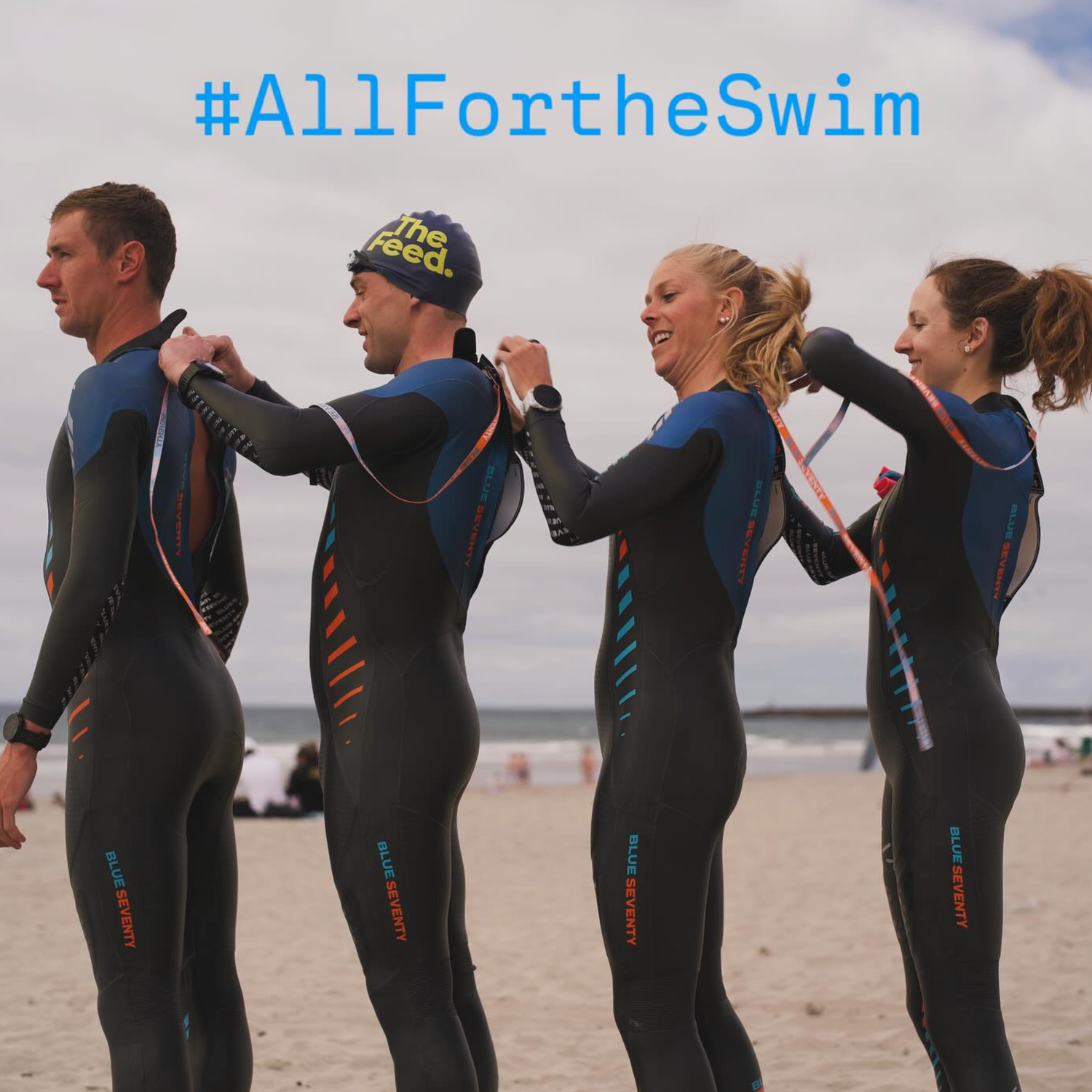
If you are swimming below about 58°F, the Thermal Reaction is built for that job. The Zirconium lining, Yamamoto neoprene, and swim-specific cut keep you mobile without sacrificing insulation. Fit is what makes the whole system work, though. A suit that is too loose lets too much cold water flush through, overwhelming the warmed layer inside. A properly snug suit - especially in the torso and neck - lets that thin water layer do its job. The suit should feel tight on dry land and relax slightly once you are in the water.
Blue70’s Test Swim policy lets you take any wetsuit into the water, check the fit, and still return or exchange it within 30 days if it is clean, dry, and unmodified. Use that. A suit that fits well will feel secure, not restrictive, in the shoulders, and it will not leave gaps at the neck or wrists.
The bottom line
You can swim in cold water without a wetsuit for very short durations, but the margin for error is small. A properly fitted thermal wetsuit stretches that margin significantly. It gives you insulation, buoyancy, and the freedom to concentrate on your swim rather than your body temperature. Pair it with the right safety habits, and cold water swimming stops being a gamble and becomes a skill you build over months and seasons.
Explore the Thermal Reaction at blueseventy.com, then read the fitting guide to lock in the right snug fit - because a suit that lets in too much cold water cannot do its job.