


Some chest pressure on dry land is normal. True restriction that limits your breathing or shoulder rotation is not. The usual causes are how the suit is put on and how its torso length matches your body.
A swim-specific wetsuit fits tighter than clothing by design. It should feel like a firm second skin, with the chest panel lying flat against your sternum. That firmness helps hold a thin layer of water close to your body, which your skin warms to add thermal protection. A close chest fit also reduces excess water movement inside the suit, which helps maintain body position during a swim. The trade-off is that first-time open water swimmers often notice the pressure before they have felt the suit in the water.
Start with how you put it on
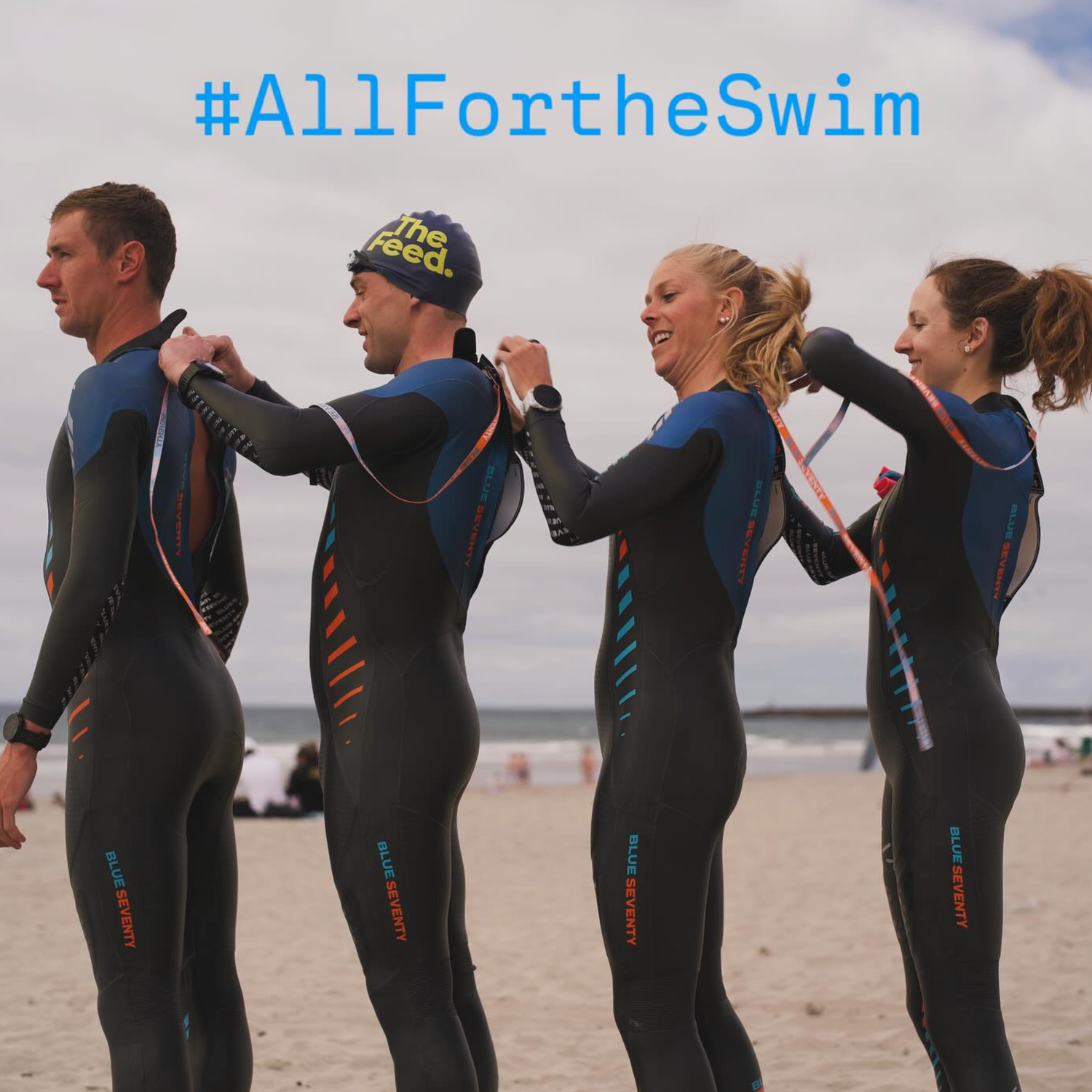
Many chest restriction complaints begin below the chest. If the legs are not pulled up enough, the torso material sits too low and tugs across the front. Work the suit into place in this order:
- Pull the neoprene up from the ankles and calves first, then the thighs.
- Pull the crotch all the way into place before touching the shoulder straps.
- Use flat palms to work the torso panel upward while the suit is seated at the hips and crotch.
- Settle the shoulders last.
A suit that is donned too low will pull across the chest no matter what size it is.
Then do a dry-land fit check.
- The chest panel lies flat, not stretched into horizontal wrinkles.
- The zipper closes without two people pulling it.
- You can take a full breath without a band-like squeeze across your ribs.
- When you raise both arms overhead, the suit does not yank downward through the shoulders and chest.
If the suit fails those checks, re-don it with more attention to the legs and crotch. That solves many near-size chest complaints.
What the water should change
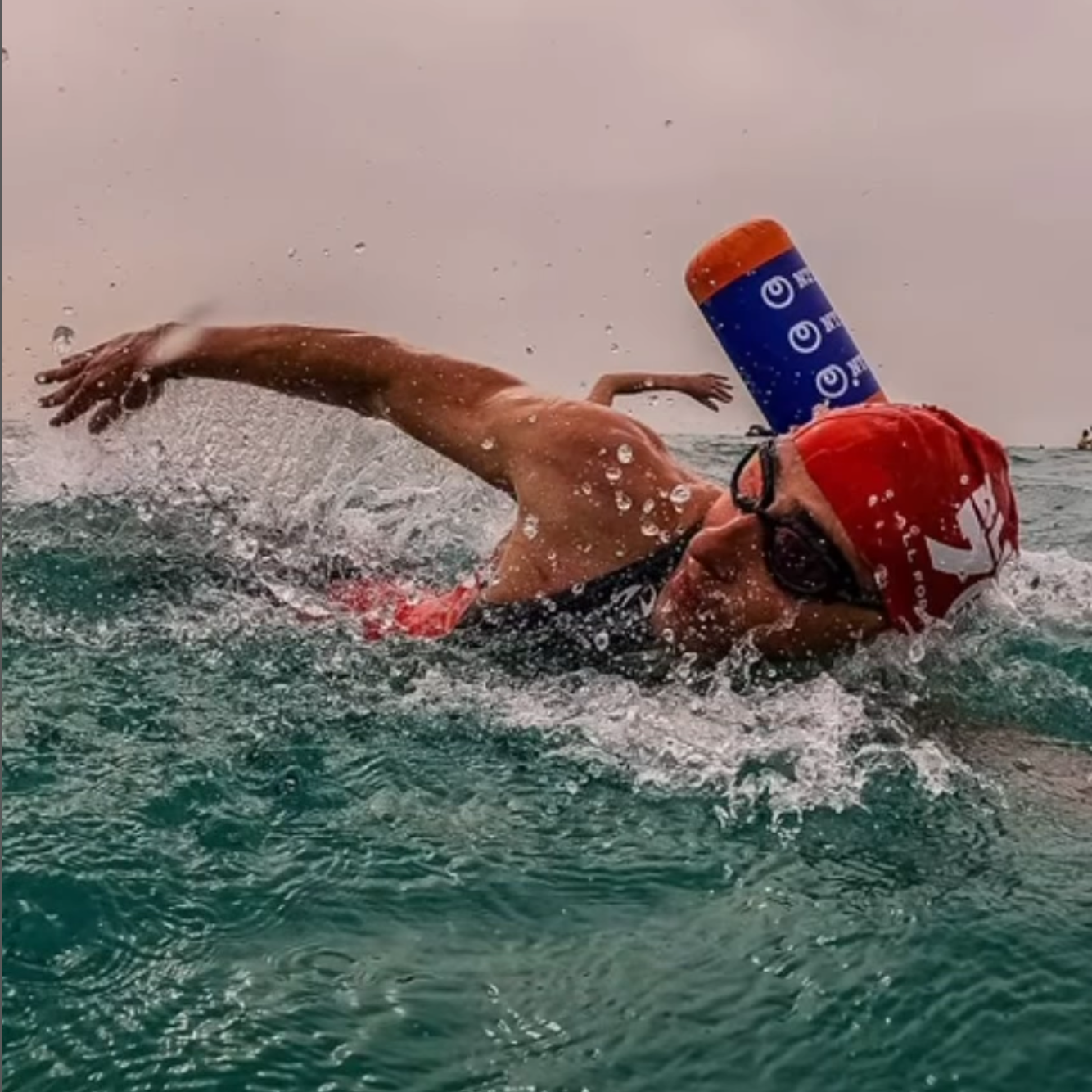
The real test is swimming. In the water, a suit that felt tight on land usually relaxes. Neoprene softens as it warms, and the horizontal swimming position lets the chest panel sit differently than it does when you are standing. Swim ten easy minutes. You should be able to rotate for a freestyle breath, sight forward without the neckline digging, and keep your breathing rhythm without fighting the suit.
If you stop to catch your breath on a wall or dock, or if you feel claustrophobic, that is not a normal chest fit. That suit is too small through the torso or too short for your chest-to-shoulder length. Don't tough it out through a race build.
Chest tightness can be a shape issue, not just a size issue
Wetsuit charts use height and weight, but two people with the same height and weight can need different sizes. Torso length and chest circumference matter. A suit that is short through the torso will pull down from the shoulders and press into the front of the chest, even when the chest circumference measurement on the size chart looks correct. If that is what you feel, size up or look for a cut with more room through the bust and torso.
blueseventy builds its women's suits with Femme Fit, which changes the pattern in the bust, torso, wrists, and ankles. The chest panels follow the body rather than flatten it, and the neckline sits lower to reduce pressure at the collarbone. If you have previously felt squeezed across the front of a suit without women's-specific patterning, a women's Femme Fit model is the place to start. The longer zipper also makes entry easier and helps the suit sit correctly through the hips.
Model choices when the chest is your concern
If you want a lower neckline, blueseventy redesigned the Fusion in 2021 with a lower-sitting neck for comfort without losing the seal. That can help if pressure at the throat and upper chest is the main complaint. The Helix uses thinner neoprene in the arms and shoulders for freer rotation. That does not fix a torso that is too short, but it helps keep shoulder movement natural. For colder water, the Thermal Reaction has a full Zirconium jersey lining. That lining changes the suit's feel, so check the size chart rather than assuming it will fit exactly like an unlined suit.
Quick guide: workable pressure or too tight
- If the pressure is mostly when standing and it eases in the water, that is a firm but workable fit.
- If you cannot zip the suit without help and cannot take a full breath, size up.
- If the neckline digs into your throat or collarbone, try a model with a lower neckline.
- If the chest panel has horizontal stretch lines or you feel downward pull through the shoulders, the torso length is too short.
You do not have to decide on dry land
blueseventy's test swim policy lets you swim in the suit and still return or exchange it if it comes back clean, dry, unmodified, and with tags and accessories. That matters for a chest fit question. You can take the suit to a pool or calm open water, swim for ten or fifteen minutes, and then decide. A suit that feels tight in the store often settles once you are horizontal and moving.
Use the size chart and fitting guide on the site, and take the suit for a swim before you commit. A chest panel that restricts breathing is not something to ignore, but some dry-land pressure is part of how a swim wetsuit fits. Find the suit that feels firm on land and frees you in the water.
Happy swimming!