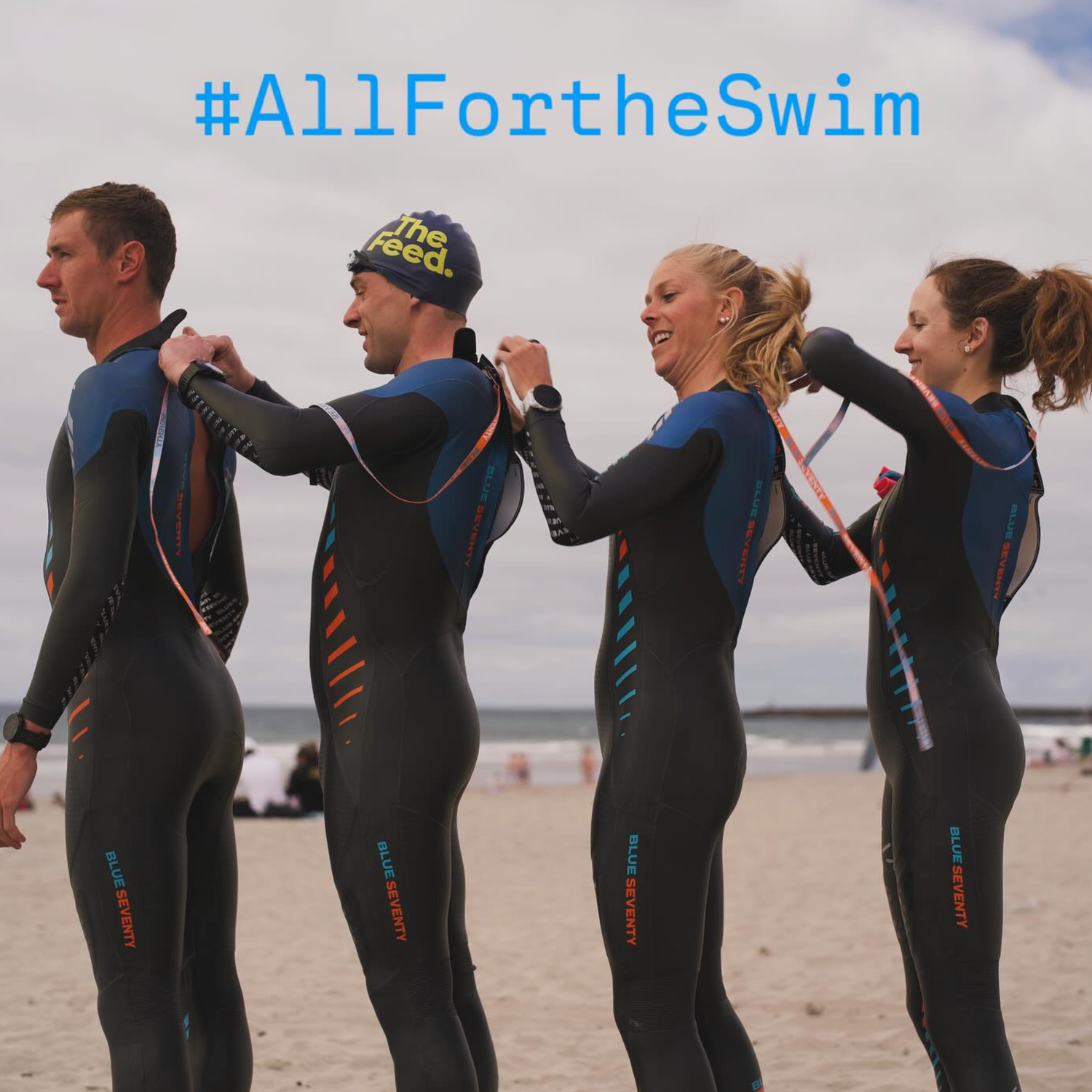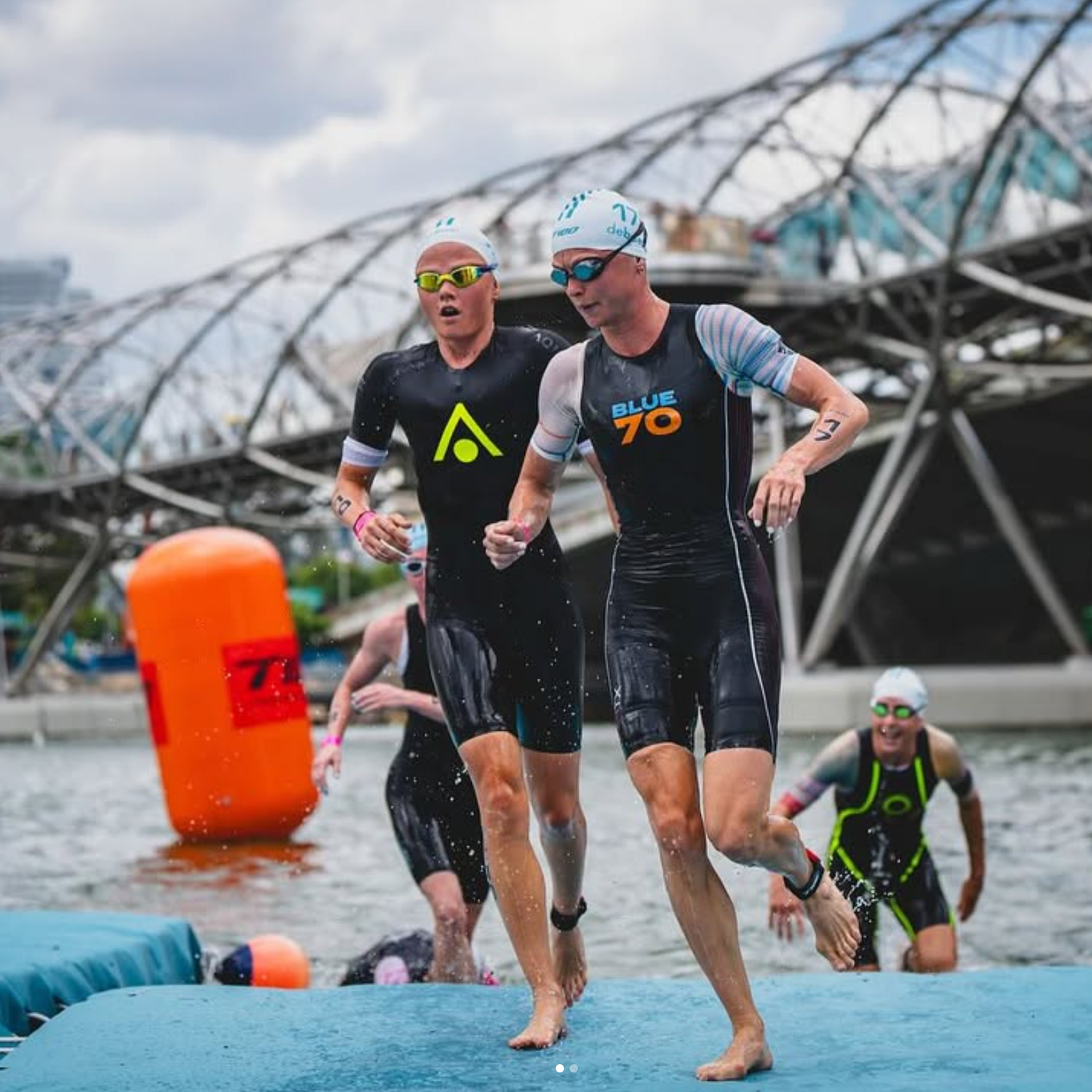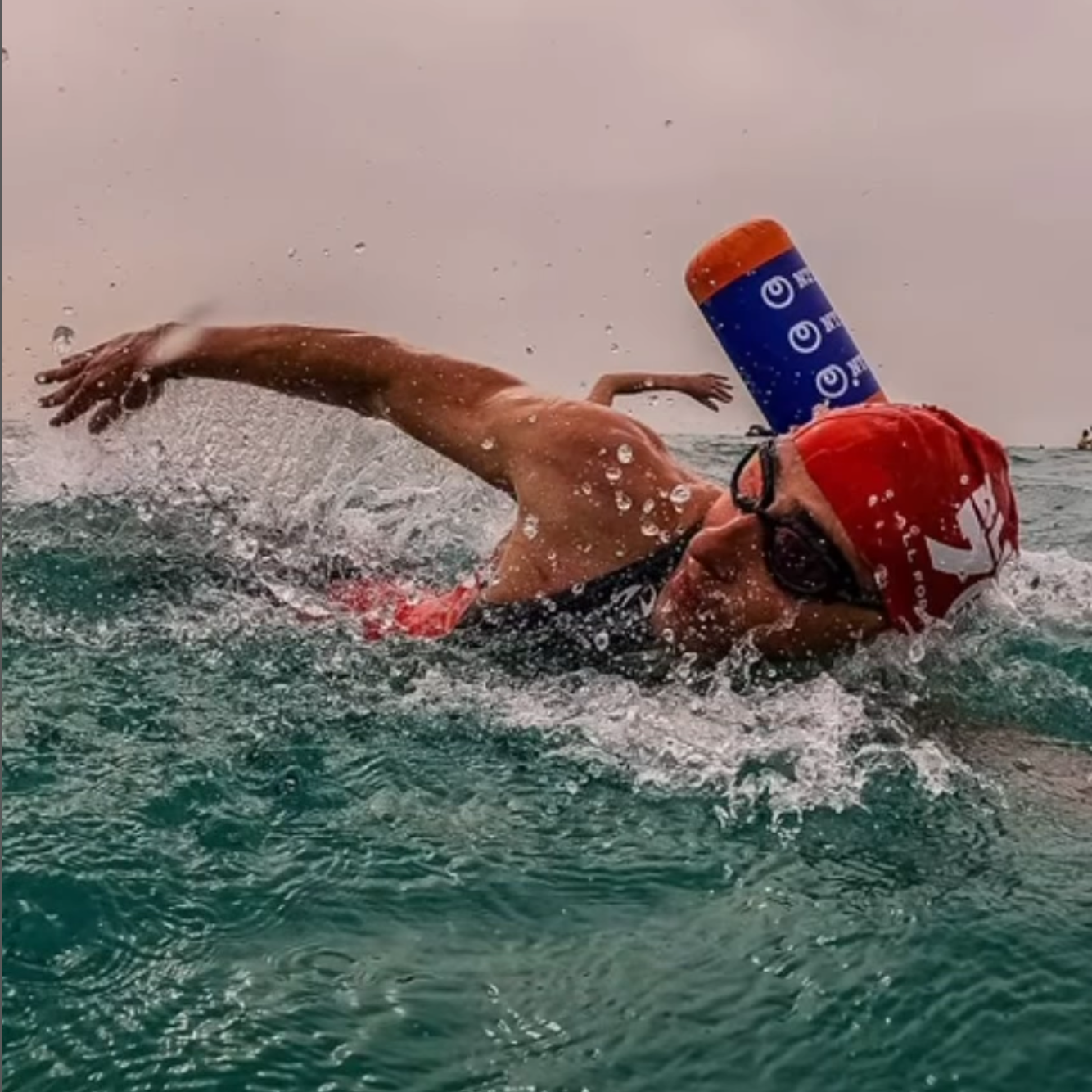



A swimming wetsuit doesn’t generate heat. It traps and preserves the warmth your body already produces. This distinction matters because how warm you feel depends on a combination of your suit choice, the water temperature, your body composition, and how long you’re in the water. Let’s break down what a swim-specific wetsuit actually does for thermal protection - and how to match your gear to your cold-water goals.
The thin layer of water that does the heavy lifting
Swimming wetsuits are not waterproof, nor do they keep you dry. When you first slide into cold water, a small amount of it seeps inside the suit. Your body quickly warms this thin layer, which then acts as an insulating buffer between your skin and the neoprene. The neoprene’s closed-cell structure slows the heat from escaping into the surrounding water. This is why a properly snug fit is critical - too much internal flush-through robs you of that warm boundary layer.
What influences how well a suit holds onto that warmth?
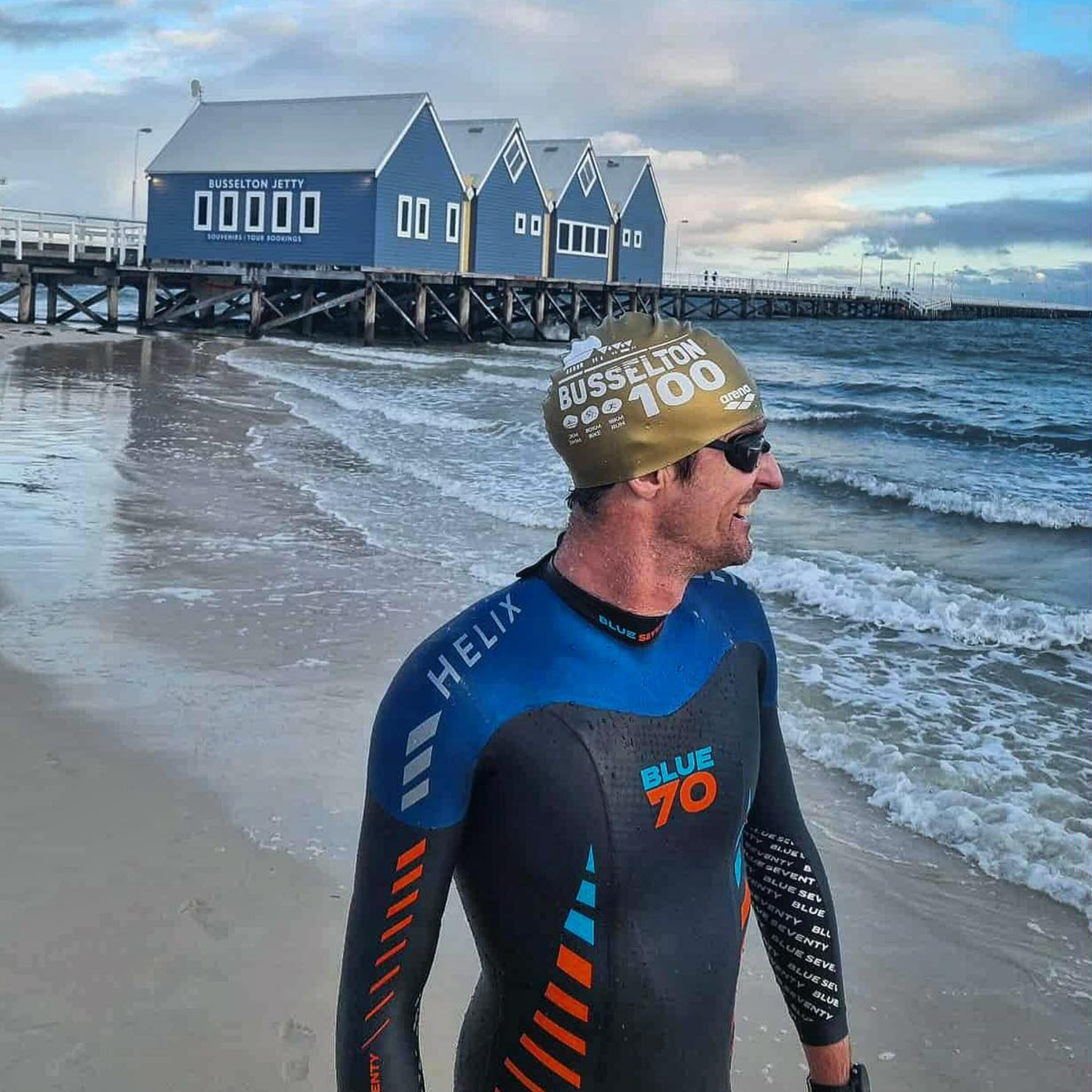
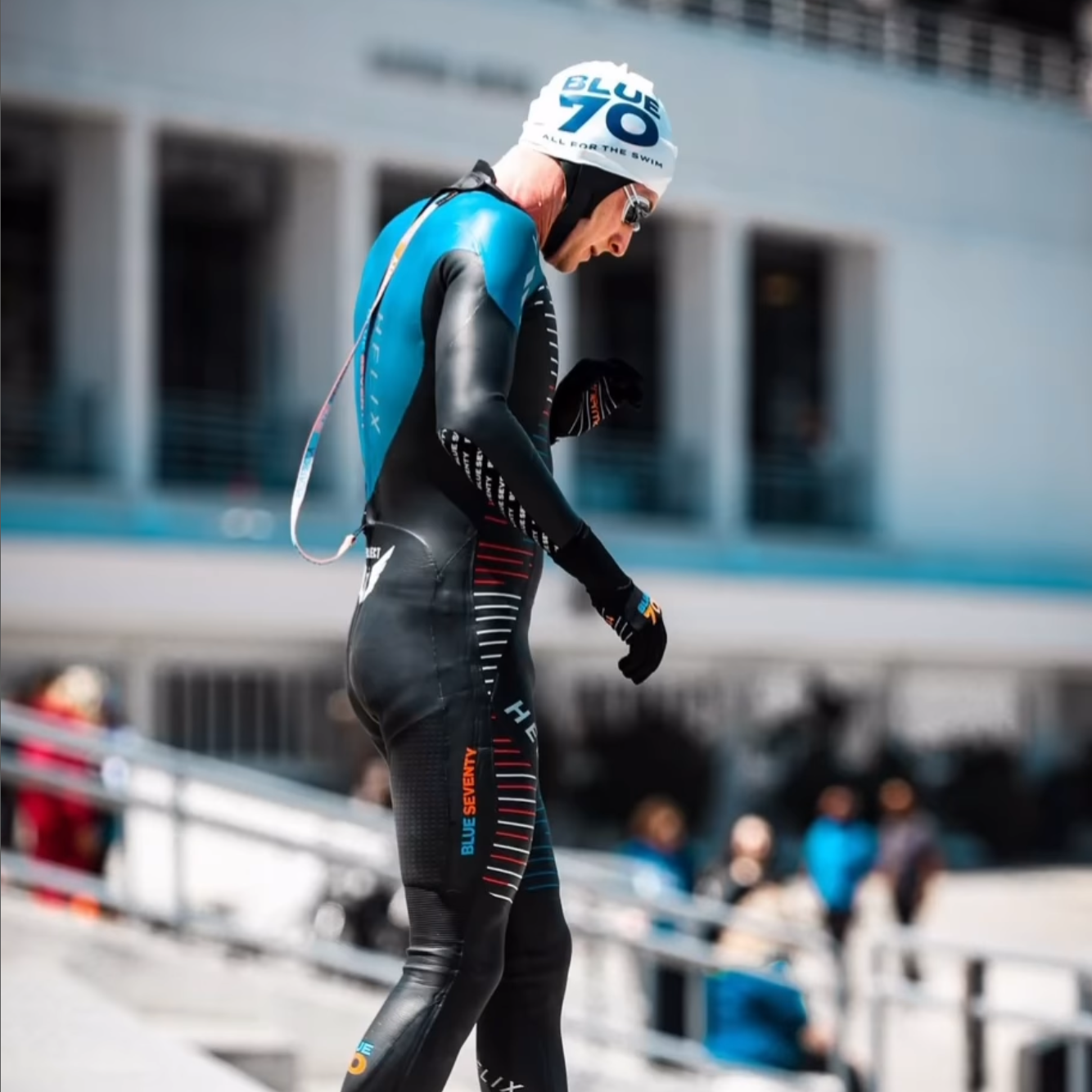
- Neoprene thickness and grade. All Blue70 wetsuits use high-grade Yamamoto neoprene (38, 39, and 40 cell), but models vary in panel thickness. Thinner, ultra-flexible neoprene - like on the flagship Helix - prioritizes shoulder mobility and speed, not maximum insulation. For cold water, a suit designed with extra lining and targeted thickness makes a noticeable difference.
- Inner lining material. This is where a purpose-built thermal suit separates itself. The Blue70 Thermal Reaction is fully lined with Zirconium jersey, a synthetic wool-like knit that adds a layer of dead-air space between the neoprene and your skin, dramatically increasing heat retention compared to a standard smooth-skin lining.
- Seal quality. A low, comfortable neckline, snug wrist and ankle cuffs, and good overall fit minimize water exchange. Even small gaps let cold water sneak in and push that warm film out. Blue70’s Femme Fit designs go further: lowered necklines reduce chafing, and extended zipper length enables a better seal across wider hips, helping female swimmers maintain warmth without sacrificing comfort.
Putting numbers to the feeling: the 56-58°F threshold
We often get asked, “What temperature water do I need a thermal wetsuit for?” While individual cold tolerance varies widely, a practical benchmark emerges: when the water drops below about 56-58°F, a standard performance wetsuit may no longer provide enough thermal protection for comfortable, extended swimming. At that point, a suit engineered specifically for cold water - like the Thermal Reaction - adds meaningful warmth and can make the difference between a 30-minute session and a full hour or more.
Above roughly 70-72°F, a full wetsuit can actually become too warm over longer swims, which is when many athletes switch to sleeveless suits or swimskins. Between those ranges, a conventional triathlon/OWS suit like the Reaction or Fusion delivers a solid balance of flexibility and thermal protection for regular training and racing.
Remember, these are not rigid safety guarantees - they’re guidelines shaped by decades of open-water swimming feedback. Always check current race-day water temperature rules from your sanctioning body, as wetsuit-legal cutoffs can vary.
Which Blue70 suit matches your cold-water scenario?
You’re swimming below 60°F - and you want to stay out there
- Thermal Reaction - The suit built for the job. Zirconium jersey lining throughout, durable neoprene that still allows a natural stroke, and racer DNA. It’s the choice for swimmers who refuse to end their outdoor season when the lakes get crisp.
You train weekly in cool water (mid-60s) and occasionally dip into the upper 50s
- Reaction - Higher-grade neoprene than our entry-level Fusion, with excellent flexibility and enough inherent insulation to handle brisk, frequent swims. Many swimmers pair it with a neoprene cap and gloves for those borderline-temperature days.
- Fusion - Our best-seller with a redesigned, lower neckline for comfort. Ideal for shorter sessions in cool but not truly cold water, or for athletes who run warm and prefer less bulk.
You’re a competitive racer, and warmth isn’t the priority
- Helix - Maximum speed, maximum feel for the water. The ultra-thin neoprene in the shoulders and arms delivers an uninhibited catch, but this suit sacrifices some thermal insulation. If the water is cold and speed is your only metric, add thermal accessories and consider a shorter exposure time.
Accessories that extend your range
Don’t overlook neoprene caps, gloves, and booties. A significant amount of body heat escapes through your head, hands, and feet. Adding a simple neoprene cap can greatly improve overall comfort without changing your suit.
The biggest warmth variable: your own body
A wetsuit is a thermal aid, not a thermostat. Two swimmers in the same suit and water temperature can report different experiences because of:
- Body composition. Subcutaneous body fat is a powerful insulator. Leaner athletes typically feel the cold faster.
- Acclimatization. Regular cold-water exposure builds physiological tolerance. Start with short dips, always swim with a buddy, and don’t let ambition outpace your safety margins.
- Effort level. A steady, sustainable pace generates more metabolic heat than floating or slow drifting. If you’re new to cold water, keep moving - and dial back the intensity if you start shivering uncontrollably.
Safety deserves the final word
No wetsuit, no matter how well insulated, eliminates the risks of cold-water swimming. Blue70 products provide added thermal protection and are designed for cold-water swimming - they are not personal flotation devices, they do not prevent hypothermia, and they cannot guarantee a safe experience. Always swim with a companion, know your exit points, and listen to your body. If you feel numbness, loss of coordination, or deep shivering, get out and get warm immediately.
The right cold-water wetsuit starts with the right fit, and the best way to know is to feel it in the water. Every Blue70 wetsuit comes with our Test Swim policy: swim in it, and if it’s not perfect, return or exchange it within 30 days - clean, dry, and undamaged. Dive in and find your thermal match at blueseventy.com.