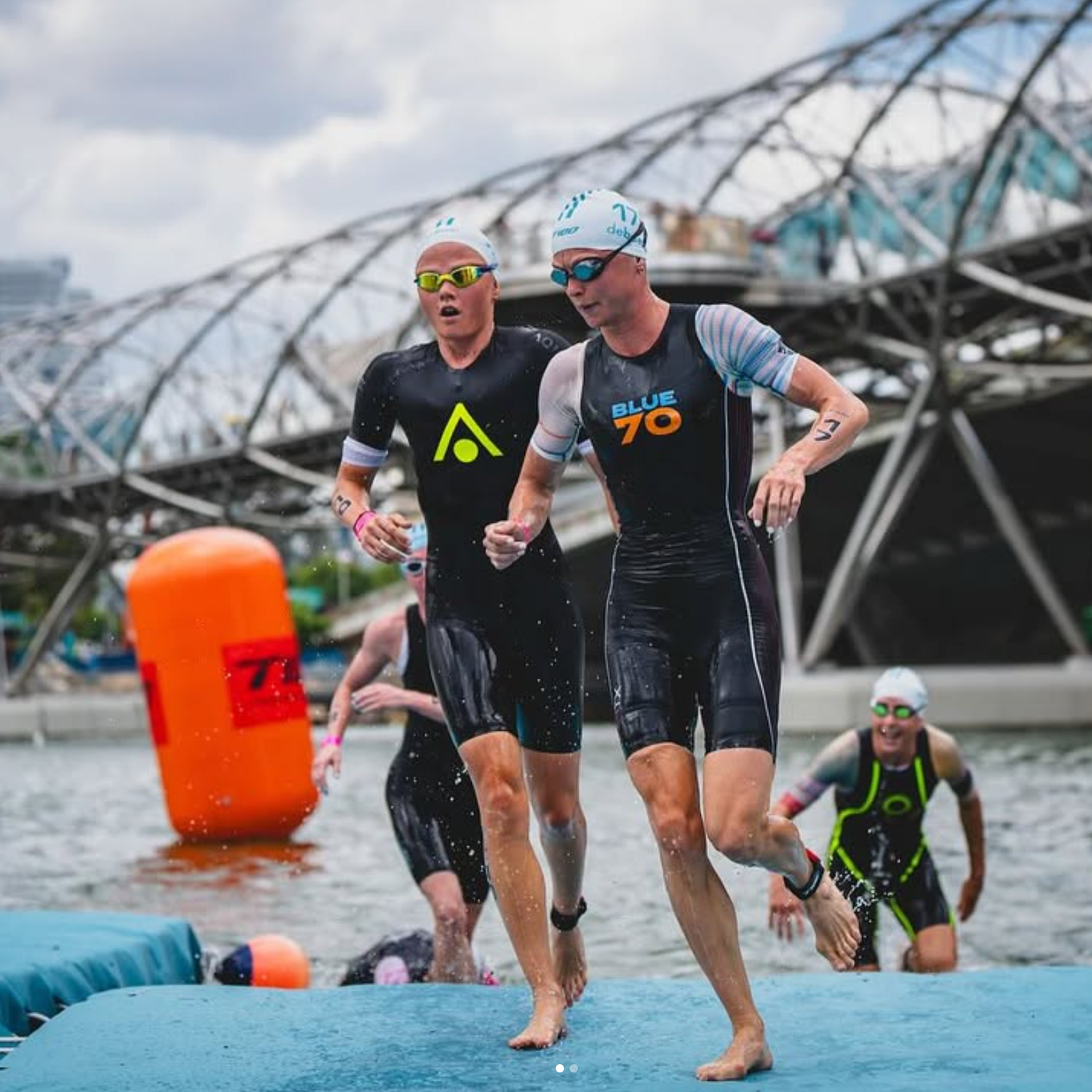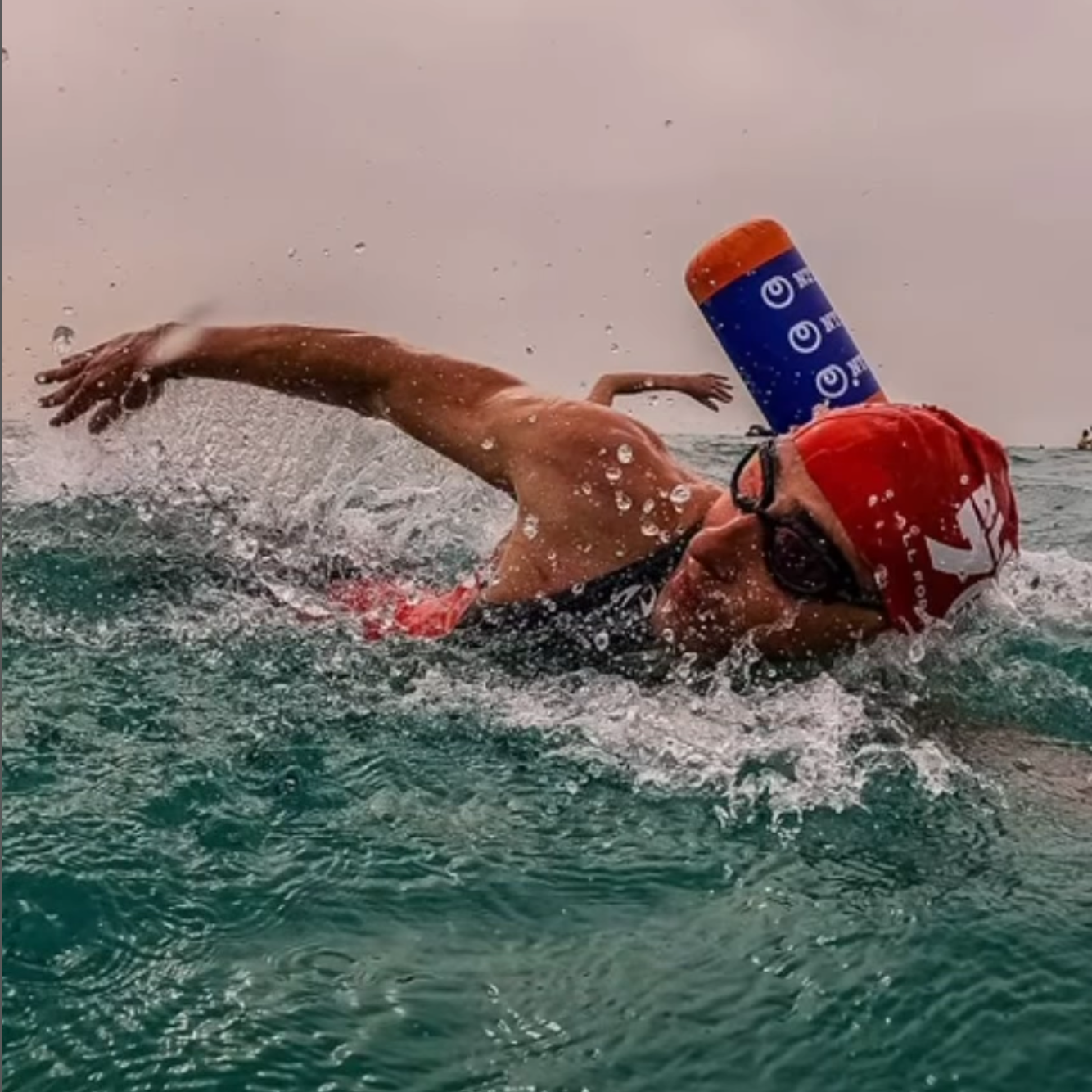



Most advice on wetsuit repair focuses on one question: how do you glue the tear shut? That matters, but it is only part of the job. A swim-specific wetsuit is built to stretch in certain places, hold shape in others, and move with your stroke without fighting you through the shoulders or bunching through the torso. When a tear shows up, the goal is not only to close the damage. The goal is to preserve how the suit fits and moves in the water.
That is the part many swimmers and triathletes do not think about until the suit feels different in training. A small split near the calf may stay minor for a while. A tear near the shoulder, underarm, neckline, hip, or ankle opening can change a lot more. Those areas take repeated stress every time you put the suit on, every time you swim, and every time you strip it off after a hard session or a T1 practice. Repairing that damage early gives you the best chance of keeping the suit comfortable, fast to remove, and true to its original fit.
Why a tear matters beyond cosmetics
Neoprene is not just a shell. It is part of the suit's fit system. Panel shape, seam placement, buoyancy distribution, and flexibility all work together. blueseventy builds swim-specific wetsuits around comfort, freedom from restriction, and performance in the water. If a tear changes how one panel stretches, you may notice it in places that seem unrelated to the cut itself.
A shoulder tear can create local tightness and make the recovery phase of your stroke feel less smooth. A damaged neckline can increase rubbing. A split near the lower leg can make wetsuit removal less clean when you are practicing transitions. None of that means a small tear will ruin a race, but it does mean a careless repair can change how the suit behaves once you start swimming hard.
Identify the damage before you repair it
The first step is simple: figure out what kind of damage you are looking at. A small fingernail nick is different from a seam opening, and both are different from damage near the zipper base.
Common types of wetsuit damage
- Surface nick or puncture: usually caused by fingernails during donning. The cut is short, clean, and limited to one area.
- Clean tear through neoprene: the edges separate, but they still line up neatly when the material is relaxed.
- Seam separation: the bonded or stitched seam starts to open, often in a high-stress area such as the underarm, crotch, ankle, or zipper zone.
- Zipper-area damage: damage around the zipper base or track carries extra load and often needs more than a simple glue fix.
- Large split or missing material: this moves beyond basic home repair and needs a more careful assessment.
If the tear crosses a seam, the surrounding neoprene looks thin, or material is missing, treat that as a bigger repair question from the start.
What you need for a clean repair
For most small tears, a simple repair kit is enough. blueseventy carries Aquaseal neoprene cement in its wetsuit care range, and that is the right type of product for small neoprene fixes. Keep the rest of the setup basic.
- Neoprene cement
- Fresh water
- Mild soap if the area is dirty
- A clean towel
- A flat work surface
- A small applicator or cotton swab if needed
Skip household glues. A repair that dries too stiff can create a hard ridge, restrict stretch, or fail once the panel starts moving again in the water.
Prepare the suit properly
Good repair starts with a clean, dry surface. Rinse the damaged area with fresh water. If the suit has salt, sand, sunscreen, or pool residue on it, wash that spot gently with mild soap and rinse again. Then let it dry fully.
This step matters because wetsuits are not waterproof, and neoprene can hold moisture longer than you expect. If the inside of the cut is still damp, the bond will be weaker. Once the area is dry, lay the suit flat and let the torn edges rest in their natural shape. Do not stretch the panel to inspect it. You want the material to close naturally before you glue it.
How to repair a small wetsuit tear
A careful neoprene repair is straightforward. Precision matters more than force.
- Open the tear gently. Separate the edges only enough to expose the cut surfaces.
- Apply a thin coat of neoprene cement to both sides. Use a light layer. Thick glue makes a bulky repair.
- Let the adhesive become tacky. Follow the product directions before joining the edges.
- Bring the edges together carefully. Match them exactly so the tear closes cleanly without overlap.
- Hold the area in place with light pressure. You want contact, not compression.
- Let the repair cure fully. Do not swim in the suit or stretch-test the area too early.
The key is alignment. If one side sits higher than the other, the repair may hold, but the panel can stop moving the way it was designed to move.
Why tear location changes the repair plan
The same size cut does not mean the same thing everywhere on a wetsuit. Location tells you how much stretch the repair will face and how careful you need to be before trusting it in training or racing.
Shoulder and underarm
These are high-mobility zones. Every stroke loads them. Small, clean tears can often be repaired at home, but anything involving a seam deserves extra caution.
Neckline
Neck repairs need to stay smooth. A bulky bond in this area can cause rubbing quickly.
Hip and side panel
These panels affect how the suit rotates with your torso. If the repair closes crooked, you may feel the difference every time you breathe.
Calf and shin
These areas are often more forgiving, provided the tear is clean and away from a seam.
Ankle and wrist openings
These openings get stressed every time you put the suit on or take it off. A repair here can work well, but only if you change how you handle that area afterward.
Zipper base
Treat this as a structural issue, not a simple surface tear. If the zipper attachment is compromised, glue alone often does not solve the real problem.
The most common repair mistakes
Most failed repairs happen for predictable reasons.
- Too much glue: thick adhesive leaves a rigid spot that changes panel stretch.
- Repairing damp neoprene: moisture weakens the bond.
- Poor alignment: a crooked repair creates pulling and bunching.
- Testing the repair too soon: surface dry is not the same as fully cured.
- Using a glue-only fix on seam or zipper damage: some problems need more than adhesive.
The bigger lesson: most tears start during donning and removal
Swimmers often assume a tear means the suit material failed. In many cases, the real cause is handling. Fingernail punctures, forced heel exits, and hard pulling at the shoulders are common sources of damage, especially with flexible neoprene in high-performance panels.
That matters because preventing the next tear often has less to do with repair technique and more to do with better habits. A wetsuit should feel snug on land and more comfortable once you are in the water. If the suit is sitting low through the hips or shoulders, athletes often pull harder from the wrong place instead of repositioning the lower body first. That is when small cuts start.
Habits that reduce damage
- Use the pads of your fingers, not your nails
- Work the suit up gradually from the ankles and calves
- Set the hips and torso before judging shoulder tension
- Take extra care at the wrists and ankles
- Do not force the zipper if the body of the suit is sitting low
- Practice removal technique before race day
If you need help with fit, the blueseventy fit resources at /pages/fitting-wearguide and the size charts at /pages/all-size-charts are good places to start.
When a home repair is enough
A home repair is usually a reasonable option when the tear is small, the edges are clean, the surrounding neoprene is healthy, and the damage does not run through a seam or zipper attachment area.
If the tear keeps reopening, if the panel feels thin around the cut, or if several damaged areas are starting to stack up across the suit, it is time for a more honest gear assessment. Sometimes repair extends the useful life of a suit. Sometimes it tells you the suit has moved into a different role.
How to think about a repaired suit for training and racing
A good repair can restore function well enough for many swims, but it does not make an older suit new again. Be realistic about where the repaired area sits and how much stress it will face. A small calf repair may not change much. A twice-repaired shoulder panel in a high-flex race suit deserves a closer look before you trust it for an important event.
That is where understanding the intended use of the suit helps. blueseventy is candid about trade-offs across the line. The Helix uses very thin, highly flexible neoprene in the arms and shoulders for race-day performance, and the brand notes that this construction is not ideal for heavy training use. Frequent swimmers often look to the Reaction for longer swims or the Fusion for shorter frequent swims because durability matters when the suit is going on week after week.
Repair decisions get better when they match the job the suit still needs to do.
Care habits that make future repairs less likely
Good care helps preserve neoprene and makes successful repairs more likely if you ever need one.
- Rinse the suit with fresh water after each swim
- Dry it away from direct heat
- Store it flat or on a wide hanger
- Keep it away from sharp objects in bags and car trunks
- Avoid forcing zippers or rushing heel removal
Heat, chlorine exposure, and rough handling all shorten neoprene life. They also make later repairs less dependable because the material loses resilience.
A quick check before the next swim
Before you take a repaired wetsuit back into the water, run through a short check.
- The repair is fully cured
- The area lies flat
- No nearby seam is opening
- The panel still moves naturally
- You can put the suit on and remove it without stressing that spot
A wetsuit tear is never only about appearance if it changes how the suit fits, stretches, or comes off in transition. Repair it with the suit's movement in mind, and you protect more than the neoprene. You protect comfort, fit, and the way the suit supports your swim.
If you want a second opinion on fit, care, or whether a damaged suit is still the right choice for your season, blueseventy offers Expert Support at /pages/contact-us. A careful fit and better handling habits prevent a lot of repairs before they start.