


It’s one of the first questions every triathlete and open-water swimmer asks, and the answer is more useful than a single number. A swimming wetsuit’s lifespan depends on the model you choose, how often you swim, and how you care for it. Get those three things right, and your Blueseventy suit can serve you season after season.
1. The model matters: performance versus durability
Not all swim-specific wetsuits are built the same way - and that’s deliberate. We engineer each Blueseventy model around a different balance of speed, comfort, and longevity.
Helix - the race-day specialist. Our flagship suit uses extremely thin, flexible Yamamoto neoprene in the arms and shoulders, plus a permeable catch panel, to give you maximum feel for the water and freedom of movement. That thin, high-performance material will break down more quickly under heavy training use. If you race a handful of times a year and do the bulk of your swims in a second suit or in the pool, your Helix will be a faithful weapon for multiple seasons. If you try to log hundreds of training miles in it every week, expect it to wear faster.
Reaction - the frequent swimmer’s workhorse. Built with a higher-grade neoprene that strikes a deliberate balance between flexibility and durability, the Reaction is our recommendation for athletes swimming a mile or more in open water at least once a week. It’s also fully appropriate for racing, but its construction is designed to hold up to consistent use without sacrificing body position or shoulder mobility.
Fusion - short and regular laps, long lifespan. The redesigned Fusion uses a comfortable, lower-sitting neckline and durable materials suited to shorter, frequent swims. It’s an ideal choice for the new triathlete or the dedicated age-grouper who wants a suit that will go the distance through a full training block.
Thermal Reaction - cold-water training. Fully lined with Zirconium jersey, this suit lets you extend your season into water below 58°F. The neoprene is performance-grade but the lining adds an extra element that deserves gentle handling; rinsing thoroughly and drying properly will keep it insulating for a long time.
The takeaway? The Helix is a race-day tool, and it rewards a lighter training schedule. The Reaction and Fusion are built to be the tank in your gear bag - choose based on how long your typical swim session is.
2. How you treat the suit on land
This is where most premature aging happens, and it’s almost always avoidable.
Donning the right way
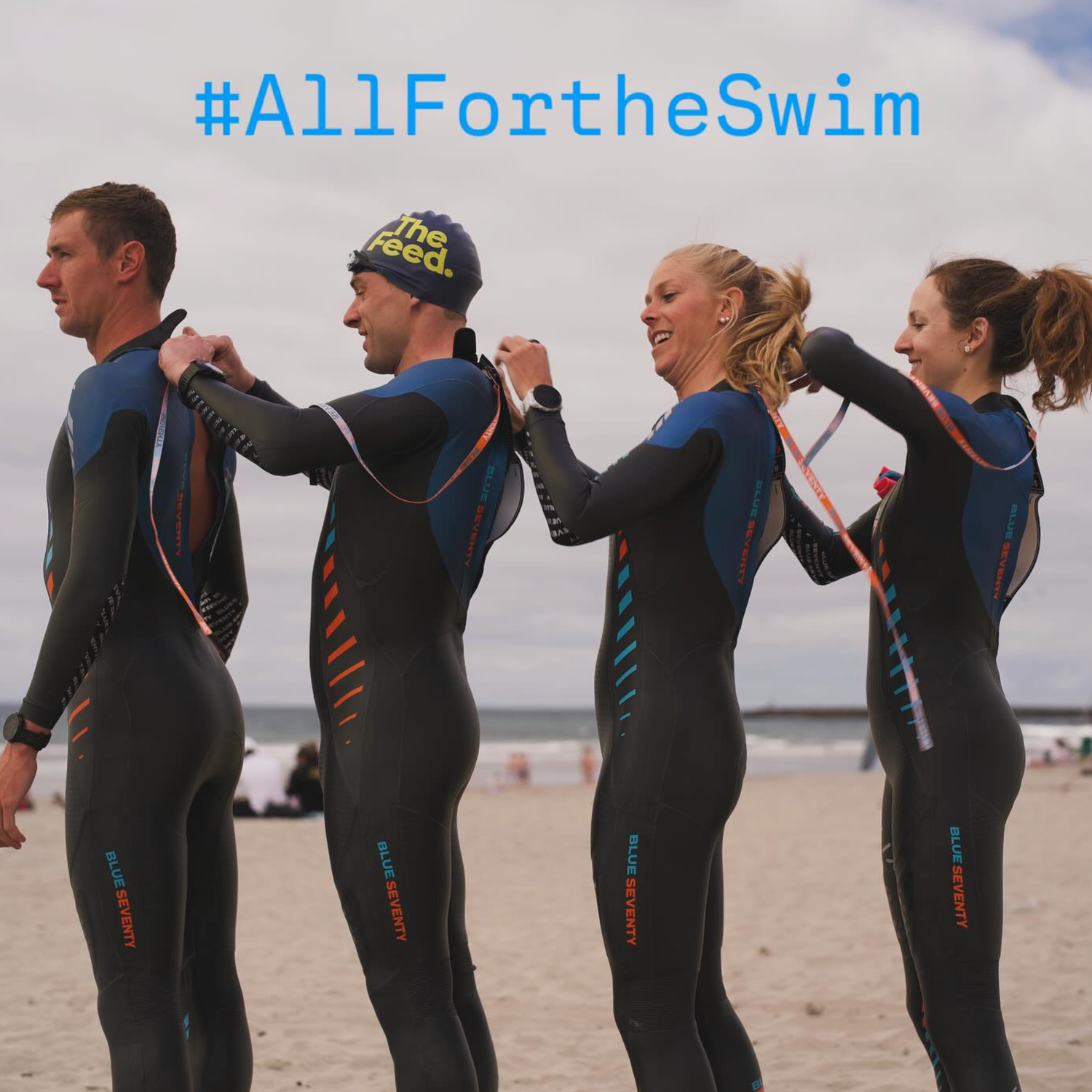
The number-one damage we see is fingernail punctures and heel tears from pulling the suit on too aggressively. Use the pads of your fingers, not your nails. Grab fabric from the inside of the leg or arm opening to inch it up gradually. A too-dry suit or rushed T1 exit can also stress seams. Our fit guide video walks through the technique; a few extra seconds putting the suit on saves months of wear.
Rinse, dry, store
After every swim - especially in salt or chlorinated water - rinse your suit inside and out with fresh water. Chlorine and salt crystals degrade neoprene over time. Turn it inside out to dry, then right-side out, always out of direct sunlight. Store it flat or hung loosely over a wide hanger; folding it on the same crease repeatedly can create permanent compression marks that thin the neoprene.
Zipper care
The zipper is a high-stress point. Never force it past resistance, and when you hang the suit to dry, make sure the zipper isn’t bearing weight or pulled taut.
3. What about minor tears?
A small fingernail nick or a seam that begins to separate doesn’t mean the suit is finished. Neoprene cement like our Aquaseal can seal small cuts and stop them from growing. For anything deeper or on a main seam, reach out to us - our warranty covers material and manufacturing defects for one year, and even outside of warranty we can often advise on a repair that keeps the suit swim-ready.
4. Knowing when to replace it
Ultimately, a wetsuit’s job is to lift your body position and keep you comfortable in the water. When the neoprene in the torso or legs starts to feel noticeably thinner, loses buoyancy, or allows water to flush through, the suit is past its prime. Persistent flushing through the neck, even with a proper fit, is another sign. If you’ve been diligent with care and the suit has given you several solid seasons, it’s simply time to hand it a retirement and invest in the next one.
The best way to protect your investment
A suit that fits perfectly is under less stress from the first swim. Use our sizing tool to find your size in 30 seconds, then take advantage of the Blueseventy Test Swim - you can swim in the suit and still return or exchange it within 30 days, as long as it comes back clean, dry, and unmodified. That kind of peace of mind means you’ll start with the right model and fit, which goes a long way toward keeping your wetsuit in the rotation for years rather than months.
Ready to find your next training partner? Explore the Reaction and Fusion collections for suits that balance performance with real-world durability. Happy swimming!