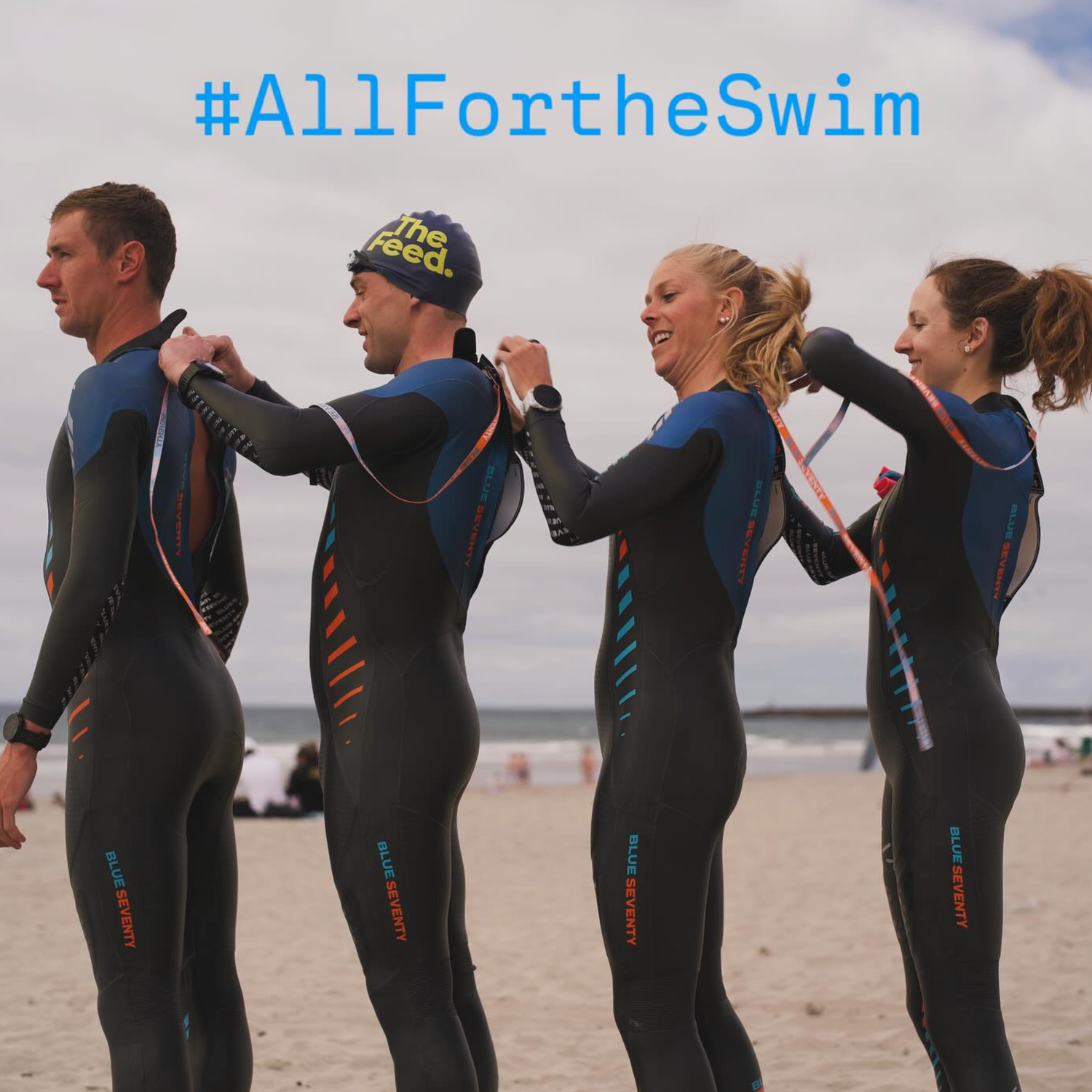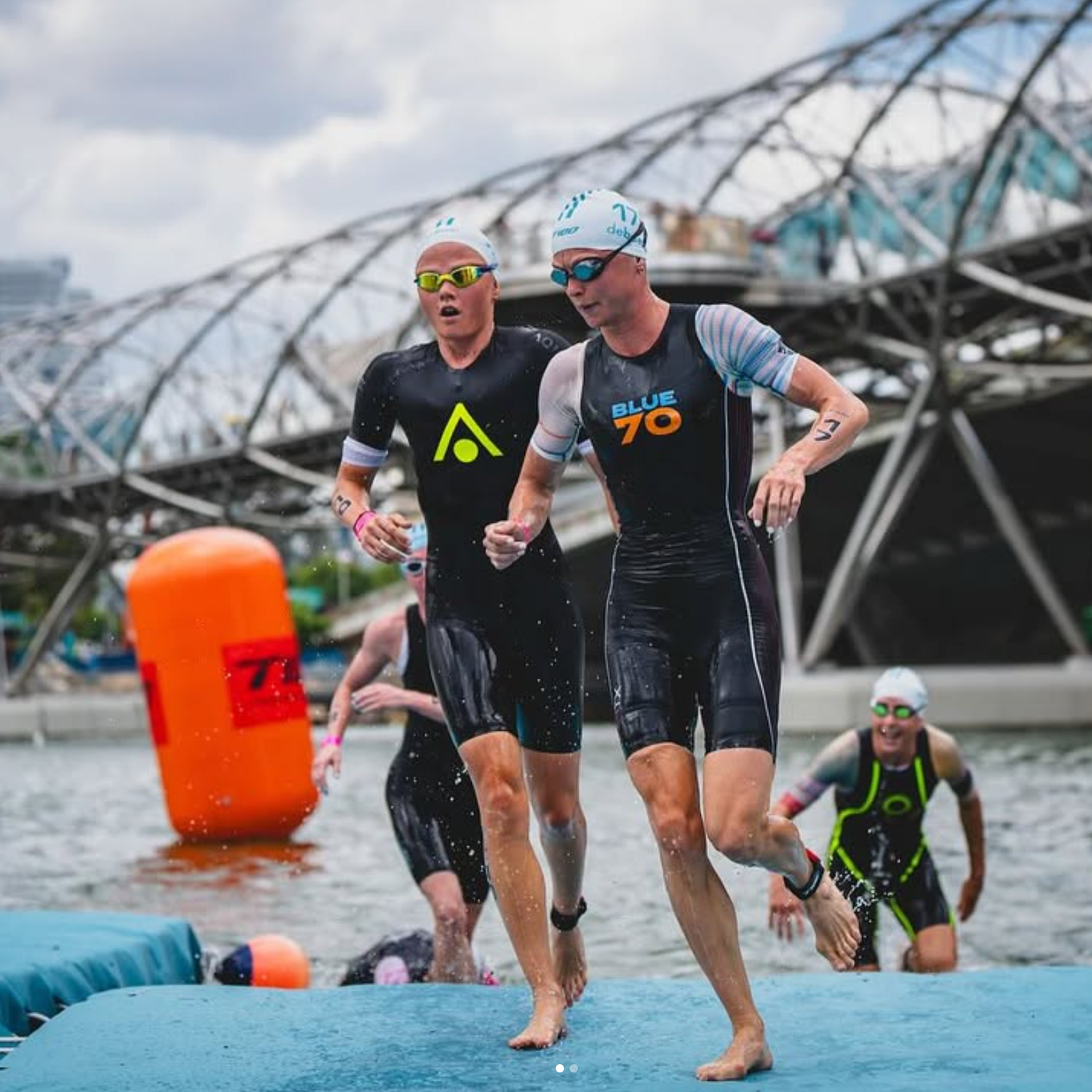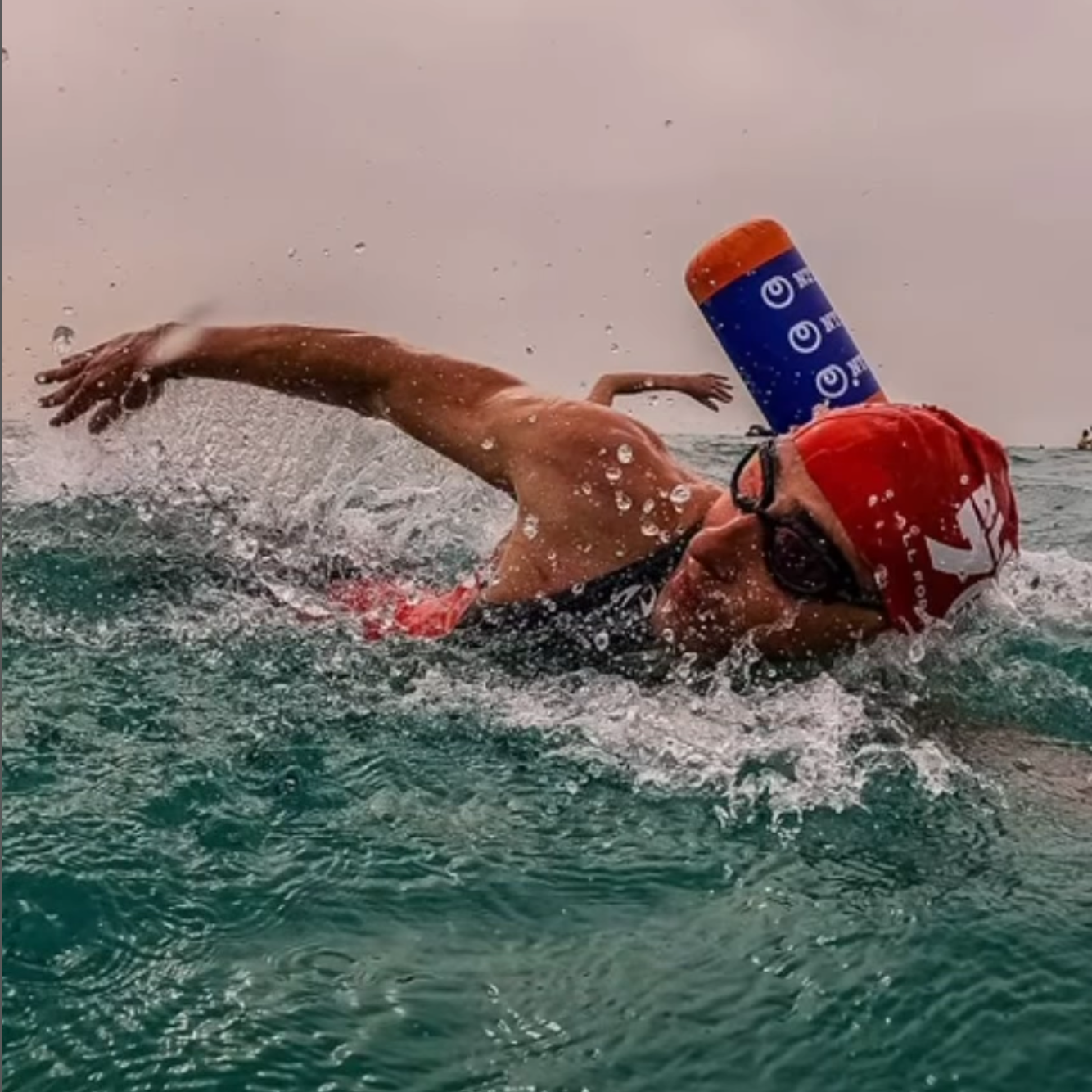



A well-fitted Blue70 wetsuit affects your breathing in two ways. The neoprene sits snug around your chest, ribs, and neck, and that pressure is what you feel first on dry land. The second effect happens in the water: the suit lifts your hips and legs, so you ride higher and more level, and that changes how easily you can roll to breathe. If the suit feels like it is stopping you from taking a full breath, the usual cause is a suit that is too small or not pulled up far enough.
Chest and rib pressure
A wetsuit fits snug because it lets a thin layer of water in. Your body warms that water, and the suit uses it for insulation. Snug is not the same as tight. On land, especially with a new suit, you feel compression across your ribs and chest. In the water, the suit allows a full, slow breath without a fight. If you can't inhale comfortably, check where the suit sits. Pull it higher into your crotch and armpits, then take another breath. A short torso presses on your ribs even when the chest measurement looks right.
Neckline and throat pressure
The neckline causes more breathing complaints than the chest. A neck seal that sits too high or too tight presses against your throat and makes head turns feel constricted. Blue70 redesigned the Fusion with a lower-sitting neckline in 2021 without losing the watertight seal. Femme Fit wetsuits also use a lowered neckline to reduce pressure and chafing. When you try a suit, turn your head side to side, look up as if sighting, and swallow. You want a seal, not a squeeze.
Body position changes your breathing rhythm
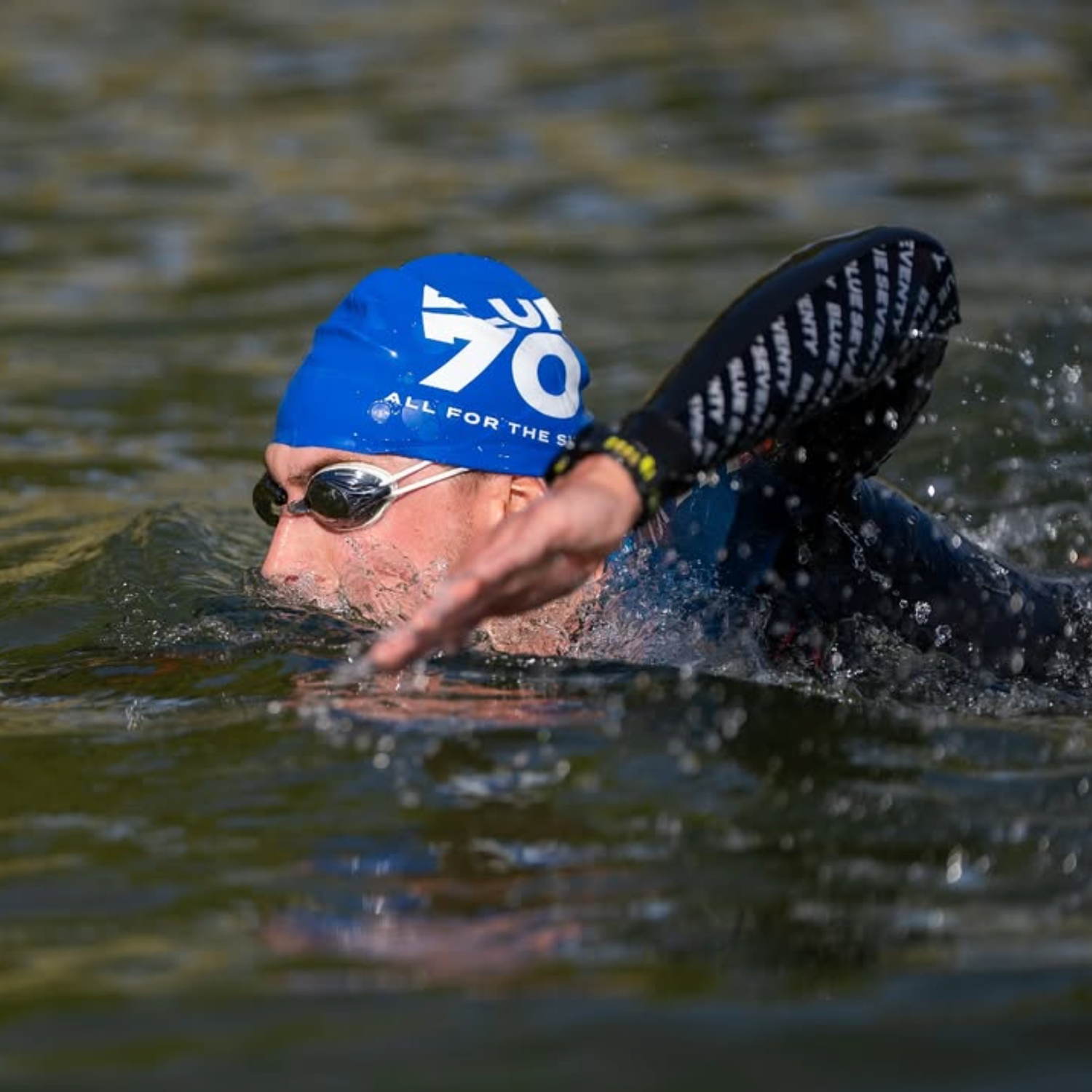
The largest breathing benefit from a wetsuit is indirect. The neoprene adds buoyancy to your hips and legs, which are the parts that sink first when you swim without a suit, and that added lift means you spend less energy kicking to keep your body level. This buoyancy changes your swimming position. It is not a personal flotation device. You roll to breathe with less drag and less rush. Newer swimmers notice this more because the suit gives them the horizontal position that advanced swimmers create with core strength and a steady kick. The suit doesn't rotate your body for you. You still need to initiate the roll for each breath.
Shoulder freedom affects how you breathe
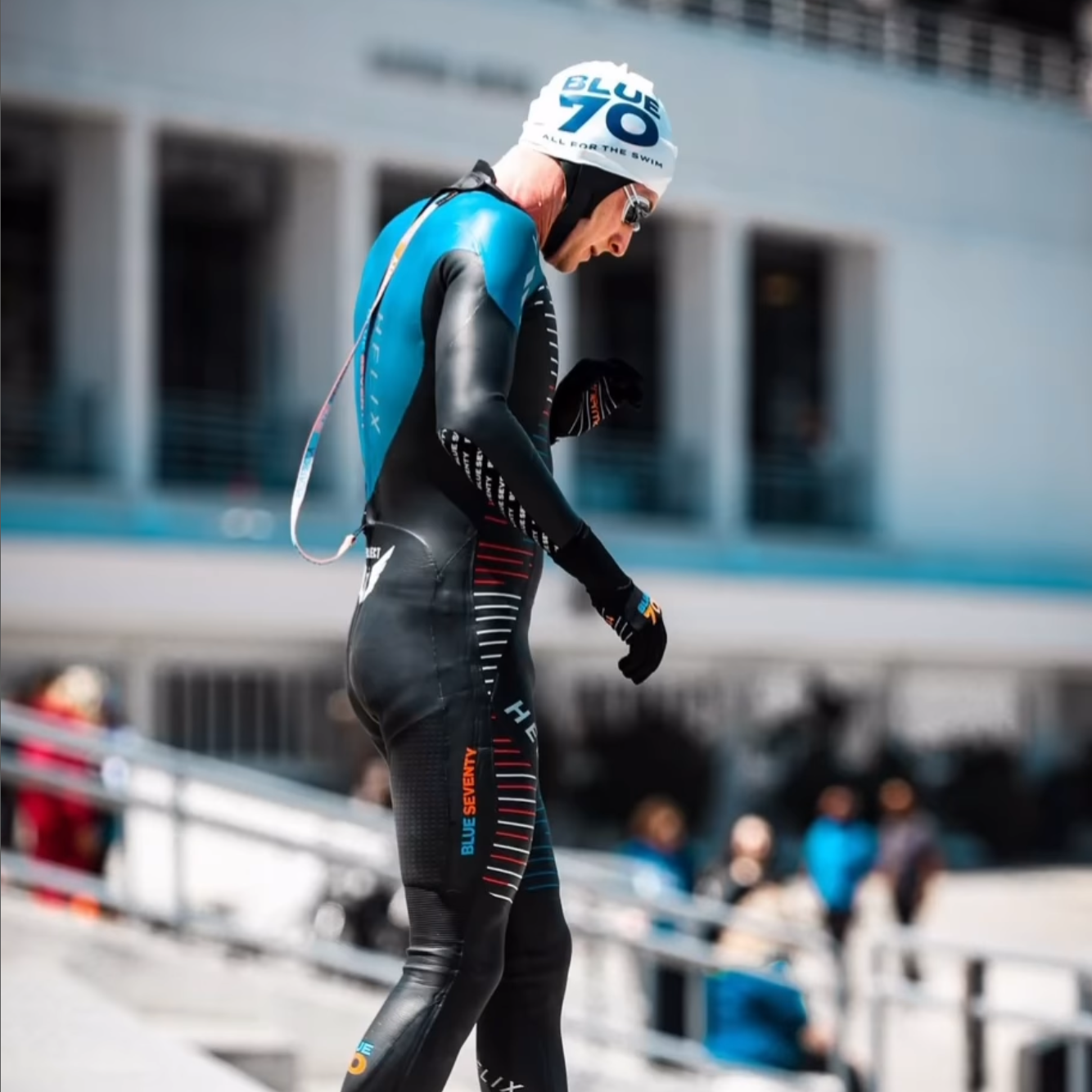
Shoulder restriction changes breathing more than most swimmers expect. If a suit pulls across your upper back, your stroke shortens, your rotation decreases, and you start lifting your head to breathe instead of rolling to the side. That head lift drops your hips and makes each breath harder. Blue70 builds the Helix with thin, flexible neoprene through the arms and shoulders for a free catch and recovery. The Reaction uses Yamamoto neoprene in 38, 39, and 40-cell grades for flexibility across the upper body. Put the suit on carefully. Pull the shoulder panels up so they sit on your actual shoulders, not down your upper arm.
Fit checks you can do on dry land
- Pull the suit all the way up at the hips and armpits.
- Close the neck so it seals without digging in.
- Take a slow, full breath and hold it for a few seconds.
- Reach both arms overhead and rotate your torso left and right.
- If any step causes pain or you can't finish the movement, go up a size or try a different model.
A suit that fits on land feels more forgiving in the water. Blue70's Take a Test Swim policy lets you swim in the suit before you commit, and you can still return or exchange it if it is clean, dry, unmodified, and has the tags and accessories. Use that test swim to practice easy breathing, head turns, and a few minutes of continuous swimming before you commit.
Cold water note
Cold water affects breathing before the suit does. Water below about 56 to 58°F can trigger a sharp inhale and fast, shallow breathing in the first minutes. A thermal suit like the Thermal Reaction adds thermal protection, which makes those first minutes less jarring, but it doesn't replace gradual entry and swimming with a group. Give yourself time to relax your breathing before you swim hard.
If a Blue70 suit fits correctly, it doesn't limit your breathing. The added lift helps you hold a more level position, and the shoulder freedom lets you keep a long stroke. Start with the fit checks, then take the suit for a relaxed swim.