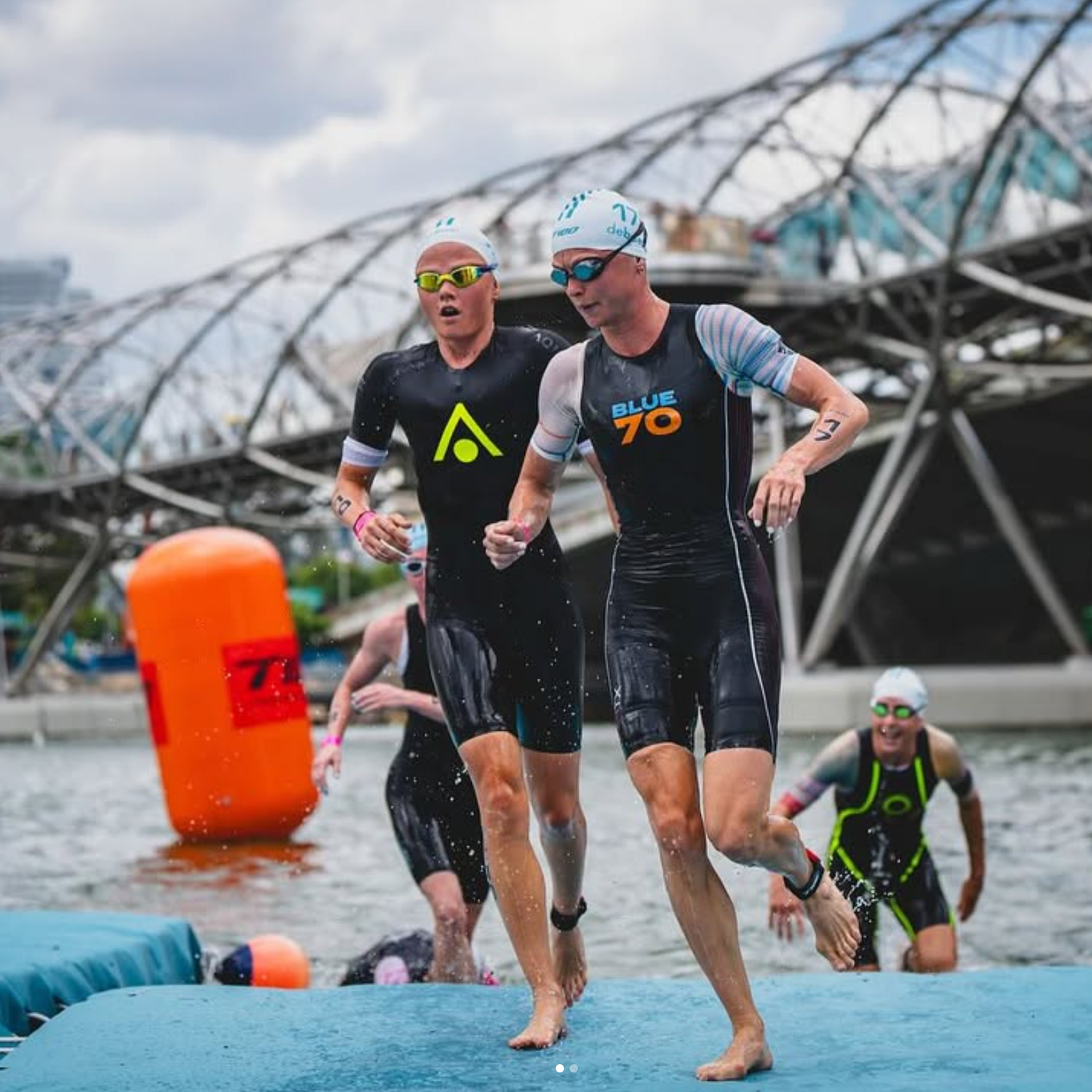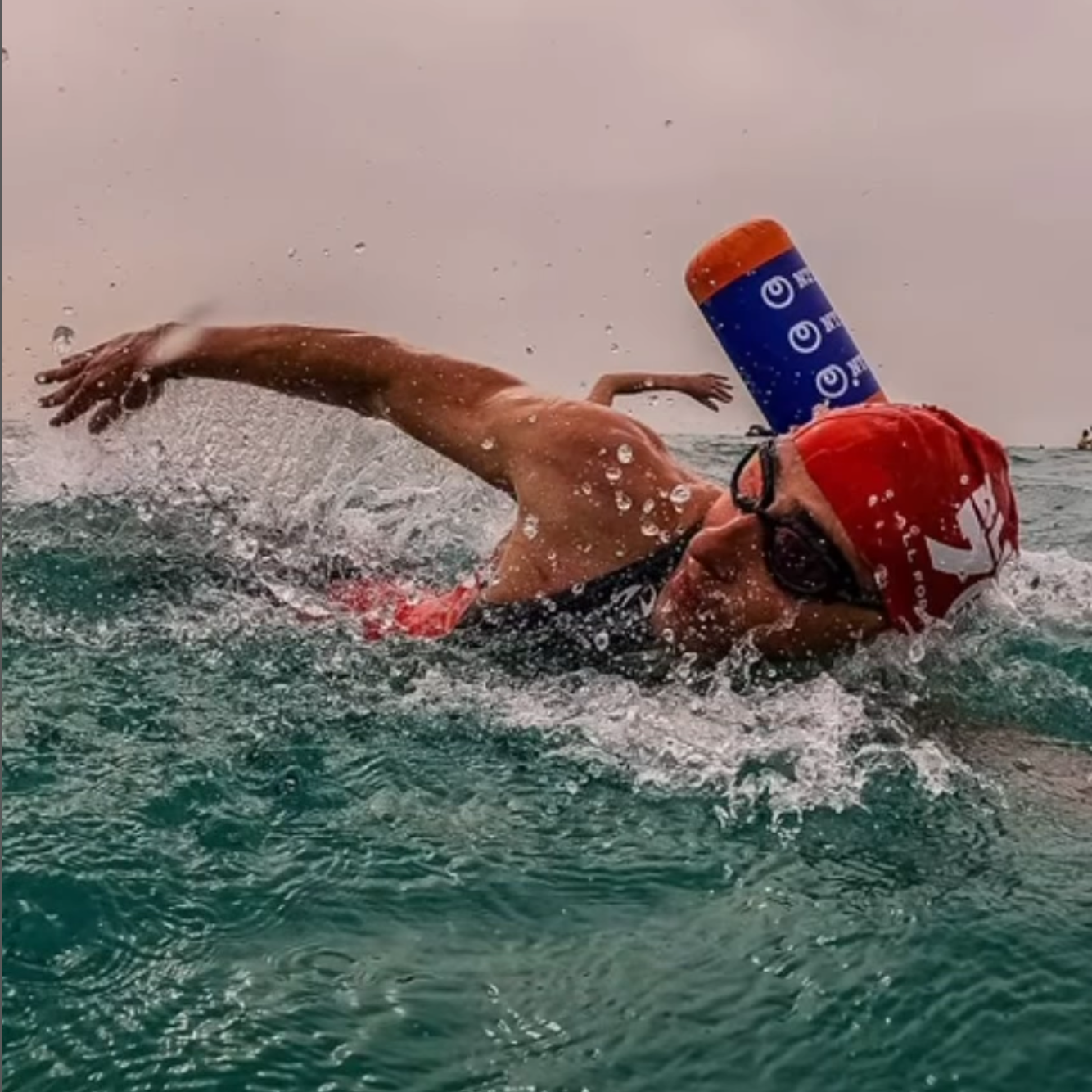



You’ll know when your kick turns into a fight. A Blue70 wetsuit that over-lifts your lower body stops helping you pull and starts forcing you to push your legs back down with every kick, and that shift is the clearest sign.
Signs the suit is over-lifting your legs
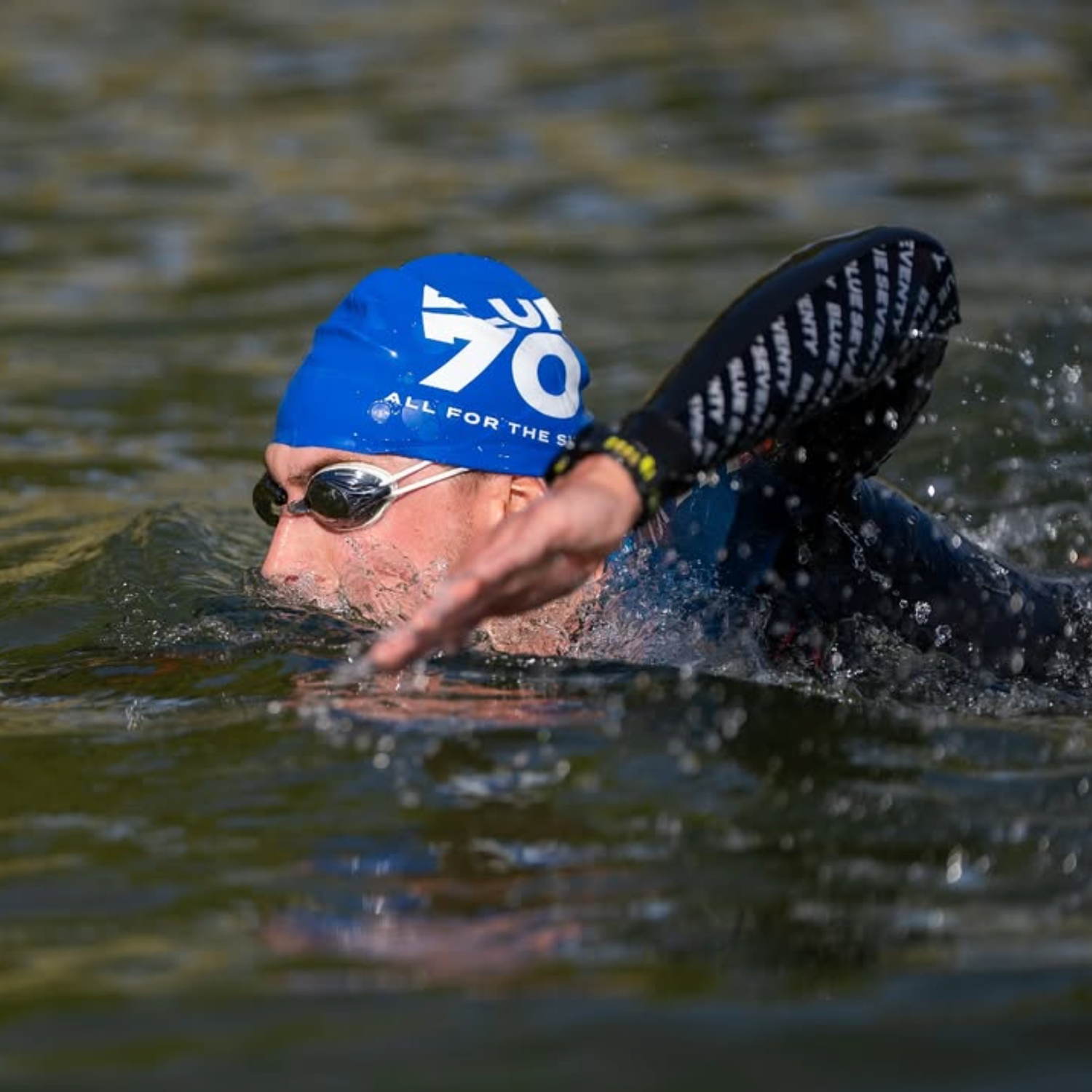
- Your feet and ankles break the surface with every kick. A normal flutter kick stays mostly underwater; it should not splash air.
- Your legs cross or scissor behind you. The suit holds your hips so high that your usual hip rotation disappears, and your ankles cross to compensate.
- You feel as though you’re swimming downhill. Your seat rides high and your chest stays low, which makes breathing feel like a fight against the suit.
- Your kick gets noisy. That splash is drag, and over-buoyant legs make you work harder for less forward movement.
Why your kick changes first
Swim wetsuit buoyancy is concentrated around the hips and thighs. Blue70 designs that lift to help swimmers and triathletes find a horizontal body position. But when the lift exceeds what your stroke already provides, your legs stop doing their normal job in the kick cycle. Instead of kicking from the hip with a small knee bend, you start bending more at the knee just to keep your feet in the water. That adds drag and tires your legs.
What your swimming style has to do with it
Strong kickers feel excess leg buoyancy earlier than glide-oriented swimmers. If you already hold a horizontal body position without a suit, a high-lift lower body can feel as though it is steering you. If you normally drag your hips and legs, that lift is probably useful. Too buoyant is not a fixed label; it depends on how much lower-body support your stroke already gives you.
Chest lift can change your rotation, too
Most swimmers notice lower-body lift first, but torso lift matters. A suit that raises your chest too much can make hip-driven rotation feel stiff. You might feel like your shoulders stay high and your legs swing wide in the back. If you lose your normal connection between your hips and shoulders, the whole suit is holding you too high for your stroke mechanics, not just leg lift.
Try this before you change suits
Do a short set in calm water. Swim 100 to 200 meters easy and ask three questions:
- Can I hold a relaxed six-beat kick without my ankles slapping the surface?
- Do I rotate from my hips, or do I feel locked flat?
- If I lift my head to sight, do my legs swing up behind me?
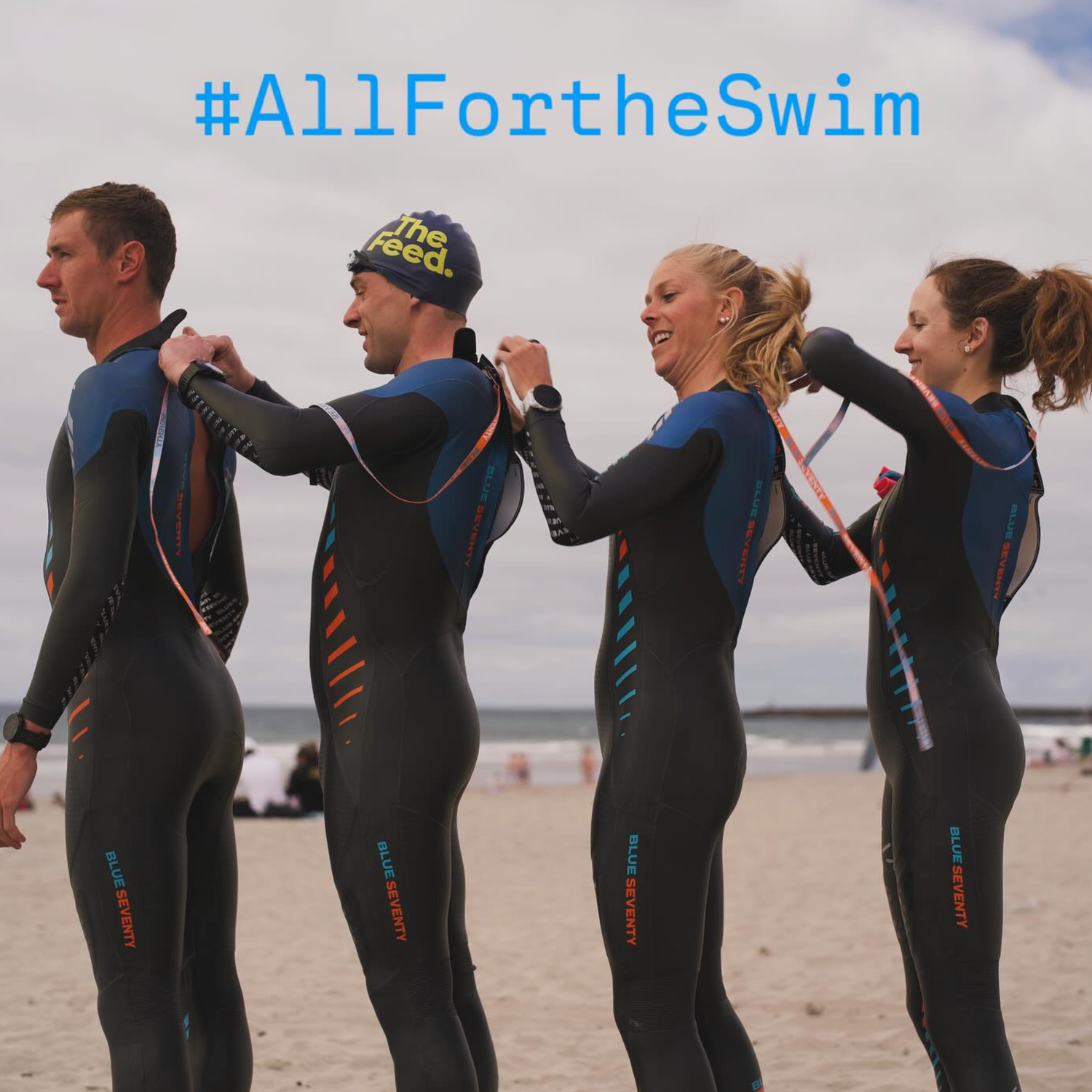
If the answer to the first is yes and the second is no, the lower-body lift is likely working against you. Before you blame the suit, check the fit. Panels that are too big or not pulled all the way up can bunch around the hips and make buoyancy feel uneven. A correctly fitted Blue70 suit should feel snug on dry land and settle comfortably once you swim.
Blue70 models to consider
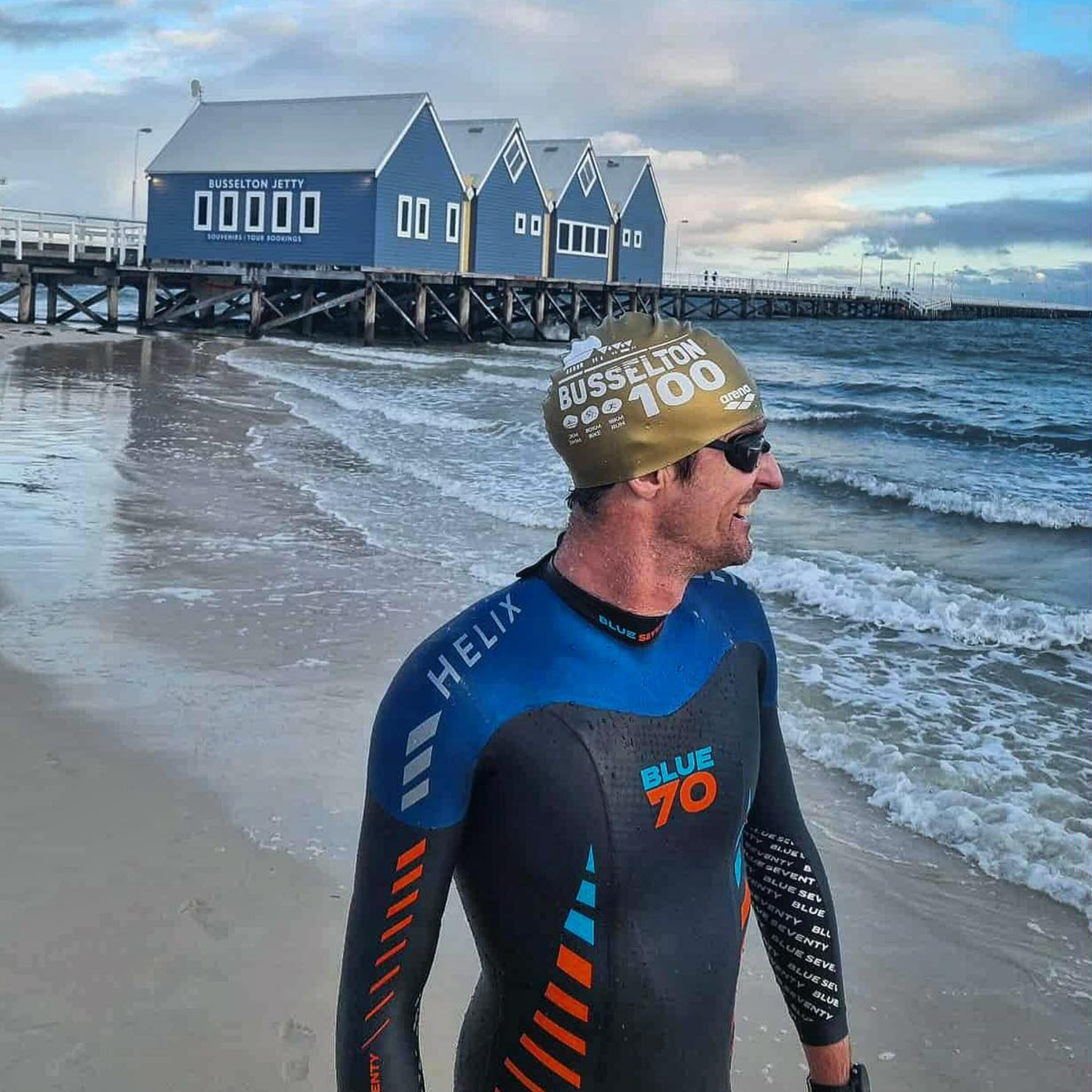
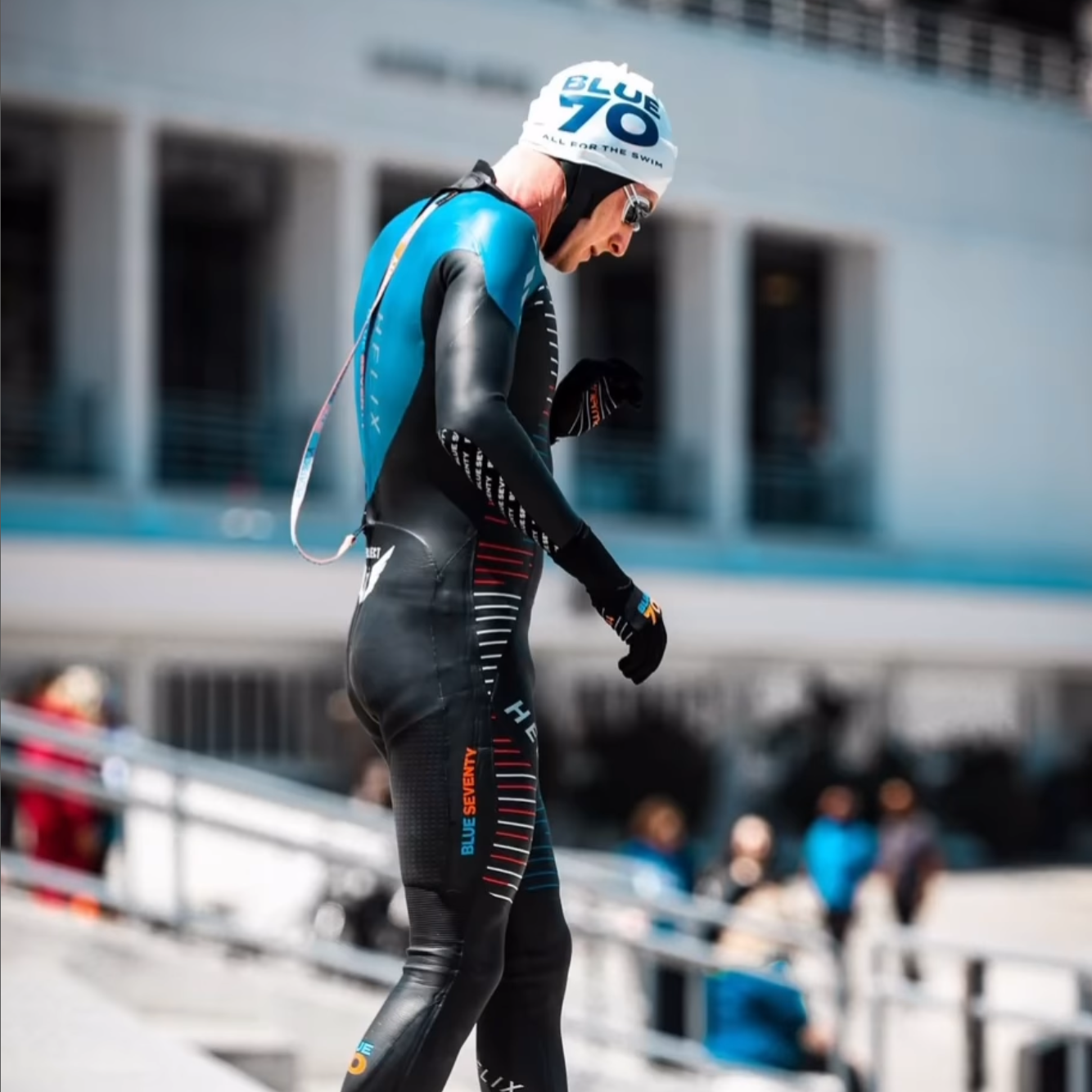
The Blue70 Reaction uses higher-grade neoprene and is built for frequent longer swims. The Fusion, with its 2021 lower-sitting neckline, is the everyday training choice for shorter frequent swims. The Helix pairs thin, flexible shoulder and arm neoprene with LIFT buoyancy panels, which places lift deliberately for race-day body position. Keep the Helix for race day; its thin neoprene is not built for heavy weekly training. If you want to train the sensation of hip lift without a full suit, the LIFT Buoyancy Short uses NBR foam to isolate that buoyancy. If you need less lower-body lift than a full suit provides, a sleeveless cut gives you warmth and torso support without as much leg lift.
Salt water adds its own lift, so a suit that feels balanced in fresh water can feel over-buoyant in the ocean. If you notice the signs mainly on salt swims, try the same suit in a lake or pool before sizing down or switching models.
Buoyancy is a body-position tool. Blue70 wetsuits are not Coast Guard-certified personal flotation devices, and they should not be used as one.
Not sure which Blue70 profile fits your stroke? Use the size tool and take a Test Swim before you commit.