


Lost stretch in a wetsuit is almost always permanent. Once the neoprene air cells break down, the material stops returning to its original shape. The practical goal is to stop further damage and decide whether the suit still works for your swimming.
Why wetsuits lose stretch
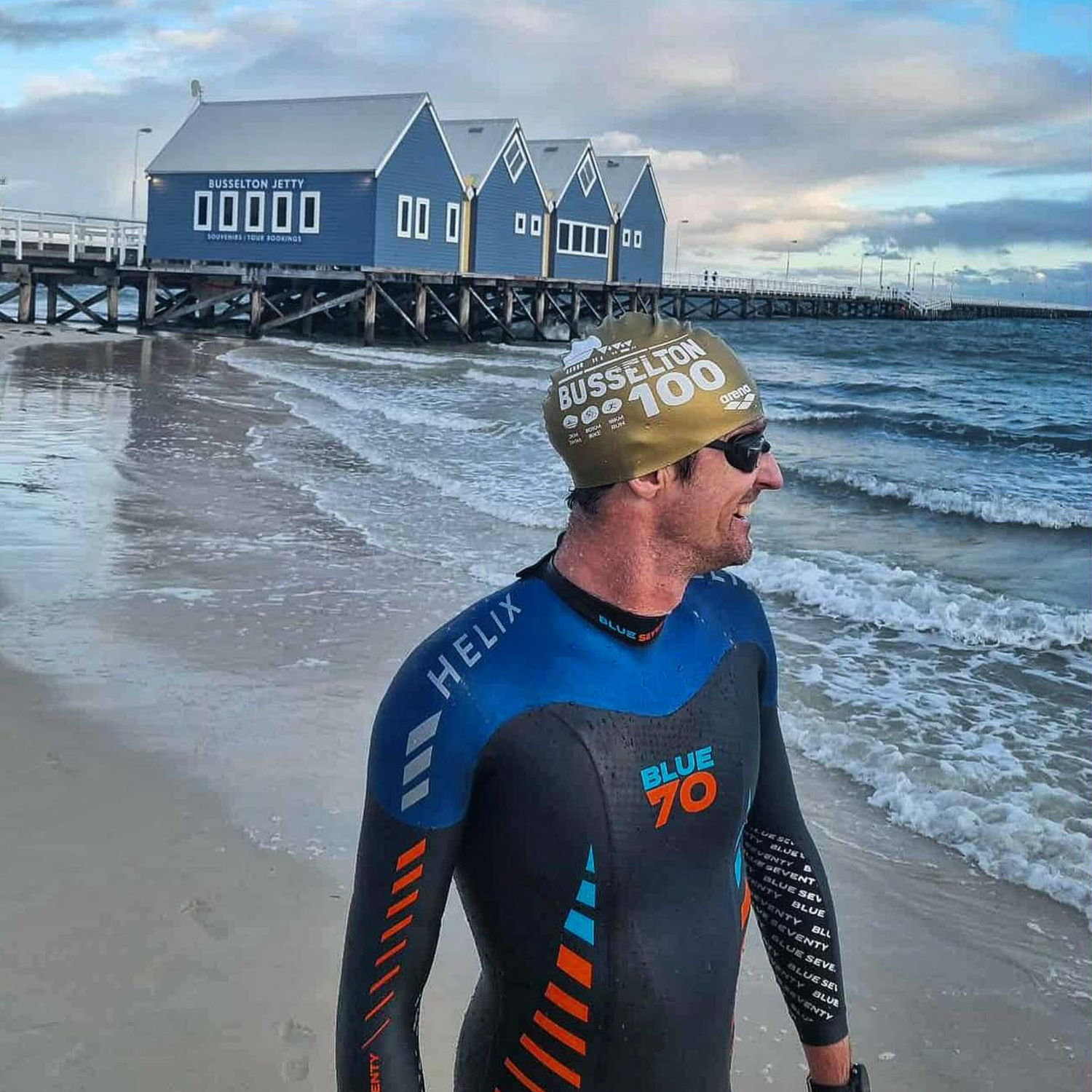
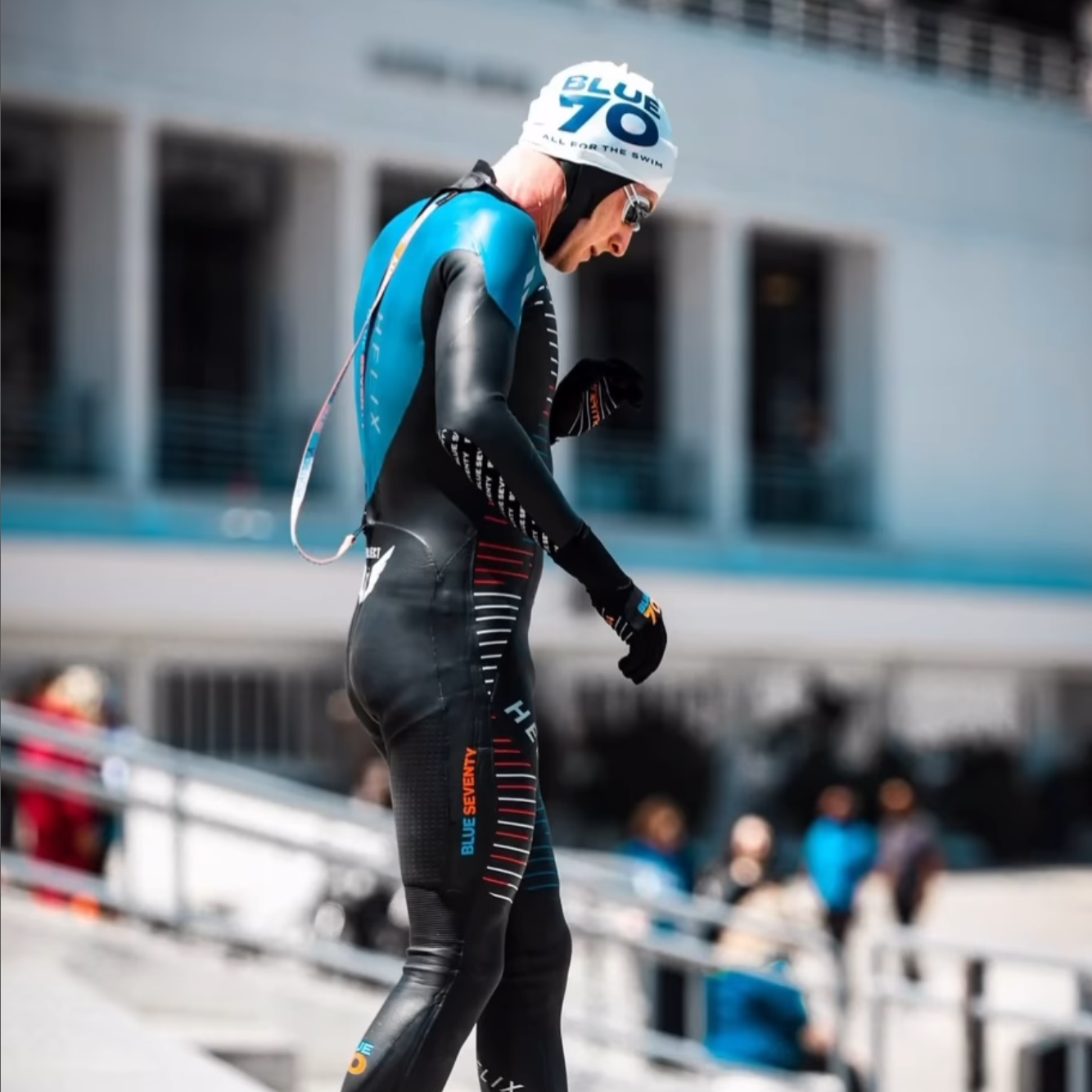
Neoprene gets its flexibility from tiny air cells inside the foam. Those cells break down over time from heat, chlorine, sweat, sunscreen, and drying in direct sun. The thin, high-flex panels in the arms and shoulders usually fail first. A race suit like the Helix uses 39 and 40 cell Yamamoto neoprene in key zones for maximum range of motion, but that thin, delicate material gives up durability more quickly than the neoprene used in frequent-training suits.
If your suit has been stored folded or left in a hot car, it may feel stiff on dry land but soften once you get it wet. Put the suit on correctly and take it through a few minutes of swimming before deciding the stretch is gone. Dry neoprene often feels far less flexible than wet neoprene.
Stiff from storage versus truly degraded
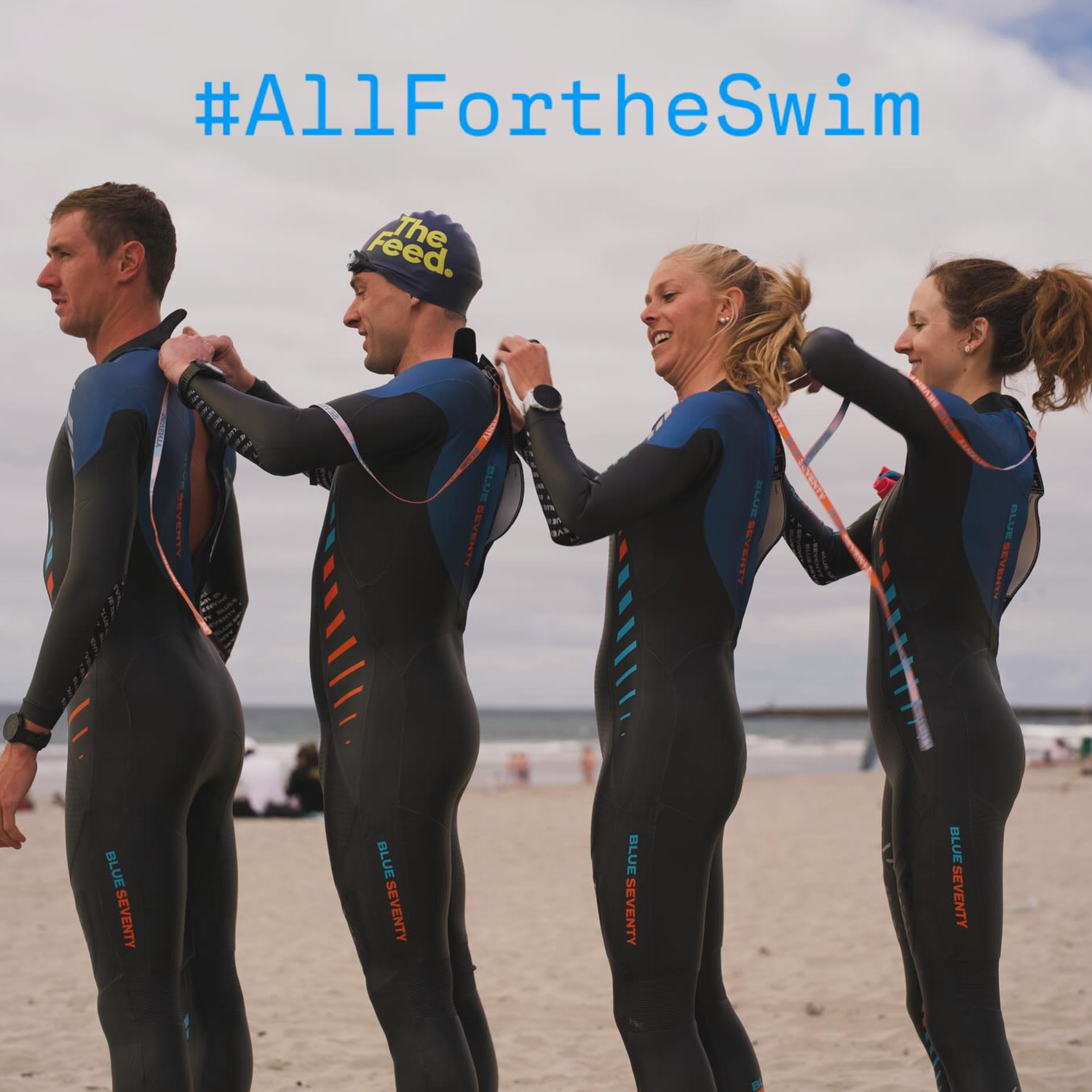
Start with a simple test. Don the suit using your fingertips, not your fingernails, and work the material up around your hips and shoulders. Get in the water and move through a full stroke. If the shoulders and arms rotate without pulling, the suit was compressed or cold, not ruined. If it binds at the shoulders, cracks when stretched, or has flat, non-bouncy panels, the foam structure has degraded.
Cracks, flattened areas, a brittle feel, and a suit that fit last season but now restricts your stroke are signs the neoprene has lost its elasticity for good. The arms and lats take the most abuse because you use them constantly during every swim.
Can lost stretch be repaired?
No. Neoprene cement fixes tears and punctures, not lost elasticity. If a panel is cracked or compressed, cement will not bring back flex. You can seal small damage before it grows. Aquaseal neoprene cement, available through Blue70, works well for fingernail nicks, heel tears, and similar small cuts. For stretch loss, repair is not the right tool.
Slow further damage
You cannot restore the original snap, but you can keep the remaining flexibility from fading faster. These steps extend the life of any Blue70 wetsuit:
- Rinse the suit in cool fresh water after every swim, especially after chlorine or salt water.
- Dry it inside out first, then turn it right side out to finish. Keep it out of direct sunlight.
- Store it flat or on a wide hanger. Folding it under weight can crush neoprene cells over time.
- Never rinse in hot water, wash it in a machine, or put it in a dryer.
- Remove it carefully with your fingertips to avoid fingernail punctures and stretching thin panels.
Deciding whether to retire the suit
A suit that has lost stretch through the torso and hips still provides body-position support, so it may work for training. A suit that binds at the shoulders can restrict your stroke and increase fatigue over longer swims. If the suit is a delicate race model and you swim more than once a week, move it to race-day use and train in a suit built for frequency. The Reaction suits longer, regular swims. The Fusion works for shorter, frequent sessions.
No repair restores neoprene elasticity. If the suit cracks at the shoulders, has flattened panels, or stays in your gear bag because it no longer lets you swim comfortably, it is time to replace it. Match the next suit to how often you actually swim. Delicate race neoprene like the Helix belongs in races and key sessions. Frequent training calls for the Reaction or Fusion. Rinse and dry that next suit correctly, and it will hold its stretch far longer.