


The decision to buy a cold-water wetsuit gets easier once you stop asking for willpower and start looking at three facts: water temperature, session length, and how often you train. A thermal suit like the blueseventy Thermal Reaction is built for one job: slowing heat loss in cold open water. It provides added thermal protection. It does not replace good judgment, gradual acclimatization, or swimming with a buddy.
What cold water does to a swimmer
Water pulls heat from your body faster than air at the same temperature. In water below roughly 56 to 58 degrees Fahrenheit, a purpose-built thermal suit adds meaningful warmth. Without that layer, your core cools, your hands get stiff, and your stroke often shortens without you noticing.
That is not a discipline problem. It is a physical response to cold. When your body spends energy trying to stay warm, you have less left for a long, relaxed stroke.
Why a thermal wetsuit helps
A wetsuit works by allowing a thin layer of water inside. Your body warms that layer, and the neoprene slows how quickly the heat leaves. The Thermal Reaction takes that further with a full Zirconium jersey lining, a synthetic wool material designed to hold warmth close to your skin.
You will not stay dry, and you should not expect a guarantee against hypothermia. What you get is a layer that slows heat loss and makes cold swims more tolerable.
Signs you will use a Thermal Reaction
- Your open water sits in the 50s during the months you want to swim.
- You cut sessions short because your core or hands get cold.
- You shiver for a while after you exit the water.
- Your stroke shortens in the second half of a cold swim.
- You train in open water at least once a week through fall, winter, or spring.
If two or more of those sound familiar, the suit is a practical training tool, not an impulse buy.
What to expect from the Thermal Reaction
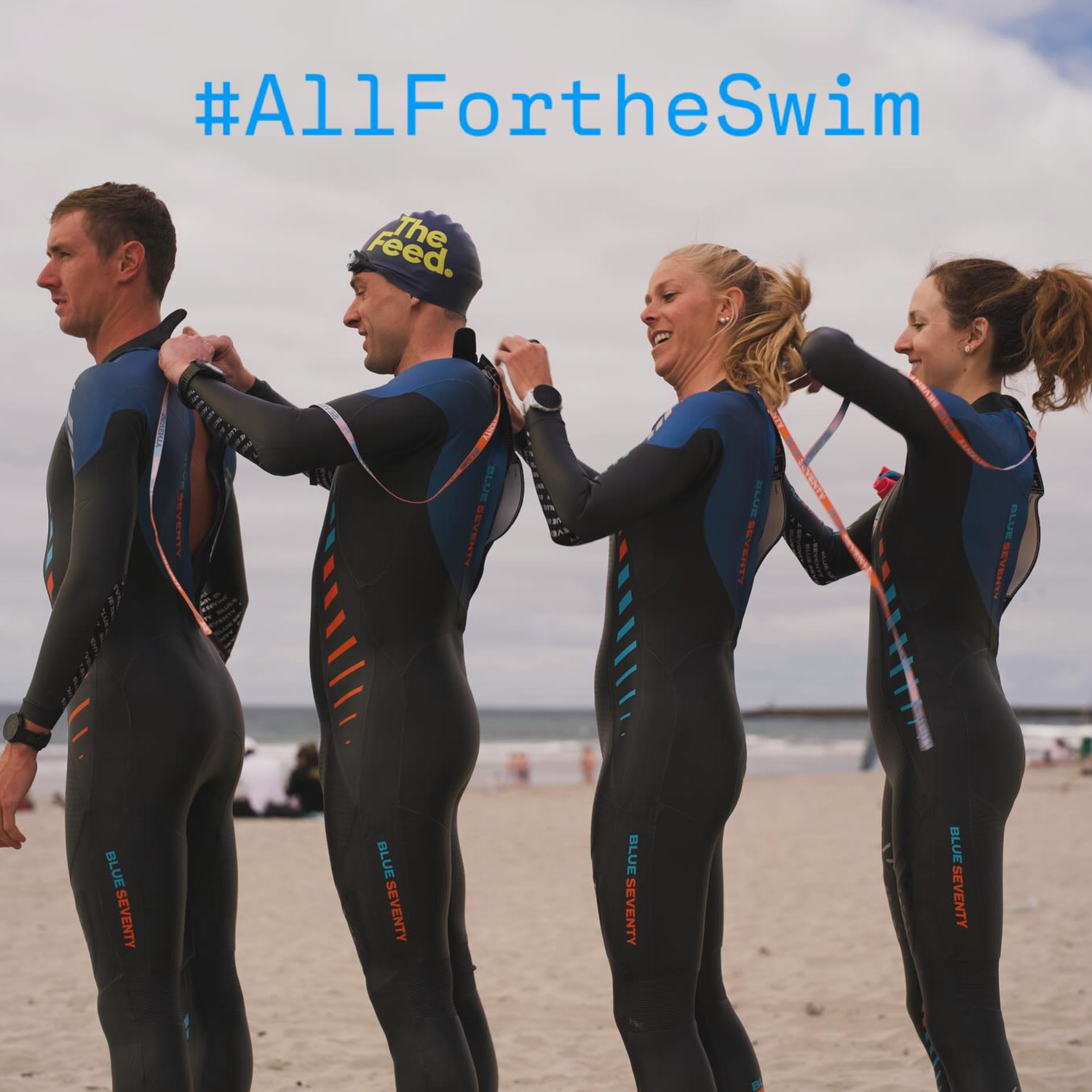
The Thermal Reaction sells for $785 on the blueseventy US site. It is designed for cold-water swimming and is fully lined with the Zirconium jersey. The suit should feel snug on dry land and more comfortable in the water. Take your time pulling the legs up and working the neoprene over your hips and shoulders. An improperly donned suit, especially through the shoulders, can cause fatigue before you even start swimming.
When you first swim in cold water, start with a shorter session than usual. Enter gradually, keep your first few swims close to shore, and swim with someone who knows the area. The suit helps with thermal protection; you still manage the risk.
How to test the decision before buying
Take a Test Swim. Blueseventy lets you swim in a wetsuit and still return or exchange it within 30 days if it comes back clean, dry, unmodified, and with tags attached. That policy removes most of the risk from the decision.
Before you order, check the size chart on the blueseventy site. A suit that fits snugly on land will fit better in the water. If the water temperature you train in regularly drops below about 56 to 58 degrees Fahrenheit, a thermal suit is a reasonable next step. Above 70 to 72 degrees, a full thermal suit can be too warm over longer swims.
Still unsure? Start with the sizing tool at blueseventy.com and find your size in 30 seconds. Then take the suit for a swim and let the water temperature make the case for you.