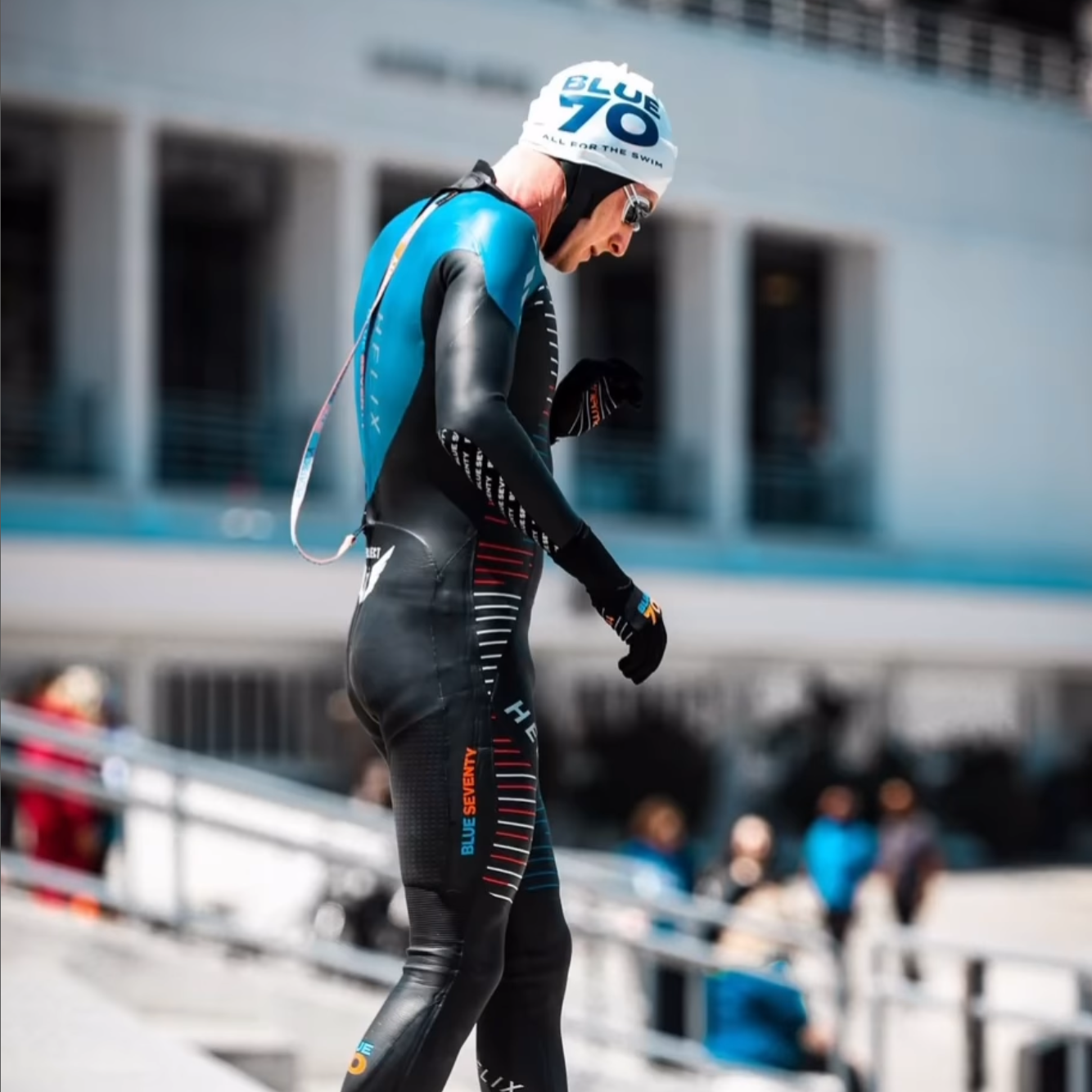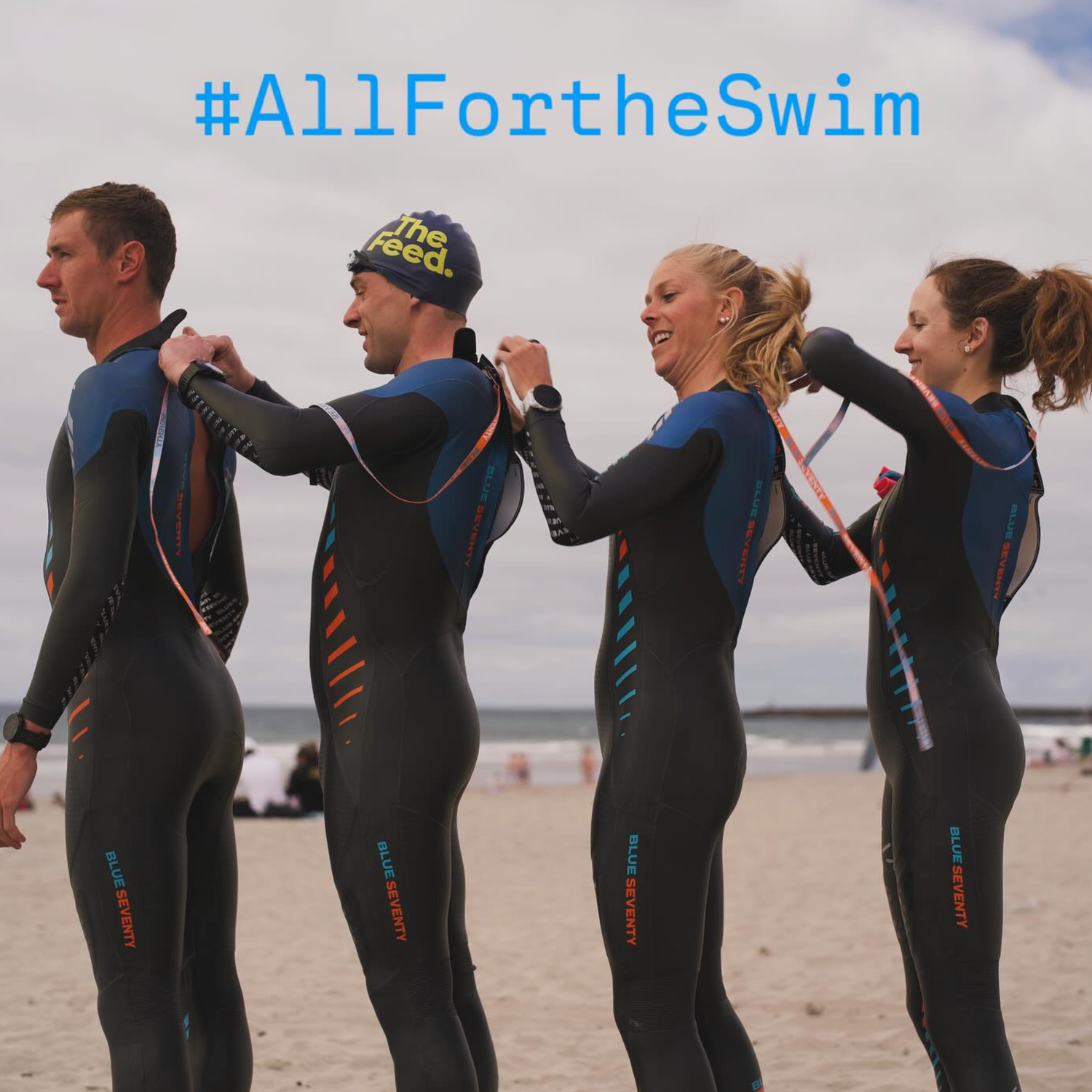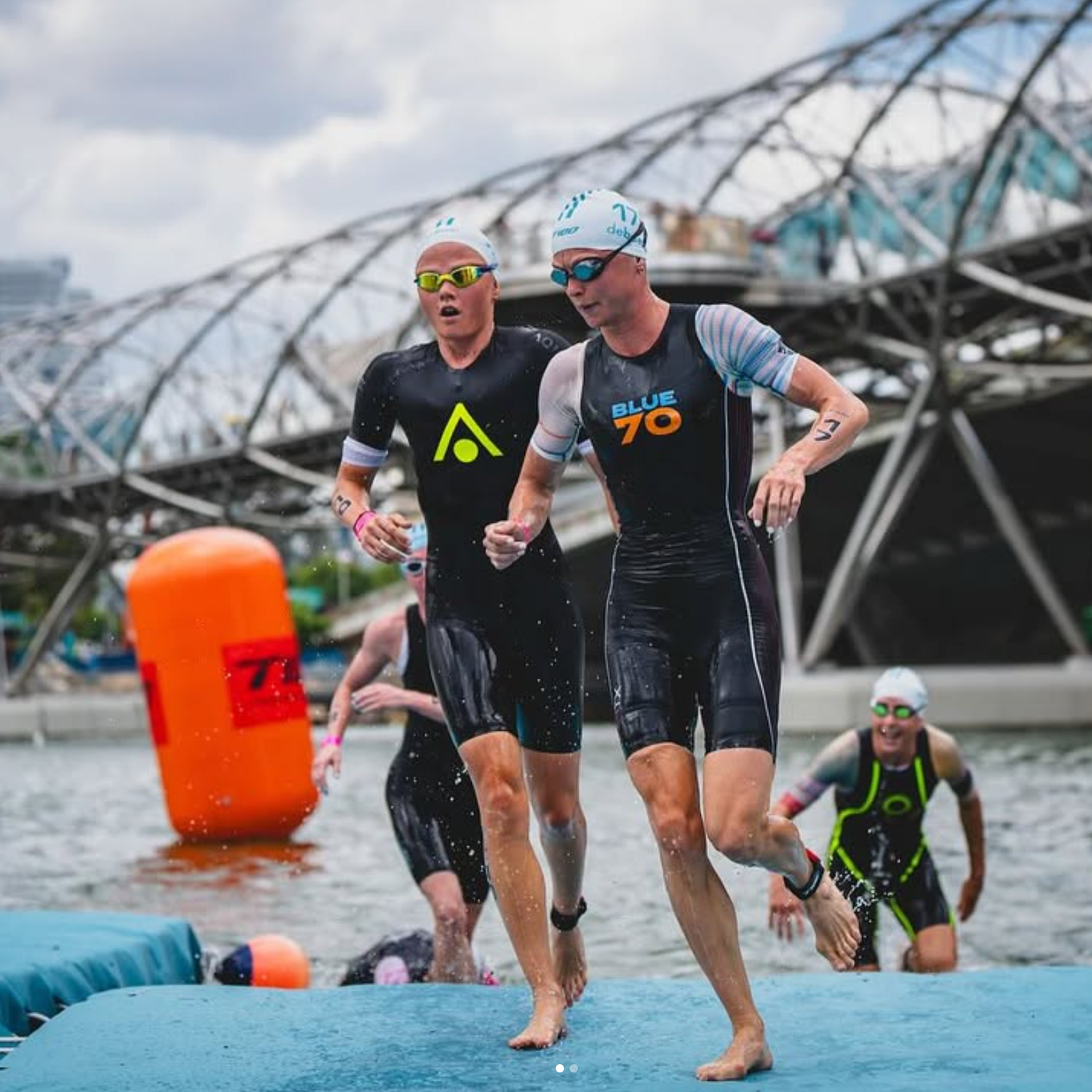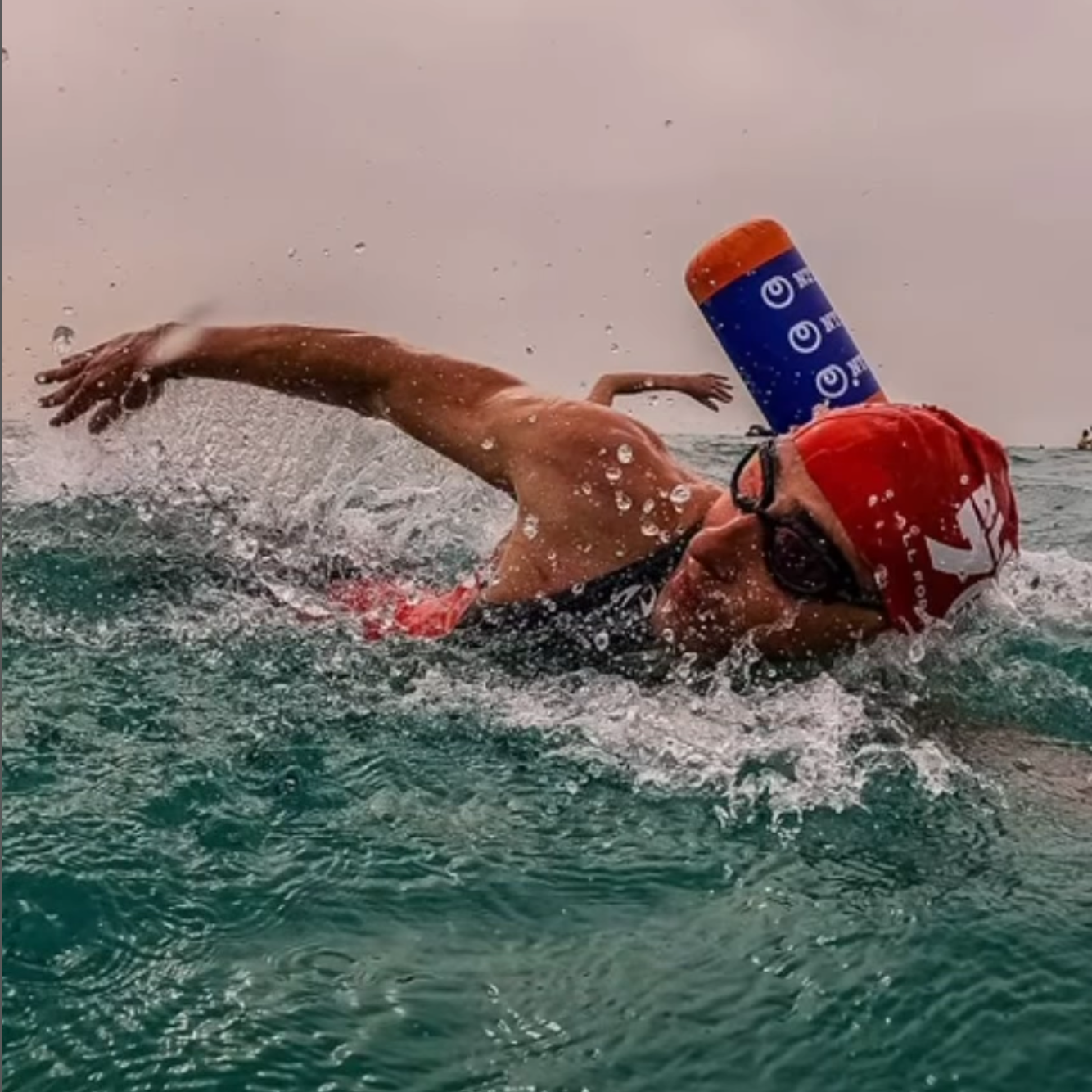



Tall and slim is a two-way fit problem. You need enough length through the torso, legs, and arms so the suit doesn't pull down on your shoulders. You also need a close fit through the chest and waist so you don't carry folds of neoprene that catch water. A Blue70 wetsuit is cut for swimming, not surfing, so it's designed around a long horizontal body position rather than an upright stance. Start with height and weight on the size chart, then check how the suit sits on your frame.
Start with height, not the size label
Height and weight are the starting points on every Blue70 size chart. Tall slim swimmers often land between two sizes: height points to one, weight points to the smaller one. Begin with the size that matches your height. A suit that's too short in the torso can't be fixed by stretching it. If the chest and waist then feel too roomy, compare that size against the next one down. You want the shorter suit only if you can take a full breath and raise both arms without the shoulders pulling sharply.
Blue70 suits use Yamamoto neoprene in 38, 39, and 40 cell grades. A higher cell number means more flexibility. That matters for long arms and legs because flexible neoprene moves with your stroke instead of fighting it. A close fit doesn't have to mean a stiff fit.
What to check on a tall, slim frame
Once the suit is on, look for these points:
- No horizontal folds across the lower back or chest. Folds mean excess material that will hold water.
- The neckline sits low enough to avoid chafe but still seals. The Fusion's 2021 redesign lowered the neckline while keeping the seal, which helps swimmers who found high necklines dug in.
- The wrist and ankle openings seal without cutting off circulation. Some water entry is normal; your body warms that thin layer to provide insulation.
- The suit sits high in the crotch. Sagging there means the torso is too long for you.
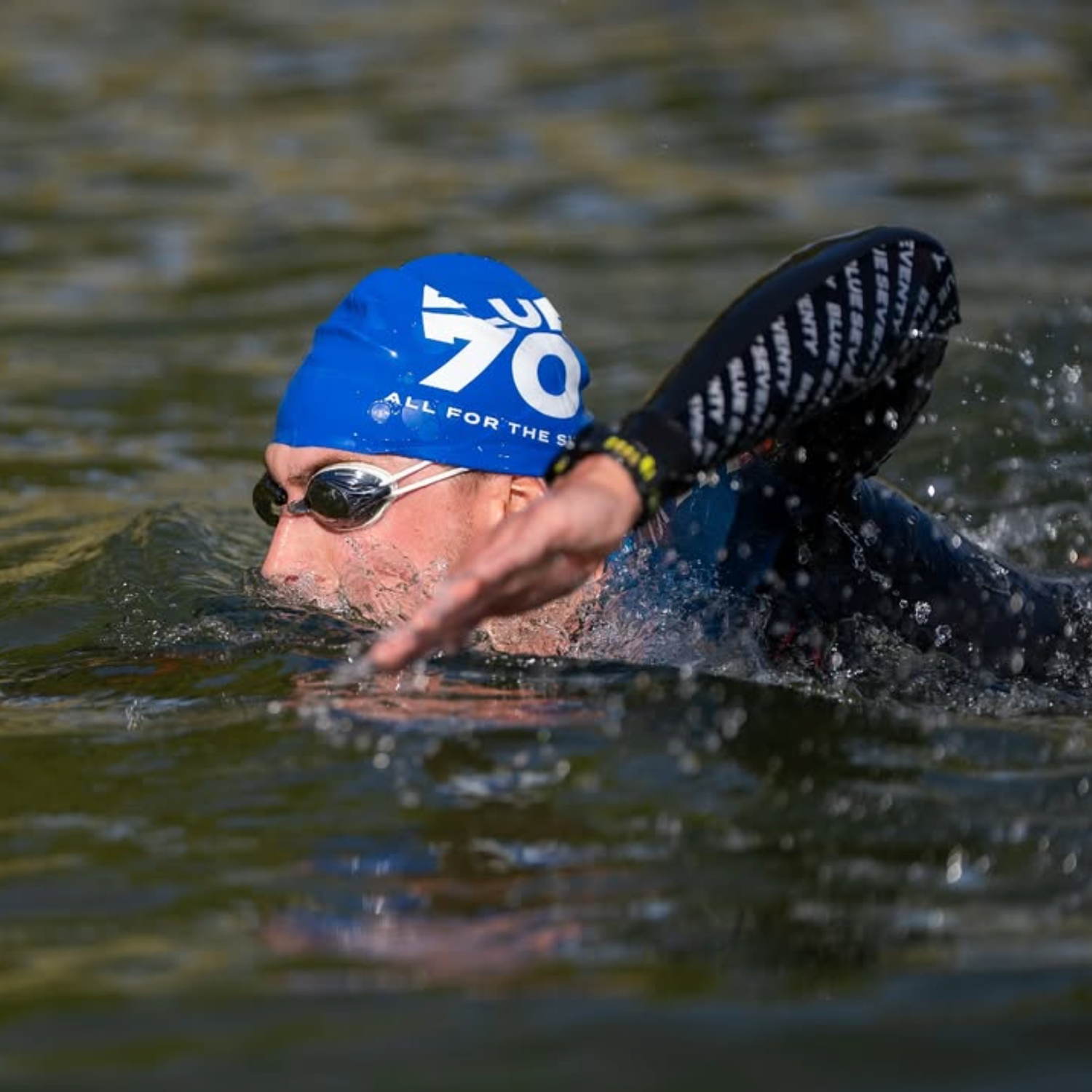
- Lift both arms overhead as if taking a stroke. The shoulders should move with the suit, not pull against it.
The suit should feel snug on dry land and more comfortable once you swim. Small wrinkles around joints are normal. Big pockets of fabric are not.
Blue70 models that suit a long, lean build
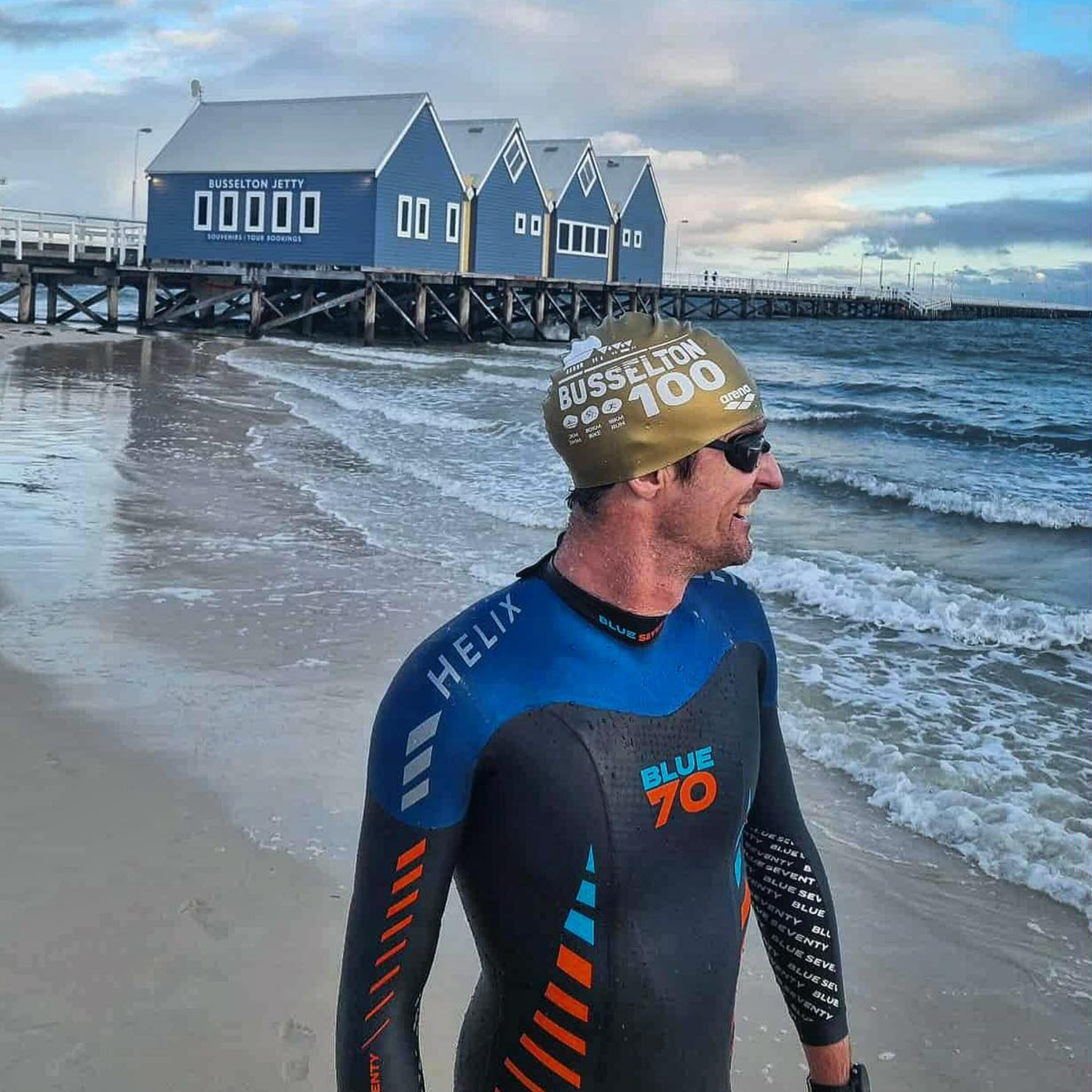
Helix ($995): The flagship race suit uses thin, flexible neoprene in the arms and shoulders. That gives long-limbed swimmers more reach with less restriction. It's built for race day and is more delicate than training suits, so it's not the first choice for weekly pool or open water laps.
Reaction ($680): For tall slim swimmers who train once a week or more, Reaction uses higher-grade neoprene than Fusion and is built for longer, frequent swims. This is the workhorse option when you want flexibility plus durability.
Fusion ($420): The mid-range choice. The lower neckline from the 2021 redesign adds comfort for long torsos, and it's a solid fit for shorter, frequent swims or a budget-conscious first suit.
Reaction Sleeveless ($395): In warm water above about 70 to 72°F, a sleeveless cut removes the sleeve-length variable. If full sleeves pull on long arms, this can be the most comfortable and least restrictive way to race or train warm.
Sprint ($325): The entry-level option. Start with the same size chart and fit checks; a lower price doesn't mean you should accept a baggy or too-short suit.
If your season goes below about 56 to 58°F, Thermal Reaction ($785) adds a Zirconium jersey lining for extra thermal protection. The fit logic stays the same: close through the torso, long enough in the shoulders and legs, and no deep folds.
For women who are tall and slim, every Blue70 women's wetsuit includes Femme Fit patterning. The pattern is refined in the bust, torso, wrists, and ankles, and the zipper is extended for easier entry and a better fit through the hips. That helps when a standard cut leaves too much fabric through the chest or waist.
Put it on carefully and test it in the water
Long limbs mean more pulling at the ankles, wrists, and shoulders, which are the places wetsuits tear. Pull the suit on gradually, work the material up the legs, and get it high into the crotch before zipping. Use the pads of your fingers, not your nails. If you feel fingernail nicks later, a neoprene cement like Aquaseal can repair them before they spread.
The real fit test is a swim. Blue70's 30-day return window from the ship date includes a Test Swim option: you can swim in a wetsuit and still return or exchange it when the suit is clean, dry, unmodified, and includes tags and accessories. Swimming in it won't affect your ability to get a refund or exchange. Swim a few hundred meters, check whether the shoulders fatigue, and notice whether the suit shifts or folds. If it does, exchange for a size down or a different model.
A wetsuit that fits your tall, slim frame keeps the buoyancy where it helps, lifting your hips for a flatter body position. Buoyancy equals speed, but only when the suit stays close enough to do its job.
Find your size in 30 seconds with the sizing tool, then take it for a test swim. Happy swimming.