


A metallic coating on a wetsuit is a thin, reflective layer bonded to the neoprene or jersey underneath. It flexes with the suit, but it does not tolerate the same abuse as plain rubber. Heat, direct sun, harsh detergents, and fingernails are the four things most likely to damage it. The rest of the routine is the same care every blueseventy suit deserves.
Short version: rinse after every swim, clean gently, dry cool and loose, store without tight folds, and keep rough surfaces away from the coated panel.
Rinse first, rinse soon
Salt, chlorine, and lake minerals sit on the coating and work into the seams and zipper. Rinse the suit in cool or lukewarm fresh water as soon as practical after you swim. A shower, garden hose, or sink works. Turn the suit inside out and rinse the coated side too. Do not use hot water. Heat softens the adhesive that holds the coating to the neoprene. If you cannot rinse at the venue, wrap the suit in a towel and rinse it when you get home. Do not leave it wet in a plastic bag overnight.
Clean the coated surface gently
Use a small amount of wetsuit-specific cleaner or mild soap. Work it in with your hands, not a brush. A stiff brush or scrubbing sponge scratches the metallic finish and starts peeling. Rinse until the water runs clear.
For the coated side, use a soft cloth if you need to remove a visible mark. Rub in one direction instead of scrubbing in circles. Avoid these common problems:
- Laundry detergents
- Bleach or fabric softener
- Stain removers
- Solvent-based cleaners
Sunscreen, body oil, and bug spray also sit on the coating, so a rinse after every swim matters more than a deep clean once a month.
Dry it cool and loose
Never wring or twist a coated suit. Squeeze the water out with your hands, or let it drip. Hang it over a wide padded hanger or a shower rod at the waist, not by the shoulders or neck. If you hang a wet suit by the shoulders or neck, the weight of the water pulls down on the shoulder neoprene and the coating has to stretch along the same stress line. That is where peeling starts.
Dry it indoors or in the shade. Direct sunlight is a slow heat source, and UV light degrades neoprene. Turn the suit inside out after a few hours so both sides dry completely. Avoid a dryer, radiator, hair dryer, iron, washing machine, or heated boot dryer. If you need the suit dry by morning, a fan in a ventilated room works far better than any heat source.
Store it without creases
A metallic coating can crack along a fold that is pressed into the same position for months, so the way you store the suit between sessions matters as much as the way you wash it. Once the suit is fully dry, hang it on a wide hanger in a cool, dark, dry closet. If you need to pack it, roll it loosely with the coated side facing outward or lay it flat with nothing heavy on top. Do not fold it along the same line every time. Avoid hot garages, attics, and car trunks. The glue and neoprene soften in heat even when the suit is dry.
Donning, removal, and race-day handling
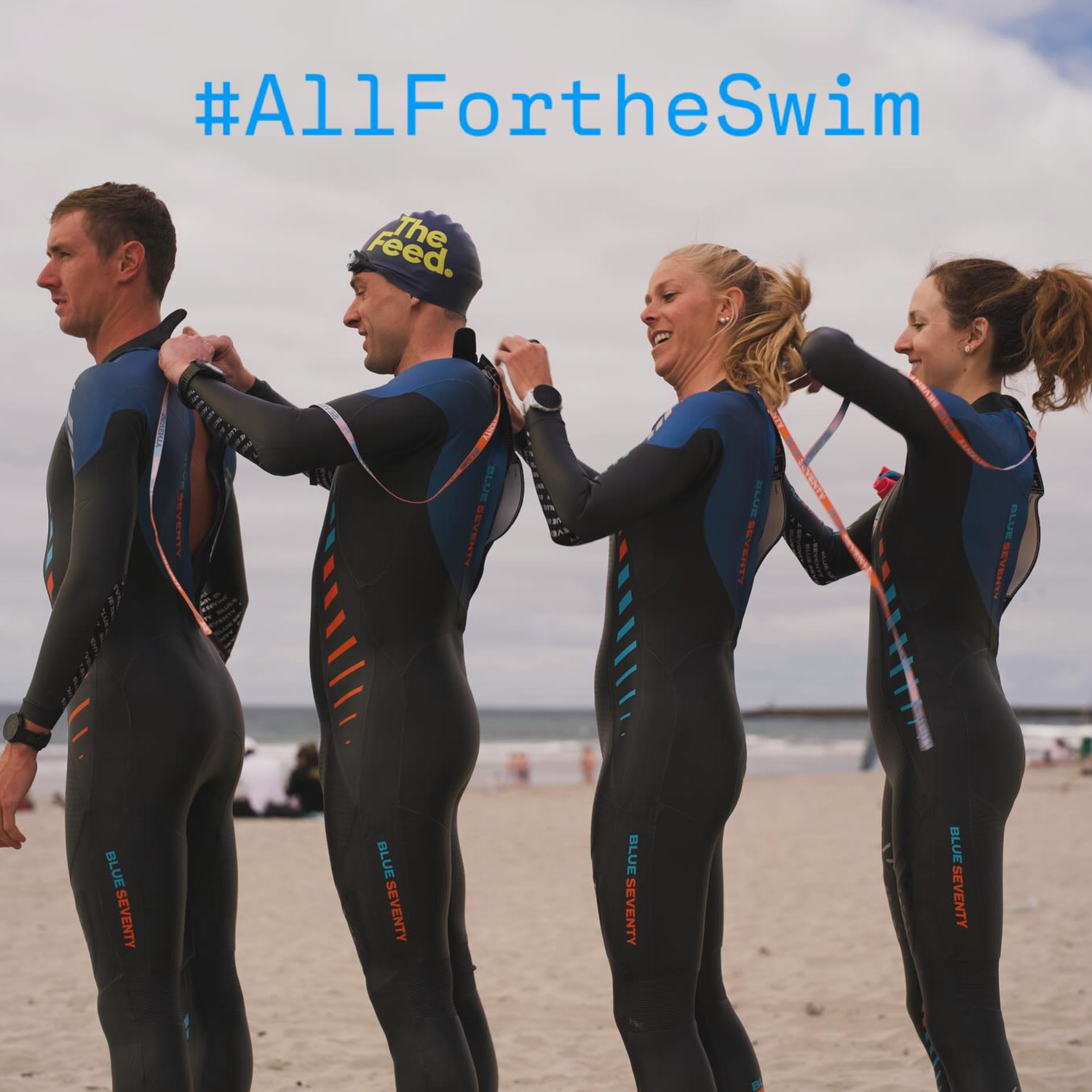
Most coating damage happens before the suit ever touches water. Put the suit on with the pads of your fingers, not your fingernails. Remove rings, watches, and bracelets first. Pull the suit up in small gathers instead of digging your thumbs into one spot. When taking it off, ease the coated panel down rather than peeling it off like a banana. Stand on a smooth surface or a mat, not rough concrete or pool deck. Watch for Velcro on timing straps, race belts, or swim caps. One quick brush can scuff a metallic surface. If you wear a tri top or rash guard over the suit, smooth seams and covered zippers reduce abrasion on the coating at the shoulders and torso.
At a race, pack the suit in a separate mesh bag or towel. Do not throw it in a transition bag with bike tools, CO2 cartridges, or your watch. Rinse it before you leave the venue if a shower is available. If not, wrap it in a towel and rinse it at home.
Repair and warranty
Small cuts and nicks can be fixed with Aquaseal neoprene cement. Clean the area with fresh water, dry it completely, apply a thin layer, and let it cure away from heat. For a cut that goes through the neoprene, apply cement to both edges and hold them together. Do not use super glue or household adhesive. If the coating is separating from the neoprene across a wide panel, stop and contact blueseventy support at us@blueseventy.com. The warranty covers manufacturing and material defects for one year from the original purchase date. Fingernail punctures, heat damage, and chlorine degradation are not covered, but a coating that lifts after normal cool rinses and air drying is worth reporting. Photograph the area before you do anything to it.
Treat the coating like a layer of paint on a flexible surface. Clean, cool, loose, and dry is the whole job. Happy swimming.