


Ask ten triathletes why they bought a particular wetsuit and eight of them will mention the brand name before they mention a single spec. That's backwards. The neoprene grade, the buoyancy placement, the catch panel design, and the fit tolerance are what actually decide whether a suit helps your stroke or fights it. The name on the chest zip has nothing to do with any of that.
Here's a framework that skips the brand talk entirely and gets into the mechanics: what the neoprene is doing at the cellular level, where the buoyancy sits and why it matters, how much feel you keep through your catch, and why fit tolerance can override every other spec on the sheet. Once you understand these four things, you can evaluate any wetsuit on its own terms.
Neoprene Cell Grade Predicts Shoulder Fatigue
Every swim-specific wetsuit starts with a neoprene decision, and the number that matters most is the cell grade. Blue70 builds its entire lineup on Yamamoto neoprene rated at 38, 39, and 40 cell. Higher cell numbers mean smaller, more numerous gas cells packed into the rubber. That structure translates directly into flexibility: the material stretches more easily through a stroke and springs back into shape faster on the recovery.
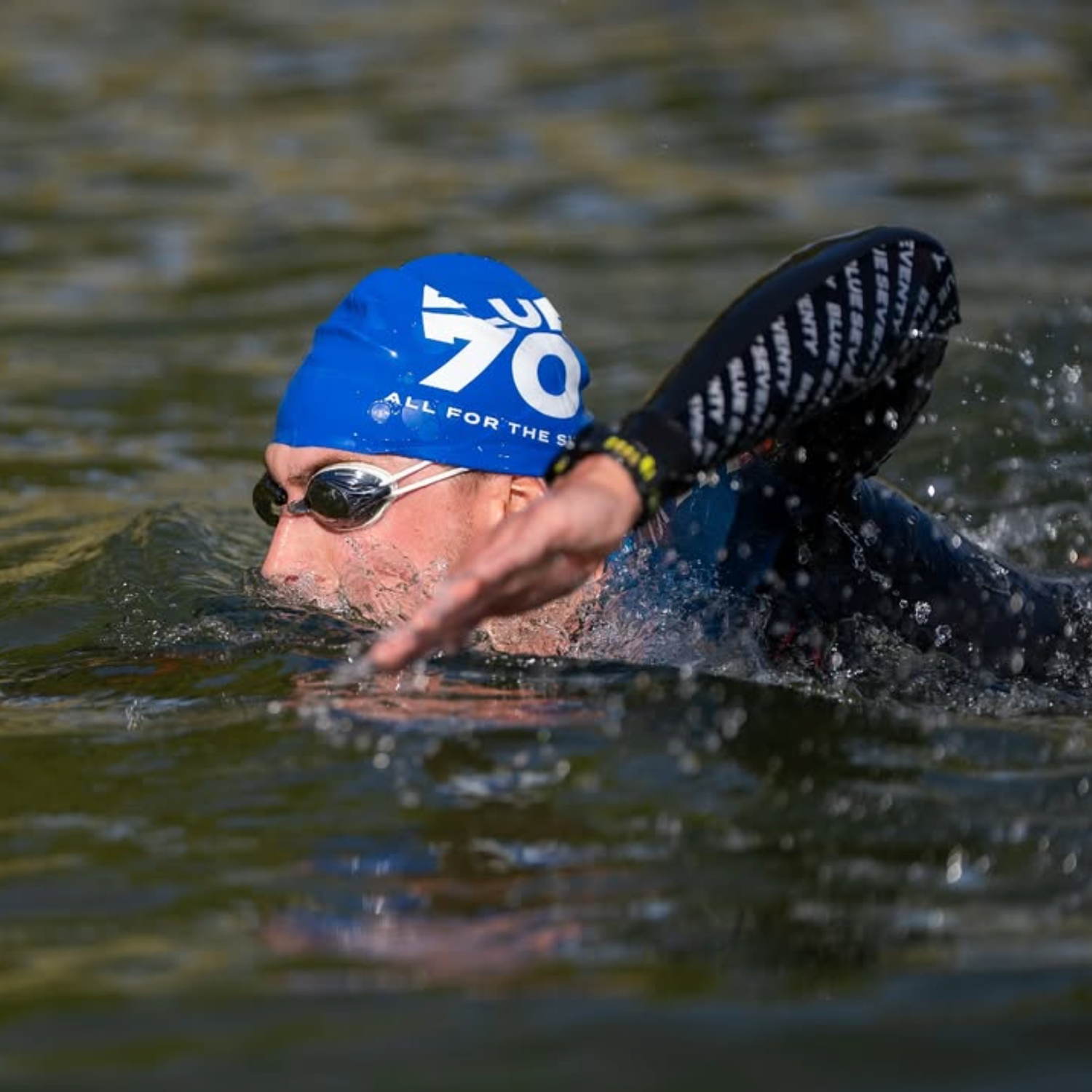
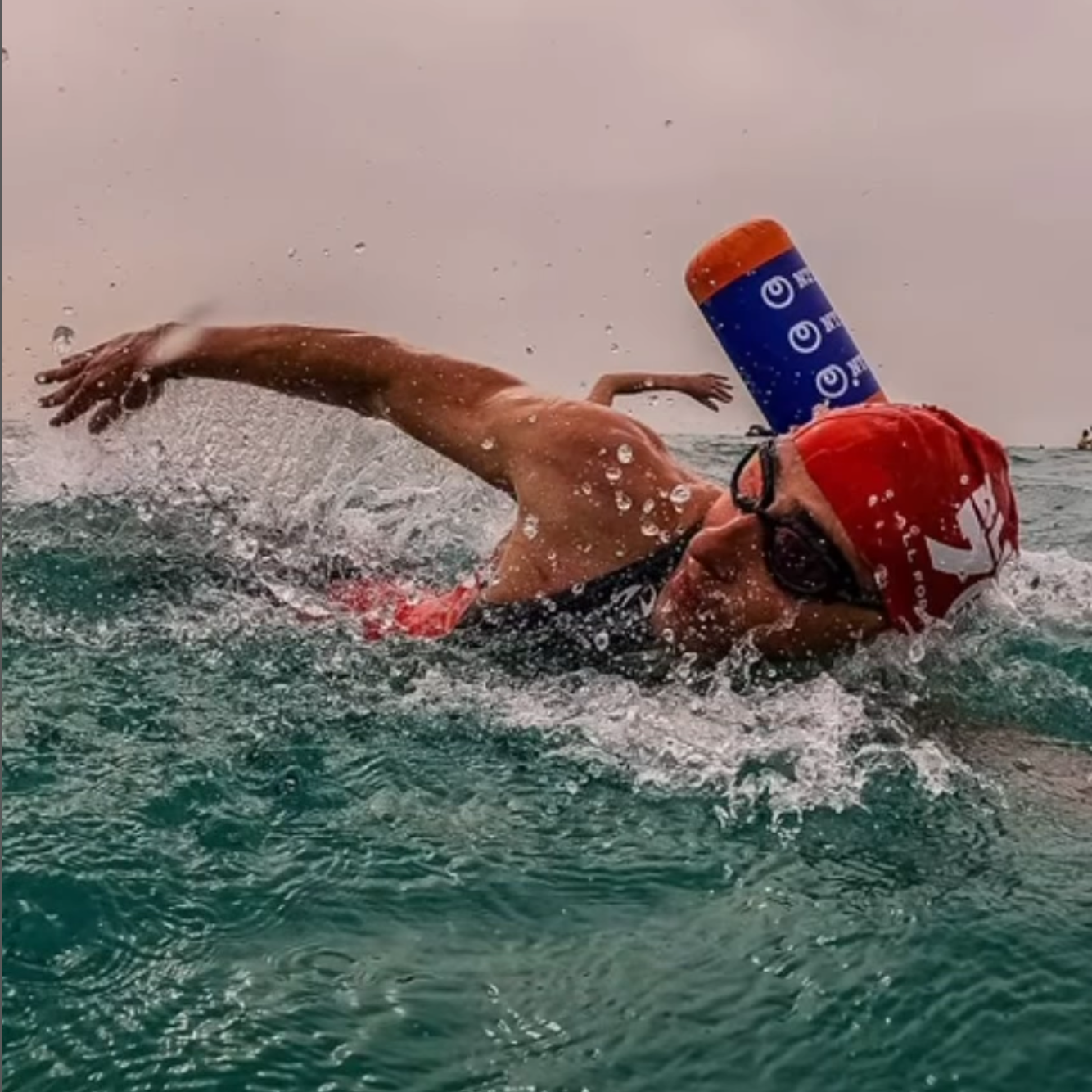
Why does this matter more than most swimmers assume? Freestyle is repetitive. Your shoulders rotate through the same arc thousands of times over a long open-water swim. A wetsuit that resists that rotation doesn't just feel stiff. It forces your shoulder and lat muscles to fight the suit on every stroke, and that resistance adds up to real fatigue well before you reach the swim exit.
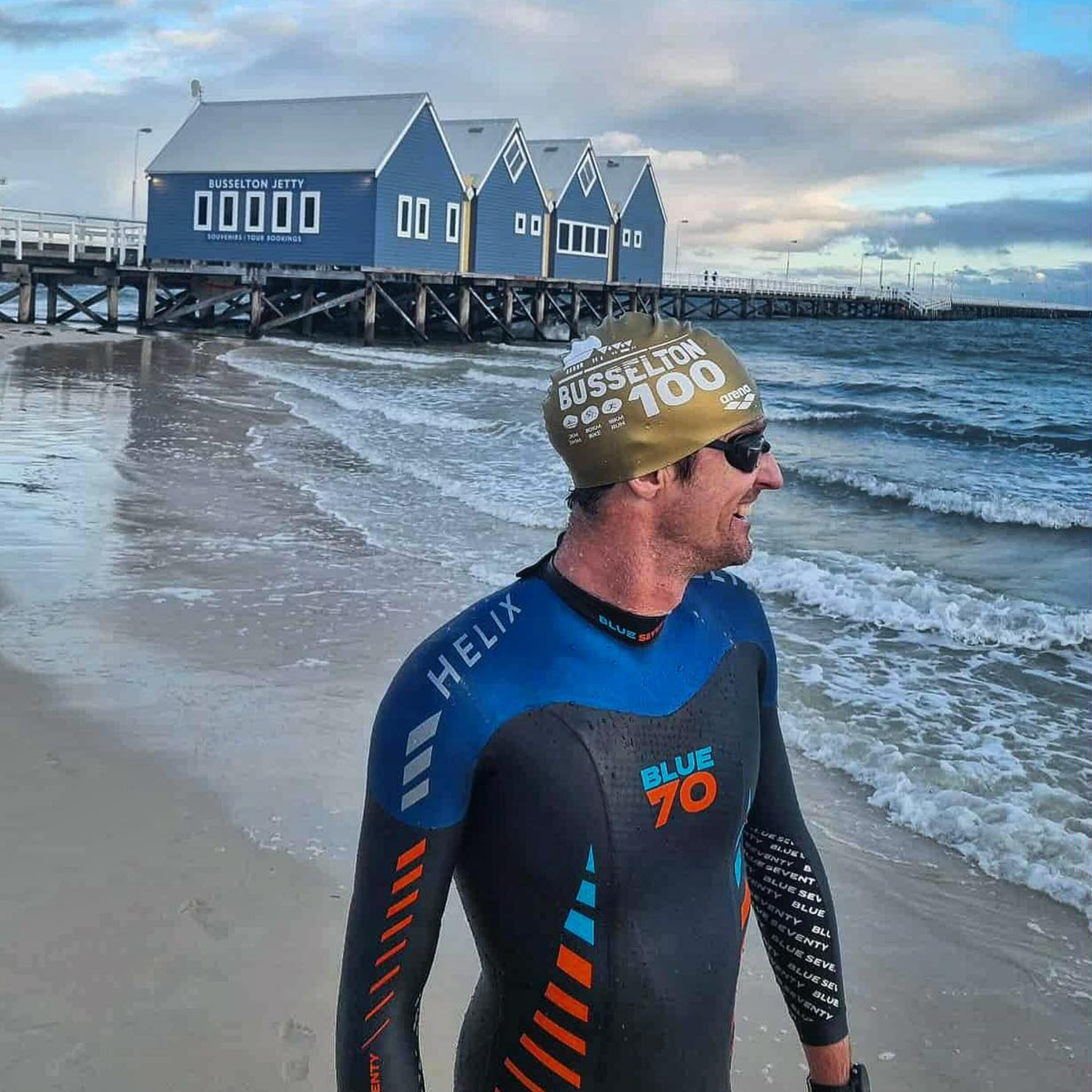
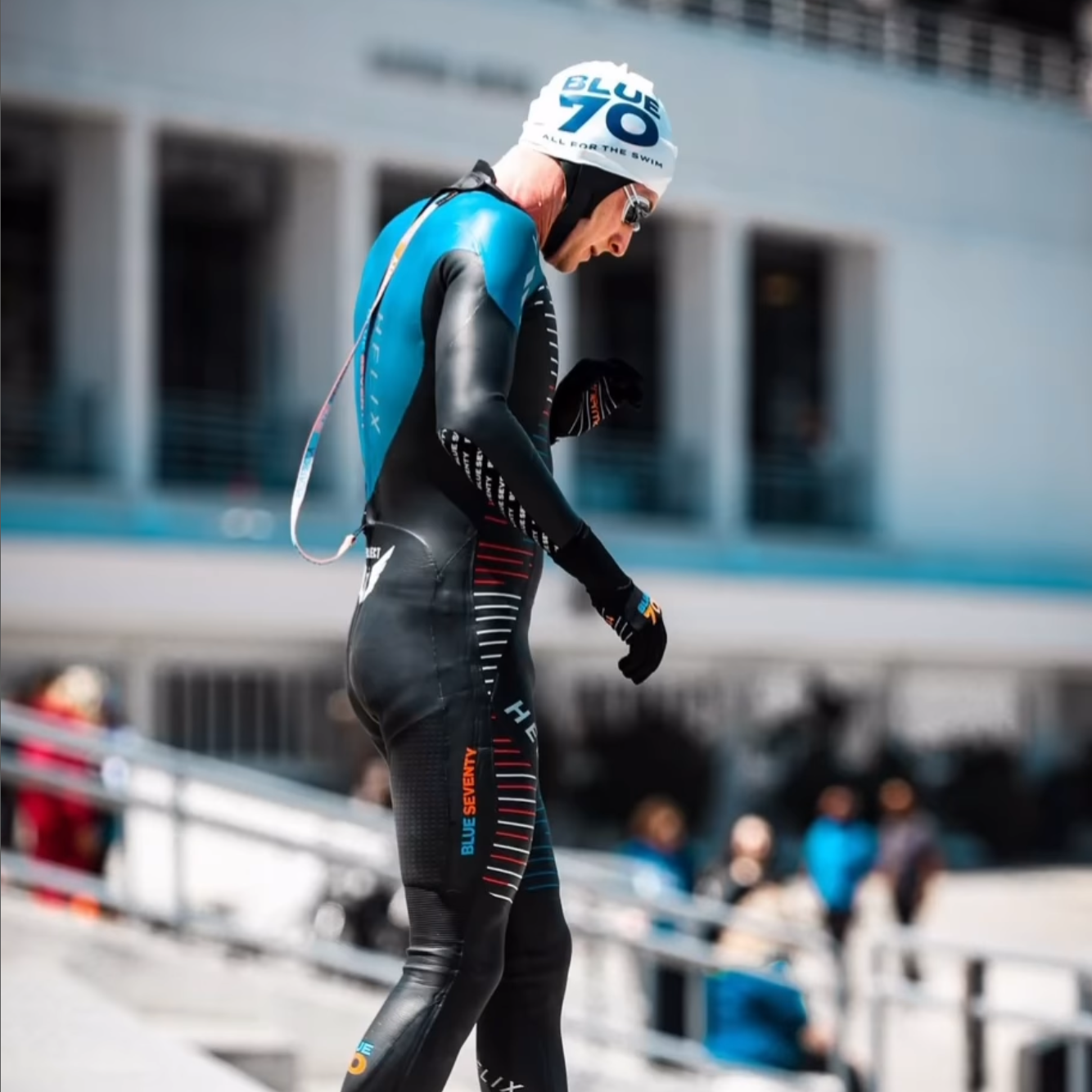
This is why the Helix uses thinner, more flexible neoprene specifically through the shoulders and arms. Freedom of movement in the highest-motion zones matters more than uniform thickness everywhere else. Blue70 is direct about the tradeoff, too: that thinner neoprene wears out faster under frequent training use. That's exactly why Reaction and Fusion exist, built with higher-durability neoprene for swimmers logging weekly open-water sessions rather than tapering toward one peak race.
Match the neoprene grade to how often you'll actually wear the suit, not just to your goal race pace.
Buoyancy Placement Beats Buoyancy Volume
The industry conversation around buoyancy tends to flatten into "more foam equals more speed." That skips the actual mechanics of what buoyancy is supposed to fix.
Buoyancy equals speed, but only when it corrects a specific postural problem most swimmers already have: hips and legs sitting lower in the water than the torso, which lengthens the body's frontal profile and adds drag. A wetsuit that adds buoyancy evenly across the whole body doesn't touch that imbalance. A wetsuit that concentrates buoyancy through the hip and leg panels does.
That's the thinking behind the LIFT panel system, introduced on the Helix in 2018. The panels aren't there for maximum flotation. They're there to lift the hips into line with the shoulders, so the body moves through the water as a shorter, straighter shape with less surface area pushing against the flow.
For swimmers who want that same correction without a full wetsuit, or for pool training where wetsuits aren't practical, Blue70's LIFT buoyancy short isolates the hip-lift effect for drill work. It was the first buoyancy short built with NBR foam when it launched in 2020, and it's still a useful diagnostic tool on its own. Swim a set of 100s with and without it. Pay attention to your kick timing and where your hips sit. Most swimmers find they were dropping their hips more than they realized.
A Quick Drill to Test This Yourself
- Swim 4 x 100 without any buoyancy aid, focusing on hip position
- Swim 4 x 100 wearing the LIFT short at the same pace effort
- Compare stroke count and how your kick feels in each set
Catch Panel Permeability Keeps Your Feel for the Water
Here's a detail that gets lost in most comparisons: your forearms and hands are where feel for the water either survives or disappears once you zip into a suit. Full neoprene coverage on the forearm creates a smooth surface that dulls your ability to sense pressure changes during the catch, the moment an efficient swimmer initiates propulsion.
Blue70 has used a permeable catch panel on the Helix since 2010 specifically to protect that sensation. The material lets you keep proprioceptive feedback through the catch and pull instead of swimming an entire race with numbed-out forearms. It's a subtle feature. It won't show up on a basic spec comparison. But it's the kind of detail that separates a wetsuit designed by people who understand stroke mechanics from one designed mainly as a thermal shell with foam bolted on.
Fit Tolerance Overrides Everything Else
The same wetsuit, worn one size off, will outperform or underperform any other suit regardless of the technology built into it. Fit decides more of your real-world swim experience than any single feature on a spec sheet.
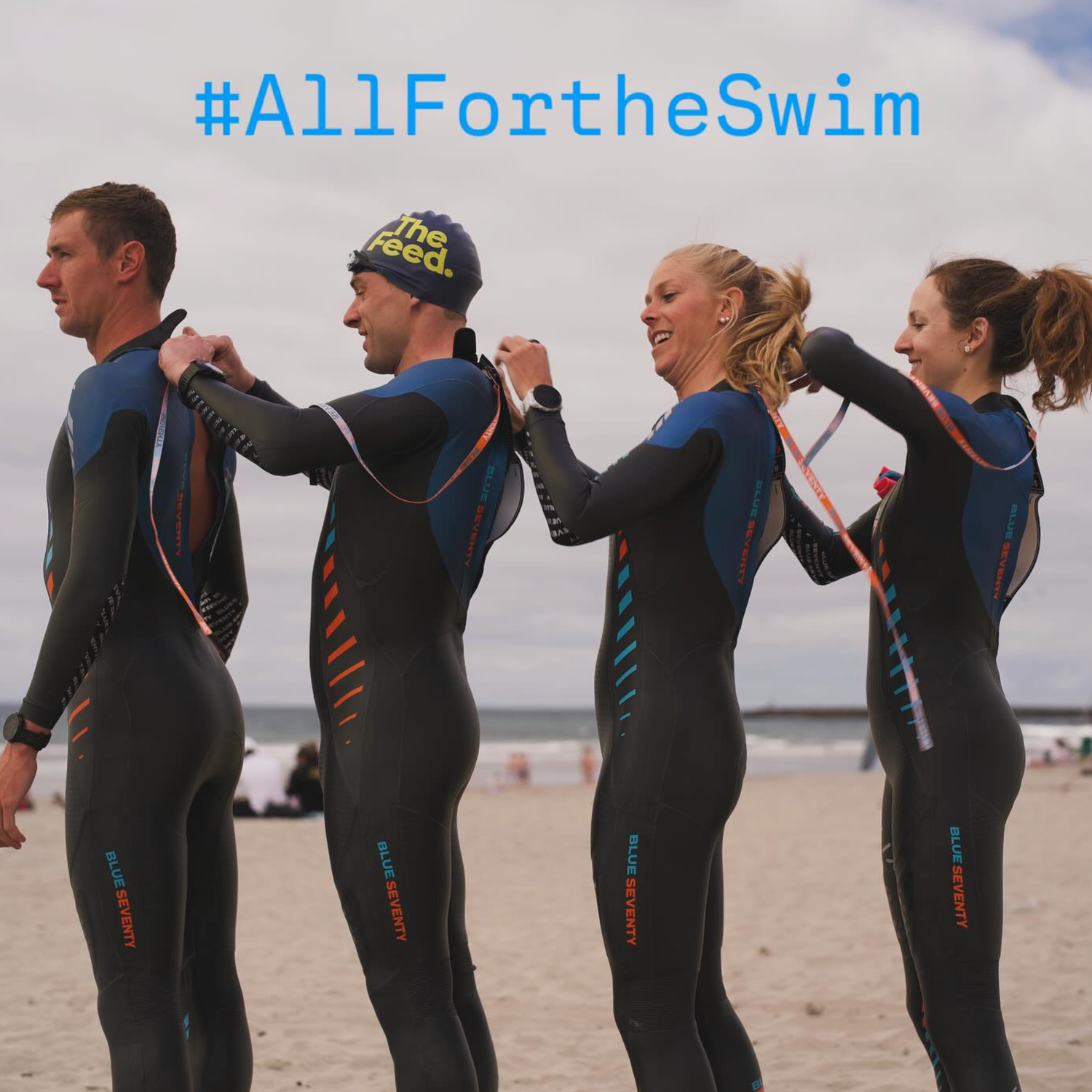
A wetsuit should feel genuinely tight on dry land. Tight enough that first-time buyers often assume they ordered the wrong size. That tightness is intentional. Neoprene relaxes and seats itself once you're moving in the water, and a suit that feels comfortable on land will feel loose and slow once you're submerged, taking on excess water and adding drag instead of cutting it.
Pay particular attention to the shoulders. An improperly fitted suit through the shoulders doesn't just feel restrictive. It actively fatigues the muscles you'll need for the back half of your swim. That's one reason sizing has gotten more granular across the industry instead of sticking to generic small-medium-large charts, and it's why Blue70's Femme Fit line exists as more than a label on a hangtag. It refines the pattern through the bust, torso, wrists, and ankles, lowers the neckline to reduce chafing, and extends the zipper for faster, easier entry and exit.
Settle the fit question before you get excited about features. A mid-range suit that fits precisely will beat a flagship suit that doesn't, every time.
Water Temperature Changes the Right Answer
Wetsuit selection isn't really a single decision. It's a seasonal one, and most buying guides skip this entirely.
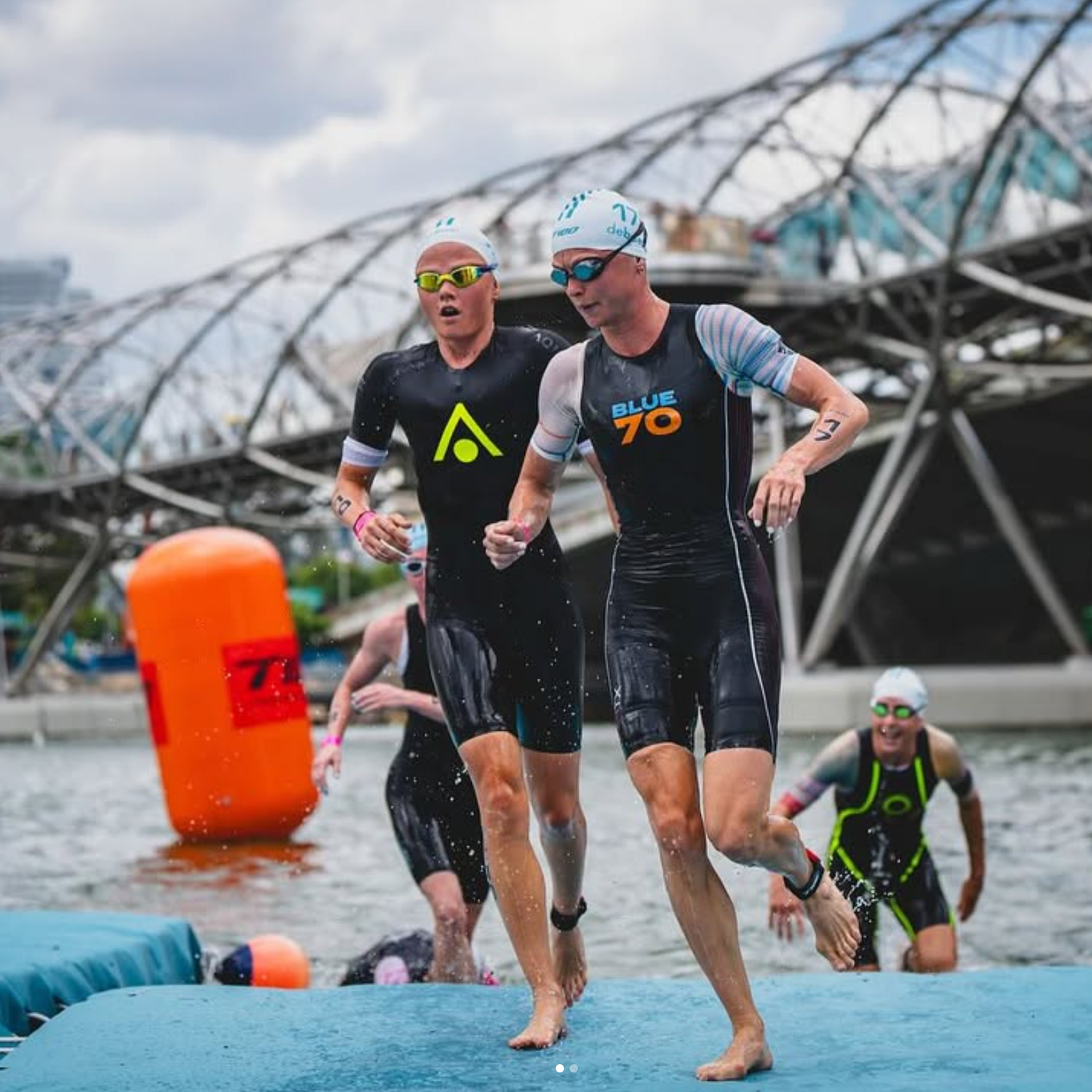
Below roughly 56 to 58°F, a purpose-built thermal suit like Blue70's Thermal Reaction, fully lined with Zirconium synthetic wool jersey, adds warmth a standard race suit can't match. Above roughly 70 to 72°F, a full suit over a longer swim can get uncomfortably warm, and that's when a sleeveless design earns its place in your gear bag.
Some swimmers reasonably own two suits across a season: a thermal option for cold early-season water, and a standard or sleeveless suit once the lake or ocean warms up. Match the gear to the water in front of you, not to a single purchase you made once and never revisited.
A Framework for Your Next Decision
Next time you're evaluating a wetsuit, work through these questions instead of scanning a features list:
- What's the neoprene cell grade, and does it match how often you'll actually wear the suit?
- Where is the buoyancy concentrated? Ask specifically about hip and leg panel placement, not just total foam volume.
- Does the forearm area preserve feel for the water, or is it fully sealed neoprene?
- Have you tested the fit in water, not just tried it on in a fitting room?
- Does your answer change with the season? If you swim across a range of water temperatures, your ideal suit probably isn't one suit.
Dry-land fit and wet-water fit feel different, which is exactly why Blue70 offers a Test Swim: you can swim in the suit and still exchange or return it within 30 days, as long as it comes back clean, dry, and unmodified with the tags attached.
The most useful comparison isn't between two products on a shelf. It's between the wetsuit you're swimming in right now and what your next race or training block actually demands. Neoprene grade, buoyancy placement, catch panel design, and fit precision are the variables that decide whether a wetsuit helps you or works against you. Everything else is packaging.