


Swimmers ask about neck seal replacement every season. The question usually starts with a leak at the collar, a red mark left after a workout, or a small tear near the zipper. Most of the time, replacing the neck seal is not the fix. The collar on a swim-specific wetsuit is a shaped panel of Yamamoto neoprene, not a replaceable gasket like a drysuit seal. It works with the rest of the suit. Once you understand what the collar actually does, most fit complaints and most repairs become simpler.
What the Neck Seal Actually Does
A wetsuit lets a thin layer of water inside, and your body heats that layer. The neck seal's job is to limit how much water flushes through the collar during each stroke. It manages that flush; it does not create a waterproof barrier. When the collar fits well, you lose less of the warm layer next to your skin. When it gaps, folds, or sits too low, cold water pumps through with every head turn and breath.
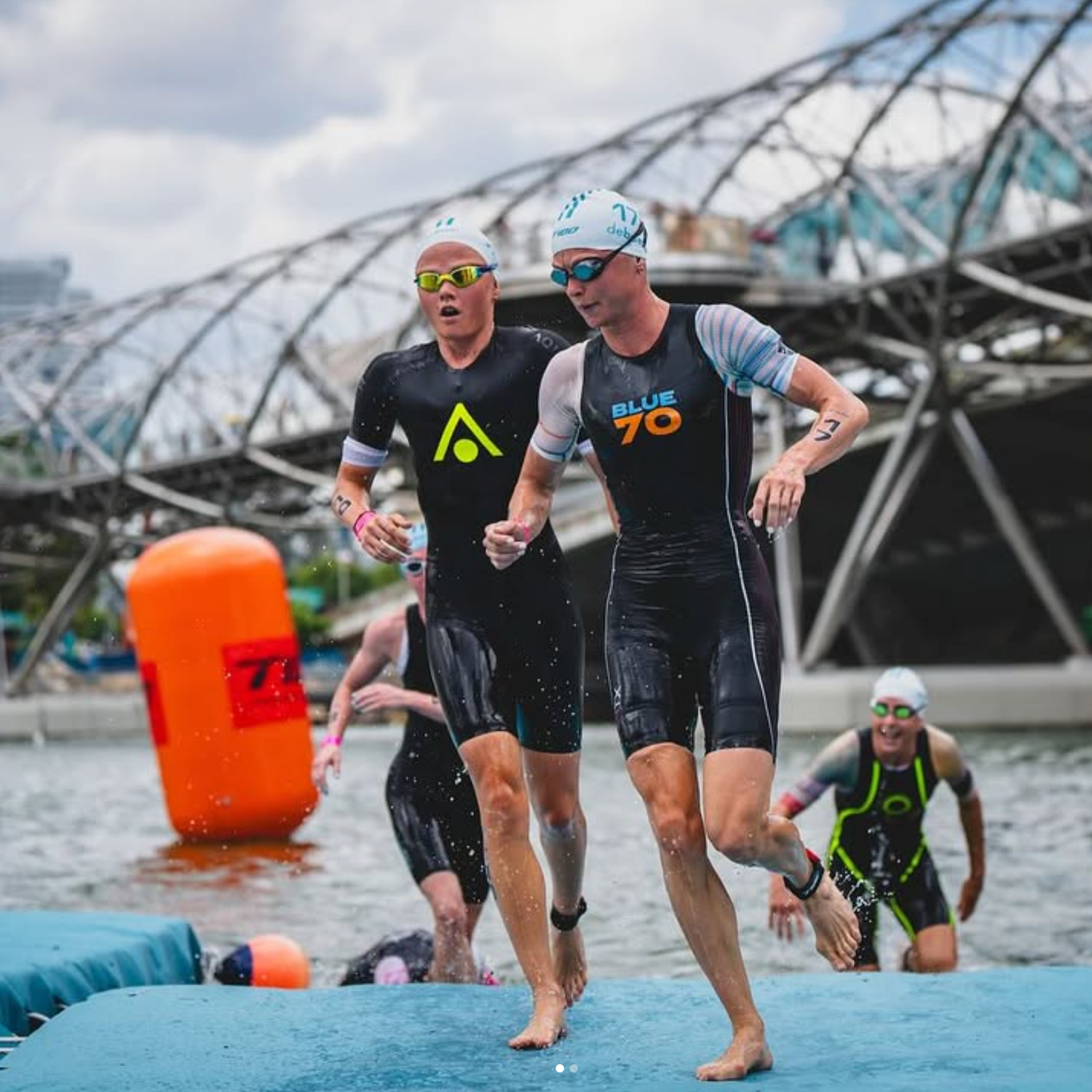
The neck opening on a swim-specific wetsuit is cut to sit against the skin without restricting your head position or breathing. On many suits, the inner face of the collar uses a smooth coating that reduces friction against the neck. Blueseventy's 2021 Fusion redesign moved the neckline lower to reduce dry-land pressure without giving up the seal. The Femme Fit patterns follow the same idea: a lowered neckline and an extended zipper make entry easier and keep the collar from riding up.
That matters during long swims. A collar that rubs for ten minutes may feel fine. A collar that rubs for ninety minutes leaves a raw line.
Why Replacement Usually Misses the Problem
Most neck seal complaints are fit problems, not material failures. A collar that gaps at the back often means the suit is too large through the torso and shoulders. Excess material bunches upward and leaves space at the neck. A collar that digs into the front of the throat often means the suit is pulled too high in the front or too low in the back. A collar that lets water in during every stroke may simply be folded under itself because the suit was not pulled up in stages.
The fix usually starts with how the suit sits on your body, not a new neck panel.
Actual collar damage does happen, but it tends to be small. Fingernail punctures are the most common. You grab the collar to adjust it, a nail catches the neoprene, and a tiny nick opens up. Zipper damage is another cause. Forcing the zipper or catching the collar in the zipper pull can tear the seam. Some of that damage is repairable. Some of it is not covered by warranty because it comes from handling rather than a manufacturing defect.
Diagnose the Collar Before You Repair Anything
Before you buy cement or contact support, put the suit on the way you would for a swim. Use the pads of your fingers, not your nails. Pull the suit up in stages: legs first, then torso, then shoulders. Do not hoist the suit by the neckline.
Then work through a short checklist.
- Look at the collar from the front and the back. It should lie flat against your skin with no folds.
- Turn your head side to side. The collar should move with you, not lift away.
- Tuck your chin and roll your shoulders forward. A small gap at the back of the neck can appear here on some swimmers. A gap that opens every stroke is a fit issue.
- Inspect the collar for small nicks, seam splits, or rough edges around the zipper.
Some water entering through the neck is normal. A wetsuit is not designed to seal out every drop. If you feel water flushing through steadily, that points to fit or damage. If you feel a brief trickle when you first get in, that often settles as the suit warms and conforms.
Small Tear Repairs That Hold
Small nicks and short seam splits can be repaired with a flexible neoprene cement. Blueseventy sells Aquaseal neoprene cement for this type of repair. Do not use a rigid household adhesive. Rigid glue cracks as soon as the neoprene stretches.
Repair a small tear in a few steps.
- Rinse the area and let it dry completely.
- Clean the edges with a dry cloth. The surfaces need to be clean for the cement to bond.
- Apply a thin layer of cement to both sides of the tear with a toothpick or small brush.
- Press the edges together and hold them in place. Follow the cement's instructions for clamping and cure time.
For a seam split near the collar, the same method works for short separations. If the split is long or runs through the lining, contact support before you reach for the cement. Structural damage near the neckline can affect how the suit stretches across your shoulders, and a poor repair can make the suit uncomfortable in a new way.
Donning and Care: Where Neck Seal Problems Start
The neck seal usually fails long before any tear appears. It fails during donning.
Donning mistakes
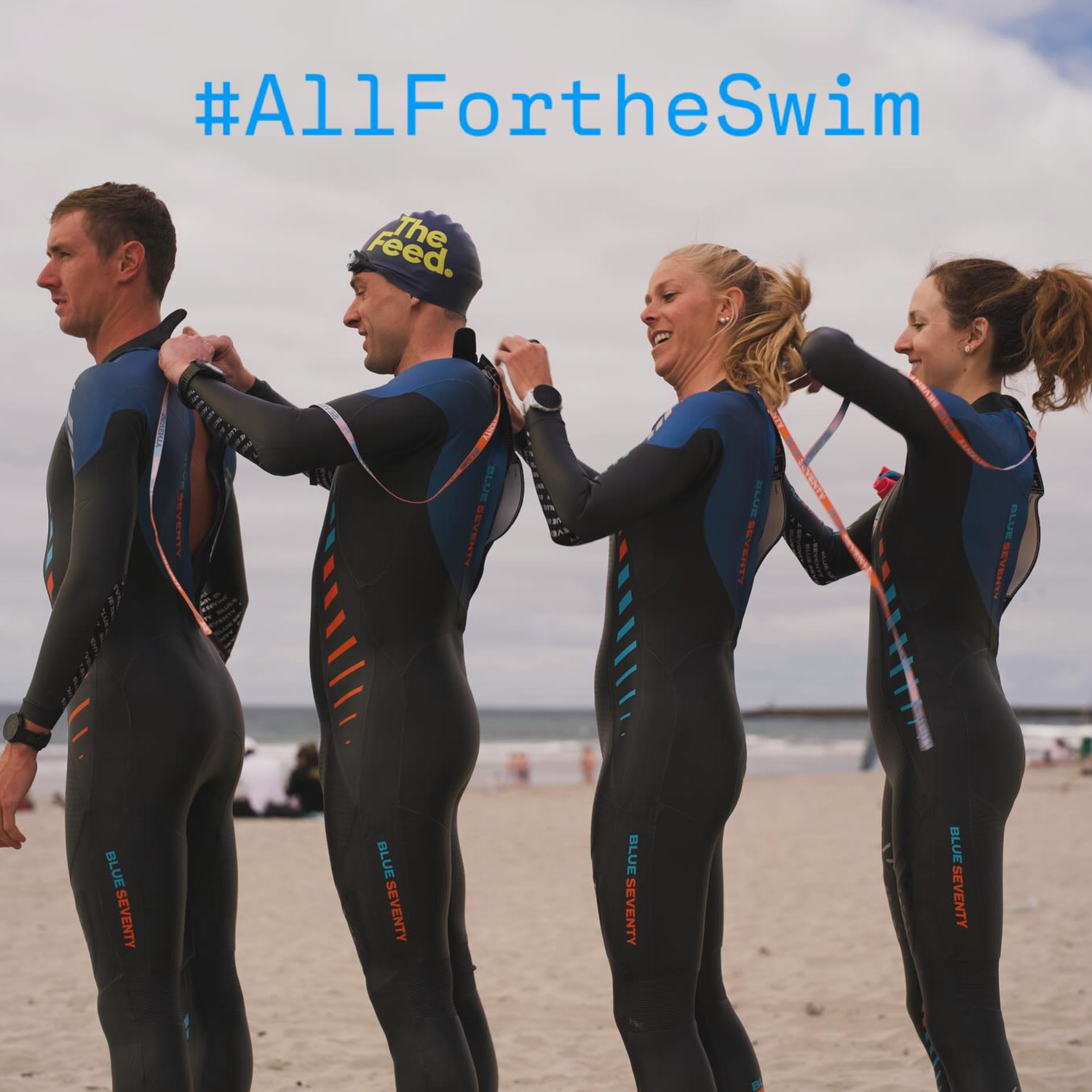
Gripping the collar with your fingertips and pulling hard is the fastest way to nick the neoprene and stretch the seam. Instead, grip the neoprene with flat fingertips. Some swimmers use neoprene gloves or a thin liner to reduce nail contact. Take your time at the shoulders. The neckline should be the last thing you adjust, not the first thing you grab.
When you take the suit off, unzip it fully before peeling it down. Roll the suit away from your body instead of pulling the collar outward. If the suit is wet and heavy, the neckline is under extra load. Support the suit with both hands rather than letting the full weight hang from the collar.
Post-swim care
After a swim, rinse the suit in fresh water. Salt and chlorine sit in the neoprene and can break down adhesives over time. Dry the suit out of direct sun. Heat damages neck seals more than most swimmers expect. A wetsuit left in a hot car or hung near a heater will lose flexibility and the glued seams can weaken. Drape the suit over a wide hanger or lay it flat. Hanging a wet suit by the collar with a thin hook stretches the opening and changes the fit.
When to Contact Support
Blueseventy covers manufacturing and material defects for one year from the original owner. That does not include fingernail punctures, tears from force, or heat damage. If your collar has a seam separation that appeared during normal swimming and is not the result of yanking or a nail catch, contact us@blueseventy.com with photos.
If the collar gap or pressure does not resolve after fixing your donning technique, the suit may be the wrong size. Start with the fitting guide and size charts. Then take the suit for a test swim. Blueseventy's return and exchange policy lets you swim in a wetsuit and still exchange it within 30 days if it is returned clean and dry. That test swim tells you more about the neck seal than any measurement chart.
A neck seal that sits flat, moves with you, and limits flushing is almost never a candidate for replacement. It is a candidate for better donning, better care, or a small patch you can finish before your next swim. Happy swimming.