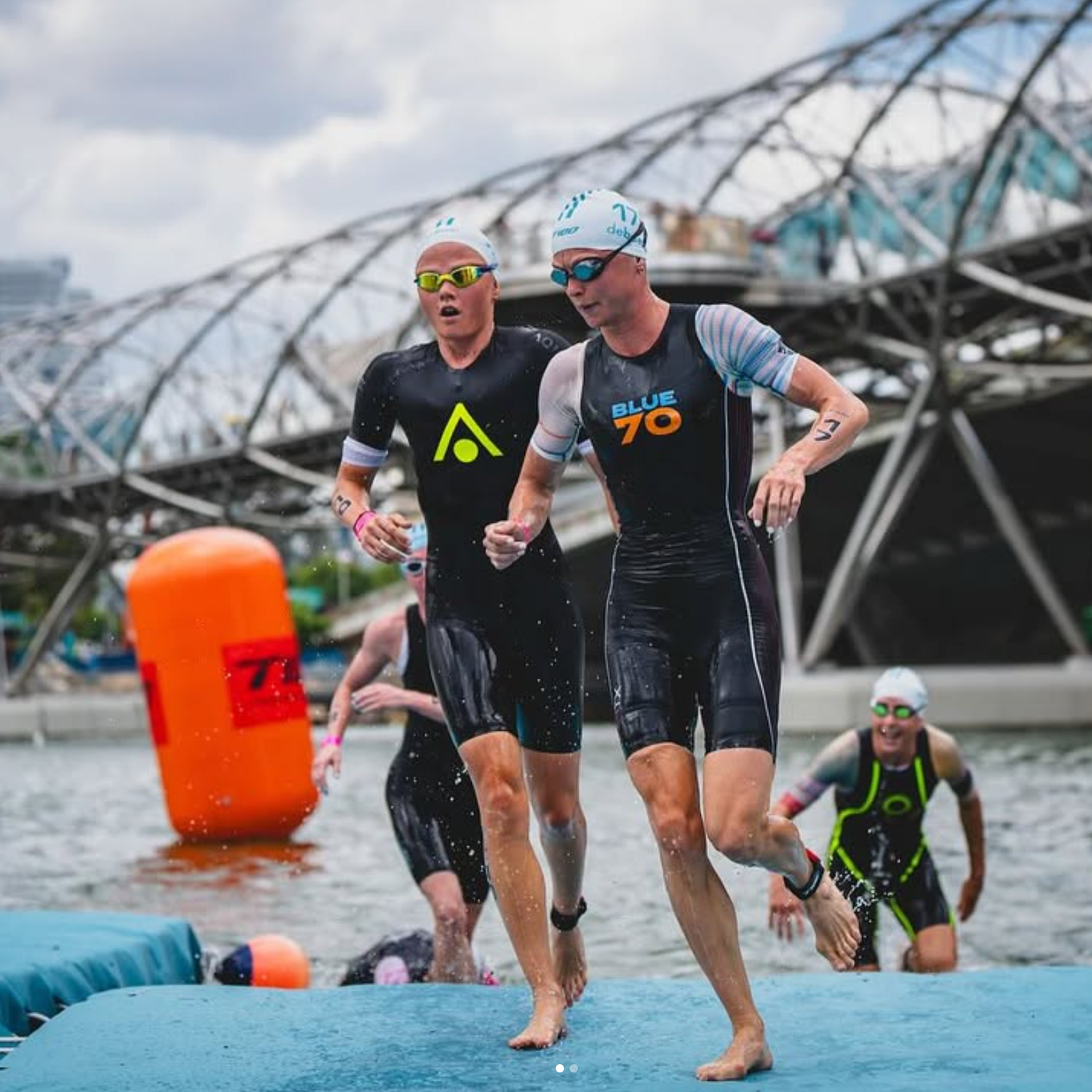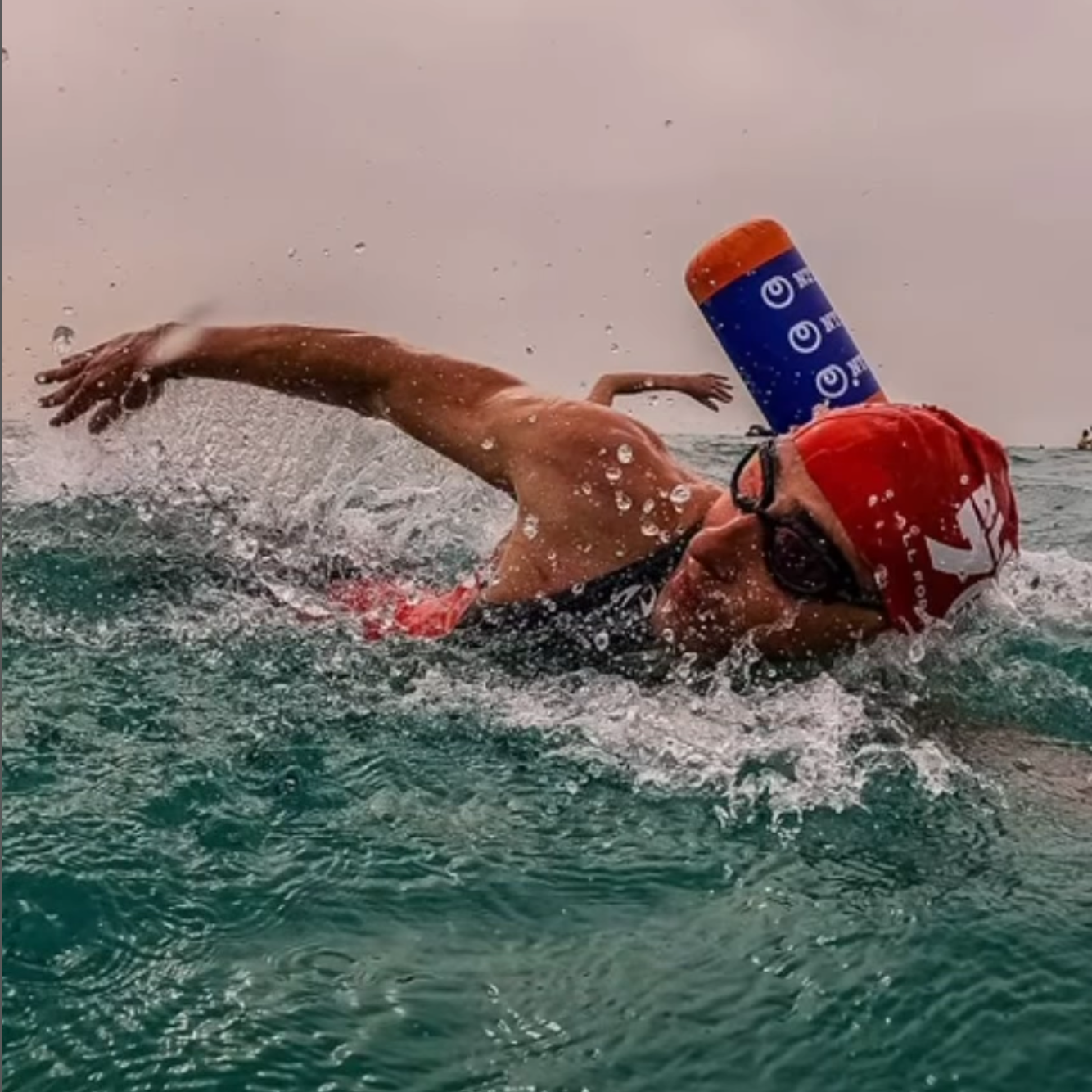



Ask any swim shop tech who fields warranty calls, and they'll all tell you the same thing: it's rarely the ocean that kills a wetsuit. It's not chlorine, sun exposure, or even a hard season of training. It's one careless moment during donning or doffing - a fingernail dragged across a chest panel, a heel punched straight through an ankle cuff. Ten seconds, and a suit that had years of swimming left in it now needs a repair.
Here's the part most swimmers never think about: wetsuit damage is almost always a handling problem, not a material problem. The Yamamoto neoprene used across the Blue70 line - in 38, 39, and 40-cell grades - is built to stretch and recover through tens of thousands of stroke cycles without complaint. What it can't handle is a fingernail or a heel concentrating your full body weight into a few square millimeters of foam. Once you understand why that happens, protecting your suit stops being guesswork.
Why Neoprene Fails the Way It Does
Neoprene foam is essentially a rubber compound filled with trapped gas bubbles. That cellular structure is exactly what gives a wetsuit its buoyancy and stretch - the higher the cell count, the more (and smaller) those bubbles are, which is why panels built for maximum shoulder mobility feel so much more pliable than the rest of the suit. But that same structure is also what makes neoprene vulnerable to sharp, concentrated pressure.
Swimming stresses the material evenly across a wide surface. A fingernail or a heel does the opposite - it shears through cell walls in one small spot. Once that seal breaks, water gets in and every subsequent flex widens the damage. A pinprick becomes a run. A run becomes a tear. And it can happen in the ten seconds it takes to yank a suit on incorrectly, long before you've even gotten in the water.
The Two Predictable Failure Points
Fingernail Punctures - Chest, Ribs, and Forearms
This one happens almost every time the same way: a swimmer grips the neoprene to pull it into place, and a nail digs in under tension. It's especially common with newer suits, where the material hasn't broken in yet and feels stiffer than it will after a few swims - which tempts people to pull harder than they need to.
Heel Tears - Ankle Cuffs and Lower Leg
This is the single most common form of wetsuit damage, full stop. Your heel is a hard, narrow point of pressure being forced through the tightest part of the entire suit. Pull a wetsuit on the way you'd pull on a sock - heel-first, straight through - and you're asking a thin strip of neoprene to survive the sharpest bone on your body.
Neither of these is covered under a standard wetsuit warranty, and that's not a loophole - it's just accuracy. Blue70 covers manufacturing and materials defects for one year from purchase, but a fingernail puncture or a heel tear isn't a defect. It's handling damage, and it's entirely preventable with better technique.
Donning Technique: The 90 Seconds That Actually Matter
A handful of small adjustments will eliminate nearly all of this risk:
- Bag your hands and feet. Plastic produce bags slipped over your hands and feet let neoprene glide instead of snagging on skin, knuckles, or nails. This one habit alone prevents most fingernail and heel damage before it ever starts.
- Stop pulling with your fingertips. Use flat, open hands and a rolling, gathering motion - bunch the neoprene and walk your palms up the fabric instead of pinching and yanking.
- Roll the ankle cuff instead of forcing your heel through it. Gather the ankle into a wide loop, step through it, then unroll the material up your leg rather than jamming your heel through a narrow opening.
- Trim your nails before race week. Obvious, yes - but it's the step people skip most. If you're donning under pressure on race morning, short nails belong on your pre-race checklist right next to your goggles.
Why Race Morning Is the Riskiest Moment
Training swims are low-stakes donning environments. You've got time, you're not nervous, and nobody's rushing you through a crowded transition area. Race mornings flip all of that: adrenaline, cold hands, real time pressure, and a suit that's often slightly damp from a warm-up swim and harder to move. That combination is exactly when rushed, aggressive pulling happens - which is exactly why a fifteen-second habit like bagging your hands and feet pays off most on the one day it really counts.
The same discipline applies on the way off. If someone's helping strip your wetsuit in transition, real force gets applied through the ankle cuffs in the opposite direction. Control the motion. Don't let momentum do the tearing for you.
When Damage Happens Anyway: Repair, Don't Replace
Even careful swimmers nick a suit occasionally. The good news is that small tears and punctures are almost always fixable, and a clean repair restores both the watertight seal and most of the material's original flexibility.
For small nicks and punctures, a neoprene cement is the standard fix:
- Clean and completely dry the damaged area - any leftover salt, chlorine, or body oil will keep the cement from bonding properly.
- Apply a thin, even coat of neoprene cement to both sides of the tear, or directly into the puncture.
- Let it cure fully before pressing the edges together. Rushing the cure time is the number one reason repairs fail.
- For punctures rather than clean cuts, work a small amount of cement into the hole, let it cure, then trim it flush so it doesn't stiffen the surrounding neoprene.
For larger tears or seam separation, you may need a compatible neoprene patch bonded with cement rather than adhesive alone. This is where a dedicated wetsuit care product, or a repair service through your local swim shop, is worth the extra step.
Done well, a repair on a small puncture is nearly invisible once cured - it won't restrict the stretch around it or reopen under normal training loads. What it won't do is rescue a suit that keeps failing in the same spot over and over. If you're patching the same heel cuff for the third time, that's less a repair issue and more a sign the suit is nearing the end of its useful life.
What This Means When You're Choosing a Suit
This is also where an honest trade-off in neoprene grade is worth understanding before you buy. A flagship race suit like the Helix uses extremely thin, high-cell-count neoprene through the shoulders and arms specifically to maximize feel for the water and range of motion. Blue70 is upfront that this delicate construction breaks down faster under frequent, high-volume training than a suit built with the heavier-grade neoprene found in the Reaction or Fusion.
If you're training in your race suit two or three times a week, you're donning and doffing it dozens of times a month - which multiplies your exposure to exactly the handling risks covered above. Saving a lighter race suit for competition day and dedicated open-water test swims, and training in a Reaction or Fusion the rest of the time, isn't only about long-term durability. It's about simply reducing how many chances your hands and heels get to do damage in the first place.
The Bottom Line
Your wetsuit's biggest threat usually isn't the open water, the sun, or the wear of a hard training block - it's the ten seconds of donning before you've even gotten wet. Bag your hands and feet, roll instead of yank, and keep your nails trimmed heading into race week. If damage happens anyway, a proper neoprene cement repair will typically get you back in the water without missing a beat. Give your suit a little more patience going on than you think it needs, and it'll return the favor for a long time to come.
Happy swimming.