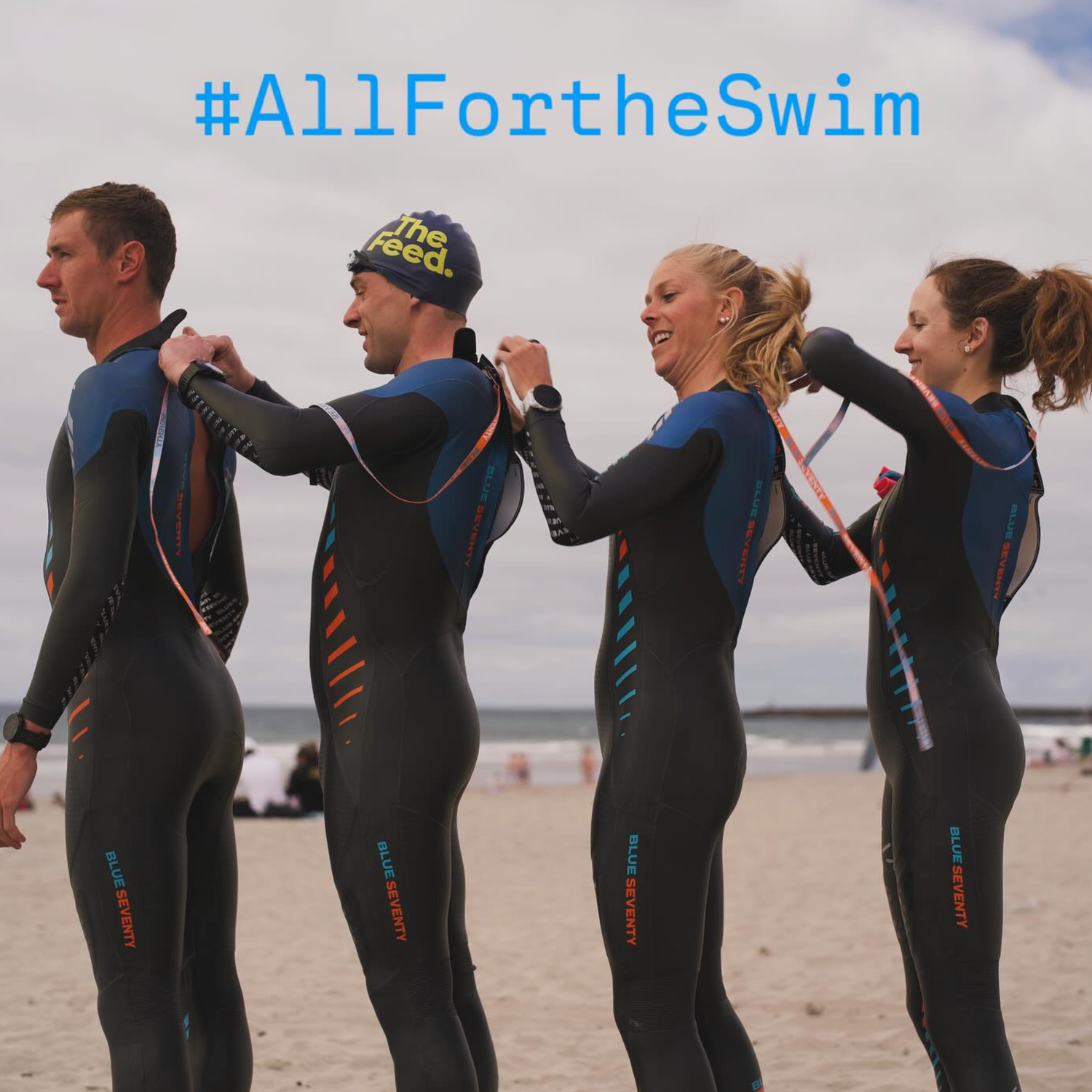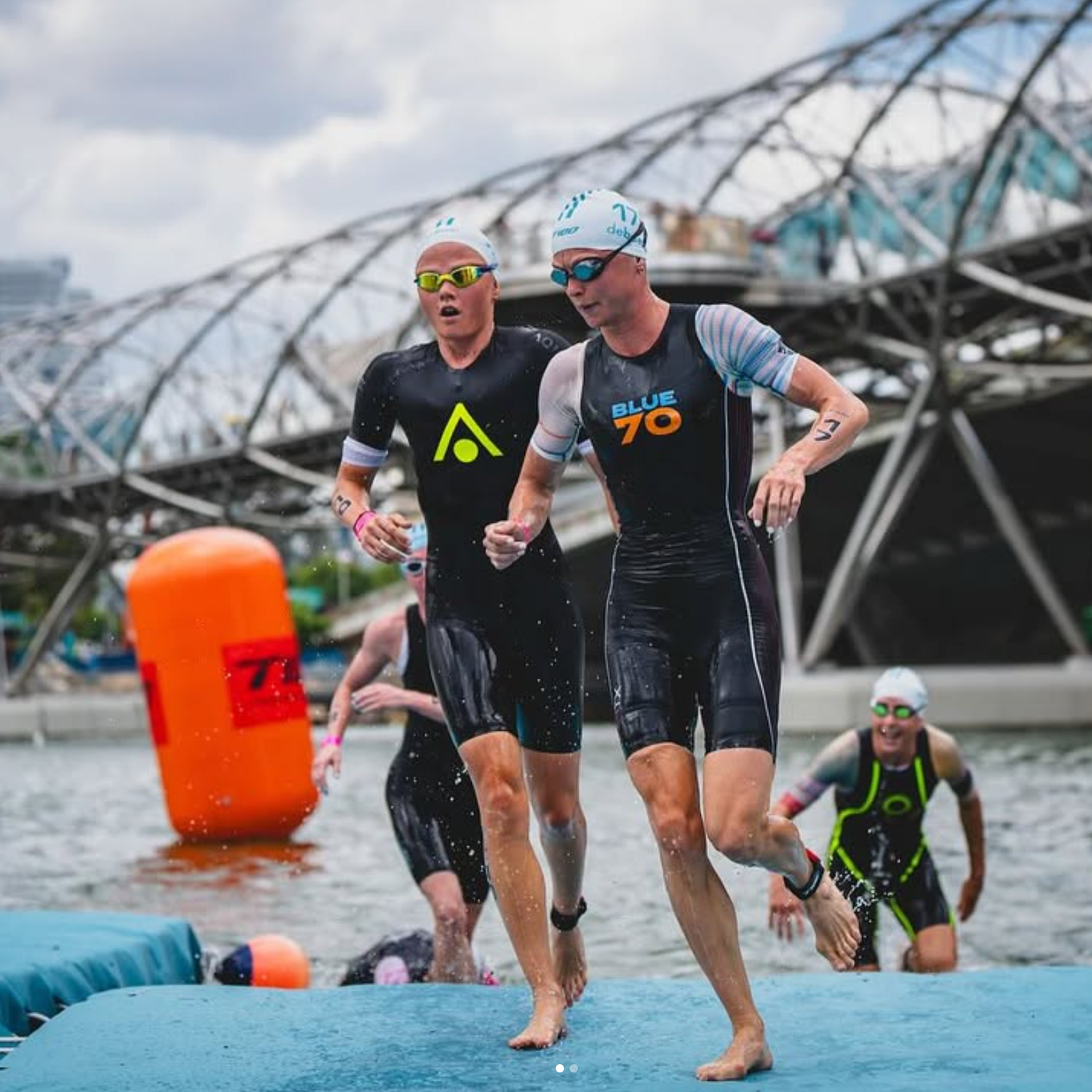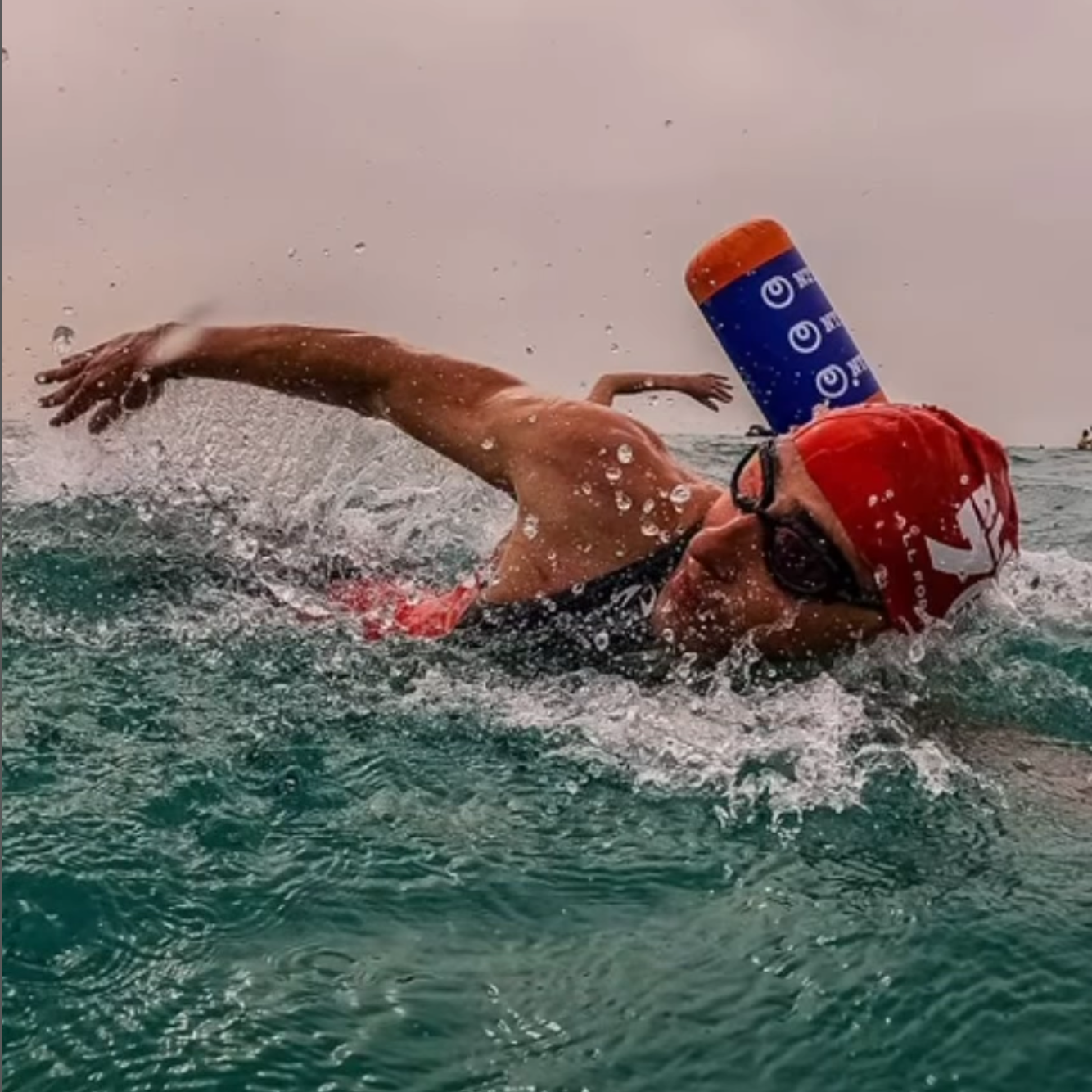



No. Color does not determine how well a wetsuit retains heat in the water. A Blue70 wetsuit keeps you warm by trapping a thin layer of water against your skin, not by absorbing sunlight. Your body warms that layer, and the suit slows the exchange with colder water outside. Color is a visibility and preference choice, not a thermal feature.
How a wetsuit actually holds heat
When you zip up a Blue70 wetsuit, water moves into the space between the neoprene and your skin. A wetsuit is not waterproof. It relies on that thin water layer. Your body warms the layer, and the neoprene slows how fast the cold water outside replaces it.
Fit does the heavy work. A snug seal at the neck, wrists, and ankles reduces cold water flushing through with each stroke. Lining and neoprene grade also matter. Blue70 uses Yamamoto neoprene in 38, 39, and 40 cell grades. Higher cell numbers add flexibility. The Thermal Reaction adds a full Zirconium jersey lining designed for cold-water swimming.
What color does and does not change
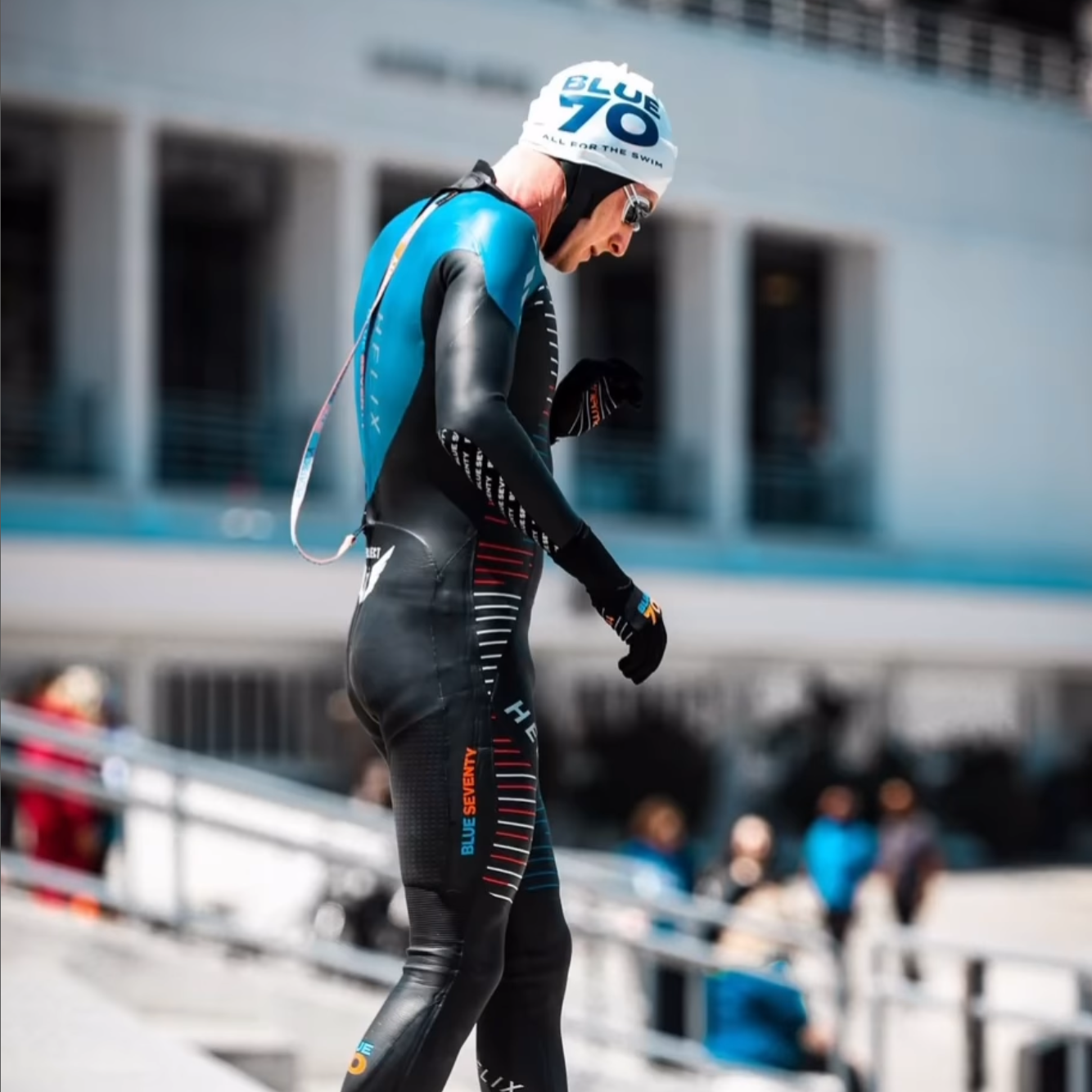
Darker material absorbs more visible and infrared light than lighter material. You can feel that on the beach: a black suit left in direct sun gets warmer on the outside than a light suit. Once you enter the water, the suit fills with water and the water moving across the suit carries heat away faster than sunlight adds it. During a swim, color does not change your core temperature retention.
Color still matters for visibility. A bright or high-contrast panel makes you easier to spot from a kayak, a support boat, or shore. Choose color for that reason, not for warmth.
Why fit beats color every time
A loose suit flushes cold water through the collar, cuffs, and ankles with every stroke. That replaces the warm layer and makes you feel cold even in a full suit. A snug suit holds the warm layer in place. On dry land, a Blue70 suit should feel tight but not painful. It will settle once water enters. Before you choose a color, check the height and weight sizing chart and get the fit right. Fit is speed, and it is also warmth.
What to choose for cold water
If you regularly swim in water below about 56 to 58°F, choose a suit designed for that range. The Thermal Reaction is the cold-water option in the Blue70 line. Add thermal accessories such as a neoprene cap, gloves, or booties when needed. No suit can guarantee comfort in every condition. Your warmth depends on water temperature, exposure time, and your own physiology.
What about light suits and warm water?
A light suit does not keep you cooler in the water. Overheating in a wetsuit comes from water temperature, duration, and effort, not suit color. Above about 70 to 72°F, a full suit can feel too warm over longer swims. That is when a sleeveless suit or a swimskin becomes the better option. Choose based on water temperature and planned duration, not on whether the suit is light or dark.
Ready to find the right Blue70 suit for your water? Start with the size chart and then take it for a test swim. Happy swimming.