


Yes. Neoprene foam does lose buoyancy as it ages. The gas-filled cells that create lift get compressed during use, and over time some of them stay compressed. How quickly that happens depends on the suit's thickness, how often you swim, and how you store it.
You'll notice it first in body position. A tired suit lets your hips and legs sit lower, so you work harder to hold a straight line at the same pace. That feeling is real. It is the foam getting thinner and losing its spring.
What compresses in a wetsuit
Neoprene is a closed-cell foam, but closed does not mean indestructible. Each cell traps gas, and that trapped gas provides most of a wetsuit's lift. When you swim, muscle contraction and water pressure crush those cells. Swim after swim, some cells collapse and do not spring back. The suit becomes thinner in high-load areas such as the chest, shoulders, hips, and knees.
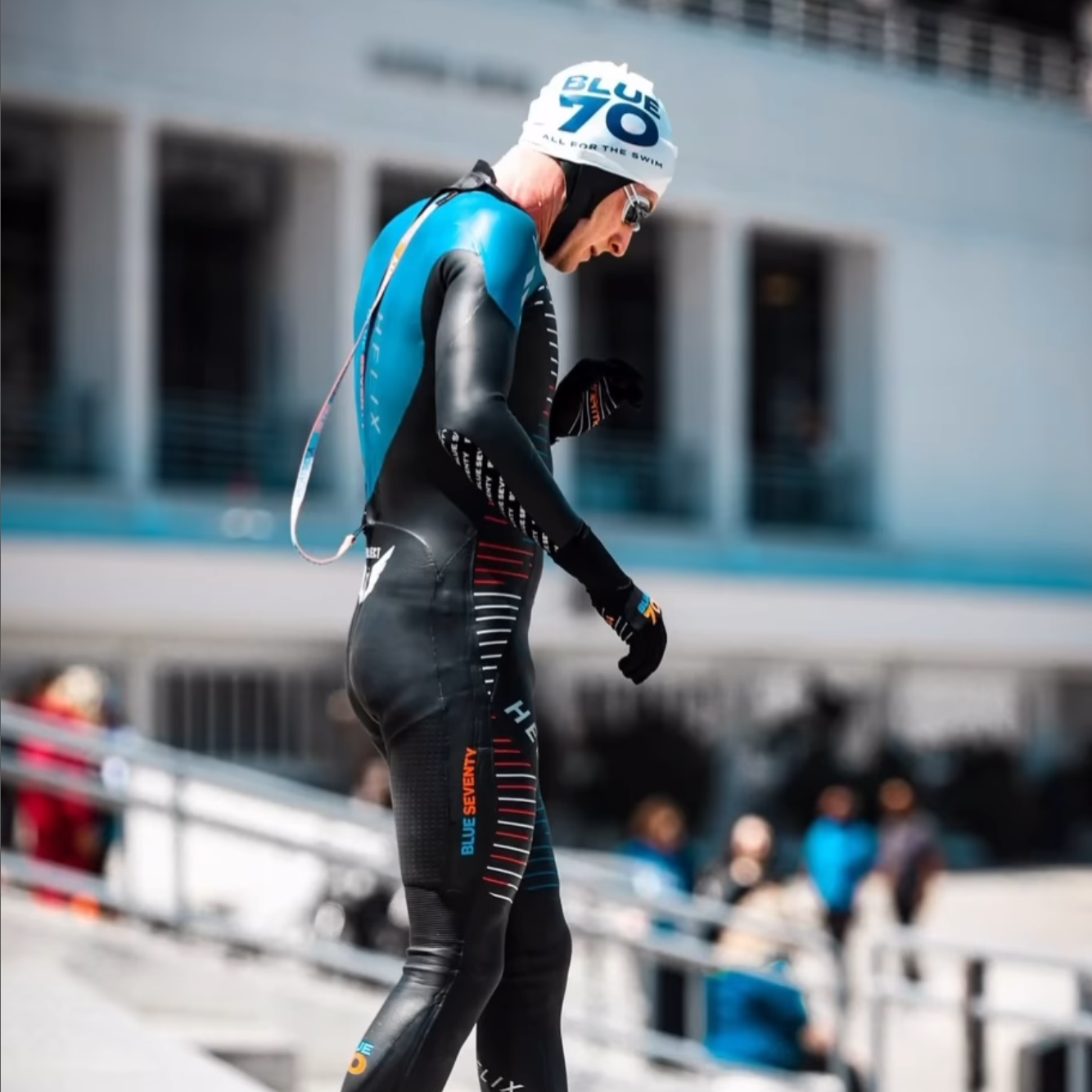
This is a normal part of a wetsuit's life. A race suit built from thin, flexible neoprene will reach that point sooner under hard weekly training. The blueseventy Helix uses thin panels in the arms and shoulders to preserve a natural catch and feel for the water. That makes it quick, but it is not the suit to pick for five training swims a week. For that workload, the Reaction and Fusion are better matched because they are built to handle more frequent sessions. All blueseventy wetsuits use Yamamoto neoprene in 38, 39, and 40 cell grades. Higher cell numbers flex more, which is why the Helix panels feel free in the shoulders.
Why a suit may feel less buoyant than last season
Several things accelerate permanent compression. The foam's two biggest enemies are heat and repeated creasing. A wetsuit left folded under a gear bag in a hot car is losing life, even if it never touches the water. The same goes for drying a suit on a sunny deck or storing it in a hot garage.
Water care also matters. Chlorine and salt dry out the neoprene and neoprene seams over time, and if you skip the rinse after every swim the material loses flexibility and the seams become stiff, which makes small movements feel like a loss of lift.
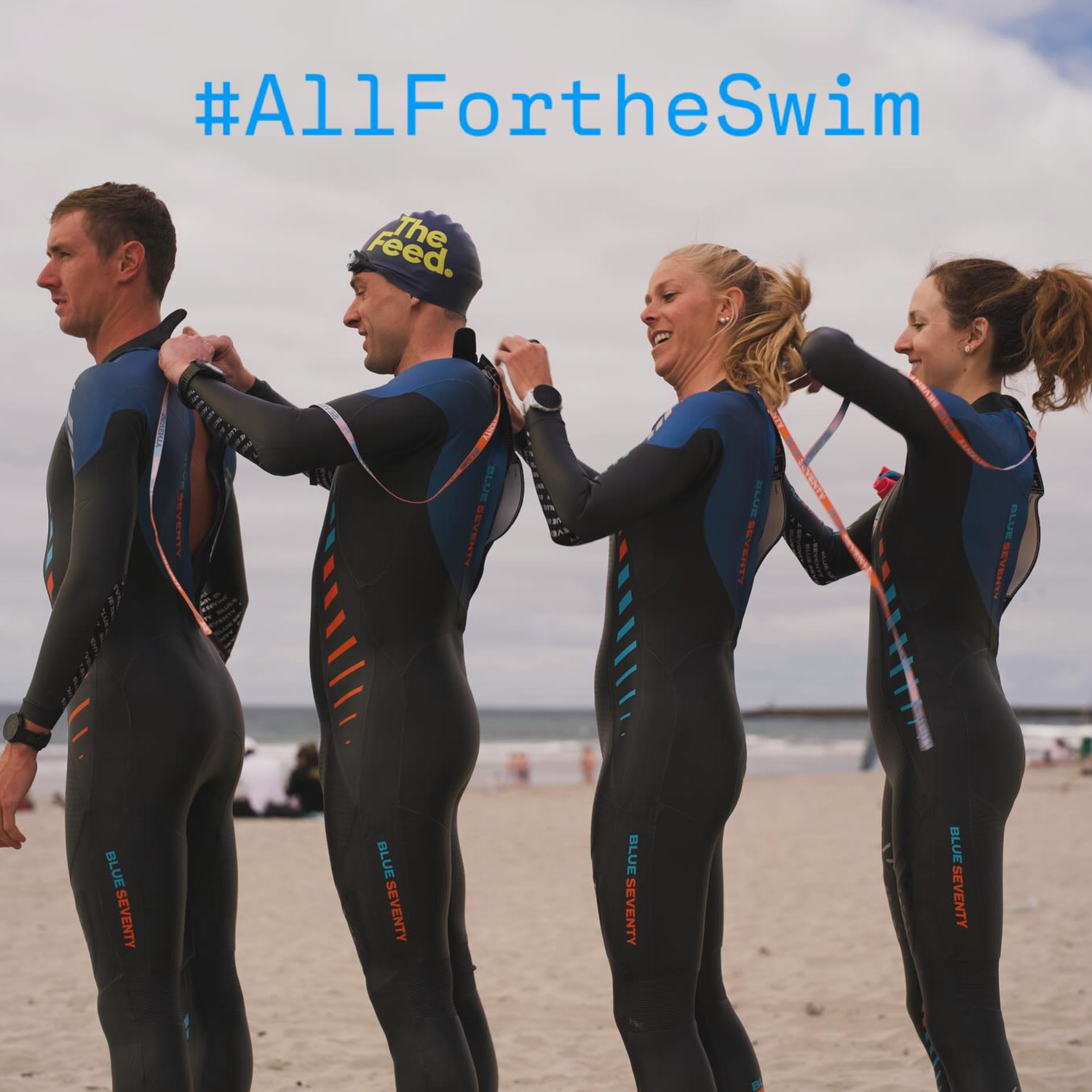
Punctures do not usually reduce buoyancy directly, but they let water flush through the suit. That added water adds weight and drag, so the suit feels heavier and slower. The two most common puncture sites are fingernail nicks on the arms and heel tears from forcing a foot through the leg. Both are avoidable with careful donning. Put the suit on with the pads of your fingers, not your nails.
How to slow the loss
Five habits make the largest difference:
- Rinse the suit inside and out with fresh water after every swim.
- Dry it flat in the shade, turning it once so both sides dry.
- Store it flat or on a wide, smooth hanger. Never fold it or leave it under a gear bag.
- Keep it out of car trunks, hot garages, and direct sun.
- Repair small nicks with Aquaseal neoprene cement before the tear grows.
A wet suit should also dry fully before storage. Folding a damp suit into a bag is a quick way to create deep creases that turn into flat spots.
When to replace
A suit has reached the end of its useful buoyancy when it will no longer hold your hips and legs up at the same effort. If you're kicking more to stay horizontal or your lower body sinks after the first 500 meters, that is a stronger signal than any calendar date.
Inspect the neoprene. Flat, hard patches and deep creases that stay after a night laid out mean the foam has collapsed. If the wrist, ankle, or neck seals no longer sit snugly and water flushes through, the fit has changed enough to matter.
Frequency counts more than age. A Helix raced five times a season will stay lively longer than a Fusion worn twice a week for three years. That is not a defect. It is wear. blueseventy's warranty covers manufacturing and material defects, not the normal compression and breakdown that come from use.
Adding lift with the LIFT buoyancy short
For swimmers who want extra hip lift without replacing a full suit, the LIFT buoyancy short adds targeted lift for pool and open-water sets. It sells for $150 and uses NBR foam. It is a training tool, not a personal flotation device.
If your current suit has gone flat, take the next one for a Test Swim before committing. You can still return it if it comes back clean, dry, unmodified, and with tags. Happy swimming!