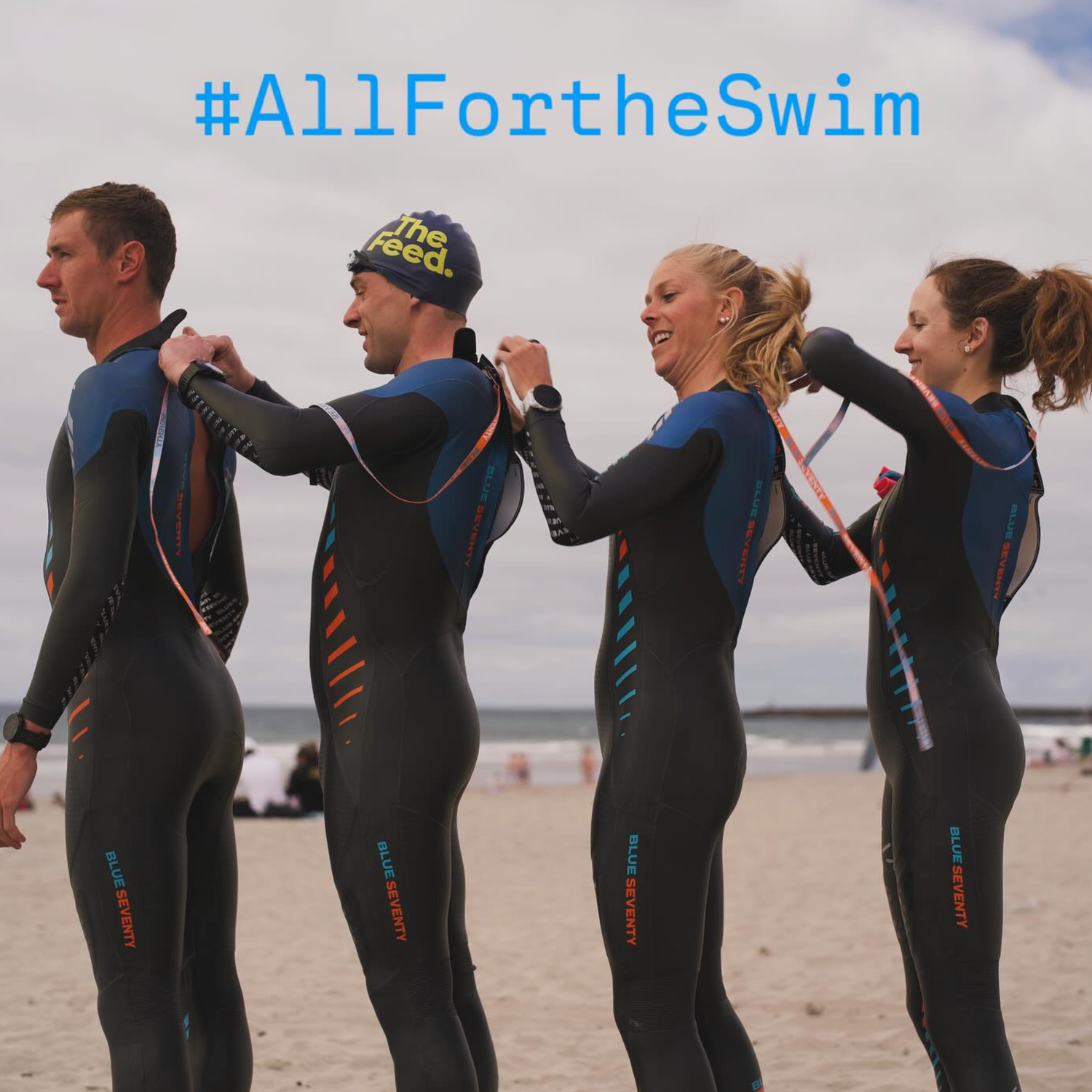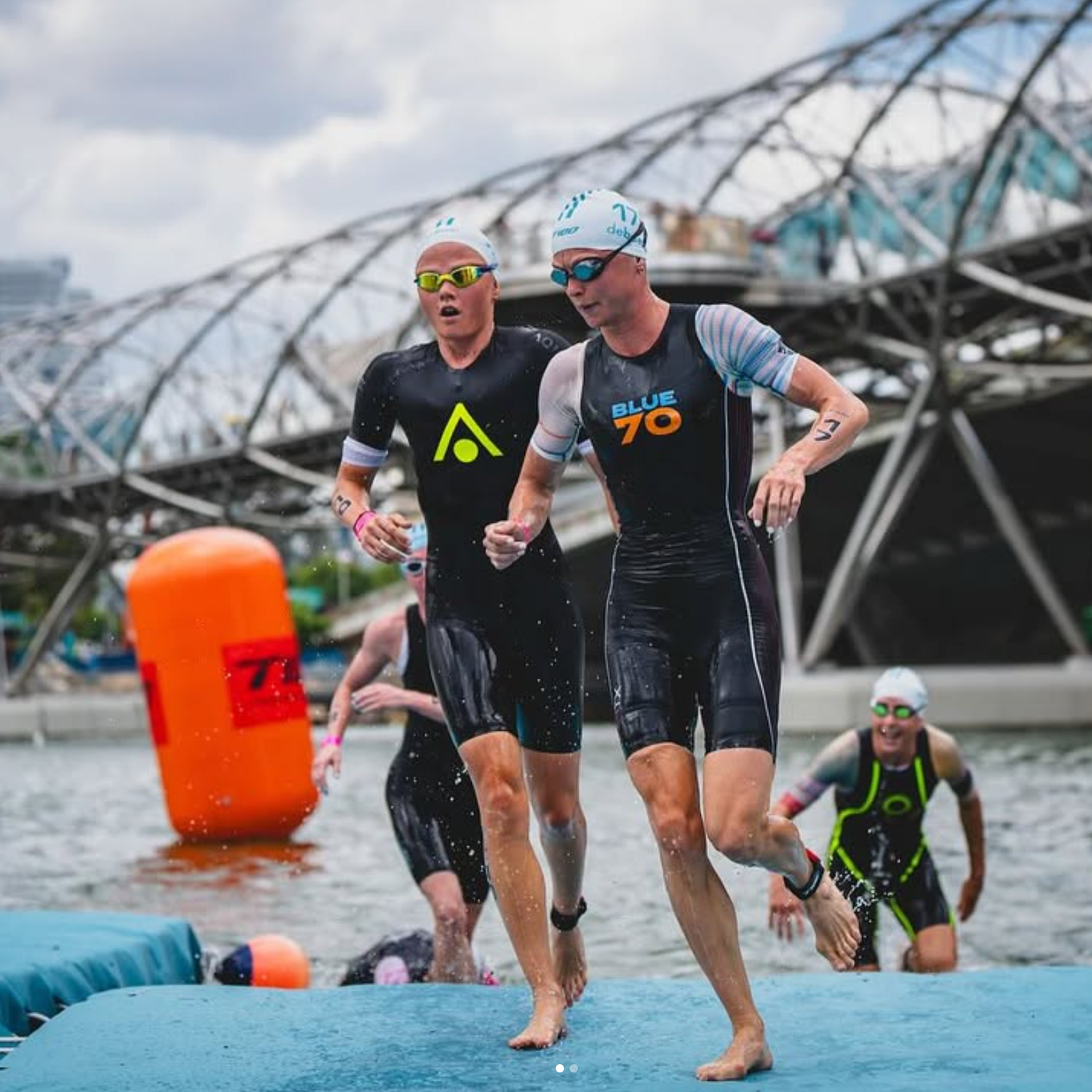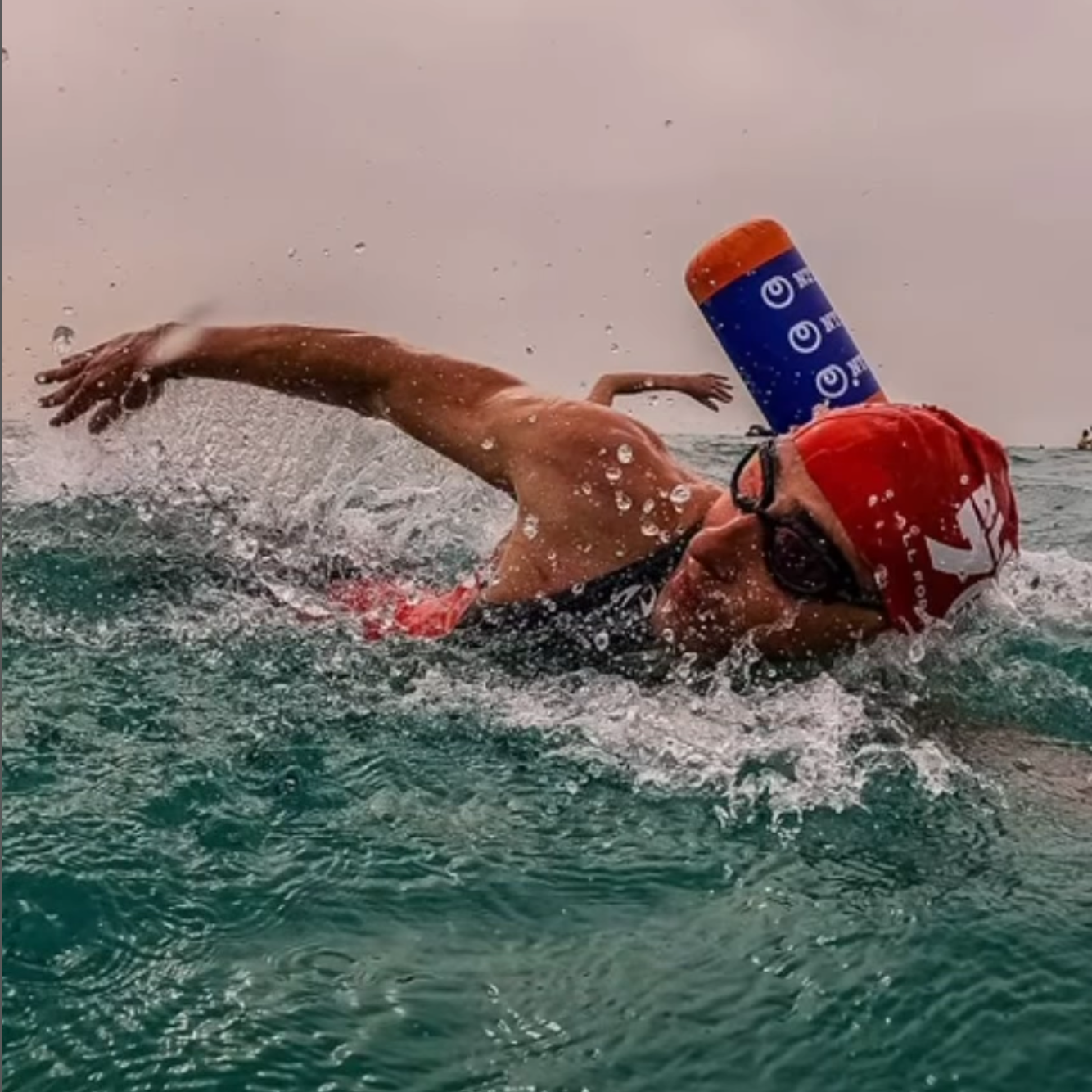



The short answer is yes - swimming wetsuits absolutely help you float. But the real story is more interesting, and once you understand how that extra lift translates to your swim, you’ll see why a purpose-built wetsuit is one of the most powerful performance tools in your bag.
At Blue70, we build wetsuits specifically for swimmers and triathletes, not for surfing or diving. That means every bit of buoyancy in our suits is engineered to put you in a better, more efficient swimming position - and that’s a far bigger benefit than simply staying on top of the water.
The Science of Wetsuit Buoyancy
Wetsuits are made from closed-cell neoprene foam. Each tiny cell traps gas, and because the suit itself is less dense than the water you displace, you sit noticeably higher when you zip up. It’s the same principle as a life jacket, but distributed across your entire body and tuned for motion, not static flotation.
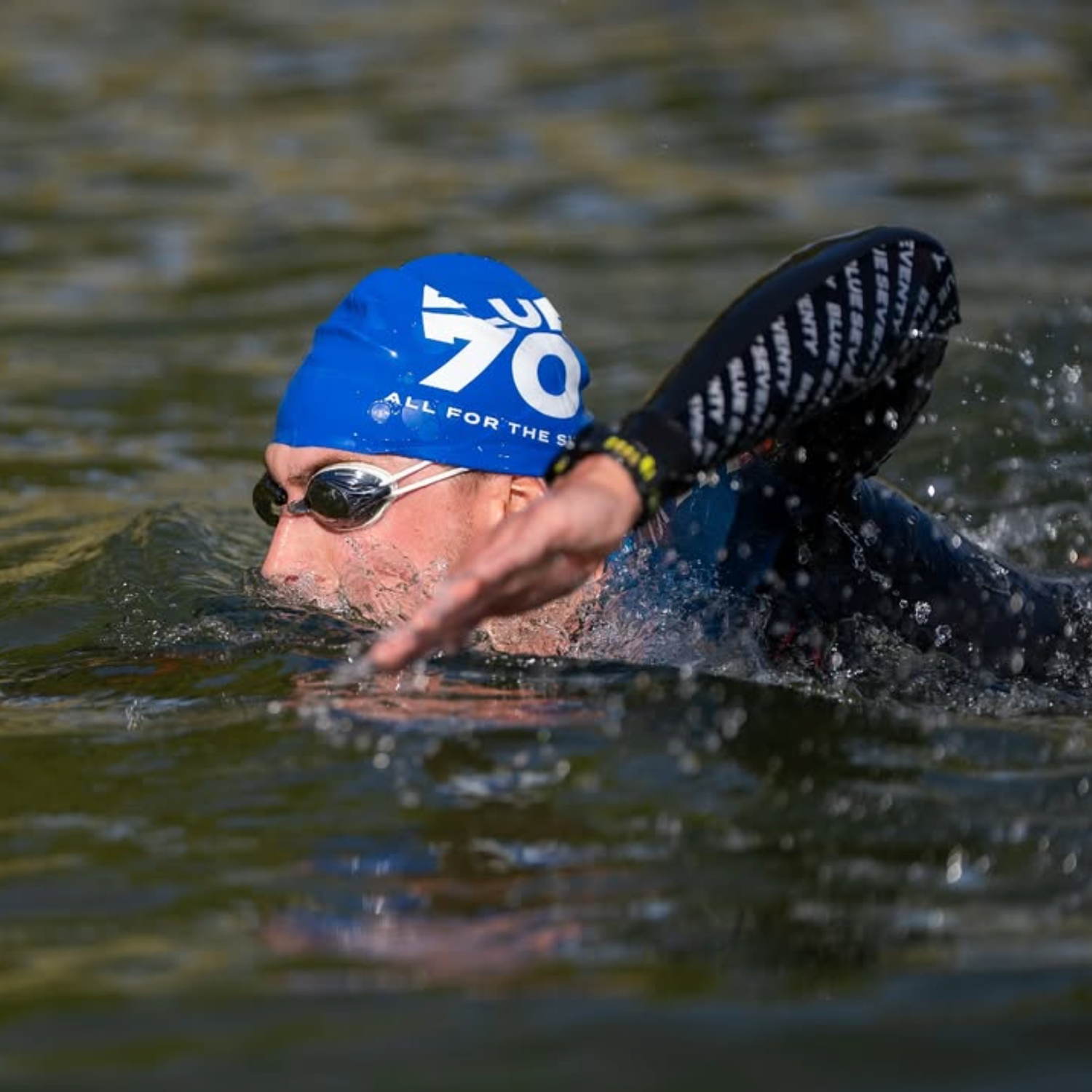
The key distinction is where that buoyancy goes. A swim-specific suit concentrates it in the hips and legs. This effectively lifts your lower body, which for nearly every swimmer tends to sink slightly when you’re horizontal. When your hips and heels rise to the surface, your body rotates into a streamlined, downhill position, slashing drag and letting you direct more energy into forward motion.
Think of it as adjusting the angle of your body in the water. Without a wetsuit, many swimmers feel as though they are swimming slightly uphill. With the right buoyancy profile, that mountain becomes a gentle downhill slope.
Why Buoyancy Matters So Much for Swimmers
In open water and triathlon swimming, body position is everything. A higher-riding lower body means less drag, which in turn means less kick to keep the legs up. Over the course of a mile or more, conserving that leg energy can transform your race - especially when you still have a bike and run waiting for you.
A wetsuit’s buoyancy also gives you a tangible confidence boost. Sighting, breathing, and navigating chop all become easier when you aren’t fighting to stay horizontal. Beginners notice the difference immediately; advanced swimmers notice it in their stroke count and finishing times.
There is a phrase we like around here: buoyancy equals speed. That isn’t a guarantee of a specific result, but it reflects a simple physical truth. Less energy wasted on staying afloat means more energy available for propulsion.
How Blue70 Puts Buoyancy to Work
Every Blue70 wetsuit is built with Yamamoto neoprene, chosen for its combination of flexibility and reliable buoyancy. But the real difference-maker is in the architecture.
- LIFT Panels - Introduced on our flagship Helix and now a hallmark of our performance line, these panels use NBR foam to deliver targeted, anatomically placed buoyancy without adding bulk. They lift the hips and stabilize the legs while leaving the shoulders completely free to rotate.
- LIFT Buoyancy Short - For swimmers who want that body-position benefit without a full suit, our LIFT short adds substantial buoyancy right where you need it. It’s a favorite for pool sets, warm-water training, and as a transition-prep tool.
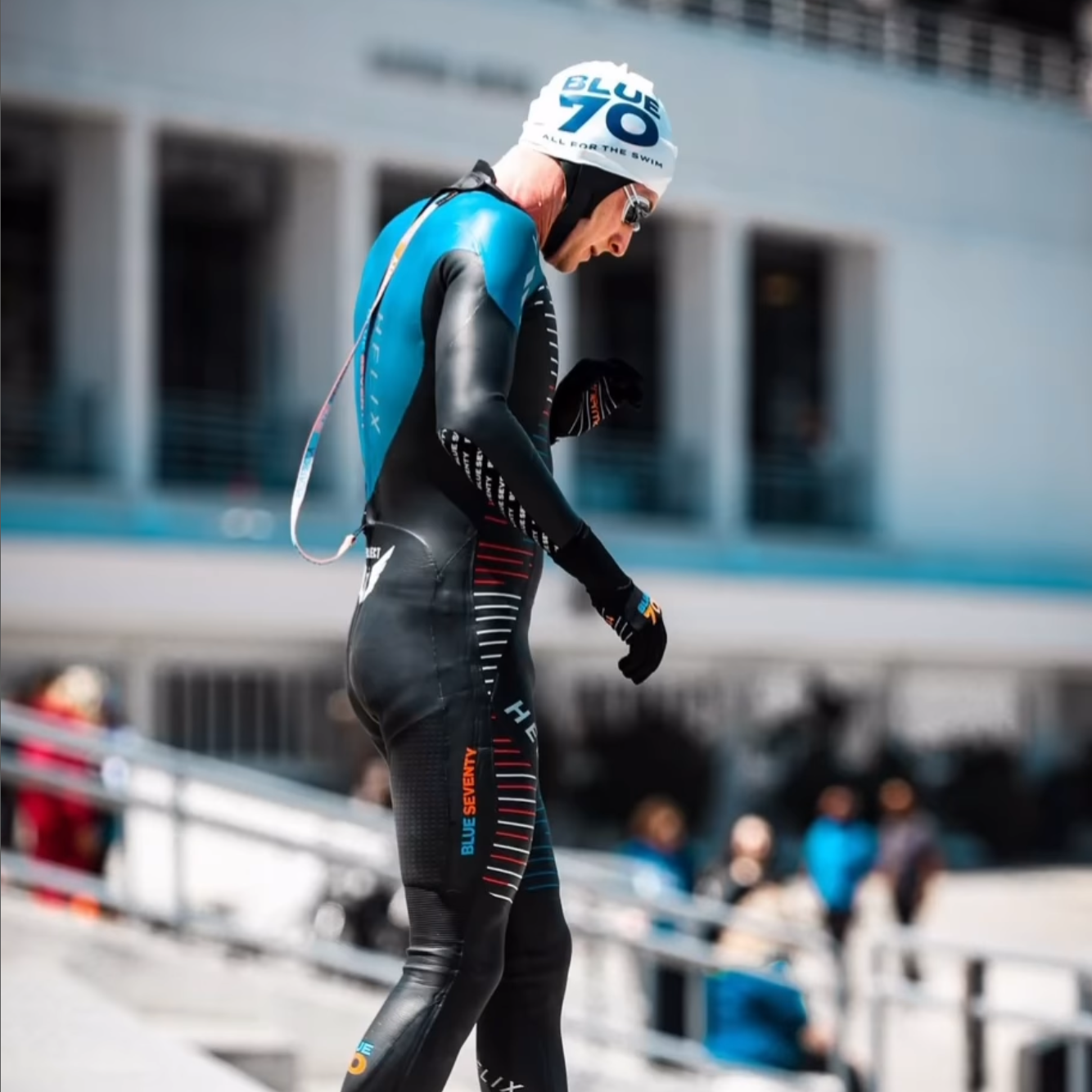
- Model-specific profiles - The Helix is our most aggressively buoyant race suit, designed to place you in the fastest possible position. The Reaction balances buoyancy with durability for frequent training. Even our entry-level Sprint provides a meaningful lift that will immediately improve your feel for the water. For cold-water swimmers, the Thermal Reaction pairs that buoyancy with a zirconium-lined interior that traps warmth, because cold muscles work harder and good position is even more critical.
All of these designs are swim-specific, which means the buoyancy is placed precisely where it corrects the most common body-position flaws without restricting your stroke.
What Buoyancy Won’t Do (A Quick Reality Check)
It’s important to be clear about boundaries. A Blue70 wetsuit provides added thermal protection and significant buoyancy, but it is not a personal flotation device. It is not Coast Guard-certified and should never be treated as a substitute for a life jacket or relied upon to keep you safe in hazardous conditions. Always swim within your ability, with a buddy, and with appropriate safety measures for the venue.
Buoyancy also won’t fix poor technique on its own. A wetsuit makes you more efficient, but the engine is still you. Use it as a tool to reinforce good habits: a long, relaxed stroke, steady breathing, and consistent sighting.
The Takeaway
So yes, swimming wetsuits help you float - and that float directly translates into a more comfortable, faster, and more confident swim. The magic isn’t just in staying up; it’s in how the lift changes your entire position in the water, reducing drag and saving precious energy for the rest of your race or training session.
Whether you’re showing up for your first open-water mile or chasing a personal best in Kona, the right wetsuit can help you find the position you’ve been searching for. And if you aren’t sure which model matches your goals, start with a suit that lets you take a test swim. Because feeling that difference for yourself is the best way to understand it.
Happy Swimming!