


You do not strictly need a wetsuit to complete a sprint triathlon. Most race rules allow swimming without one when the water is warm enough. For many athletes, though, adding a swim-specific wetsuit to your kit changes the entire tone of race morning. It can quiet pre-swim nerves, level out your body position, and keep you moving smoothly when the water is cold. The choice comes down to three things: water temperature, your comfort in open water, and what you want from your swim split.
The typical sprint-distance swim is 750 meters, a distance that can pass quickly in a pool but often feels longer in a lake or ocean. A properly fitted wetsuit buys you warmth, buoyancy, and a mental edge that translates directly into a calmer, more efficient start to the race.
When water temperature makes the case
Water temperature is the most straightforward factor. Blue70 wetsuits are built from Yamamoto neoprene in 38, 39, and 40 cell grades, each tuned to provide flexibility and insulation without adding bulk. That insulation matters most when the water drops below roughly 56 to 58°F. In those temperatures, a purpose-built thermal suit like the Thermal Reaction, with its Zirconium jersey lining, adds meaningful thermal protection. It is not a guarantee against cold, and it does not replace good judgment about exposure time, but it extends your comfort window significantly.
At the other end of the thermometer, water above 70 to 72°F can make a full suit feel stifling over 750 meters. If race day promises bathwater conditions, a sleeveless suit like the Reaction Sleeveless or even a swimskin becomes a smarter choice. You keep some of the hydrodynamic advantage without overheating. Always check the event’s published water temperature and review the race organizer’s rules on wetsuit legality before committing to a suit.
Buoyancy puts you in a faster position
Open water swimming rewards a high, horizontal body position. Without a wetsuit, many triathletes, especially newer ones, fight sinking legs. A wetsuit rebalances that equation. Blue70 designs its suits to lift your hips and legs so you sit higher in the water. Less drag means you expend less energy just staying flat, and that saved effort gets channeled into forward propulsion.
The brand’s LIFT buoyancy panels, found on the Helix and added to the short in the LIFT Buoyancy Short, use NBR foam to maximize that lift without compromising shoulder mobility. For a sprinter concerned about a fast, efficient swim leg, buoyancy is not a small detail. It is a direct path to reducing drag and preserving energy for the bike and run.
Less experienced swimmers often feel this effect more dramatically, because the wetsuit corrects for body position that they have not yet trained to hold on their own. Even strong swimmers benefit, though, from the way a suit holds them in a clean line, letting them focus on rhythm and sighting instead of fighting to keep their hips up.
The confidence that lets you race instead of survive
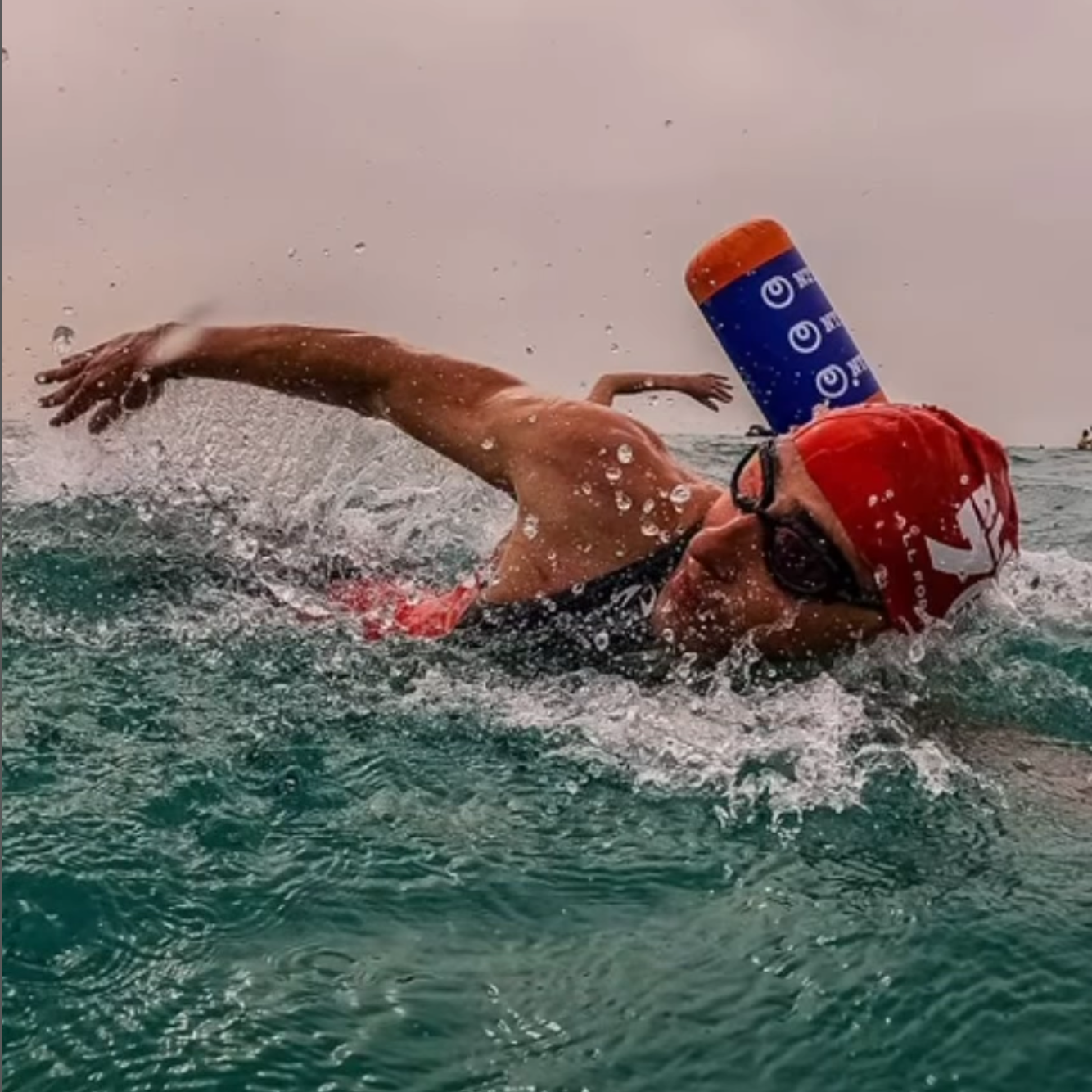
Sprint triathlons draw a lot of first-timers. If you fall into that group, you probably know the feeling of standing on the shore and staring at buoys that look impossibly far away. A wetsuit cannot swim for you, but its added buoyancy can make the water feel less heavy. You float higher. You breathe easier. When you need a moment to collect yourself, the suit supports you so you can tread water with less effort.
That mental shift, from anxious to in control, frees you up to find your stroke and enjoy the swim rather than endure it. Many athletes report that simply knowing they have the suit’s assistance dials back their heart rate before the horn goes off. The Blue70 Test Swim program lets you experience this in your own practice session. You can swim in your wetsuit and still return or exchange it within 30 days as long as it stays clean, dry, and unmodified. That removes a big chunk of the risk from the buying decision.
When skipping the wetsuit makes sense
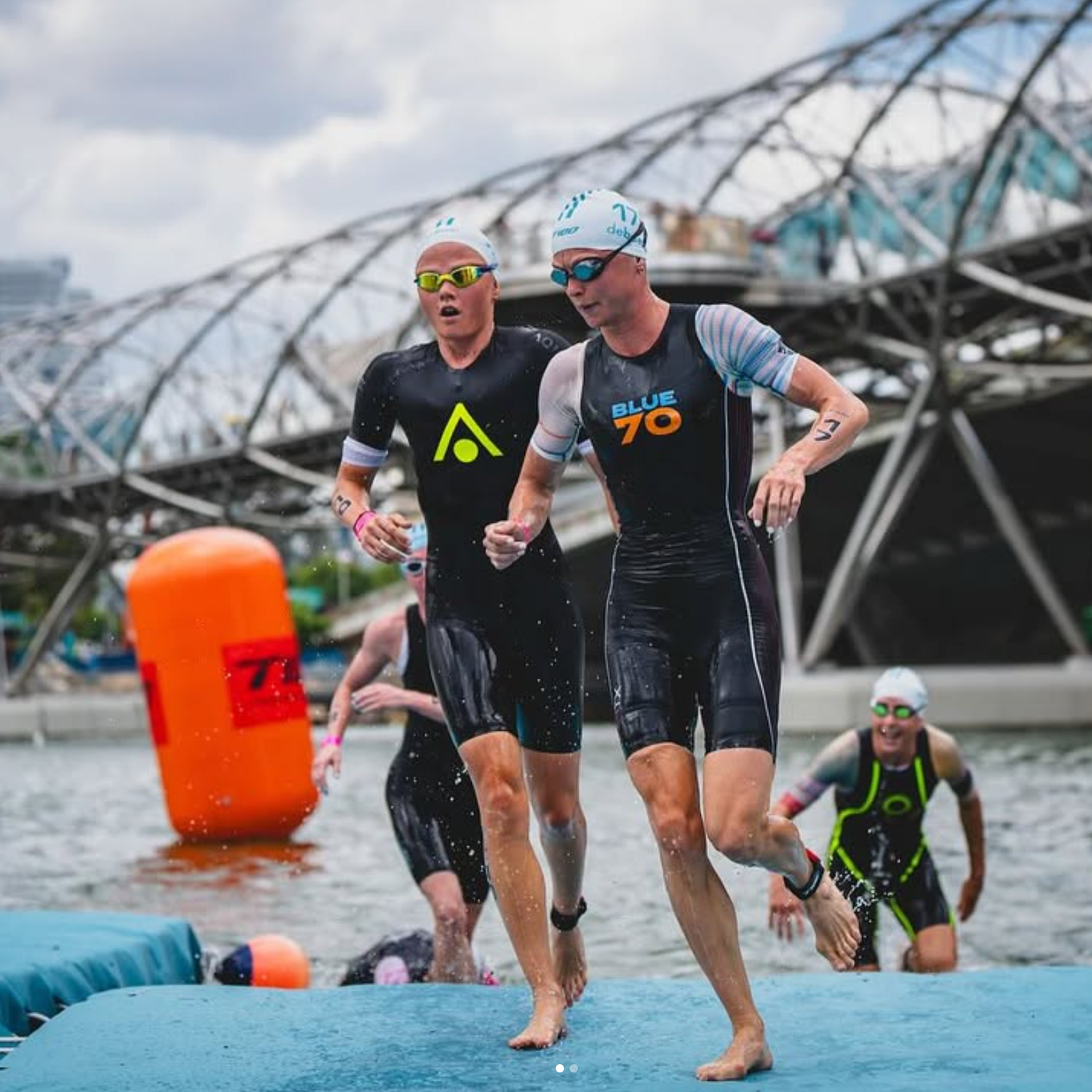
There are two camps of athletes who might leave the wetsuit at home: those racing in very warm water and those who find any constriction around the shoulders intolerable. If the swim leg is short and the water temperature sits well above 72°F, a swimskin offers a lightweight, low-restriction alternative. Blue70’s swimskin lineage traces back to suits worn by Kona winners, and a current model can still give you a speed advantage through reduced surface drag without the heat buildup of a full neoprene suit.
Strong, experienced swimmers who generate their own body position and have no issue with cold might also prefer to race in just a tri kit. For them, the time saved by skipping the suit in transition can cancel out any small hydrodynamic gain. The call here is personal. Test both setups in training before race week.
Choosing the right Blue70 wetsuit for a sprint
If you decide a wetsuit fits your race plan, match the model to your training habits and ambitions. Every Blue70 suit uses Yamamoto neoprene and swim-specific patterning that prioritizes shoulder mobility and a watertight neck seal.
- Sprint ($325): Entry-level suit built for comfort and ease of entry. A solid pick for a first wetsuit if you plan to race a sprint or two each season and do most of your training in the pool.
- Fusion ($420): The best seller. Its lower-sitting neckline, redesigned in 2021, stays comfortable without leaking. Recommended for athletes who swim open water once or twice a week over shorter distances.
- Reaction ($680): Built for frequent use and longer swims. Higher-grade neoprene gives you a performance feel while still holding up to regular training. Pick this if you plan to race several sprints, maybe add an Olympic-distance race, and log weekly open water sessions.
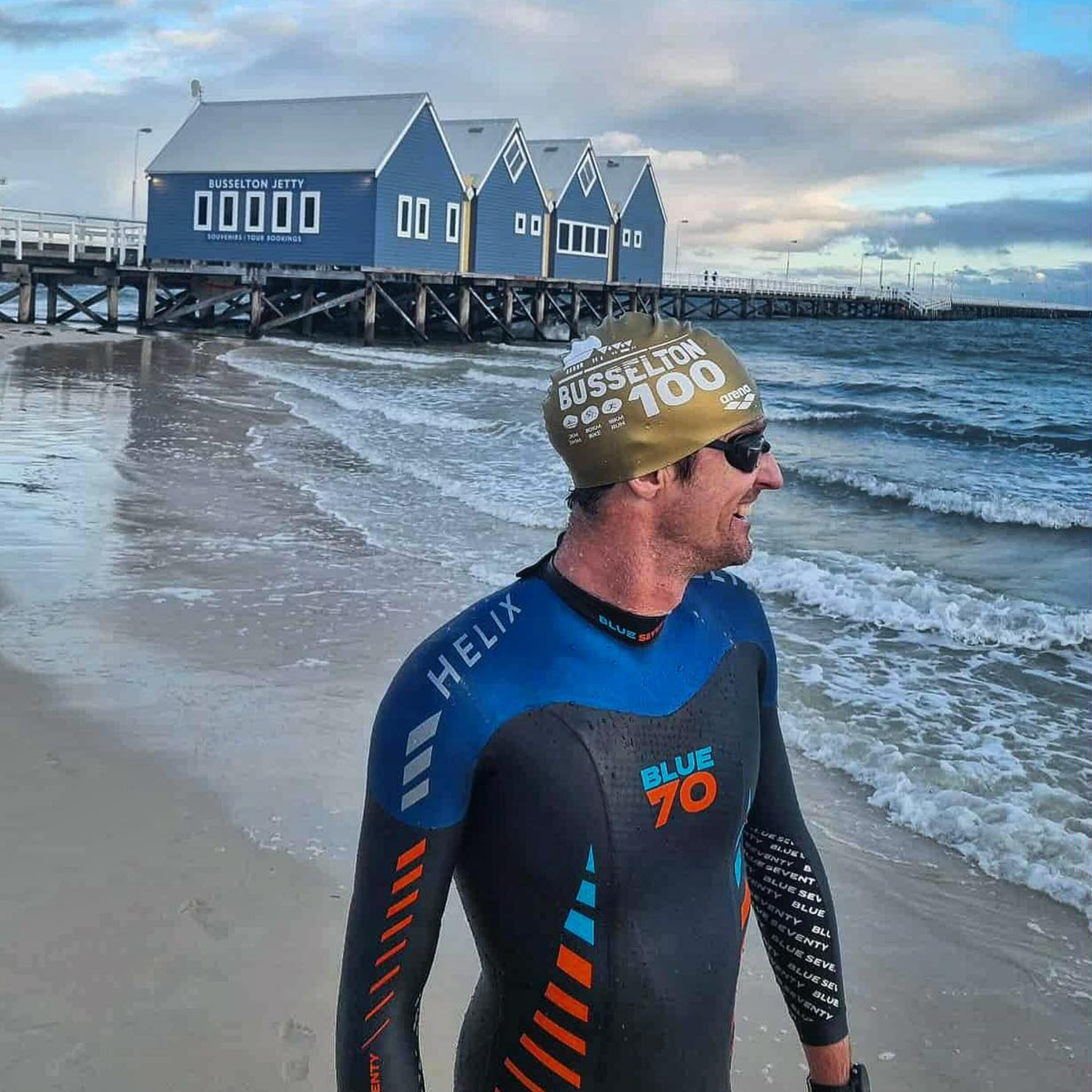
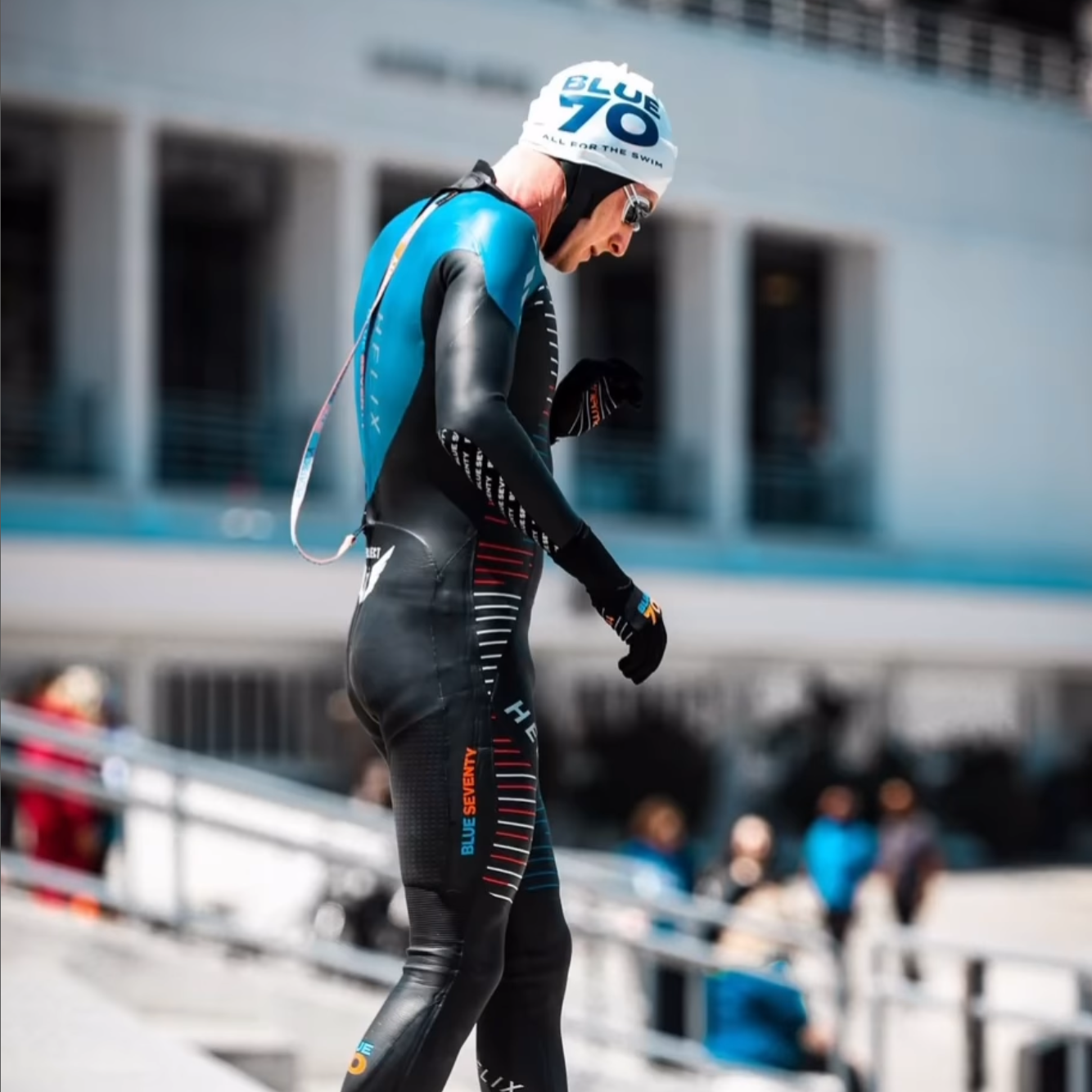
- Helix ($995): Total race-day performance. The arm and shoulder neoprene is exceptionally thin and flexible, with a permeable catch panel that preserves your feel for the water. The brand itself notes that this delicate neoprene can break down faster with heavy training use. Reserve it for racing and key tune-up swims.
- Thermal Reaction ($785): Fully lined with Zirconium jersey for cold water. If your sprint is early in the season and water temperatures hover in the 50s, this suit adds meaningful thermal protection.
- Reaction Sleeveless ($395): A sleeveless option for warm water or athletes who want maximum shoulder freedom with less material.
Women should look for Femme Fit sizing, which adjusts the pattern across the bust, torso, wrists, and ankles, and extends the zipper length for easier entry and faster transitions.
Fit is what makes the suit work
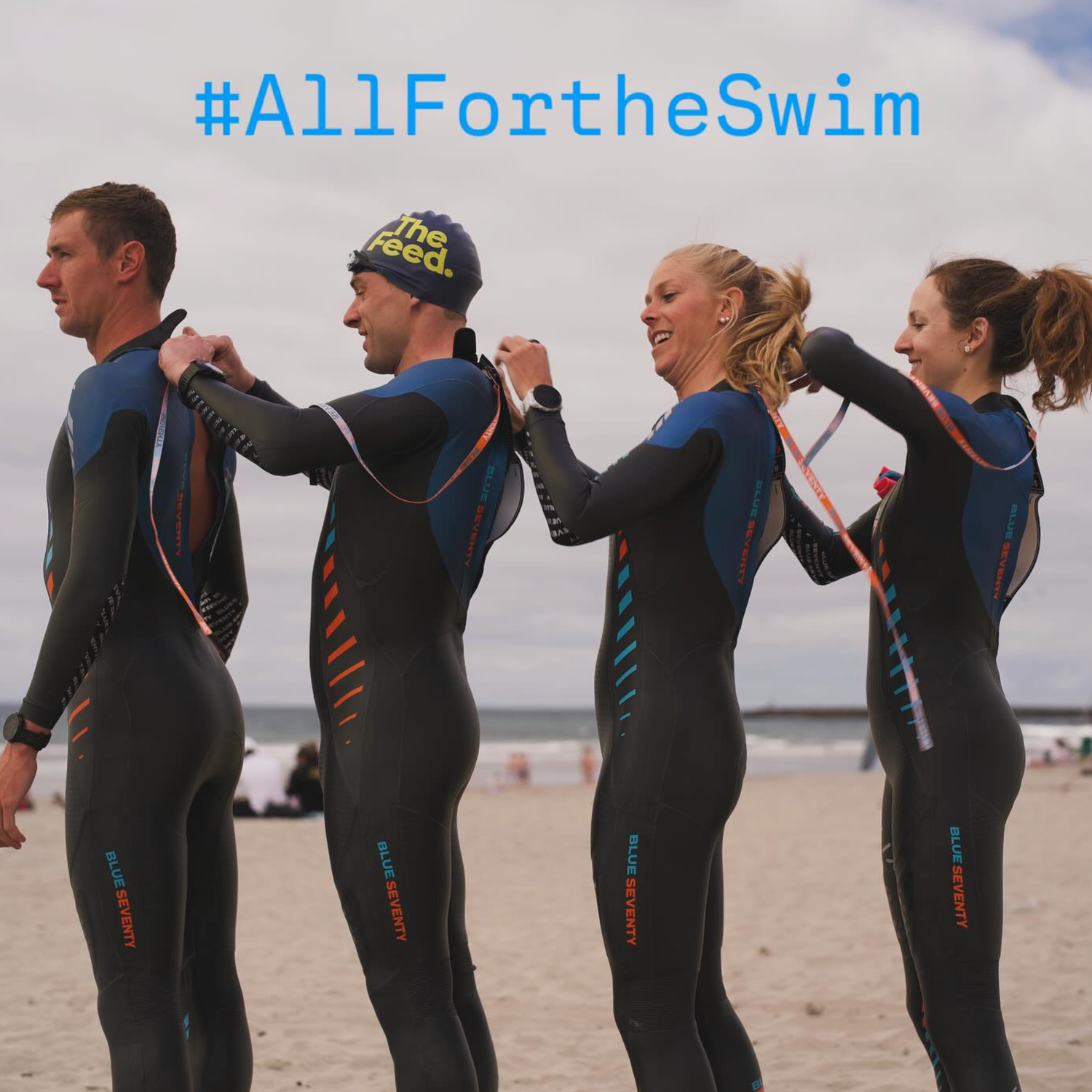
A wetsuit is not supposed to feel loose. On dry land, a proper fit will feel snug. In the water, it will relax slightly and move with you. The most common mistake is not pulling the suit up high enough in the torso and legs before zipping. That leaves excess material in the shoulders, which forces you to fight the suit with every stroke and leads to early fatigue. Take your time putting it on, use the pads of your fingers to grip the neoprene, and slide everything vertically into place.
Check the Blue70 size chart against your height and weight range. If you fall between sizes, the larger size is usually the safer bet for comfort, but the smaller size will give a more race-tuned fit. The Test Swim program exists exactly for this dilemma. Swim in the suit, see how it performs, and exchange it if needed.
For most sprint triathletes, a wetsuit is not a rulebook requirement, but it is a force multiplier. It warms you when the water is cold. It lifts you into an efficient swimming position. It calms the nerves that bubble up on race morning. Blue70 builds suits specifically for this purpose, not for surfing or diving, and every model is designed to let you move through the water with less restriction and more control.
Find your race’s water temperature, pick a suit that matches your training volume, and take it for a test swim. Once you feel the difference, you will likely wonder why you ever considered leaving it on the rack.