


Every spring, somebody emails us with the same question: “Can I dye my wetsuit?” They want a neon orange suit for open-water visibility, a team color for a race, or a tired old suit that looks new again. It sounds easy.
It is not. A swim-specific wetsuit is not a cotton tee. It is closed-cell foam, laminated jersey, adhesive, and thread, all stitched and taped together. Each material reacts to dye and heat on its own schedule.
Why swimmers reach for dye
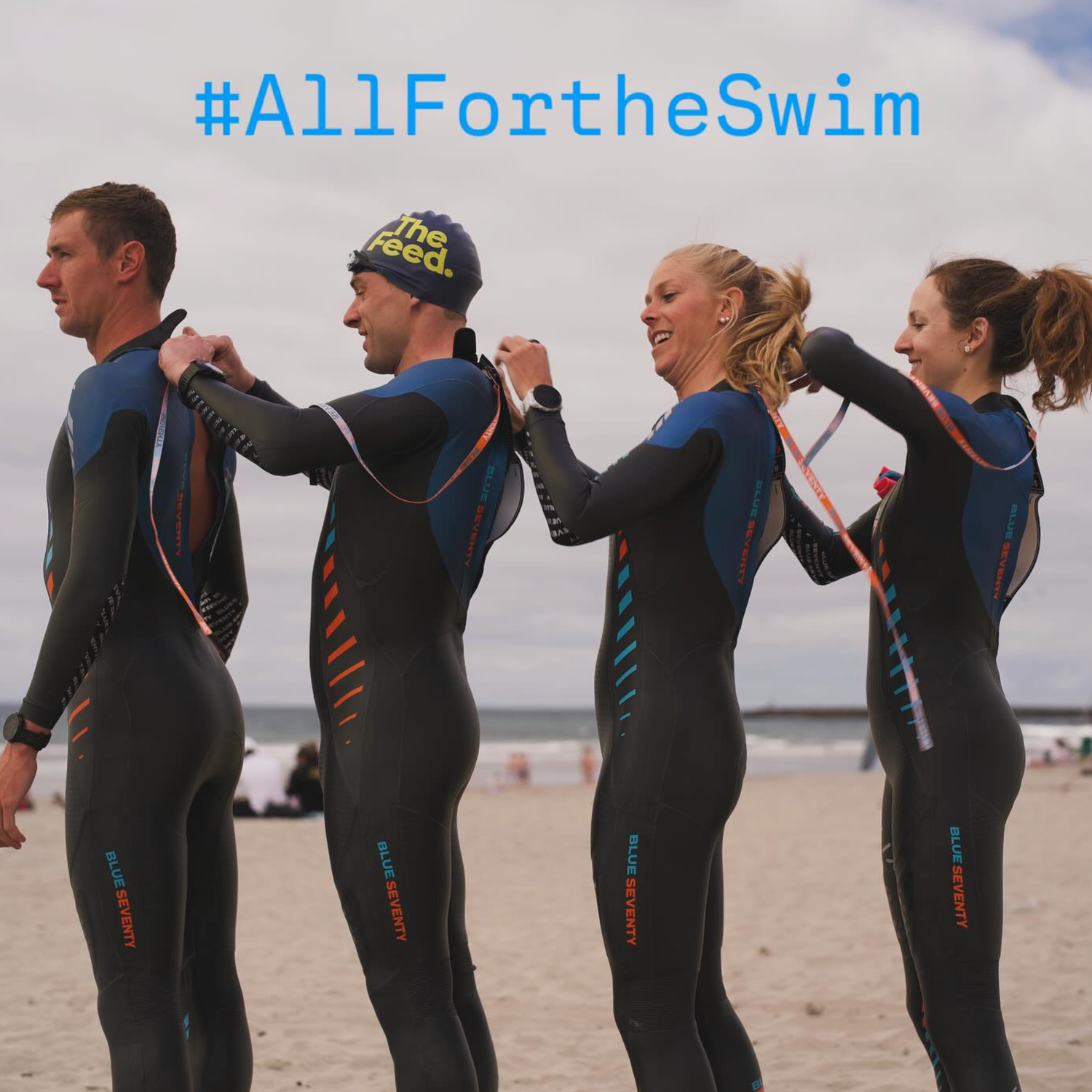
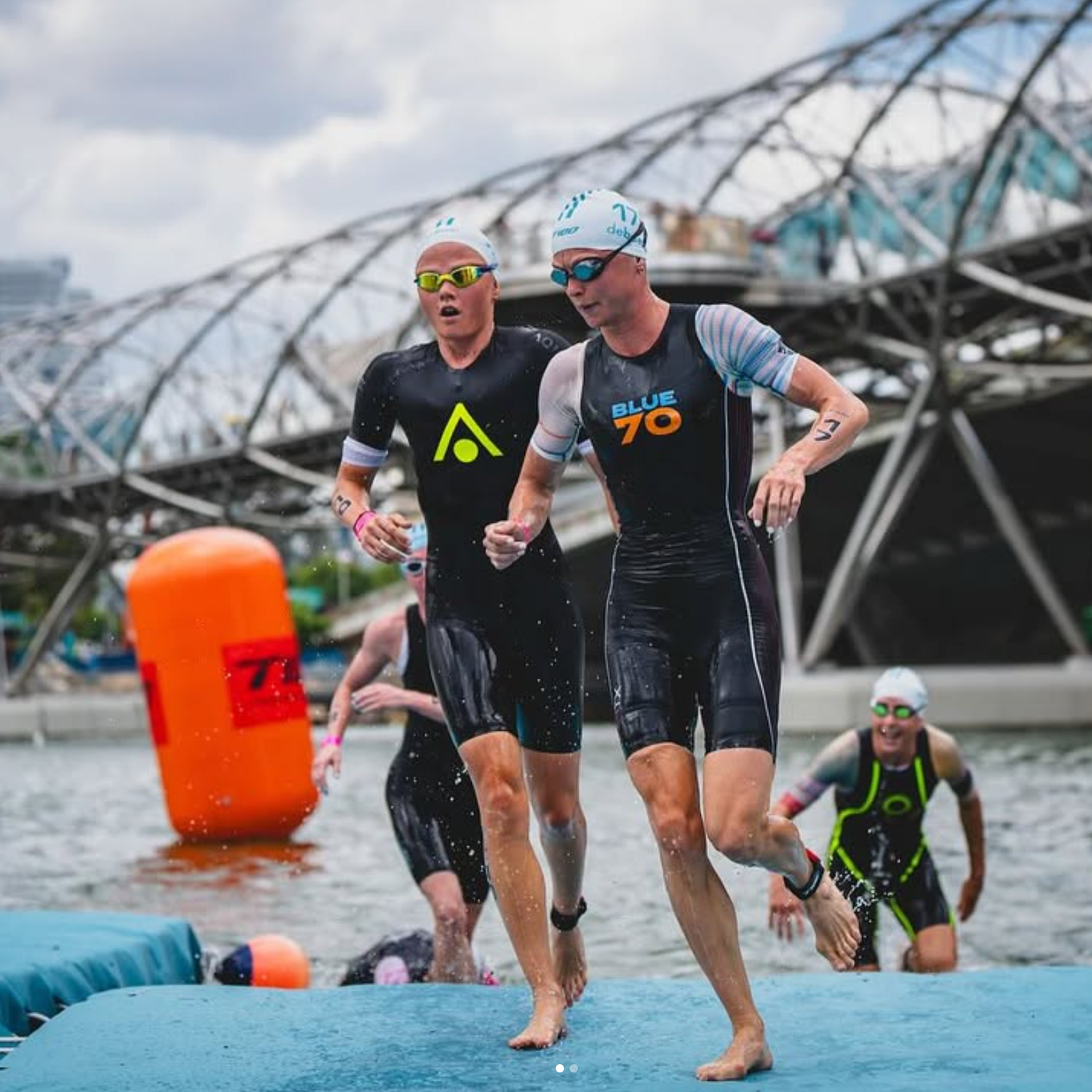
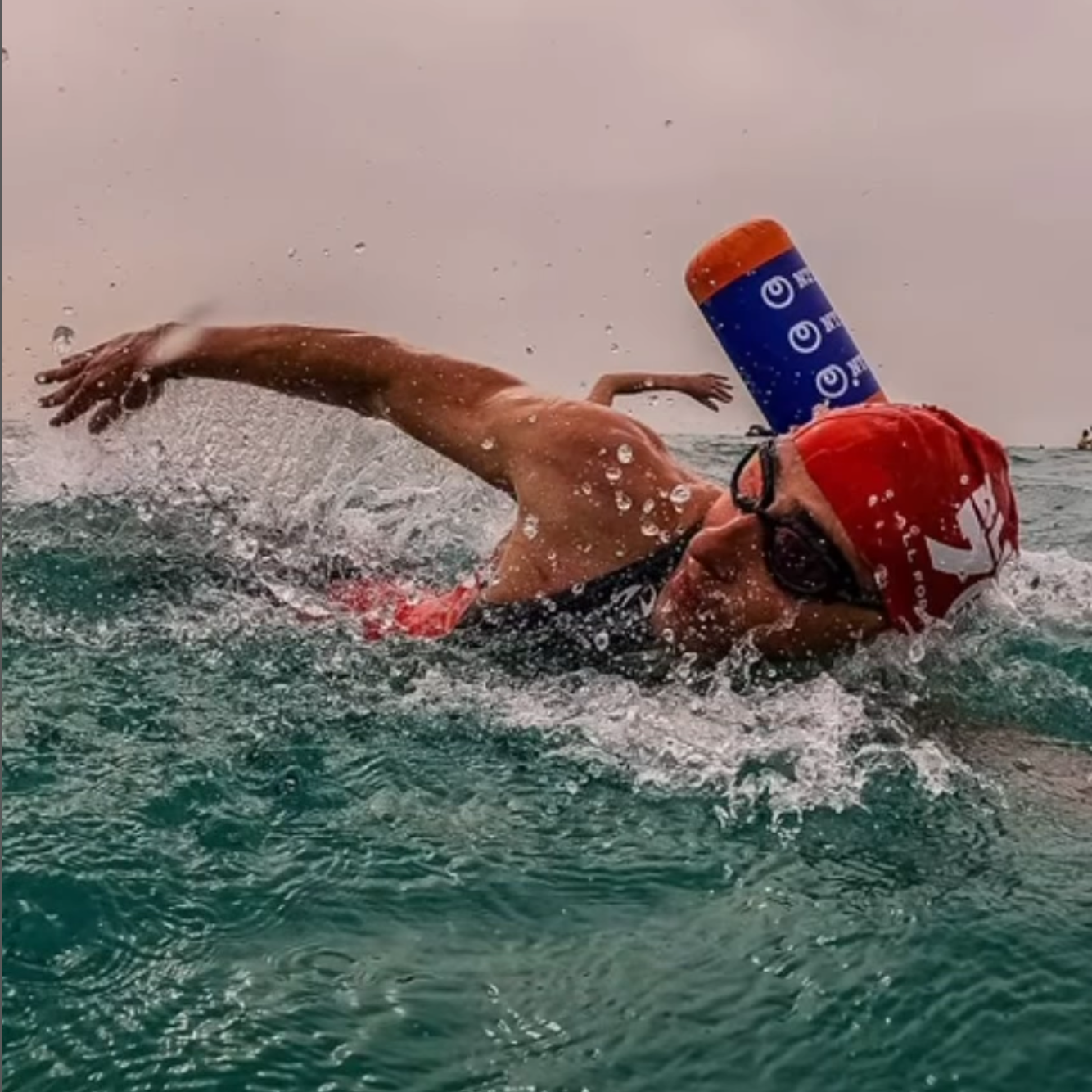
Open-water swimmers want to be seen from a kayak or the shore. Triathletes want a team color. Others want to hide the fade. Bright colors do help with visibility, but they do not change what a wetsuit is. A Blue70 wetsuit adds buoyancy and thermal protection. Dyeing it neon does not change that.
Neoprene is a closed-cell foam, not fabric
Our wetsuits use Yamamoto neoprene in 38, 39, and 40 cell. A higher cell number means more flexibility. The foam is closed-cell, which is what gives you buoyancy and warmth. That foam has an outer jersey or smoothskin layer laminated on top. Dye has to get through that layer to touch the foam.
Fabric dye for cotton or polyester does not bond to chloroprene rubber the same way. It may stain the outer jersey, but you will not get a durable, even color. Because the outer fabric, seam tape, thread, and foam each absorb water and dye at different rates, a home dye bath usually leaves a patchy mess.
Hot water attacks the seams first
Most dye kits tell you to use hot water. A wetsuit cannot handle that. The panels are bonded with adhesive, blindstitching, and seam tape. Hot water can soften the adhesive and weaken the bond between the neoprene and the outer fabric. You will see trouble first at the shoulders, underarms, and collar, the exact spots that flex on every stroke.
Seam tape also takes color differently from the jersey around it. If your seams come out faded or blotchy, that is not a cosmetic issue. The dye bath changed the surface chemistry. If the tape begins to peel or bubble, the suit has lost structural integrity.
What the warranty does and doesn’t cover
Blue70 covers manufacturing and material defects for one year from the original owner. Heat damage, chemical damage, and non-swimming use are not covered. Dyeing a suit introduces both heat and chemicals to the neoprene, so a future repair claim gets hard to support. [VERIFY: confirm exact warranty wording on DIY modifications before publishing.]
If your suit is already outside that one-year window, you are only risking the materials. If it is still covered, ask yourself whether a color change is worth losing a repair-remedy claim.
Safer ways to get color
Add color with gear you can replace. Here is what works without touching the neoprene:
- A neon swim cap for visibility
- A bright goggle strap
- A tow float in a high-visibility color
- A colored swimskin or race top for warm-water events
Check the race rules before you count on a swimskin. [VERIFY: confirm current swimskin and apparel color options before recommending specific products.] You replace accessories when they wear out. They do not compromise the adhesive, seam tape, or foam in a suit you rely on for cold-water training and racing.
If you still dye: the least-damaging method
You may decide the risk is acceptable. If so, go cool, not hot. Here are the steps:
- Fill a basin with cool or lukewarm water.
- Add a dye formulated for synthetic fabrics.
- Test it on a hidden seam inside the leg or collar first.
- Avoid bleach, chlorine, salt, and vinegar. They can leave residue and irritate skin.
- Rinse the suit thoroughly in cool fresh water after dyeing.
- Dry it flat out of direct sun. Do not wring it. Do not hang it by the shoulders.
- Inspect every seam once dry. Run your fingers along the tape and glue lines.
If you feel bubbles, soft spots, or separation, the suit is no longer reliable for cold-water swimming. Keep it for short, warm, supervised swims or replace it.
The trade-off
Dyeing a wetsuit is not a harmless color swap. It changes the surface, stresses the adhesive, and can void your warranty. The seams are the first place damage shows, and they are the last place you want to compromise in a swim-specific suit. Save the dye bath for cotton. Use accessories for visibility. Use a colored swimskin for team looks. Take care of the suit you have. Visit our Fitting & Wear Guide for care and fit guidance.