


Cold water shock gets treated like a gear question. It is partly a gear question, but swimmers and triathletes know the real problem shows up in the first minute, when breathing gets choppy, effort spikes, and the swim can feel harder than it should before any rhythm has settled in.
A wetsuit plays a role in that opening stretch, yet the usual conversation is too narrow. Water temperature matters. Thermal protection matters. But fit, pacing, and your warm-up routine often decide how quickly you regain control after the first hit of cold water. That is the lens worth using if you want to swim better in cold conditions.
Blue70 builds swim-specific wetsuits for exactly this kind of problem. The goal is not to promise outcomes a wetsuit cannot promise. The goal is to give swimmers a suit that supports body position, preserves freedom through the shoulders, and adds thermal protection when conditions call for it, so the athlete can settle faster and swim with better form.
Cold water shock is an opening-phase problem
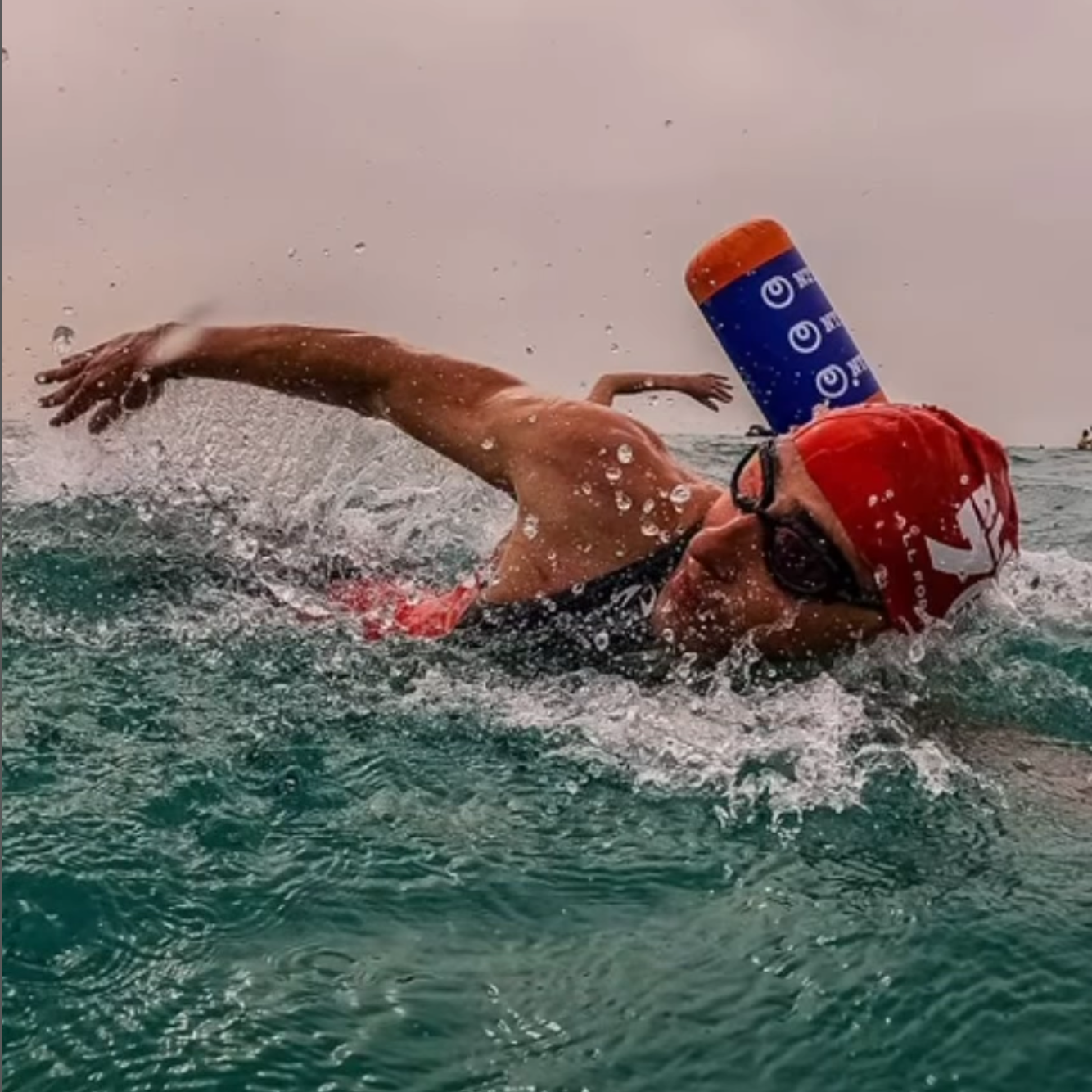
Cold water shock is the body's immediate response to sudden immersion in cold water. For many athletes, that means a sharp intake of breath, rapid breathing, and a sudden jump in perceived effort. In open water, those first moments matter because they arrive before you have found your stroke timing.
Triathletes feel this even more than many training swimmers do. Race morning already brings nerves, elevated heart rate, and crowded starts. Then the face hits cold water, the chest tightens, and the temptation is to force the pace instead of controlling the breath. That sequence turns a manageable first minute into a messy first 200 meters.
The practical takeaway is simple: the first task is control, not speed. Swimmers who understand that usually settle sooner. Swimmers who fight the water from the first stroke usually spend more time trying to recover their breathing pattern.
Why fit matters when the water feels hostile
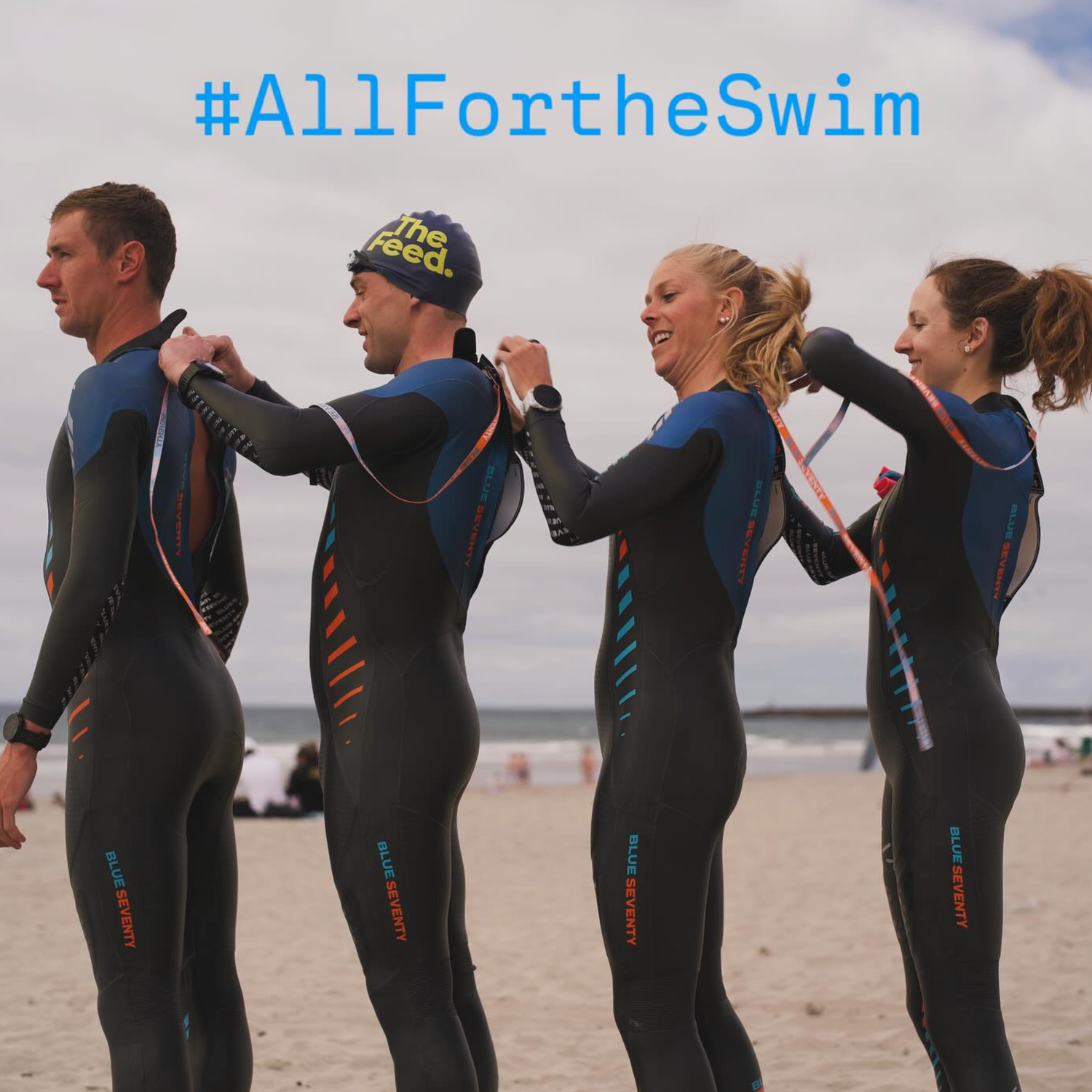
Most athletes think about wetsuit fit in terms of comfort or speed. In cold water, fit also affects how your breathing feels when the swim starts. A suit should feel snug on land and more natural in the water. That snug fit should hold you securely without restricting the chest, shoulders, or neck.
A poorly donned suit can make cold water feel worse than it already does. If the material sits low through the hips, it pulls tension down the torso. If the shoulders are not loaded high enough, every stroke costs more. If the neckline presses in the wrong place, the swimmer feels that pressure right when breathing is most unsettled.
That is one reason small construction details matter. Blue70 updated the Fusion in 2021 with a lower-sitting neckline for comfort while maintaining a watertight seal. For athletes who tense up when cold water first hits, neckline comfort is not a minor point. It affects how calm the whole suit feels once the swim begins.
Three fit issues that show up in cold water
- Low hips and crotch position: the suit has not been pulled fully into place, so the torso and shoulders feel loaded.
- Shoulder restriction: material sits too low in the upper body, shortening the stroke and adding fatigue early.
- Neck pressure: the collar feels secure but not comfortable, which becomes more obvious when breathing rate rises.
These are not small annoyances. In cold water, they can shape the entire first part of the swim.
Wetsuit design matters most when your stroke is least settled
Cold water exposes flaws quickly. If a suit fights your shoulders, you feel it on the first few strokes. If buoyancy support is working well, you feel that too, because the hips stay higher while your breathing catches up. Good wetsuit design shows up fastest when your stroke is under stress.
Blue70 uses Yamamoto neoprene in 38, 39, and 40 cell grades across the wetsuit line. Higher cell numbers offer more flexibility. That matters for one plain reason: when swimmers hit cold water, they often shorten the stroke and carry tension into the neck and upper back. A flexible upper body helps the swimmer return to normal mechanics sooner.
Buoyancy matters for a different reason. In that unsettled opening phase, many swimmers lose some timing and balance. A suit that improves body position can reduce the cost of those first strokes by keeping the hips and legs from dropping. Better alignment lowers drag, and lower drag makes it easier to settle instead of thrashing.
Thermal construction matters too. Below about 56 to 58°F, a purpose-built thermal suit adds meaningful warmth. Blue70's Thermal Reaction is built for cold water and fully lined with Zirconium jersey for added thermal protection. That does not remove every challenge that comes with cold water swimming, but it does give the athlete more insulation in the conditions where a standard suit may not be enough for the session.
The common race mistake: starting too hard
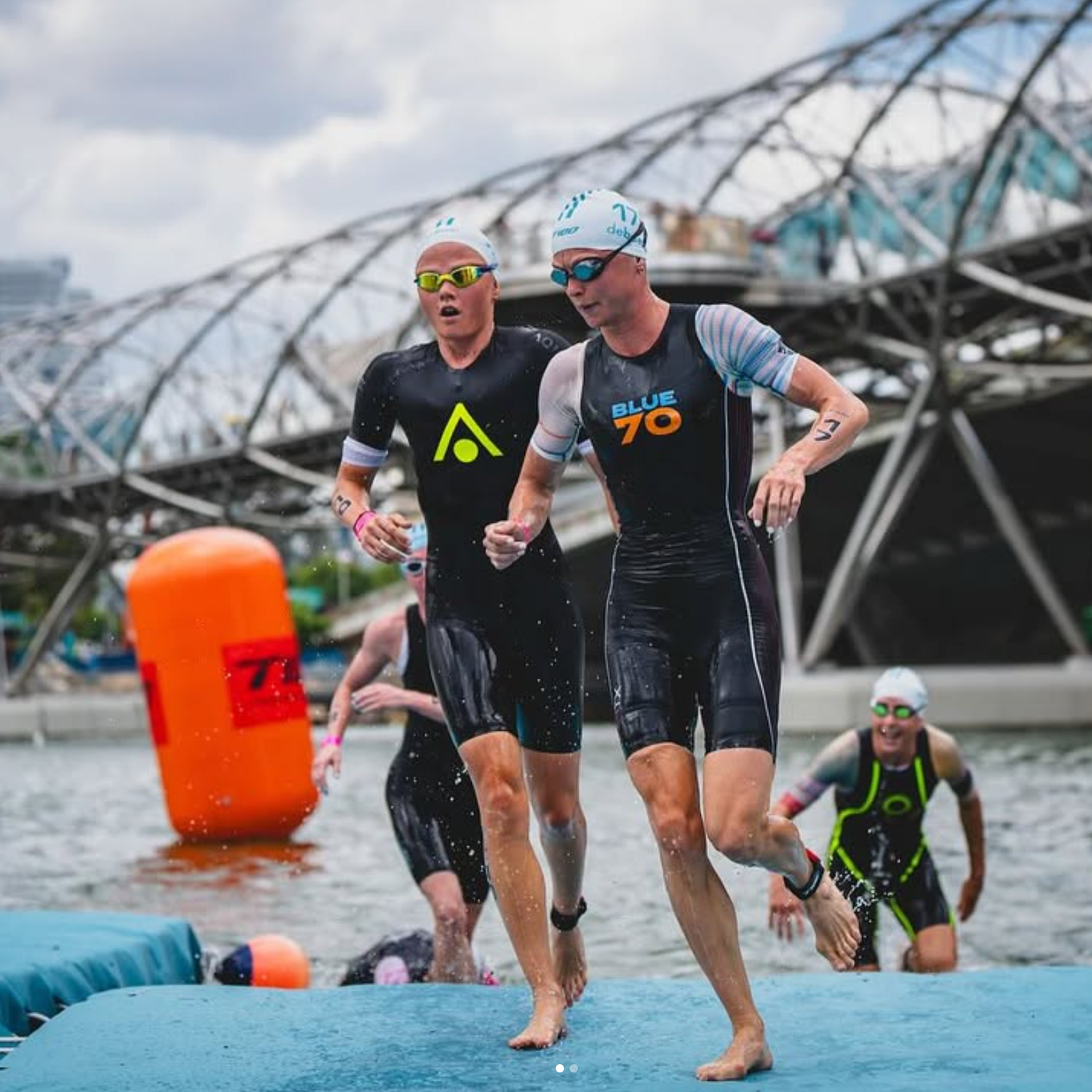
Cold water does not forgive impatience. One of the most common race errors is sprinting straight from the horn while the body is still trying to settle its breathing response. Athletes do this because they want clean water, position, or instant momentum. What they often get instead is a breathing pattern that falls apart before the field has even spread out.
A better first-minute strategy is controlled acceleration. Start at an effort you can exhale through. Let the face and breathing settle. Build speed once your stroke length comes back. This approach works because it respects the order of operations in cold water. First you gain control. Then you add pressure.
That can feel conservative on race morning. It usually proves faster than a panic sprint followed by 200 meters of damage control.
A better first-minute approach
- Enter the water before the start if the event allows it.
- Put your face in and practice a few full exhalations.
- Swim several easy strokes to remove the surprise factor.
- Start under control and lengthen the stroke.
- Increase pace only after breathing settles into a repeatable rhythm.
Warm-up has to include the water
Dryland warm-up helps, but it does not prepare the face, hands, and breathing pattern for sudden immersion. In cold conditions, the most useful warm-up is the one that includes the environment you are about to race in. If you have access to the water before the start, use it.
A practical sequence starts on land with easy movement: shoulder circles, light jogging, arm swings, torso rotation. Nothing fancy. Then get in the water and make the first contact happen before the race does. Put your face in. Blow bubbles. Swim easy. Repeat until the sharpness of that first reaction drops off.
Swimmers often blame the suit when the missing piece was the warm-up. A few minutes of controlled immersion can change the entire feel of the opening phase.
Choosing the right Blue70 wetsuit for cold water swimming
Cold water does not point every athlete toward the same suit. The right choice depends on the temperature, how often you swim outdoors, and whether the suit is mainly for race day or regular training.
Thermal Reaction
The Thermal Reaction is the clear option for swimmers training in colder water on a regular basis. Blue70 designed it for cold-water swimming and lined it fully with Zirconium jersey for added thermal protection. If your swims regularly land below the 56 to 58°F range, this is the place to start.
Reaction
The Reaction suits athletes who need a performance wetsuit for frequent and longer swims. It is a strong match for committed age-groupers and open-water swimmers who want flexibility and buoyancy support in a suit built for repeated use.
Fusion
The Fusion works well for athletes doing shorter frequent swims, building open-water experience, or buying a first serious swim-specific wetsuit. Its lower-sitting neckline, introduced in the 2021 redesign, is a useful detail for swimmers who feel tension build quickly around the neck and upper chest.
Helix
The Helix is Blue70's flagship race suit, built for race-day performance with thin, flexible neoprene in the arms and shoulders, a permeable catch panel to preserve feel for the water, and LIFT buoyancy panels added in 2018. Blue70 also states plainly that this thinner neoprene will break down more quickly with heavy training use, which is worth keeping in mind if your cold-water season includes frequent weekly swims.
Cold water skill is trainable
One of the most useful truths about cold water swimming is that the first-minute reaction can become more manageable with practice. Swimmers do not train this by trying to be fearless. They train it by removing surprise.
Regular open-water exposure teaches you what the first minute feels like. A consistent warm-up routine gives you something to do instead of something to worry about. Better pacing stops the first surge of effort from becoming a breathing problem.
That is why experienced open-water swimmers often look calmer at the start. They are not guessing. They have already rehearsed the sequence.
A practical checklist for your next cold-water swim
Before your next race or training session, keep the process simple and repeatable.
- Check the fit: make sure the suit is fully pulled into place through the legs, hips, and shoulders.
- Check the neckline: it should lie flat and feel secure without unnecessary pressure.
- Warm up in the water: if access allows, get your face wet and take easy strokes before the start.
- Control the start: begin at a pace that allows a full exhale and a long stroke.
- Build after you settle: speed comes after rhythm, not before it.
Cold water shock is not just about temperature
The strongest way to think about cold water shock is as a first-minute test of the whole system. The suit matters. The fit matters. Your warm-up matters. Your pacing matters. When those pieces support each other, the swim settles faster and the athlete gets back to swimming instead of fighting the environment.
A swim-specific wetsuit should help in exactly that way. It should add thermal protection appropriate to the conditions, support strong body position, and preserve freedom through the shoulders so your stroke can normalize early. That is where smart wetsuit design earns its place in open water.
If you want to check fit before your next cold-water session, start with Blue70's fit guide or use the Take a Test Swim program. A short swim tells you more than standing in front of a mirror ever will.