


In a mandatory wetsuit race, you do not decide at the water's edge. The temperature reading, the rulebook table, and the race referee made that call for you. That changes your packing list, your shoulder fit, your warm-up, and the way the first 400 meters unfold. Most athletes reduce mandatory wetsuit rules to a single number. The more useful question is what the rule changes about your race, not what it says about the water.
World Triathlon, the organization many still call ITU, publishes a wetsuit temperature table in its competition rules. The table divides swims into three conditions: mandatory, optional, and prohibited. The exact cutoffs differ by event category and rulebook edition. A number from an old printed table may not match this season's elite, junior, or age-group rules. Check the current World Triathlon competition rules before race week. The mandatory line matters, but it is only the starting point.
Why Cold Water Forces a Rule
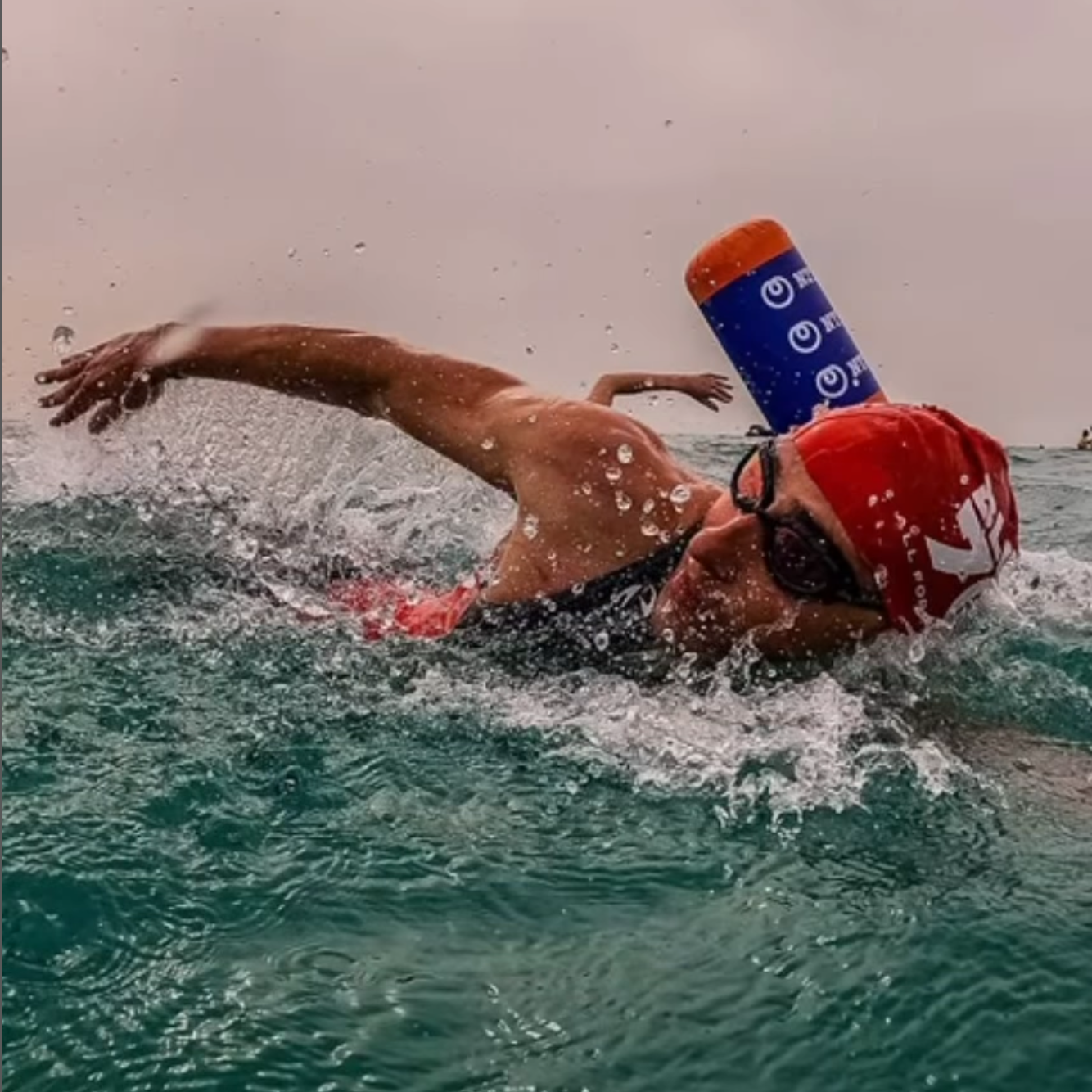
Cold water removes control in minutes. At temperatures near 60°F, the body's first response can include an involuntary gasp and faster, shallower breathing. Skin temperature drops quickly, and finger dexterity fades. You can feel fine on shore and lose coordination after ten minutes in the water. A mandatory rule exists because race officials cannot rely on each athlete's race-morning confidence. One decision for the whole field keeps the swim conditions comparable and reduces the chance that a cold-water loss of control becomes a bigger problem.
A wetsuit does not make that risk disappear. It is not a personal flotation device. It does not keep water out. It traps a thin layer of water against your skin, and your body warms that layer for insulation. The suit provides added thermal protection and better body position. It does not replace cold-water acclimatization.
Suit Selection for the Mandatory Zone
Mandatory does not mean one suit for every athlete. Water in the low 60s and water in the low 50s are different problems. Blueseventy's technical guidance points to below about 56 to 58°F as the range where a purpose-built thermal suit such as the Thermal Reaction adds meaningful warmth. Above about 70 to 72°F, a full suit often becomes too warm over longer swims.
If your season includes races that sit near the mandatory cutoff, a standard neoprene full suit is often enough for the swim distance. The Reaction, at $680, uses a higher-grade neoprene and suits frequent, longer swims. The Fusion, at $420, has a lower-sitting neckline and works well for shorter repeated efforts. For water that stays in the mid-50s or below, the Thermal Reaction, at $785, is fully lined with Zirconium jersey to hold warmth. That extra lining changes the suit's feel, so if your race water rarely drops below 60°F, the thermal suit may be more insulation than you need.
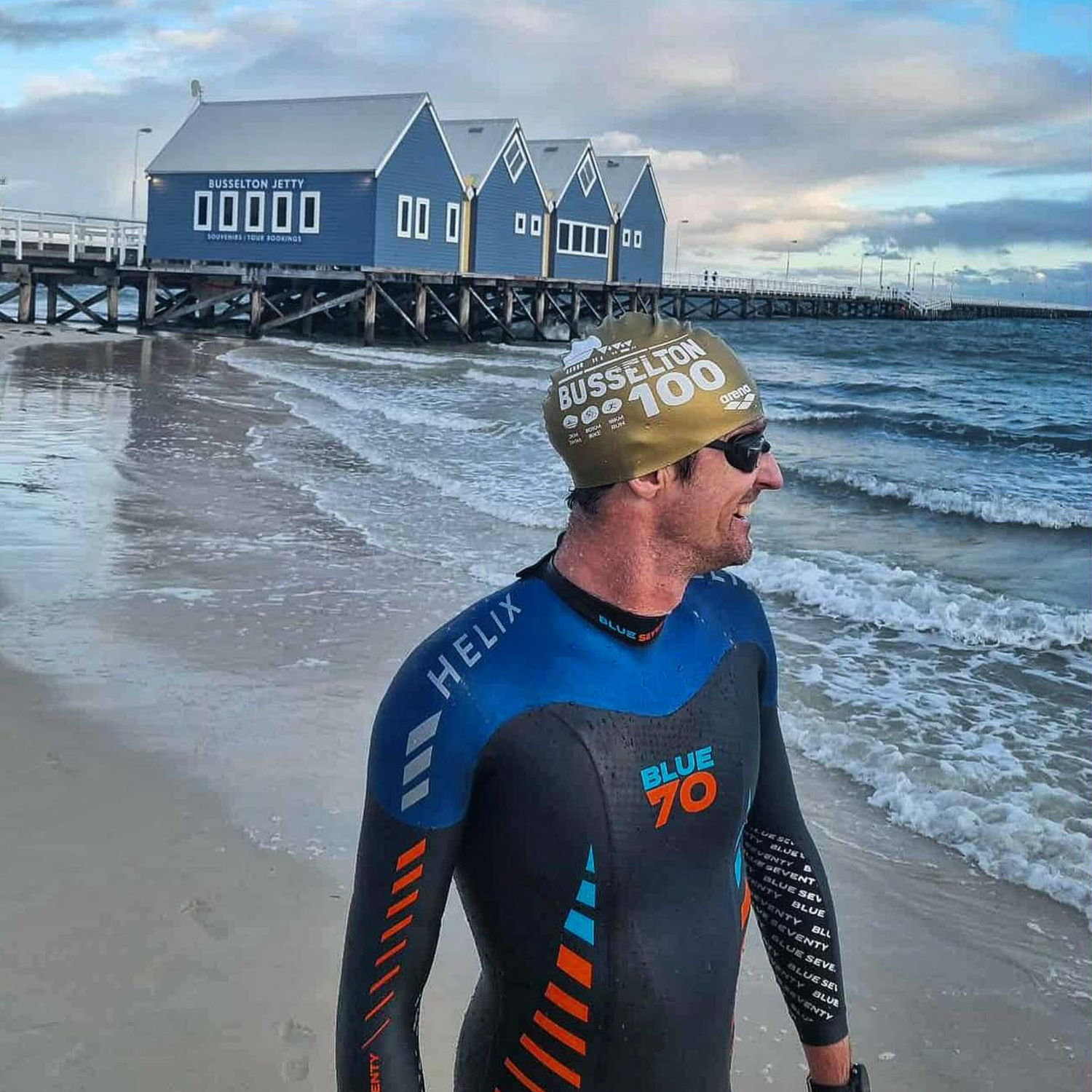
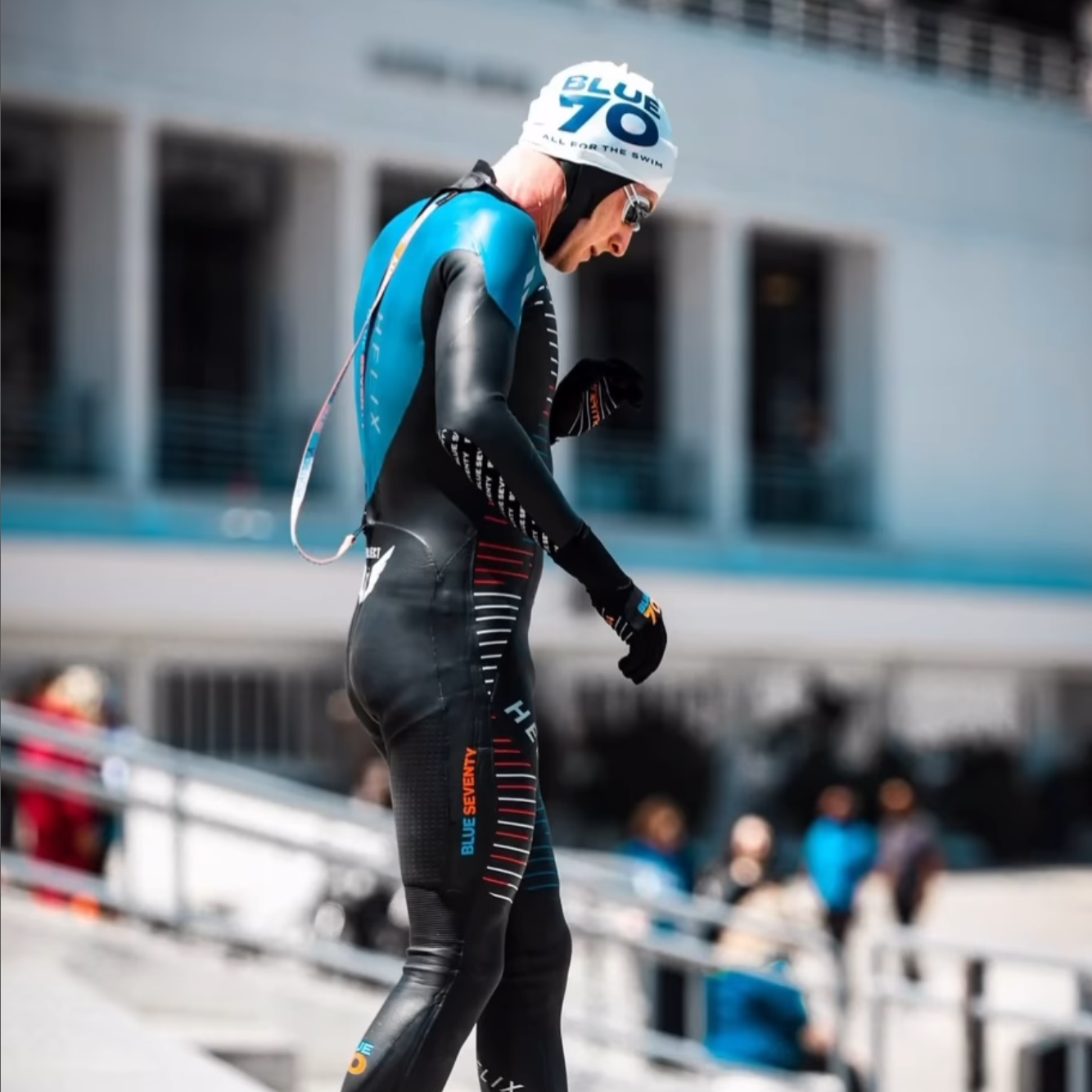
Shoulder flexibility still matters, because a mandatory wetsuit is still a wetsuit you have to swim in. The Helix, our flagship at $995, uses very thin, flexible Yamamoto neoprene in the arms and shoulders. Blueseventy's own guidance is direct: that thin material breaks down more quickly with heavy training use. Save it for racing if you train weekly. All Blueseventy wetsuits use Yamamoto neoprene in 38, 39, and 40 cell. Higher cell numbers mean more flexibility.
Fit and Donning
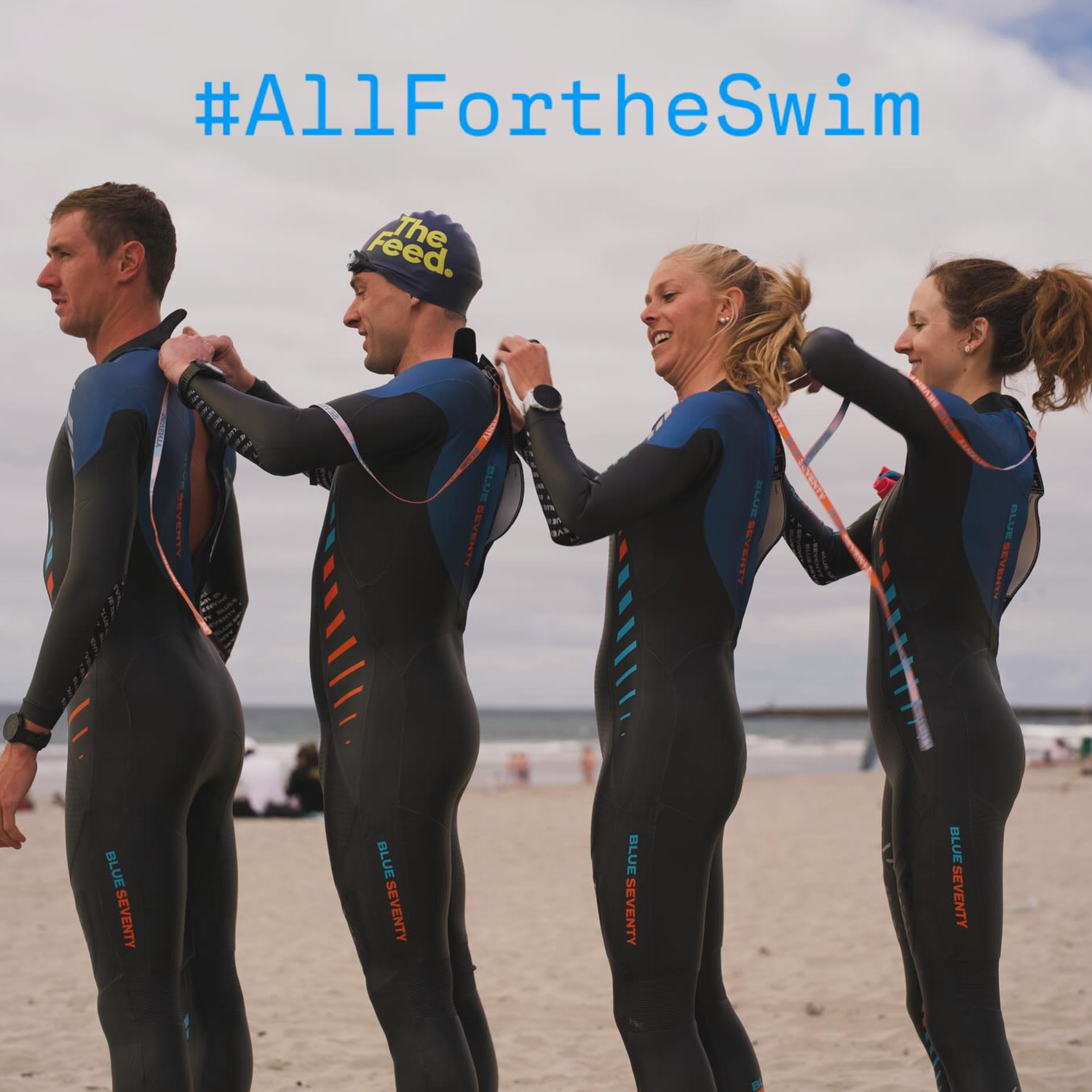
A mandatory rule removes your ability to skip the wetsuit. Fit is not optional. A suit should feel snug on dry land and more comfortable once you are in the water. If you cannot lift your arms without the shoulders pulling hard, the suit is too small or not set high enough on the hips and torso. Improper donning causes shoulder fatigue quickly, and shoulder fatigue changes your stroke before the first buoy.
Take time to work the neoprene up into the crotch first. Then lift the suit over the hips before pulling the sleeves to the shoulder. Reach for the zipper only after the chest and shoulders are seated. Women's Blueseventy wetsuits use Femme Fit, which changes the pattern in the bust, torso, wrists, and ankles and extends the zipper for easier entry. A suit cut for your frame is less likely to fight you in transition. The fit guide and size charts are worth five minutes before you order.
Race Morning
Check the official water temperature when you arrive. You already know the rule is mandatory, but the actual temperature tells you how much clothing and acclimatization you need. Warm up on land before putting on the suit. Getting into neoprene after you are already sweating makes the process harder. Use a plastic bag or skin lubricant on your ankles and calves to help the legs slide through. Then get into the water for a warm-up swim if the event allows one. Five minutes in the water lets the thin layer settle and shows you the shoulder range you will have for the opening pack.
Full-Wetsuit Field Tactics
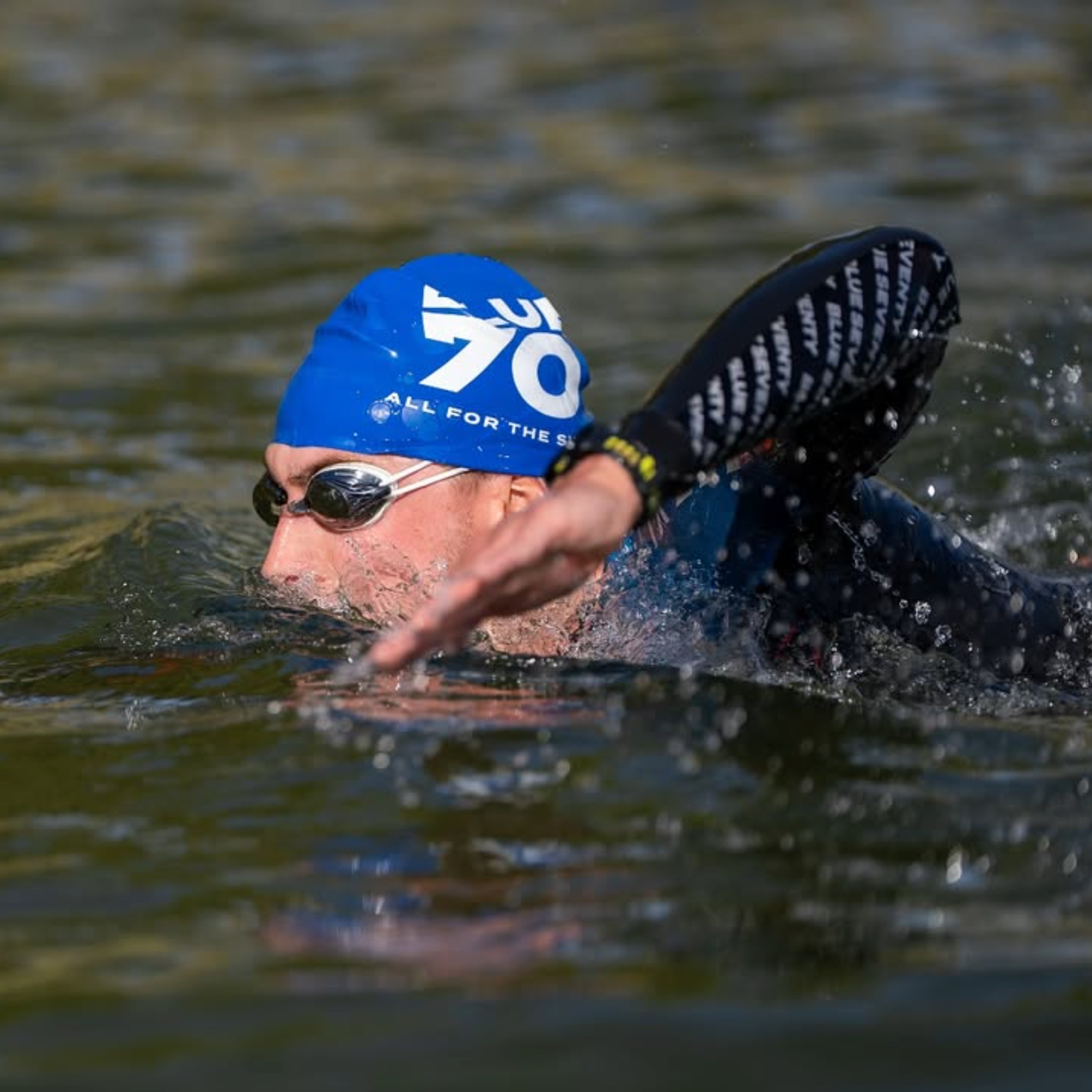
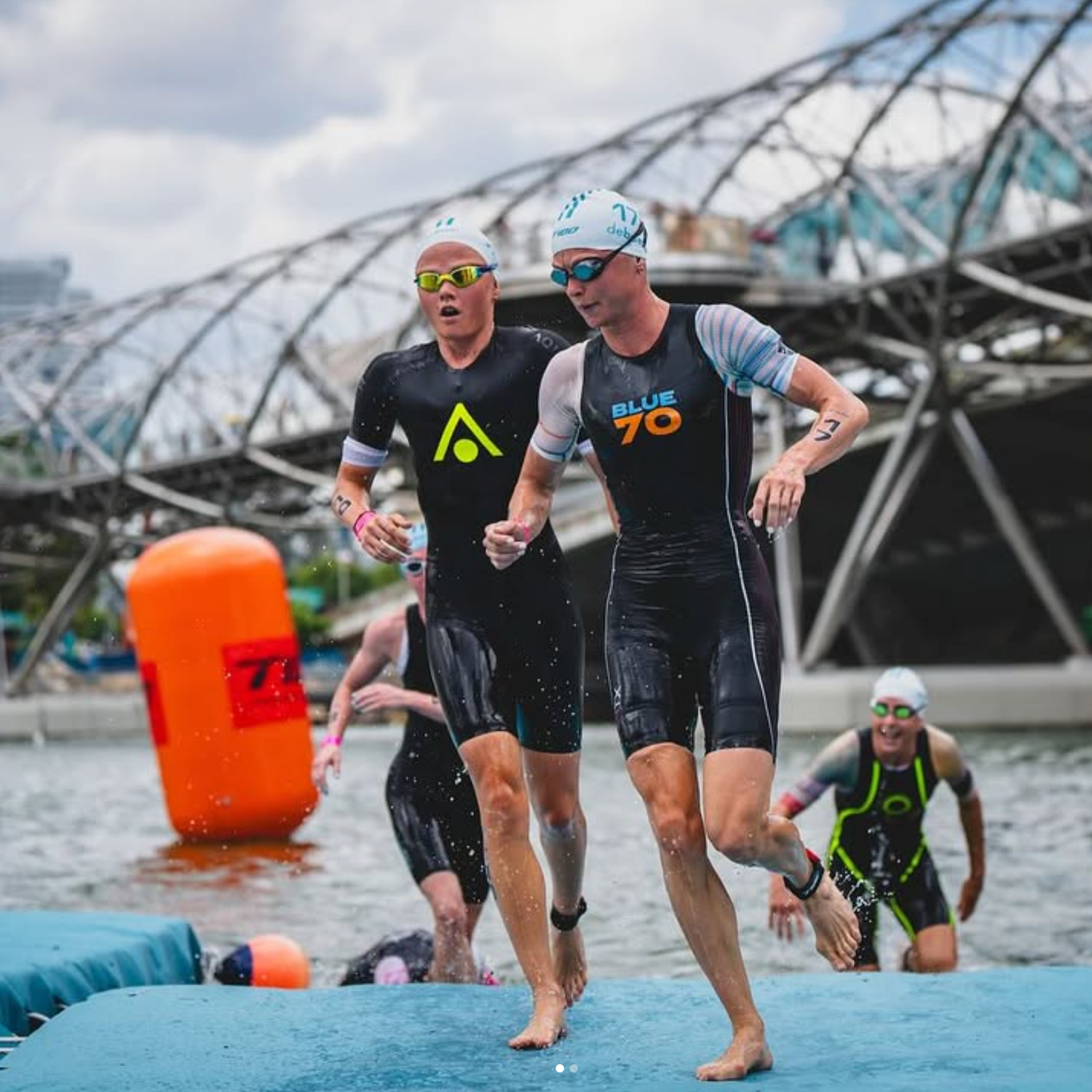
A mandatory wetsuit changes more than temperature. It adds buoyancy to every athlete, which raises the legs and reduces drag. That effect is proportionally larger for swimmers who struggle with body position. The back of the field can stay closer to the front in the opening minutes, and draft-legal packs often form earlier. Strong swimmers lose a small edge. Runners who swim to survive gain stability. If you count on breaking away in clear water, the rule changes where that break can happen.
After Cold Races
Cold water does not clean a wetsuit. Rinse it with fresh water after every swim, then dry it inside-out first. Hang it on a wide hanger or over a thick rail, never by the shoulders on a thin hook. Keep it out of direct sun and away from heat sources. Fingernail punctures and heel tears are the most common damage. Step on the inside of the leg rather than pulling the suit by the ankle. If a small tear appears, use a neoprene cement such as Aquaseal to repair it before it spreads.
Mandatory wetsuit rules make wetsuit choice more specific. The rule tells you when you must wear a wetsuit, but the water, the course, and your race calendar tell you which one. Know the current cutoff for your event category. Practice donning. Choose a suit you can swim in without fighting the shoulders. If you are unsure about fit, the Test Swim policy lets you swim in a Blueseventy wetsuit and still return or exchange it if it is clean and dry.