


Yes, you can wear a blueseventy swim-specific wetsuit in a river. The suit adds buoyancy and thermal protection, and a proper fit lets you adjust your stroke and sight without fighting the shoulders. The suit does not change the river. Current, strainers, eddy lines, and cold water remain the same hazards with or without neoprene. A wetsuit is not a personal flotation device, and no suit makes a strong current safe.
Before you choose a model, separate the two parts of the question. The first part is about wearing a wetsuit at all. The second part is about swimming in strong flow. The wetsuit part is easy. The current part requires a different kind of decision.
What a wetsuit does in moving water
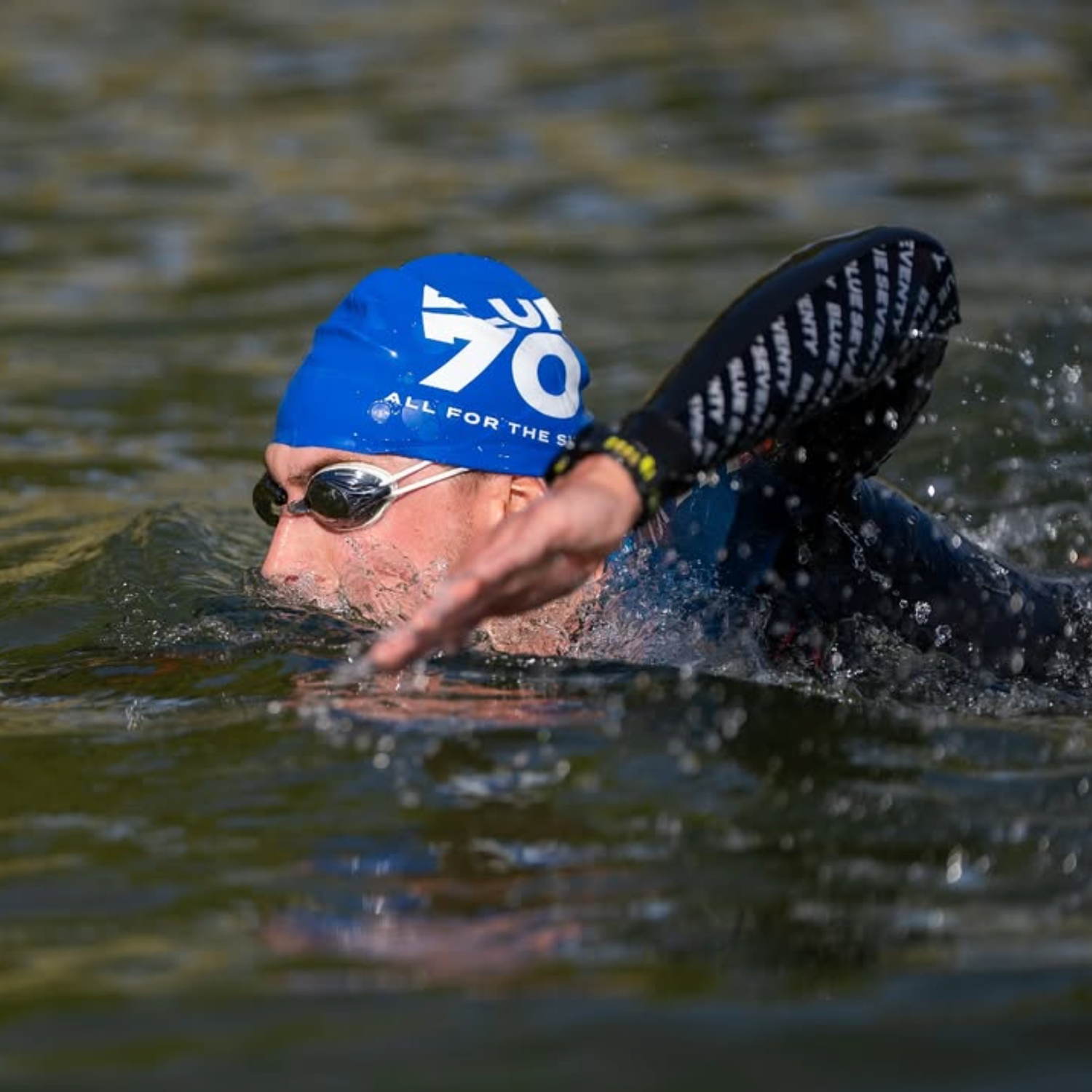
blueseventy wetsuits use Yamamoto neoprene in 38, 39, and 40 cell grades. Higher cell numbers mean more flexibility. That matters in a river because current often forces you to change pace, sight more often, or swim across the flow to reach an exit. A suit that binds in the shoulders costs you energy and makes those adjustments harder.
Neoprene also adds buoyancy, which lifts your hips and legs closer to the surface. In still water, that helps you keep a flatter body position and reduces drag. In a river, that same buoyancy can help you hold a better swimming posture while you manage the current, but it does not fight the current for you.
The suit traps a thin layer of water next to your skin. Your body warms that layer, which is how a wetsuit provides thermal protection. In moving water, a snug neck, wrist, and ankle seal reduces cold water flushing through the suit. If the suit is loose or not pulled up fully, cold river water will move through the openings and carry heat away faster.
What strong flow changes
River current moves you downstream even when you float still. If the water is moving faster than you can comfortably swim against, a wetsuit will not close that gap. The suit improves body position and warmth. It does not increase your swim power. Base the decision to enter on your current-reading skills, your exit plan, and the specific hazards in that river section, not on what you are wearing.
Strong flow also pushes you toward obstructions. Strainers are trees, branches, or debris that water can pass through but you cannot. Low-head features, bridge pilings, and sharp rocks add more risk in moving water. A wetsuit offers no protection from those structures. If you are not confident you can stay off them, choose a different swim line or do not get in.
River swimming often happens in cold water. Below about 56 to 58 degrees Fahrenheit, a purpose-built thermal suit adds meaningful warmth. That added thermal protection is useful, but it is not a guarantee against cold water problems. Enter gradually, let your breathing settle, and never swim alone in cold moving water.
Which suit matches your river training
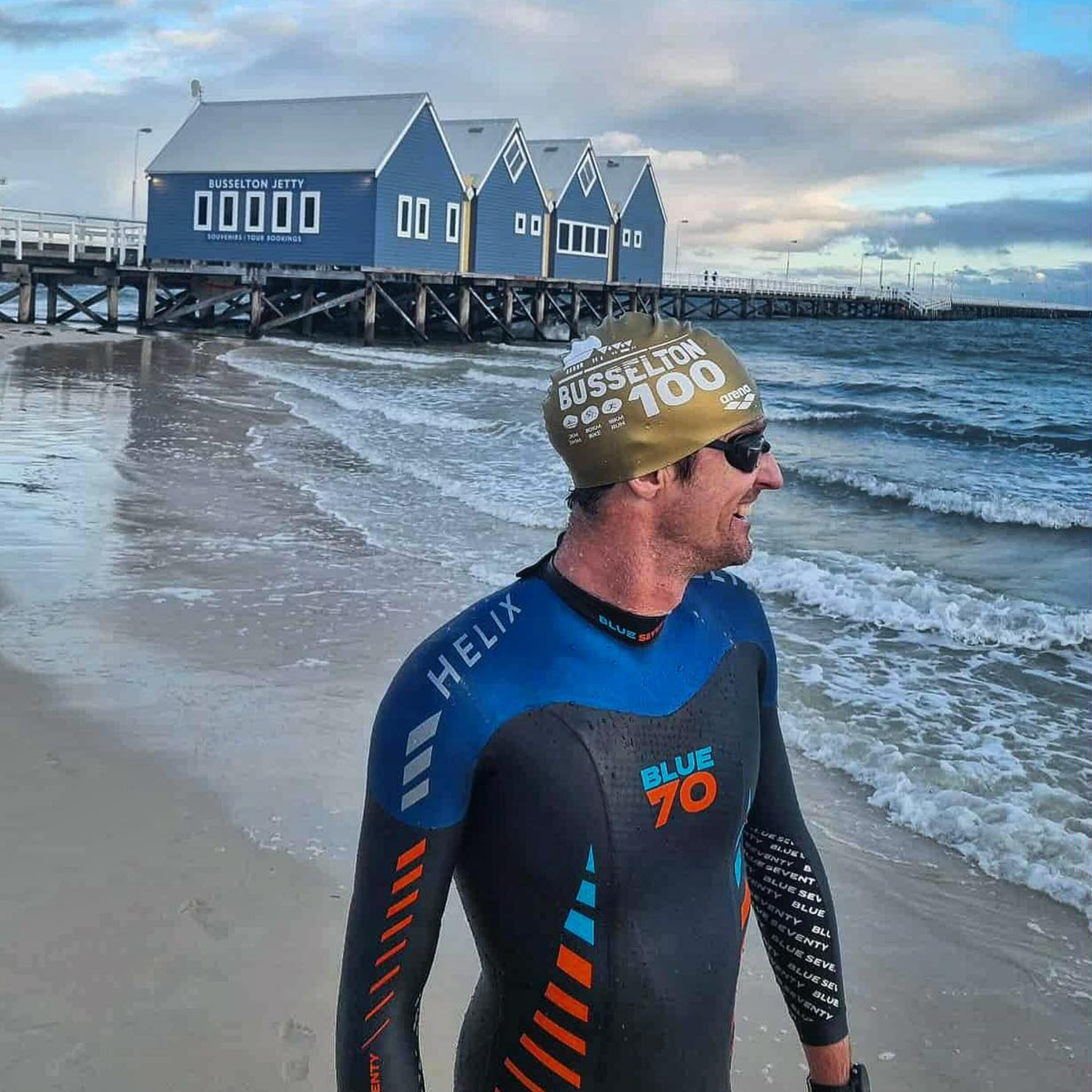
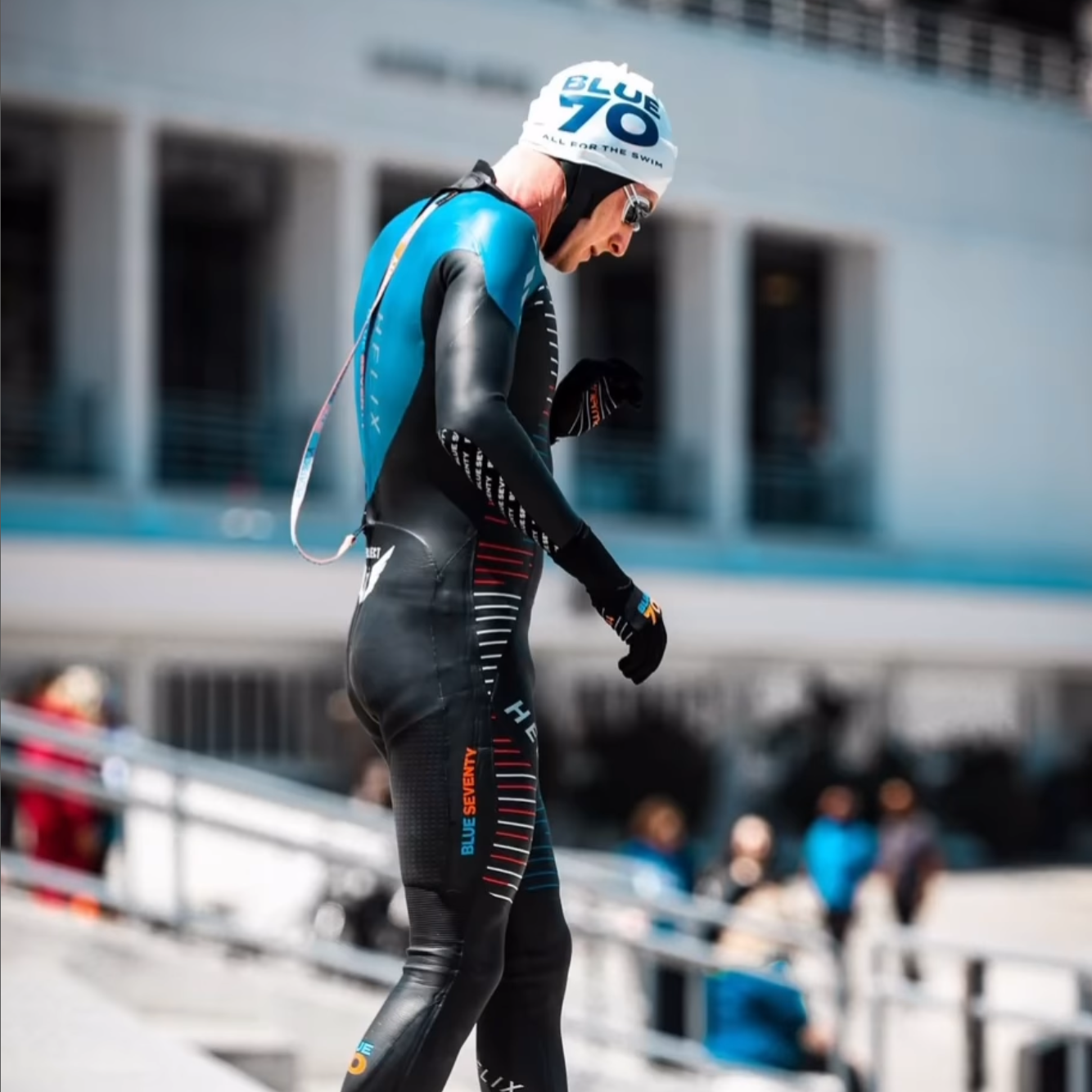
Shoulder flexibility is the first feature to prioritize. In current, you may need a higher stroke rate, a longer reach, or a series of quick corrections. The Helix uses thin, flexible neoprene in the arms and shoulders and a permeable catch panel to preserve feel for the water. It is the flagship race suit, built for total race-day performance. The thin race neoprene will break down more quickly with frequent training use, so the Helix is not the best choice if you plan to swim that river several times a week.
For frequent river training, the Reaction is the practical choice. It uses higher-grade neoprene than the Fusion and works well for frequent, longer swims. The Fusion is the mid-range option for shorter, frequent swims, and its 2021 redesign added a lower-sitting neckline for comfort without losing the watertight seal. If the river is cold, the Thermal Reaction is fully lined with Zirconium jersey for added thermal protection. In warm water above about 70 to 72 degrees Fahrenheit, a full suit can become too warm over longer swims, so a Reaction Sleeveless can be a better match for a warm river workout.
No wetsuit model is designed to handle current. Pick the suit for the water temperature, the session length, and how often you swim. Handle the current with your route, your skills, and your exit plan.
Fit before you get in
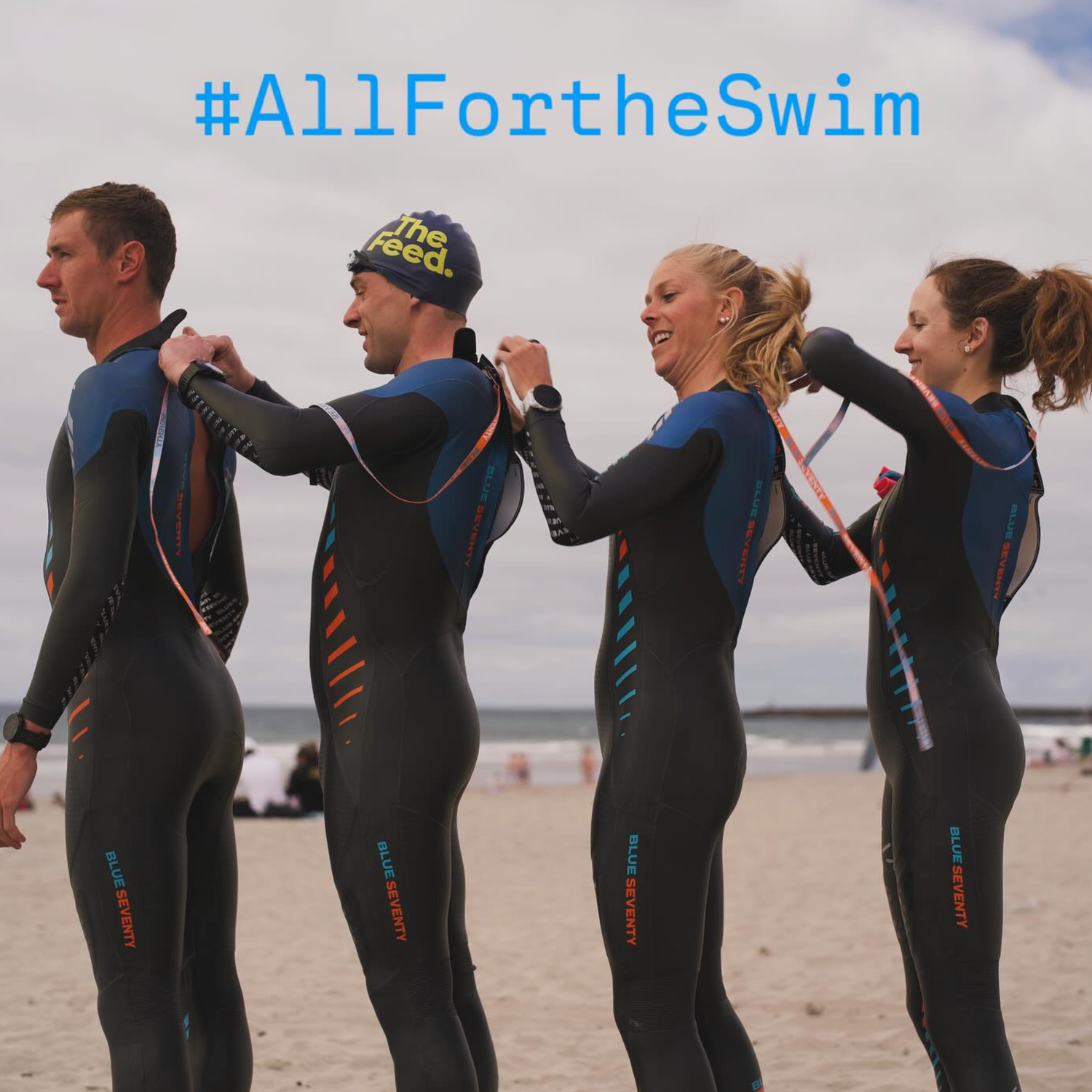
A river makes fit more noticeable because you may have to sprint or change direction suddenly. A suit should feel snug on dry land and more comfortable in the water. Before you enter, pull the legs up fully, work the neoprene into your crotch and armpits, roll the collar, and reach both arms overhead. If your shoulders feel pulled down, the suit is not on all the way. That restriction becomes fatigue quickly when you are fighting a current.
Check the wrist and ankle openings. They should sit close to the skin without cutting off movement. A snug neck keeps cold water exchange slower. If the suit is too loose in the torso, water will pool and shift as you move, which makes body position feel uneven.
Pre-swim checks for river current
A wetsuit does not replace a river safety plan. Before you get in, work through this list:
- Know the water temperature and the current speed.
- Scout the whole line from the bank.
- Pick the exit before you enter.
- Enter gradually and let your breathing settle.
- Stay away from strainers, low-head features, and bridge pilings.
- Never swim alone in moving water.
If any part of that plan feels uncertain, wait for lower flow or choose a flat-water swim.
Care after a river swim
River water often carries sediment, plant matter, and grit. Rinse the suit with fresh water after each use and hang it to dry away from direct sun. Let it dry fully before storing. Check the neoprene for fingernail punctures and heel tears, which are common when swimmers pull the suit on or kick against rough surfaces. Small cuts can be repaired with Aquaseal neoprene cement. Store the suit away from heat. Do not use a dryer or leave it in a hot car.
Take a Test Swim
You can swim in a blueseventy suit and still return or exchange it within 30 days as long as it comes back clean, dry, and unmodified. Use the size chart before you order, and take advantage of the Test Swim policy. For river swimming, the right suit is the one that fits snug, moves with your shoulders, and matches the water temperature. The river current is your responsibility.
Happy swimming.