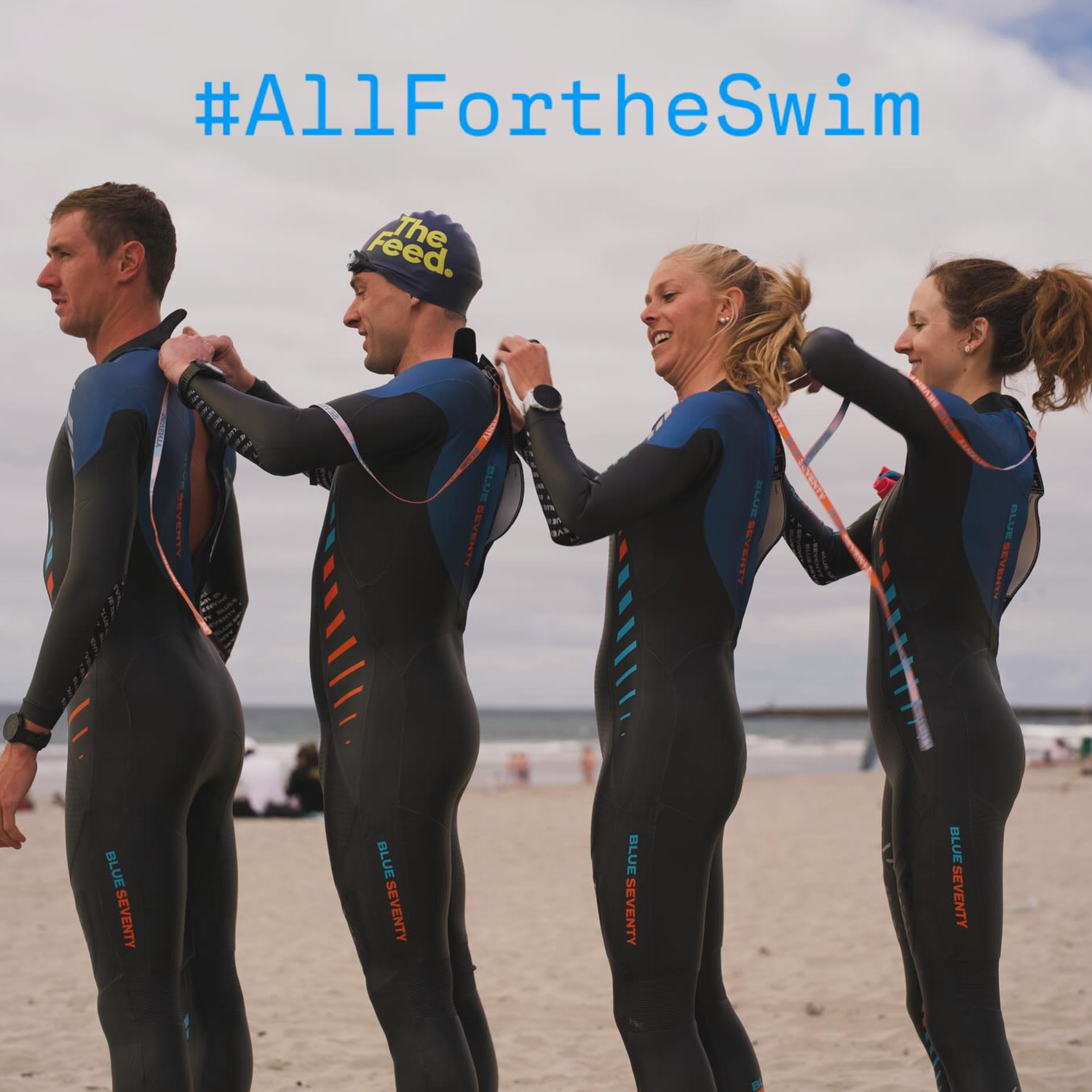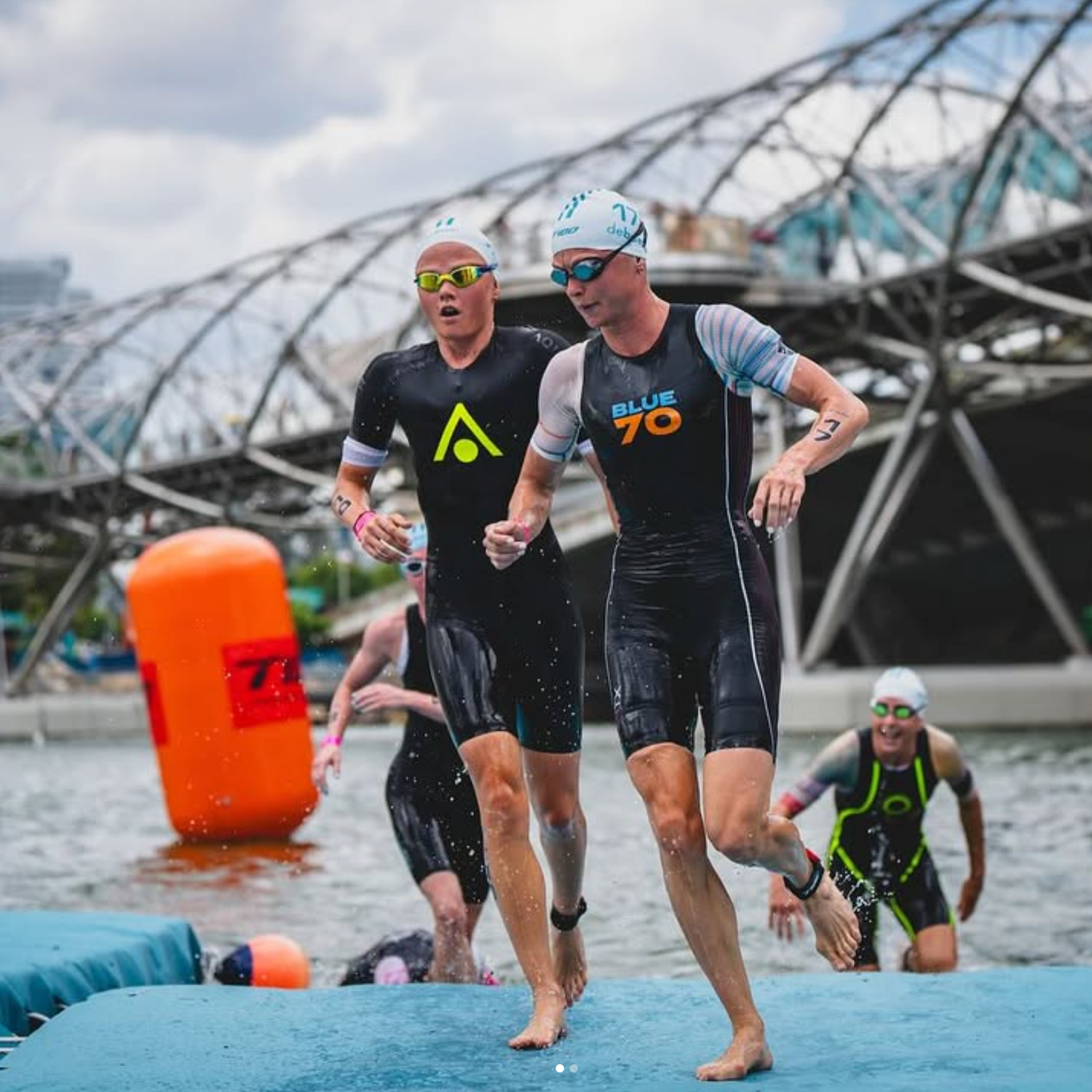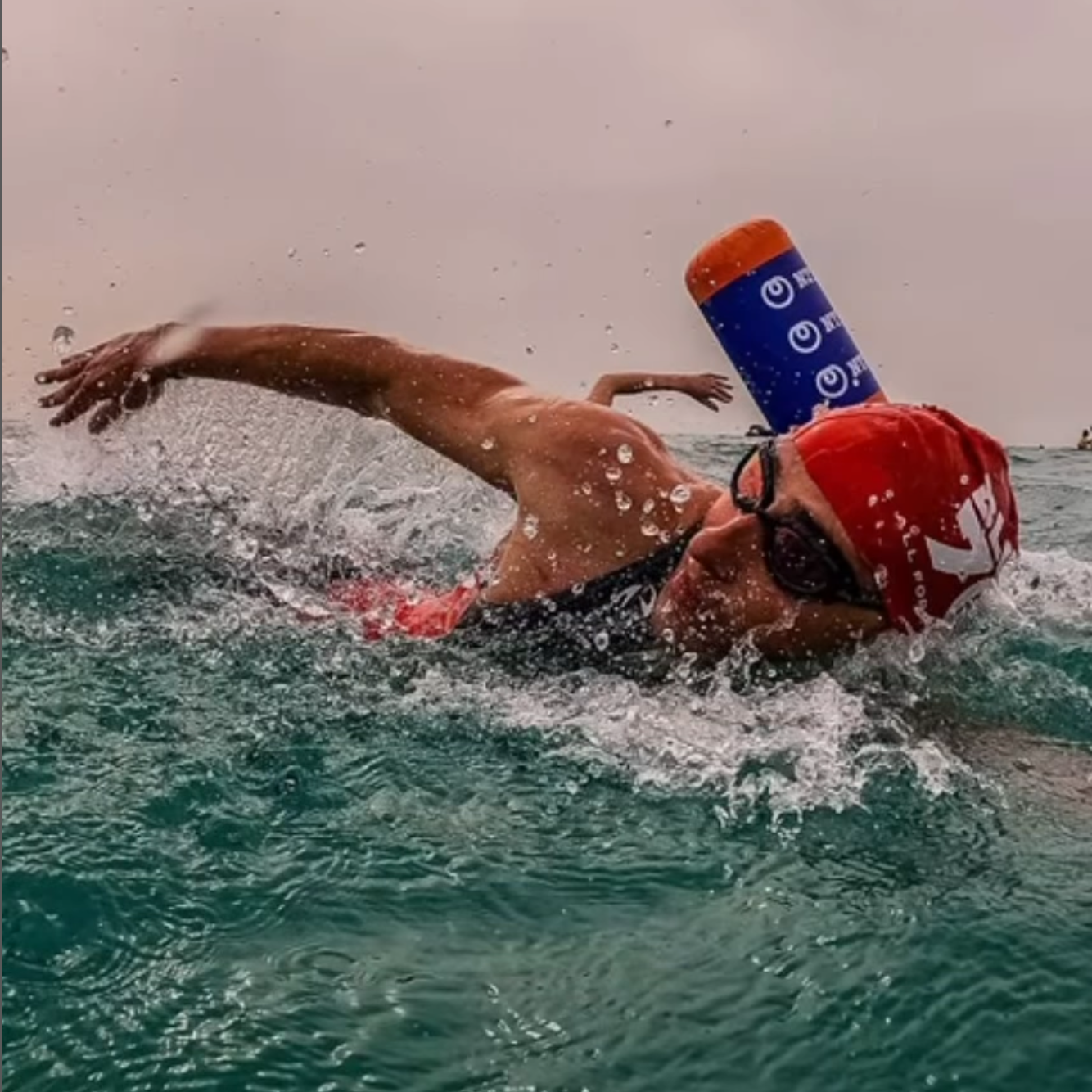



Yes, you can wear a wetsuit in a hot climate. Air temperature matters less than water temperature. A full neoprene suit becomes the wrong choice when both the water and the sun are warm, but Blue70 makes sleeveless suits, short johns, and swimskins for exactly that situation.
Water temperature decides the suit, not the beach weather
Hot air does not equal warm water. An ocean swim in a hot coastal climate can still be 62°F if currents bring cold water close to shore. A lake in July can be 78°F on the surface and much cooler a few feet down. Start with water temperature, then factor in swim duration and sun exposure.
Blue70's published guidance says a full suit starts to feel too warm over longer swims once water reaches about 70°F to 72°F. In that range, a sleeveless suit or a swimskin is often the better call. Below about 65°F, a full suit still earns its place even when the air is hot, because the water is still pulling heat from you faster than the sun can replace it.
Warm-water Blue70 options
The Reaction Sleeveless, at $395, covers the torso and legs but leaves the arms free. That arm freedom matters in hot conditions because it cuts upper-body insulation and shoulder restriction. The Glide Short John, at $210, is an entry-level warm-water cut with short legs and open arms. Both are useful when you want the body-position benefit of a wetsuit without the full thermal load.
For race day in warm water, a swimskin can be the leanest choice. Blue70 swimskins are designed to improve hydrodynamics while adding far less thermal coverage than a neoprene full suit. Check your race organization's current rules before choosing a swimskin, because wetsuit and swimskin policies vary by sanctioning body.
The LIFT Buoyancy Short is a separate training piece at $150. It adds lower-body buoyancy through NBR foam and leaves the torso uncovered, which makes it a practical warm-water training option when you want hip lift without upper-body warmth.
How to choose when the climate is hot
Use water temperature, not air temperature, as the first filter.
- Water above about 72°F and longer swims: skip a full suit. A sleeveless suit, short john, or swimskin is usually more comfortable.
- Water from about 65°F to 72°F: a sleeveless or short john suits many swimmers, and a full suit works for shorter sessions if you chill easily.
- Water below about 65°F: a full suit is still worth it in hot air. Manage heat on shore, not in the water.
Your own cold tolerance matters. A swimmer with low body fat may want more coverage than a swimmer who runs warm in the same lake. Start with the water temperature ranges and adjust from there.
Heat management and suit care
Hot weather punishes neoprene. Leave a wet suit in a hot car or in direct sun and the material breaks down faster. Rinse your suit in fresh water after each swim and dry it in the shade. This habit matters more in hot climates because heat accelerates neoprene damage.
On race morning or before training, suit up in the shade rather than in full sun. If you are sweaty, wet your arms and legs lightly so the suit slides on without forcing the seams or zipper. Once you are suited up, get in the water or find shade. Overheating on the beach drains energy before the swim starts.
If you feel overheated, lightheaded, or unusually fatigued in the water, get out, move to shade, and hydrate. Hot weather increases fluid loss even while swimming, so drink water before a long session.
Fit and Test Swim
Warm-water suits should still fit snug on dry land. Coverage changes, but the fit should stay close. A sleeveless suit or short john that fits correctly will feel snug through the torso and not baggy around the hips or legs. Use the Blue70 size charts and fitting guide if you are between sizes.
One useful policy for hot-climate swimmers: Blue70 lets you take a wetsuit for a test swim and still return or exchange it within 30 days, as long as it comes back clean, dry, unmodified, and with tags. That means you can try a sleeveless suit in your local warm water and see whether it matches your heat tolerance before committing. Learn more at Blue70's Test Swim policy.
A hot climate changes which Blue70 suit belongs in your bag. Match the suit to the water temperature, use a sleeveless or short john cut in warm water, and protect the suit from heat when you are on land. Happy swimming.