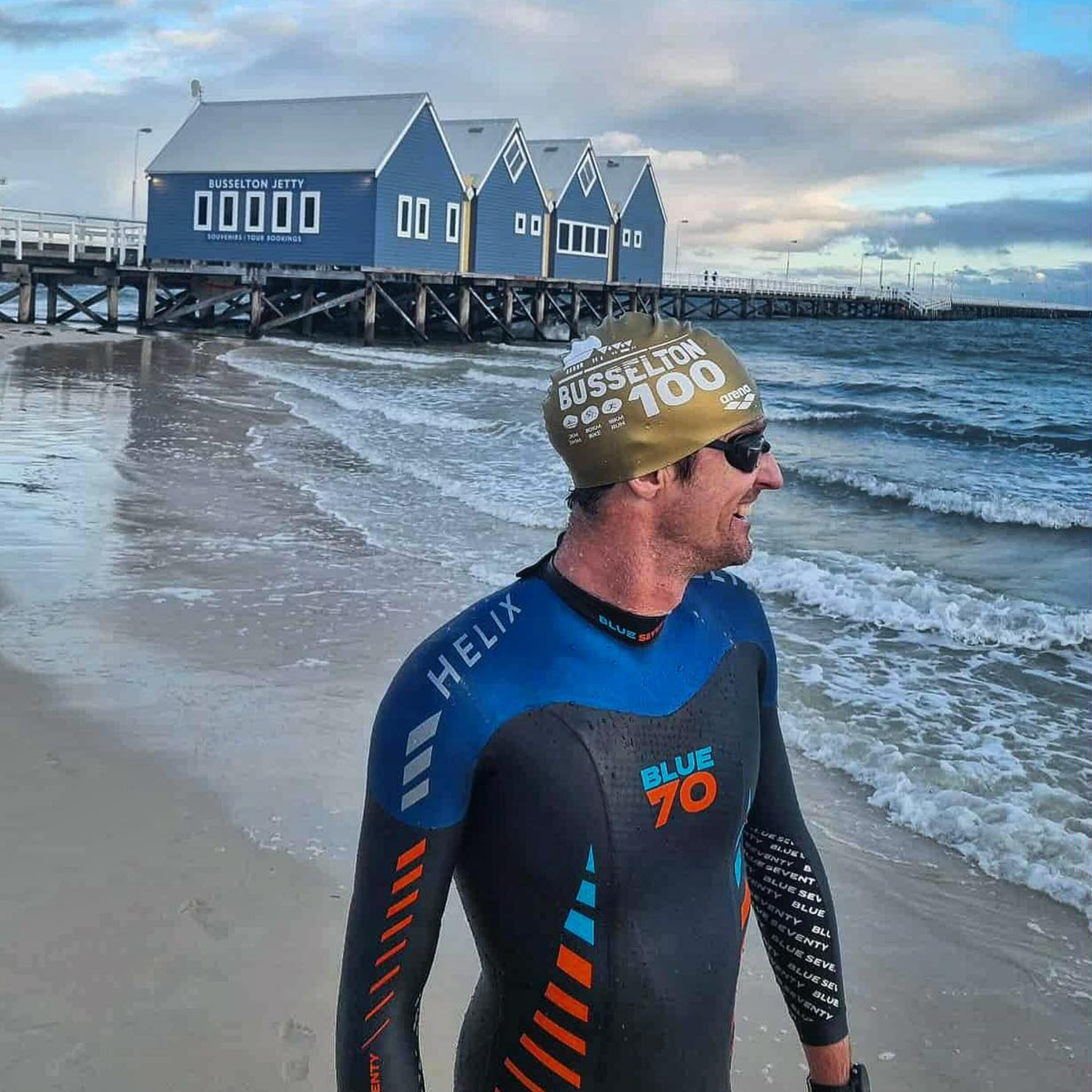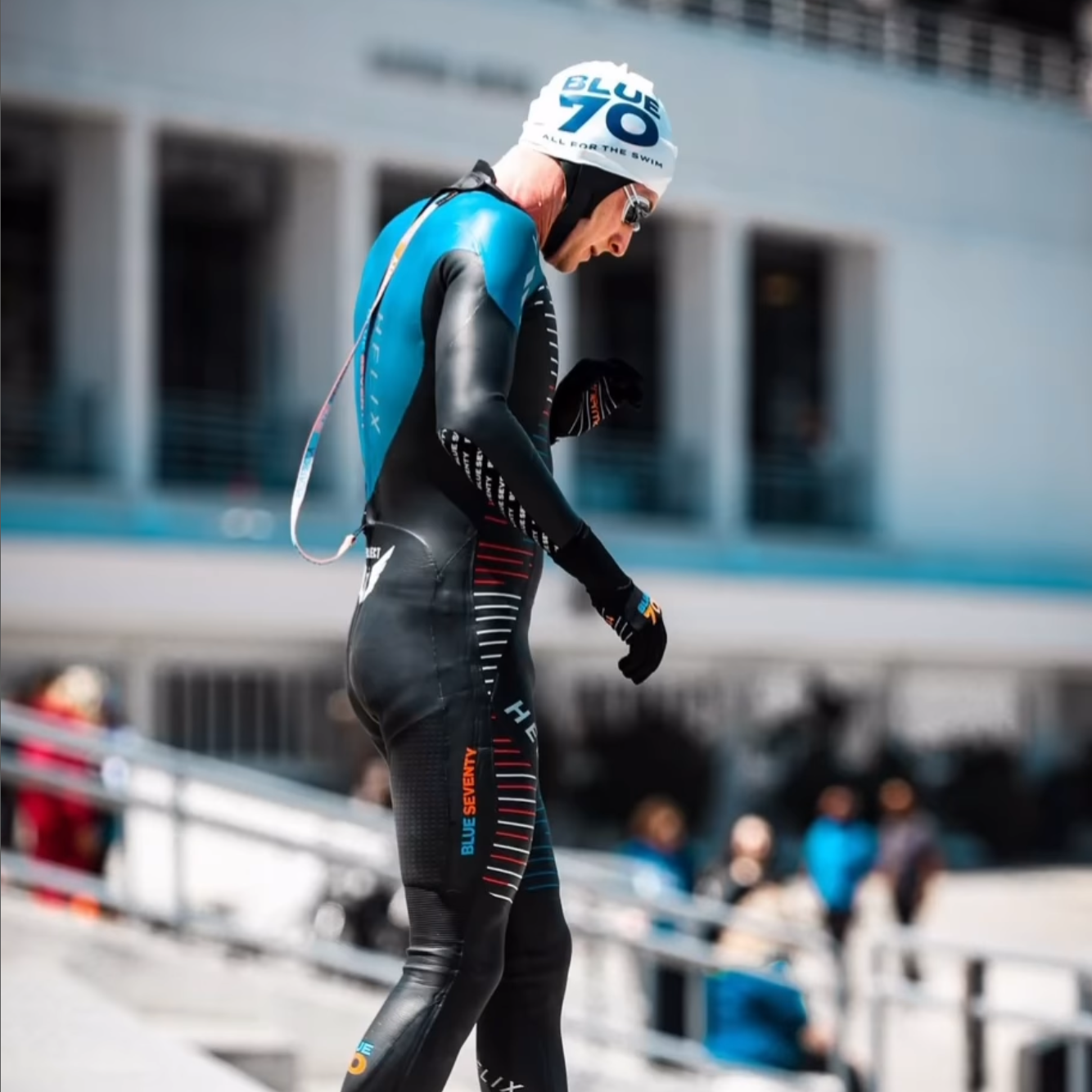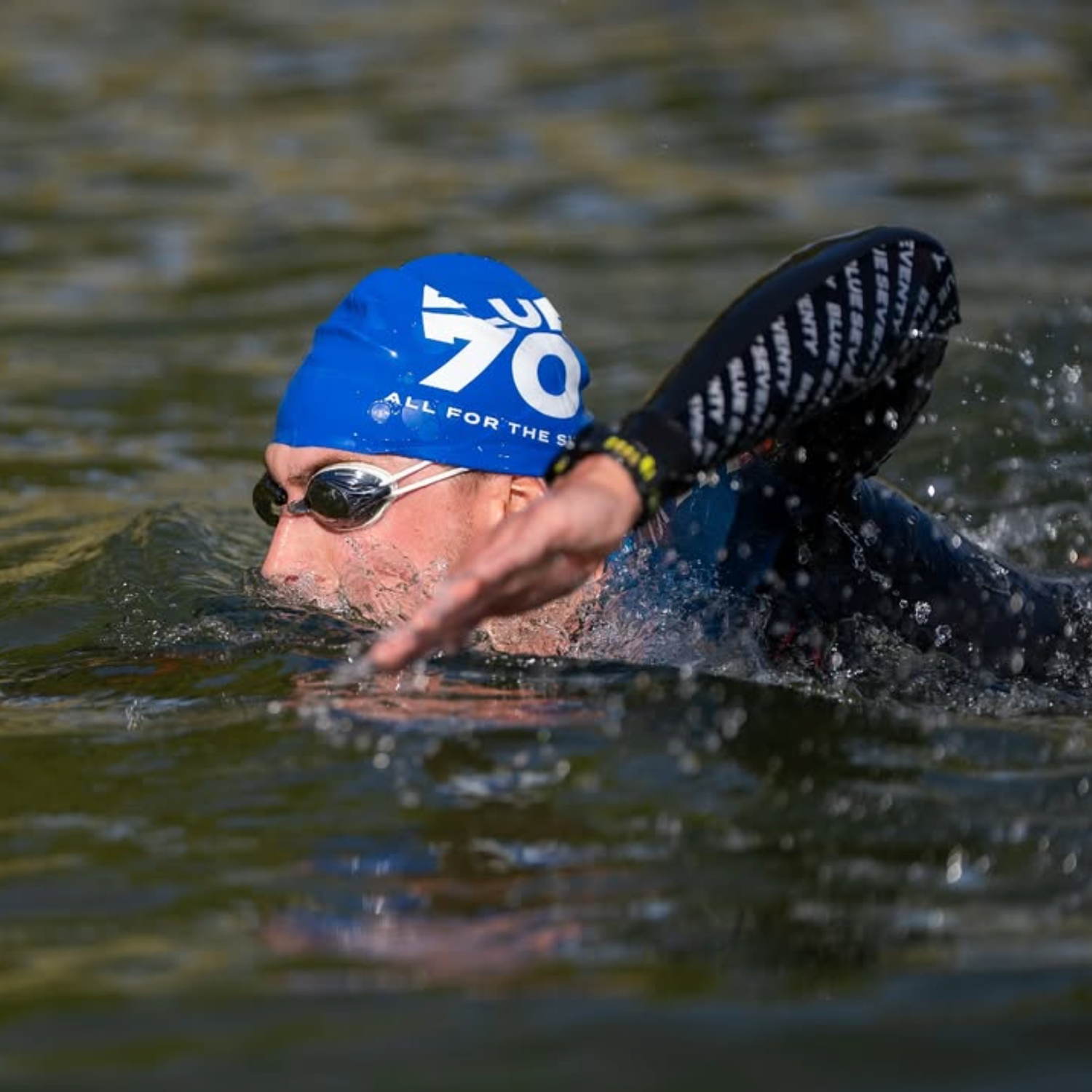



The only person who can clear you to swim with a pacemaker is the clinician who manages your device. This article is informational, not medical clearance. What I can explain is what a swim wetsuit does around the device so you can have a specific conversation with your cardiologist.
What the wetsuit does not do
A blueseventy swim wetsuit contains no magnets, no electrical current, and no transmitting parts. Neoprene is passive. It does not create a magnetic field that would affect a pacemaker. The zipper hardware is not magnetic. So the suit will not reprogram or block the device. The practical concerns are fit and pressure, not electronic interference.
Why fit matters more than material
A swim wetsuit fits snug on dry land and becomes more comfortable in the water. Tension around the chest and neck can sit close to the pacemaker pocket just under the collarbone. Some swimmers feel pressure there; others do not. You need to place the suit over the device and see how it feels after a few minutes of movement.
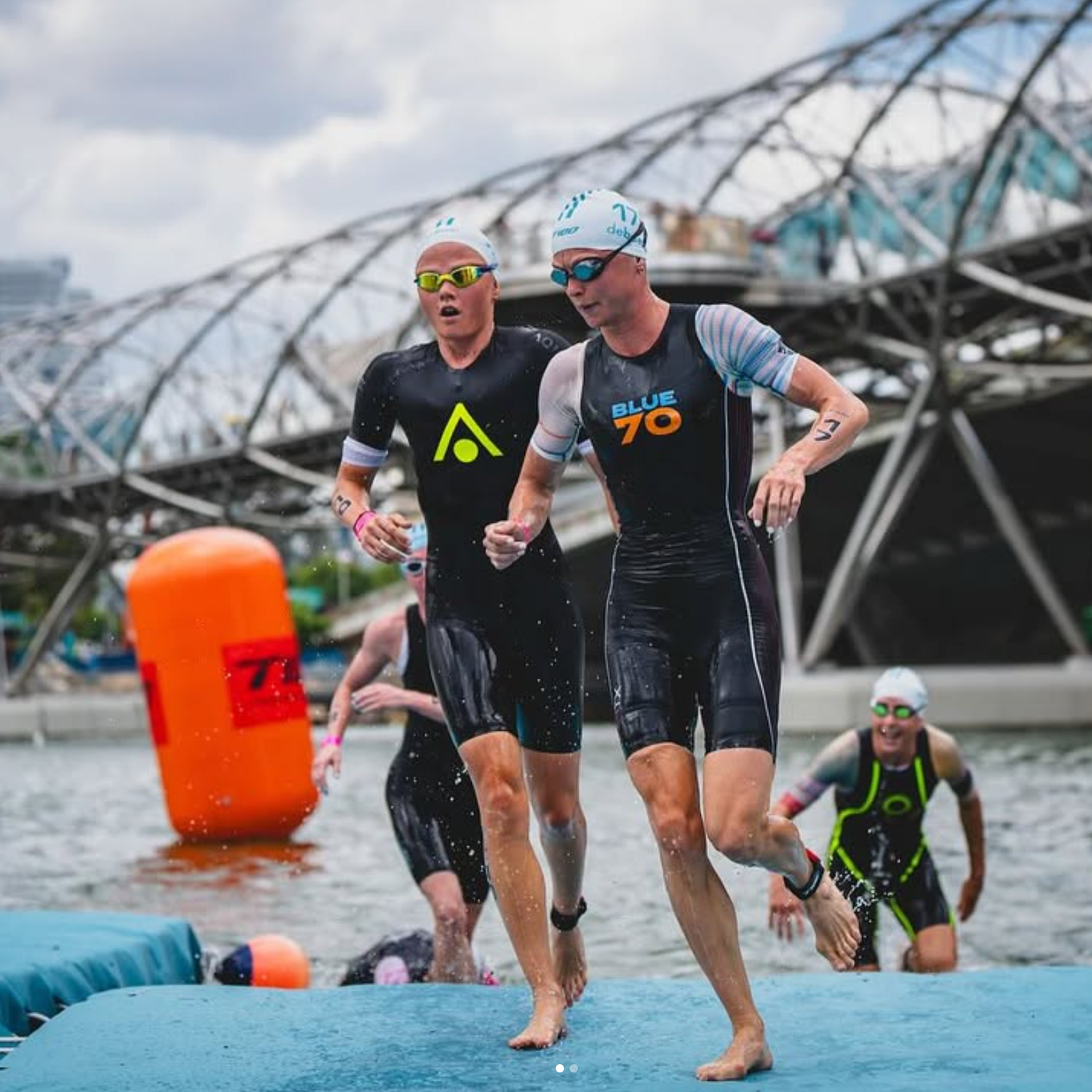
A lower neckline may reduce upper chest pressure. The Fusion wetsuit redesigned its neckline lower in 2021 for comfort without losing the watertight seal. If you want less upper-body material, the Reaction Sleeveless removes the shoulder and arm panels. Neither style is a pacemaker accommodation. Both are fit options worth trying once your doctor clears you.
Questions for your cardiologist
Before you order or swim, ask your cardiologist or device clinic these questions:
- Is the incision fully healed and cleared for submersion?
- Are any arm or shoulder movement restrictions still in place?
- Where exactly is the device pocket, and should I avoid compression there?
- What is my exertion limit for swimming?
- Do you want me to avoid pulling a tight neck or shoulder panel over the device?
- Should I swim only where a lifeguard or swim buddy is present?
How to get the suit on without stressing the device
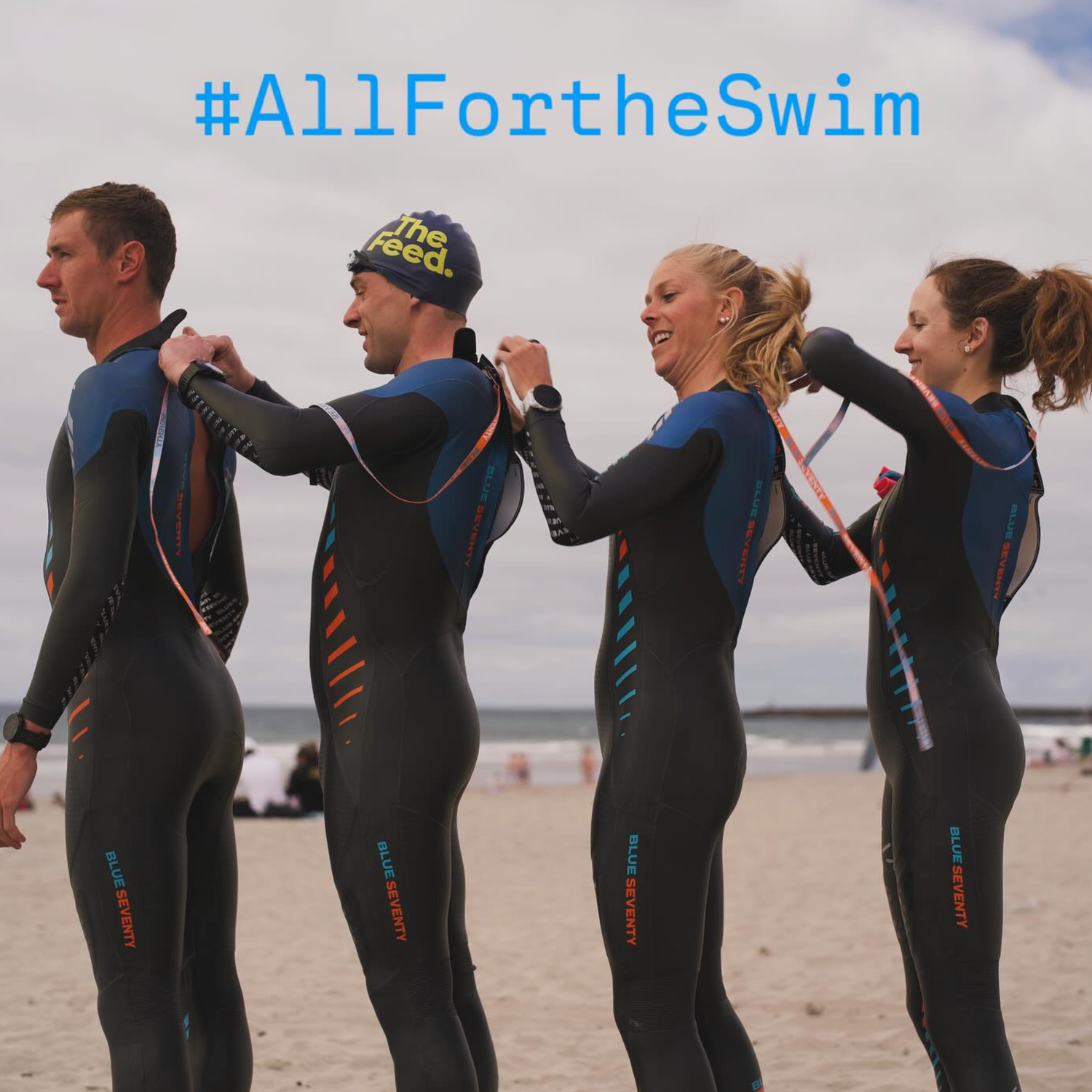
Donning is often the moment that needs the most care. Wetsuits are tight by design. Roll the suit from the ankles, work it up the legs, then ease the body over the hips and torso. Pull the shoulder panels up slowly, one arm at a time. Avoid dragging the neck or chest panel across the device site. Ask a friend to help the first time if you are unsure. If your clinician has restricted overhead reaching, choose a style with less shoulder material and get help donning.
Your first swim
Once you have clearance, treat the first swim as a systems check, not a workout. Swim in a pool or calm, shallow water with an easy exit. A wetsuit adds buoyancy and lifts your body position, which can change your breathing rhythm. Stop if you feel pressure at the device site, lightheadedness, an irregular heartbeat, or new discomfort. Tell your clinician about anything you noticed. A blueseventy wetsuit is not a personal flotation device. It adds buoyancy but does not replace safe swim planning.
The short answer
Pacemakers and swimming can coexist for many athletes after clearance. The wetsuit itself is not the main hurdle. The fit at the device pocket and your individual activity restrictions are. Get cleared, check the fit, choose a suit that does not press on the device, and practice careful donning. Once your cardiologist signs off, the blueseventy size charts and fit guide are good next steps.