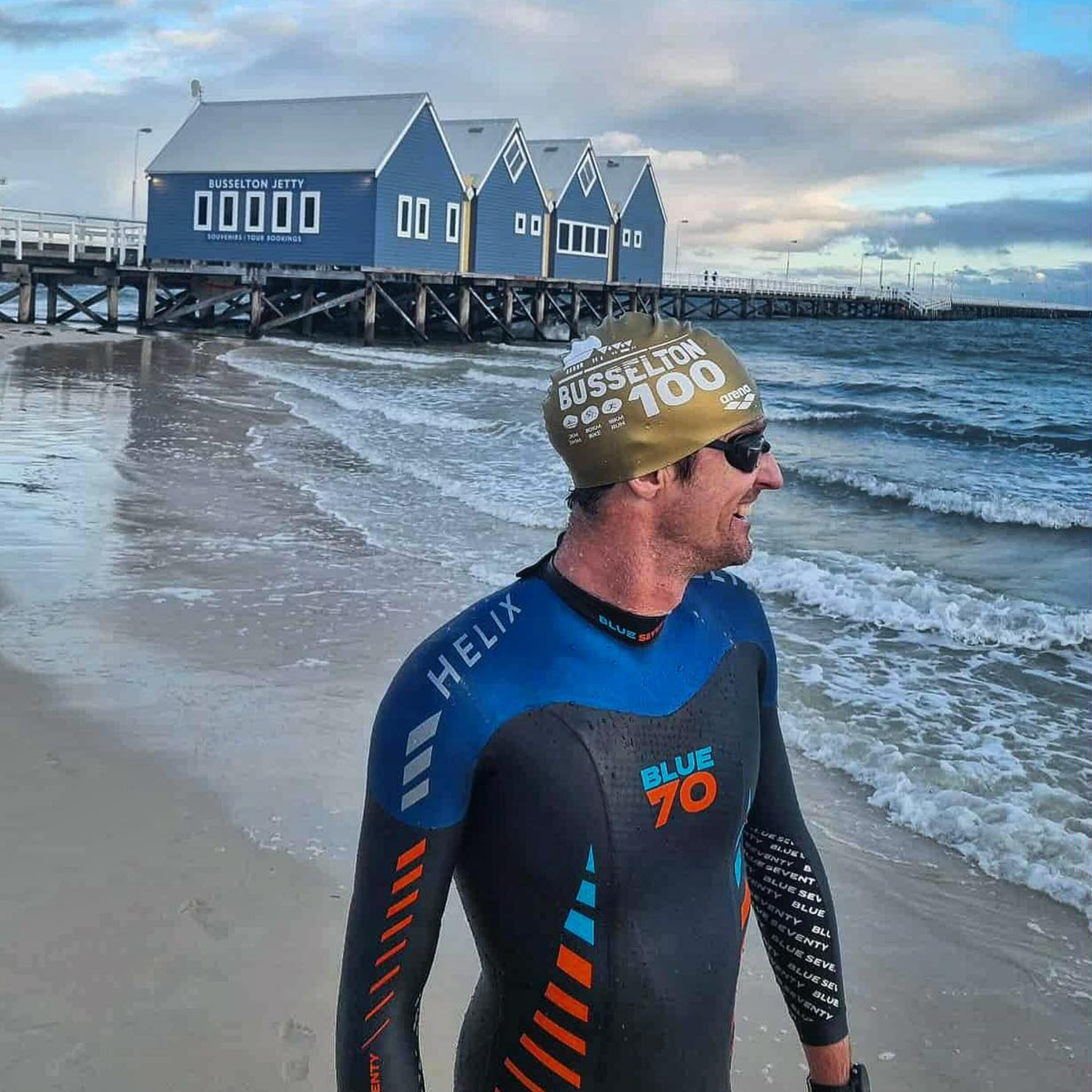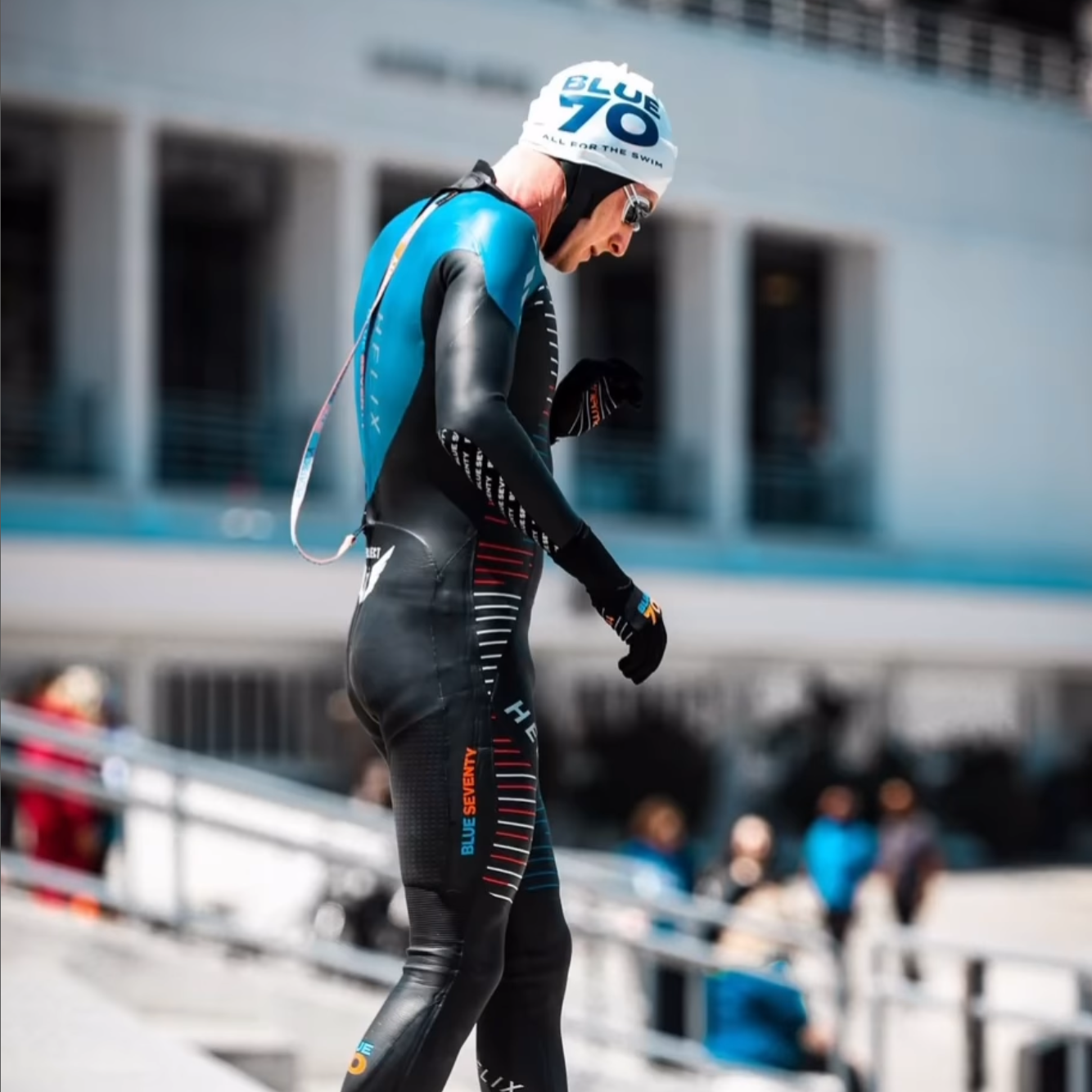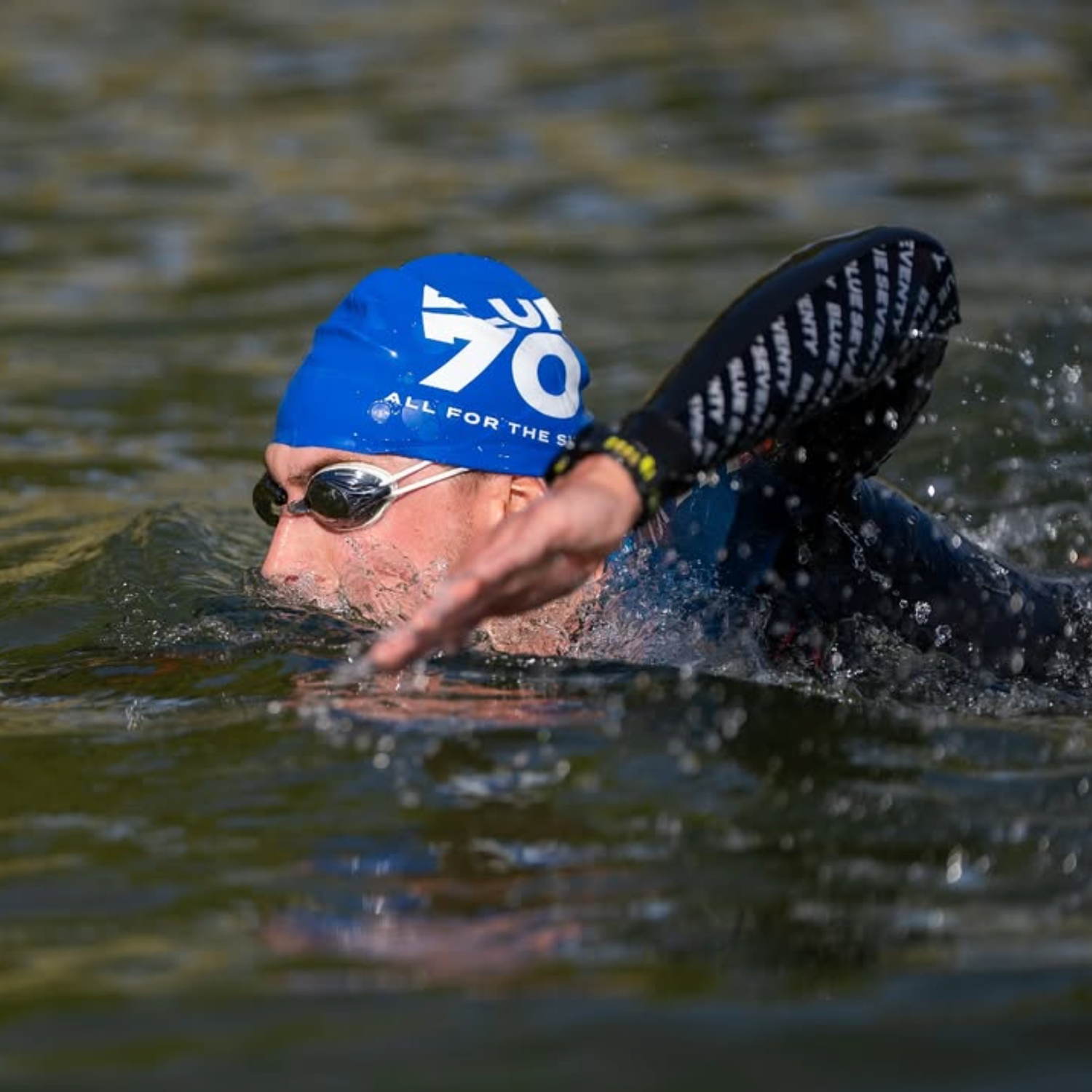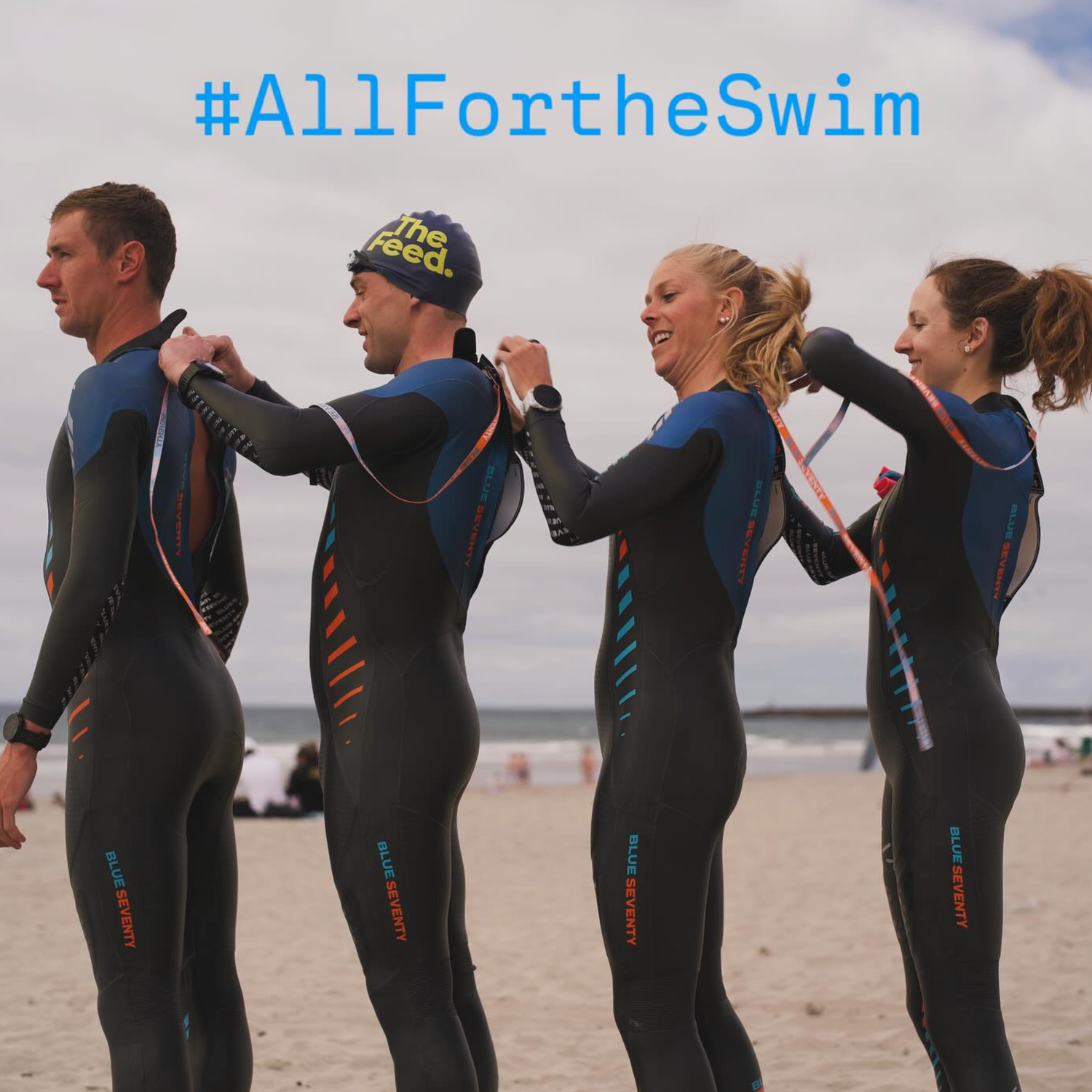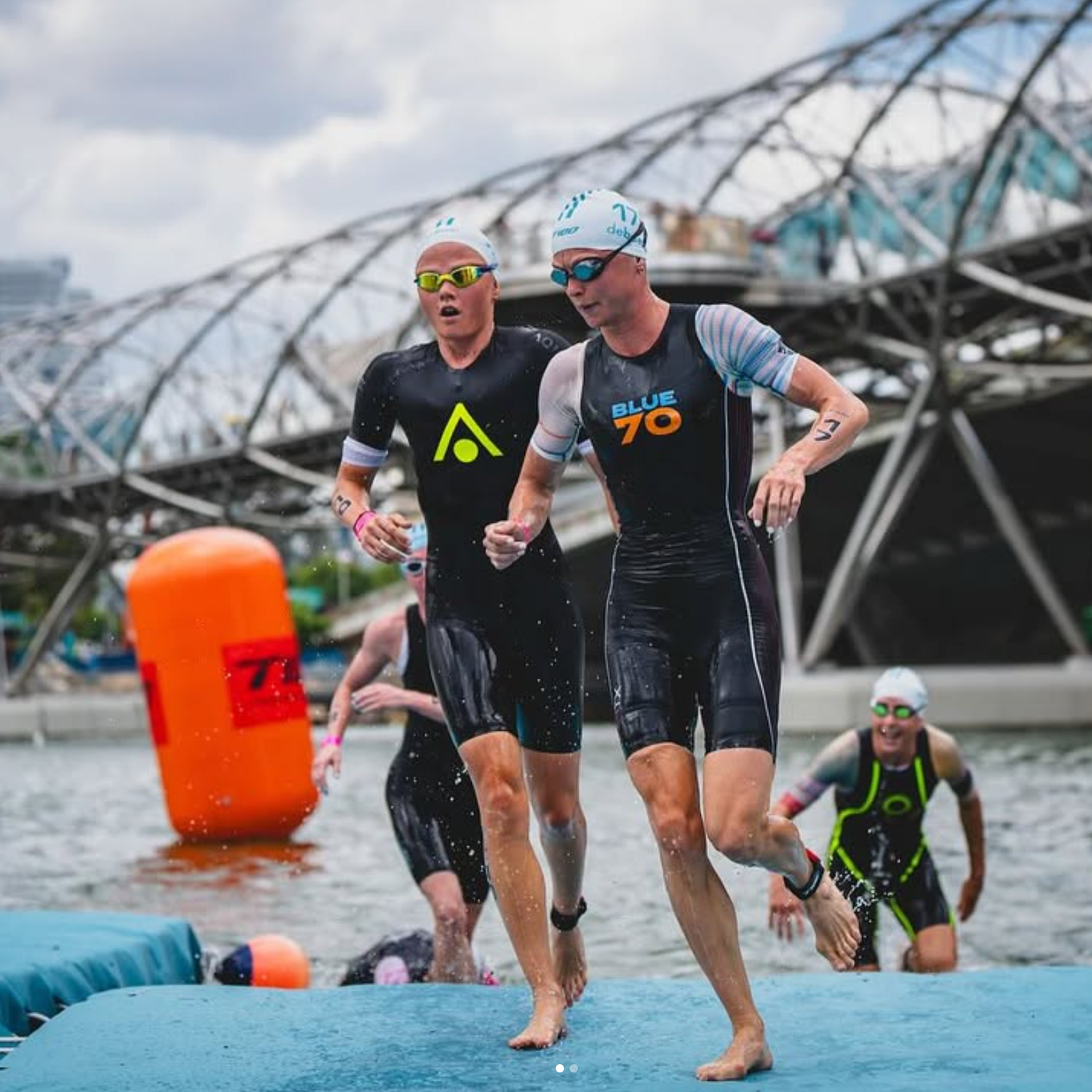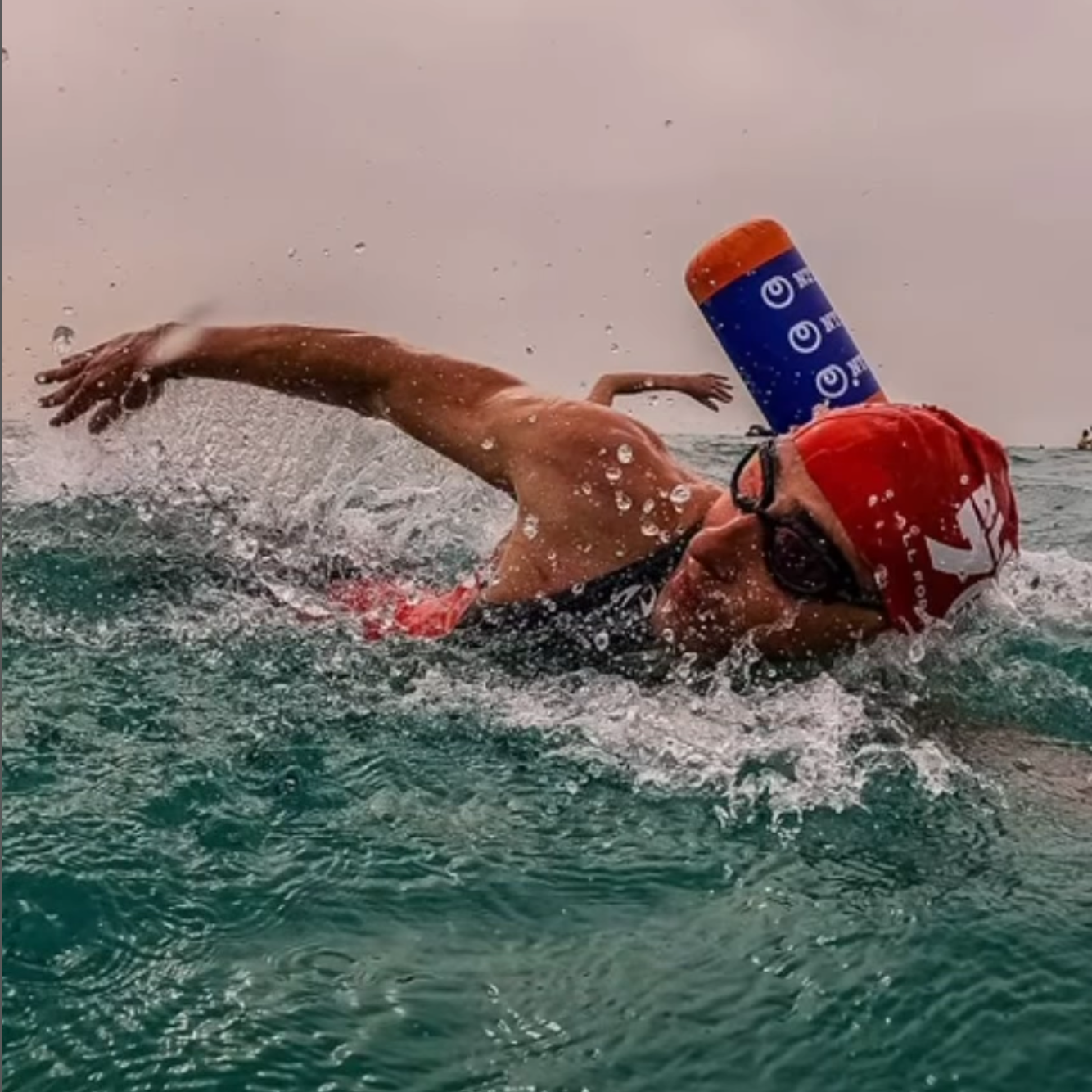



Yes. A Blue70 swim wetsuit works for a casual beach swim if you match the suit to the water temperature and your swim length. You don't need a race entry to benefit from added buoyancy, thermal protection, and shoulder panels cut for a freestyle stroke. Blue70 builds its wetsuits for swimming rather than surfing or diving, so the neck, torso, and shoulder panels are patterned for horizontal body position and a full arm cycle.
What a wetsuit does on a casual swim
A Blue70 wetsuit does two jobs. It lifts your hips and legs, which helps you hold a more horizontal body position. It also traps a thin layer of water between the neoprene and your skin, and your body warms that layer. That warming effect matters more than swim speed when you are choosing a suit for the beach. A full suit can feel comfortable below roughly 70 to 72°F. Above that range it can start to feel hot, especially on a swim that lasts more than 30 minutes. In water below about 56 to 58°F, a thermal suit adds meaningful warmth, but it does not make cold water risk-free.
Match the suit to the water temperature
Start with the water, not the brand. If your beach water sits in the 60s for much of the season, a full Blue70 suit is the practical choice. If it sits in the low 70s or warmer, a sleeveless suit or a short john will keep you cooler and give your arms more room. For cold water below about 56 to 58°F, the Thermal Reaction is the model to consider because its Zirconium jersey lining adds thermal protection. You still need to manage your exposure time, know the conditions, and swim with a buddy. The suit adds warmth. It does not remove the risks of cold water.
These Blue70 models cover most casual beach swims:
- Glide Short John, $210: a warm-water short john cut with easy entry and less coverage.
- Sprint, $325: an entry-level full suit for swimmers who get to the beach a few times each summer.
- Fusion, $420: the best seller with a lower neckline, comfortable for shorter frequent swims.
- Reaction, $680: a higher-grade neoprene suit for weekly or longer swims.
- Reaction Sleeveless, $395: a warm-water option with more shoulder freedom.
- Thermal Reaction, $785: a cold-water suit with Zirconium jersey lining for added thermal protection.
For a casual swimmer who goes a handful of times a year, the Sprint is the practical entry point. If you plan to swim weekly or stay in for an hour or more, the Fusion or Reaction gives you more durable neoprene and better shoulder flex. The sleeveless Reaction or Glide Short John makes more sense when the water is warm and you don't want the extra torso coverage.
Fit still matters on a relaxed swim
A Blue70 wetsuit should feel snug on dry land. It won't feel quite as tight once water moves inside and the suit settles against your body. If the shoulders are pulled down too far because the suit isn't seated high enough, your arms will tire sooner. Use the pads of your fingers to grip the neoprene, not your nails, because fingernail punctures are the most common way new suits get damaged. Pull the legs up first, work the suit over your hips, then settle the shoulder panels. Blue70's size chart and fitting guide cover the details, and the Test Swim policy lets you swim in the suit and still return or exchange it if it's clean, dry, unmodified, and has the tags attached.
Care after salt water
Rinse the suit after every swim. Salt, sand, and sunscreen break down neoprene over time. Dry it inside out away from direct sun and heat. Don't wring it, don't fold it, and don't leave it in a hot car. Store it on a wide hanger so the shoulders keep their shape. Small tears from fingernails or heel snags can be repaired with Aquaseal neoprene cement. Blue70's warranty covers manufacturing and material defects for one year for the original owner, but it does not cover fingernail punctures, heel tears, or damage from heat and chlorine.
Safety notes for beach swimming
A Blue70 wetsuit adds buoyancy and some thermal protection. It is not a personal flotation device, and it doesn't replace the need to read the water. Check the surf, current, and boat traffic before you enter. Know where you will get out. Swim with a buddy or tell someone on shore where you're going and when you plan to return, because casual swims still happen in open water, and open water has variables a pool doesn't.
If you're not sure which Blue70 suit matches your local water and swim frequency, start with the size chart or contact our support team. Take a Test Swim if you want to try the suit in real water before committing.