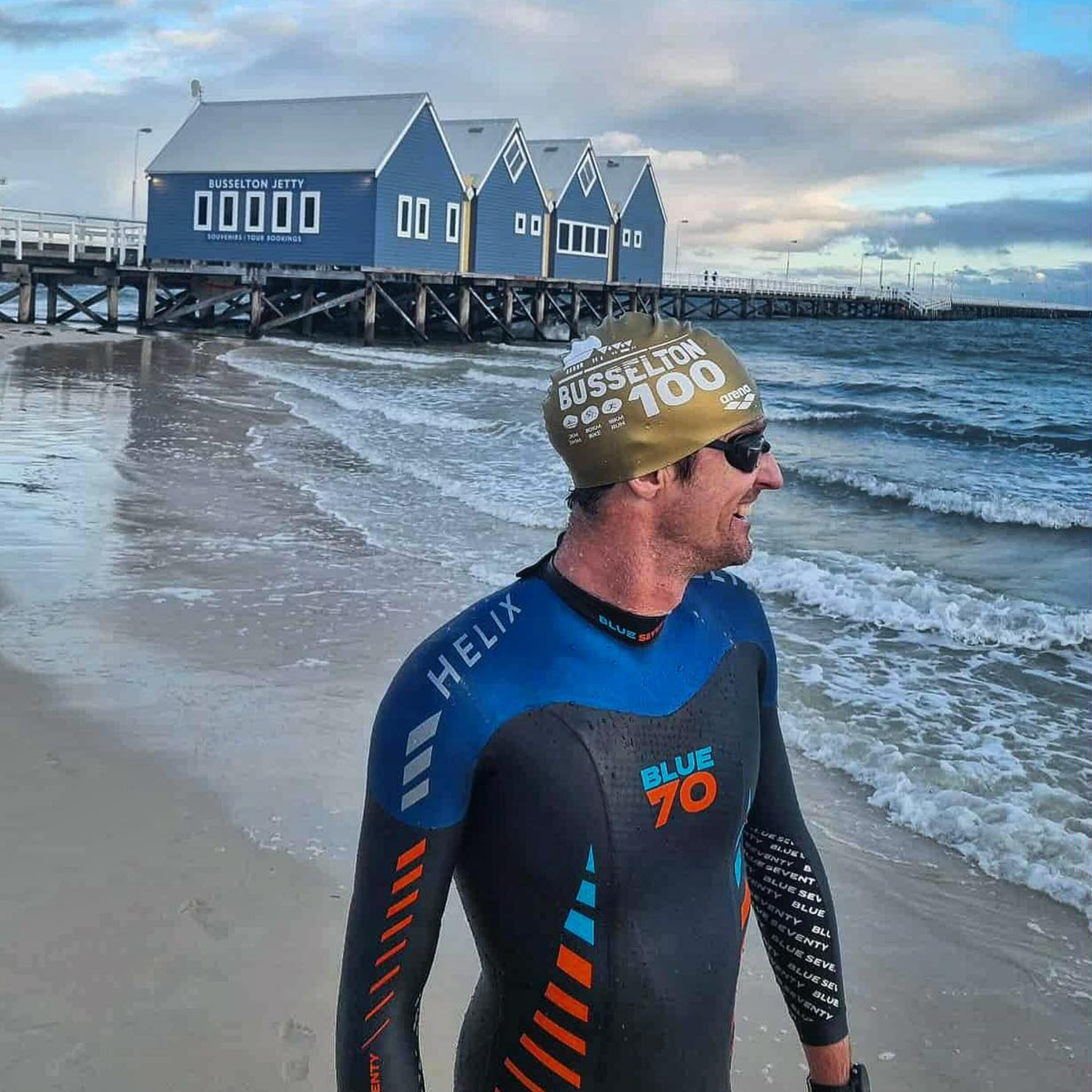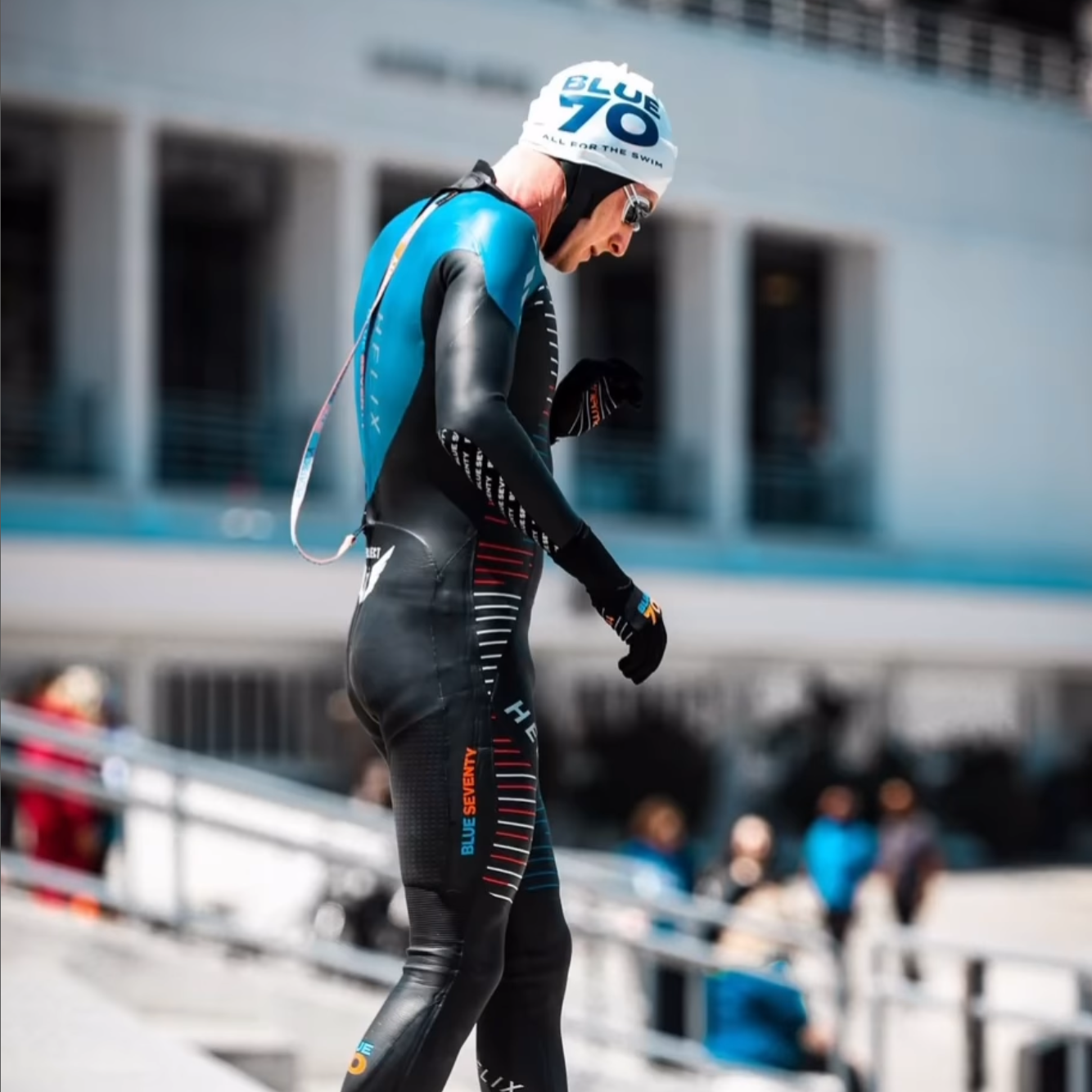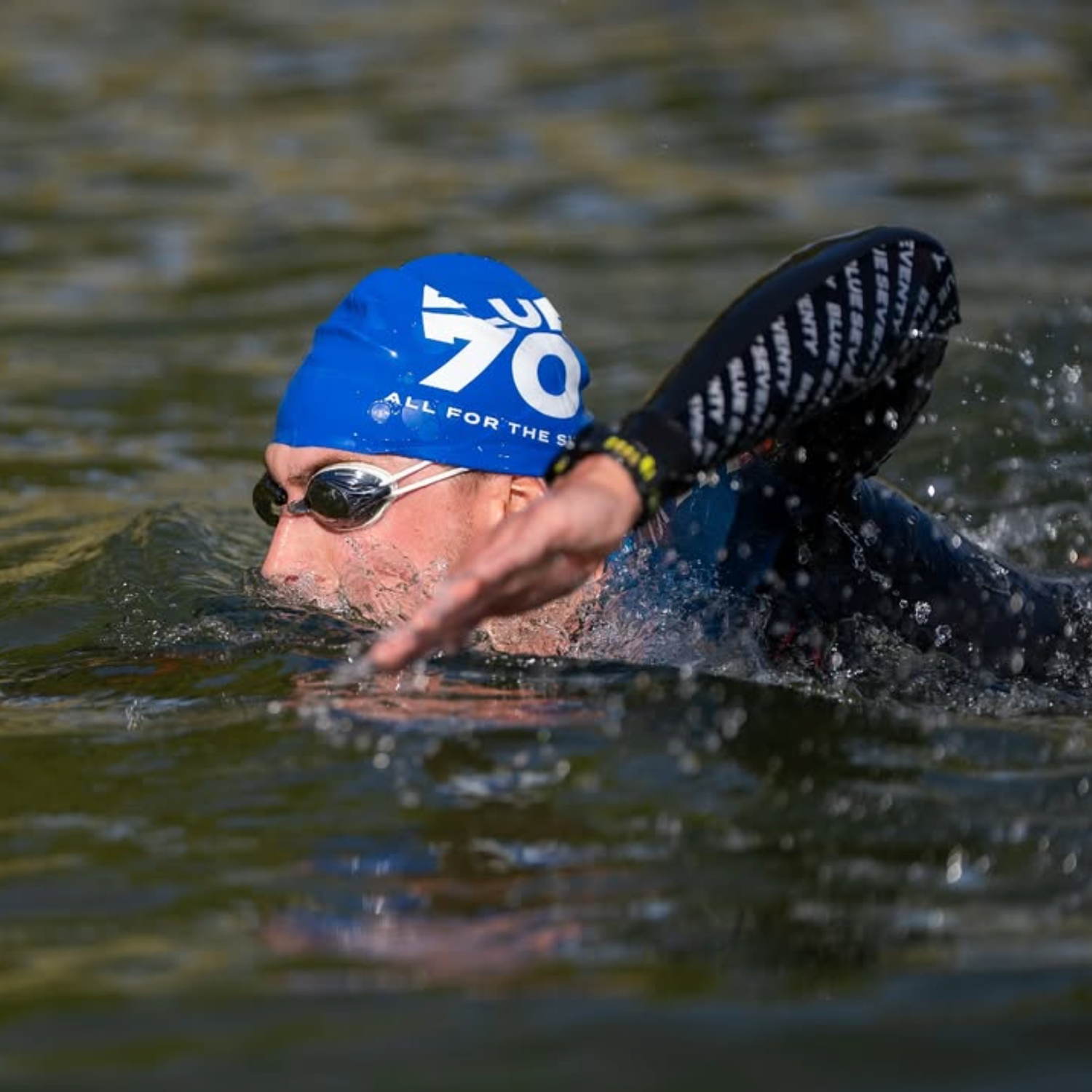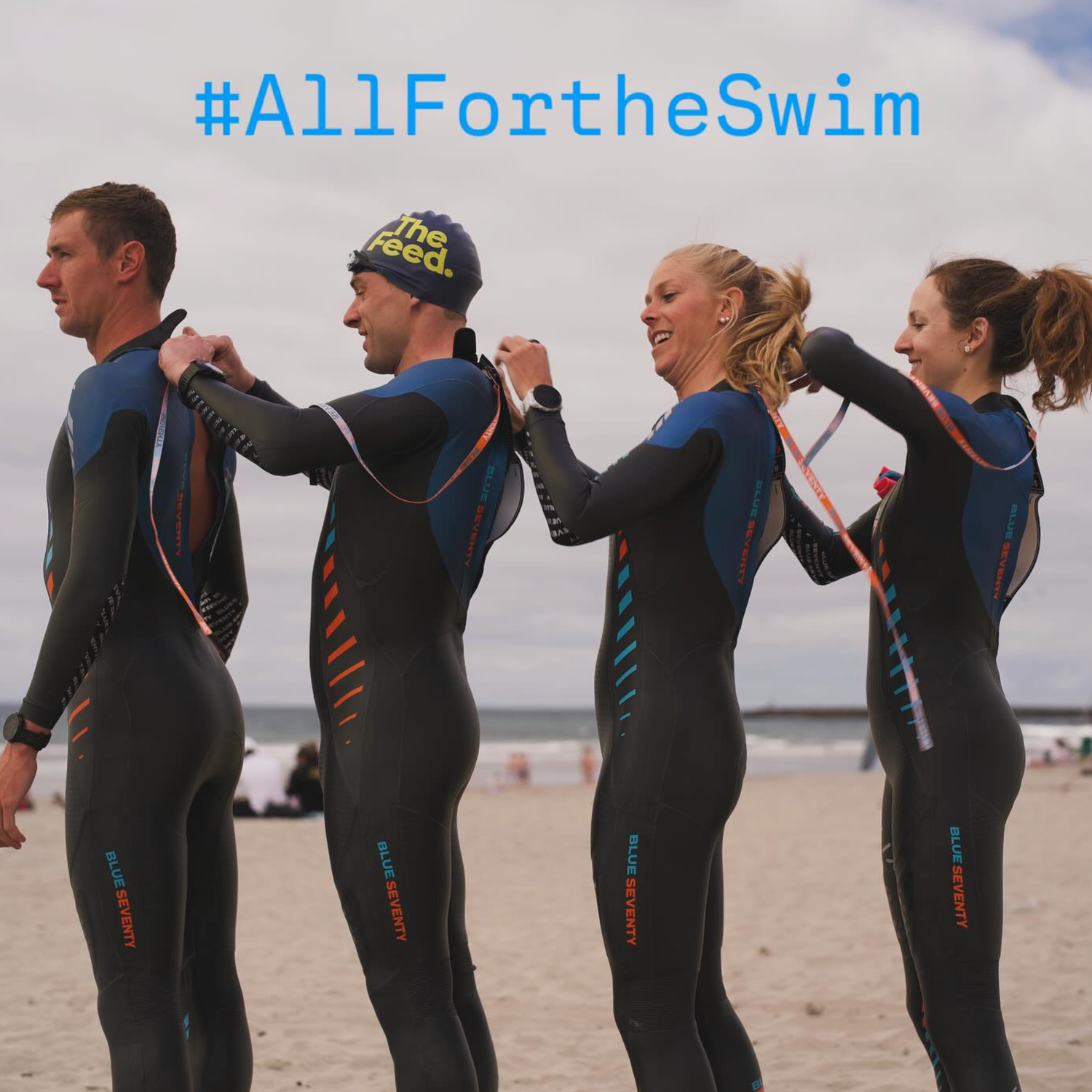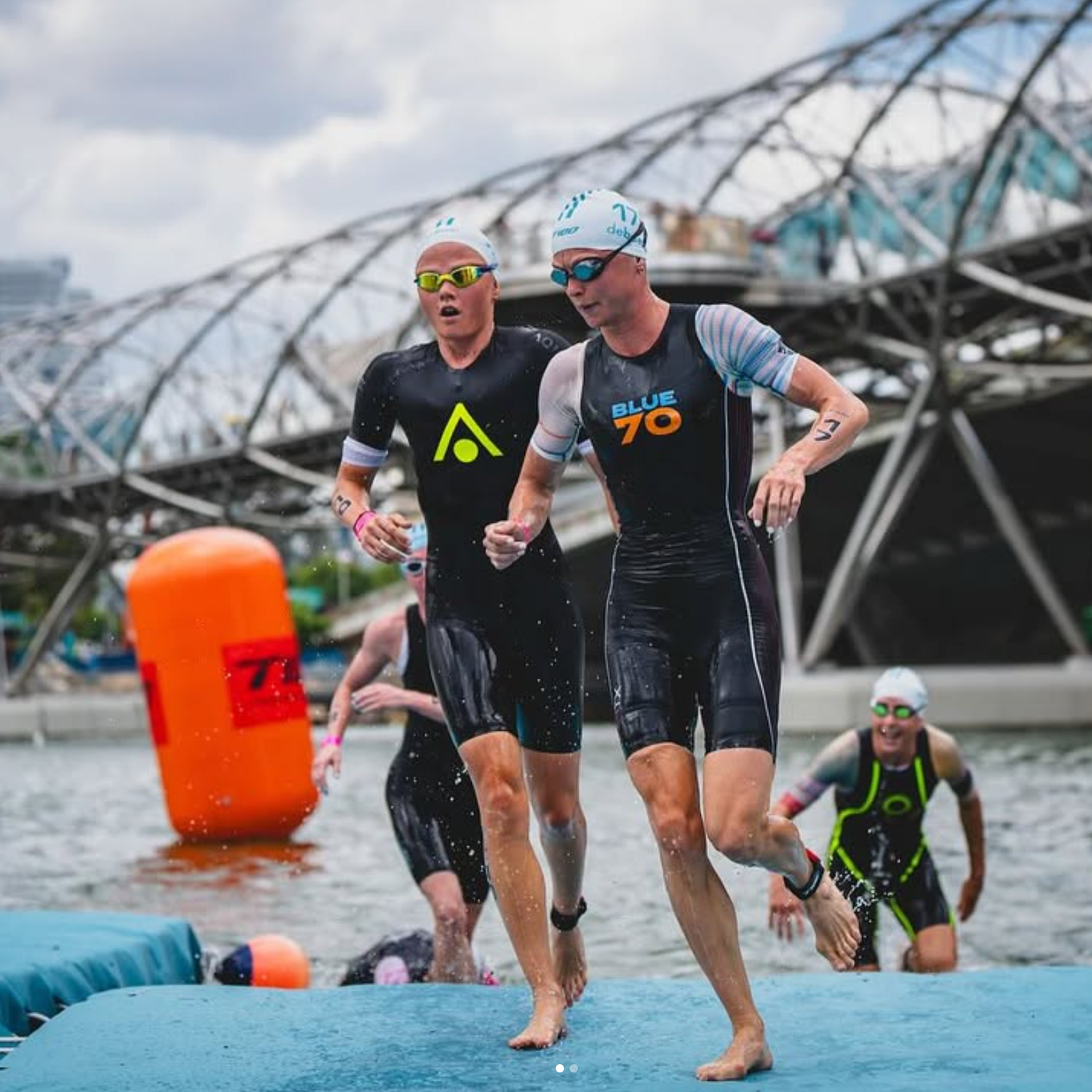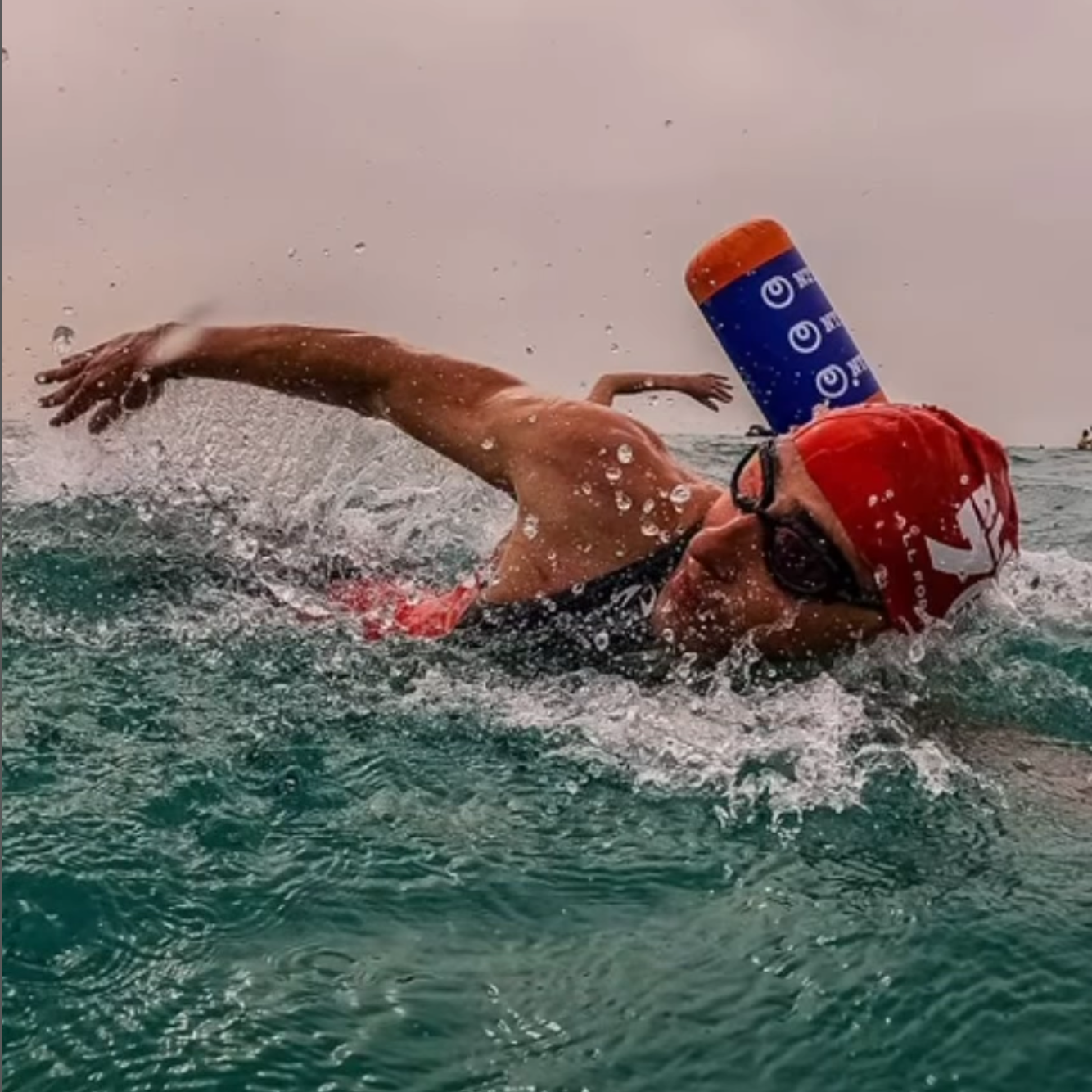



All triathlon wetsuits are open water wetsuits - the two terms describe the same swim-specific category of suit, built for unrestricted motion, buoyancy, and the unique demands of swimming outdoors. So the short answer is yes, absolutely. If you’re an open water swimmer who never pins on a race number, a triathlon wetsuit is still the right tool for the job. It’s cut and constructed for swimming, not surfing or diving, which means you get the shoulder flexibility, lower neckline, and hydrodynamic shape that help you swim your best in a lake, river, reservoir, or ocean.
The real question isn’t “can I?” but “which one fits my swimming life?” Below, we’ll walk through exactly how to match a Blue70 suit to your open water goals, water temperatures, and training volume.
Why a swim-specific wetsuit changes everything in open water
Every Blue70 wetsuit - from the entry-level Sprint to the elite Helix - is built with the same swim-first philosophy. That means a few things immediately matter to any open water swimmer:
- Shoulder freedom. Surf and dive suits restrict overhead movement. Our suits use premium Yamamoto neoprene (38, 39, and 40-cell) and panel layouts that let your arms travel through a natural, fatigue-free stroke cycle. Less arm fatigue means longer, happier swims.
- Buoyancy that works for body position. A wetsuit lifts your hips and legs, flattening your body in the water. That reduces drag and makes it far easier to hold a long, efficient stroke. For open water swimmers, that lift is often the difference between battling your own legs and relaxing into a rhythm.
- A lower, comfortable neck. Blue70 models are designed with necks that sit lower and seal without choking - important when you’re breathing to the side repeatedly for miles without a wall to grab. Our Fusion suit, redesigned in 2021, is a great example: a low-sitting neckline that stays watertight without irritation.
All of that applies whether you’re doing a triathlon or simply swimming out to a buoy and back at sunrise. The suit doesn’t know the difference, and neither will your shoulders.
Picking the right open water suit for your swim habits
Open water swimmers fall into a few distinct camps, and your ideal Blue70 suit depends on where you land:
You swim often, and you want a durable companion. If you’re hitting the lake once a week or more, and your swims stretch past 2,000 yards, prioritize durability without giving up performance. The Reaction ($680) uses higher-grade neoprene than our mid-range suits and holds up beautifully to frequent, longer training. The Fusion ($420) is a fantastic mid-range option for shorter frequent swims. Both give you the flexibility you need and the toughness to last multiple seasons.
You crave warmth as the season stretches. Below roughly 56°F-58°F water, a purpose-built thermal suit truly earns its keep. The Thermal Reaction ($785) is fully lined with Zirconium jersey - a synthetic wool-like lining that traps a thin layer of warm water next to your skin. It’s designed for cold-water swimming and can add meaningful thermal protection when the air turns crisp but you’re not ready to hang up your cap. (Always swim with a buddy, know your exit points, and respect your individual cold tolerance. A thermal suit provides added protection; it does not eliminate cold water risk.)
You race open water events or want every possible advantage. The Helix ($995) is our flagship, built with extreme flexibility in the arms and shoulders, a permeable catch panel that preserves your feel for the water, and LIFT buoyancy panels to put your body in the fastest possible position. It’s unapologetically a race-day suit. The thin, supple neoprene that makes it so fast also means it will wear more quickly with everyday training. If you swim open water for pure joy most of the time but want one suit that gives you a noticeable edge on event day, the Helix is pure joy of a different sort.
You’re getting started or watching your budget. The Sprint ($325) is one of the top-rated entry-level wetsuits on the market, and it’s a perfect first suit for open water. You’ll get the same swim-specific fit and meaningful buoyancy improvement without the premium price tag.
You swim in warmer water - or simply hate sleeves. When water climbs above about 70°F-72°F, a full suit can become too warm for longer swims. Our Reaction Sleeveless ($395) and Glide Short John ($210) give you buoyancy in the lower body while letting your arms move entirely free. For many open water swimmers, a sleeveless suit is the workhorse that carries them from late spring through early fall.
The one thing every open water swimmer needs to know about fit
A properly fitting wetsuit feels snug - almost uncomfortably so - on dry land. That’s a feature, not a flaw. Once you’re in the water, the neoprene relaxes, and a thin layer of water warms against your skin. If the suit feels loose or baggy anywhere when you try it on at home, it will only get worse in the water, letting cold water flush through and dragging against your stroke.
The most common mistake? Not pulling the suit up far enough into the crotch and torso and not working the arms into place gradually. Take your time, inch the neoprene up gently, and never grab the suit with your fingernails - that’s how tears happen. Our fitting guide and size tool (find your size in 30 seconds on our site) will walk you through the exact numbers based on height and weight.
And here’s something every open water swimmer should know: you can swim in your Blue70 wetsuit and still return or exchange it. Our Test Swim policy means you can take a suit into the water you intend to use it in, feel how it performs, and if it’s not right, send it back clean, dry, and unmodified within 30 days of delivery. No guesswork, no “I hope this fits” anxiety.
Caring for the suit that gets you through the season
Open water swimming is hard on gear - lake muck, salt, chlorine, and sun exposure all take a toll. A few habits will keep your suit performing:
- Rinse with fresh water after every swim and hang to dry inside out, then right-side out, away from direct sunlight.
- Avoid sharp fingernails; when putting the suit on, use the pads of your fingers.
- Small nicks from unseen underwater branches happen. We sell Aquaseal neoprene cement for DIY repairs that keep a tiny puncture from becoming a tear.
- Don’t machine wash or dry, and never use oil-based lubricants on the neck - water-based body glide or simple soapy water works wonders for chafe prevention.
For the swimmer who lives in the open water, a triathlon wetsuit isn’t just something you can wear - it’s the only logical choice. Blue70 suits are built for this exact purpose, tuned for the stroke, and offered across a range that meets you wherever you are in your swimming journey.
Ready to find your open water partner? Take a Test Swim with the suit you’re eyeing - the water’s waiting.
Happy Swimming!