


You can use a wetsuit for many splash and dash events, but only when the event rules allow it and the water temperature makes one worth wearing. A splash and dash typically pairs a short swim with a short run, often aimed at newer multisport athletes. For that format, the suit you pick should be easy to get on and off quickly, snug enough to hold body position, and matched to the water temperature.
Check the event's wetsuit rule
Splash and dash formats vary. Some races use a pool for the swim, and many pool events do not allow wetsuits. Others use open water, and the wetsuit decision then depends on the sanctioning body, the distance, and the water temperature. Do not assume the rules from another event apply. The race briefing or athlete guide will state whether wetsuits are allowed, required, or prohibited. If the guide is silent, contact the race director.
What a wetsuit does in a short swim
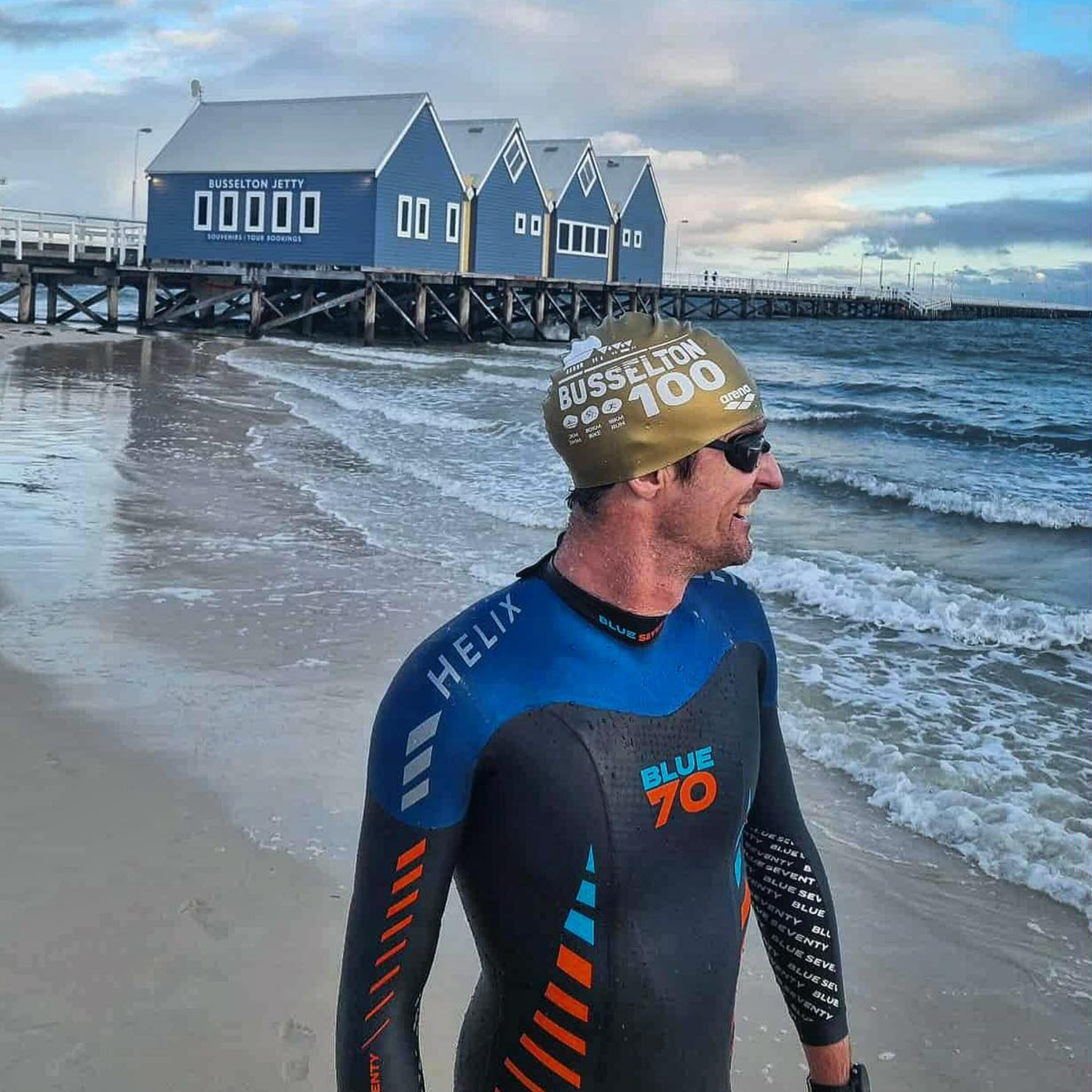
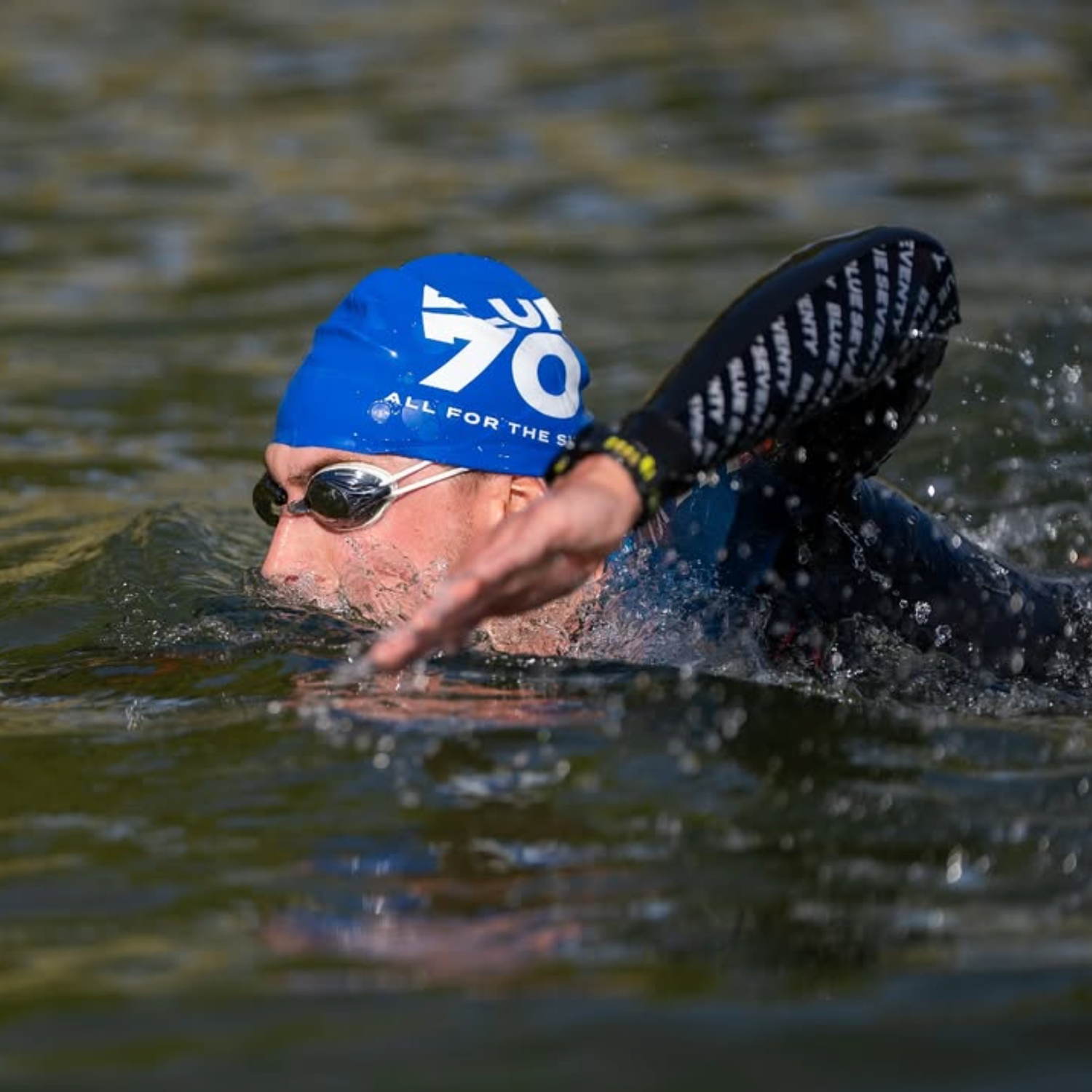
A blueseventy wetsuit improves body position through neoprene buoyancy and provides added thermal protection. It is not waterproof. A wetsuit lets a thin layer of water inside, and your body heats that layer. In a short splash and dash swim, the body position benefit usually matters more than the warmth. For many swimmers, better buoyancy means easier swimming because it lifts the hips and legs. A new open-water swimmer can also find that the suit reduces drag and makes the swim feel more controlled. If the water is above about 70 to 72 degrees Fahrenheit, a full suit can feel hot over even a short distance, and in that case, a sleeveless or short john suit is often a better choice.
Which blueseventy wetsuit fits the format
For a first-time or occasional splash and dash athlete, the Sprint ($325) is a practical entry point. It is a full suit built for swimming rather than surfing, with a swim-specific cut and flexible neoprene. If you plan to train and race more than once a week, the Fusion ($420) is a more durable pick. Its 2021 redesign added a lower-sitting neckline, which reduces neck pressure and makes the suit easier to tolerate during a quick pre-race swim.
In warmer water, two reduced-coverage options make entry and exit easier. The Reaction Sleeveless ($395) removes the sleeves for easier entry and more shoulder freedom, which is useful when the swim is short and the run starts quickly. The Glide Short John ($210) has even less coverage and reduces the amount of neoprene you need to get over your arms and legs, so it is easier to get on and off. For women, every wetsuit uses Femme Fit sizing, which includes a lowered neckline and an extended zipper length to make entry and removal easier.
If your splash and dash is in cold water, below about 56 to 58 degrees Fahrenheit, the Thermal Reaction ($785) is the purpose-built cold water suit. For most short events, that level of insulation is more than you need, but if the race calendar runs into early spring or late fall, it is worth knowing the option exists.
Fit, donning, and removal
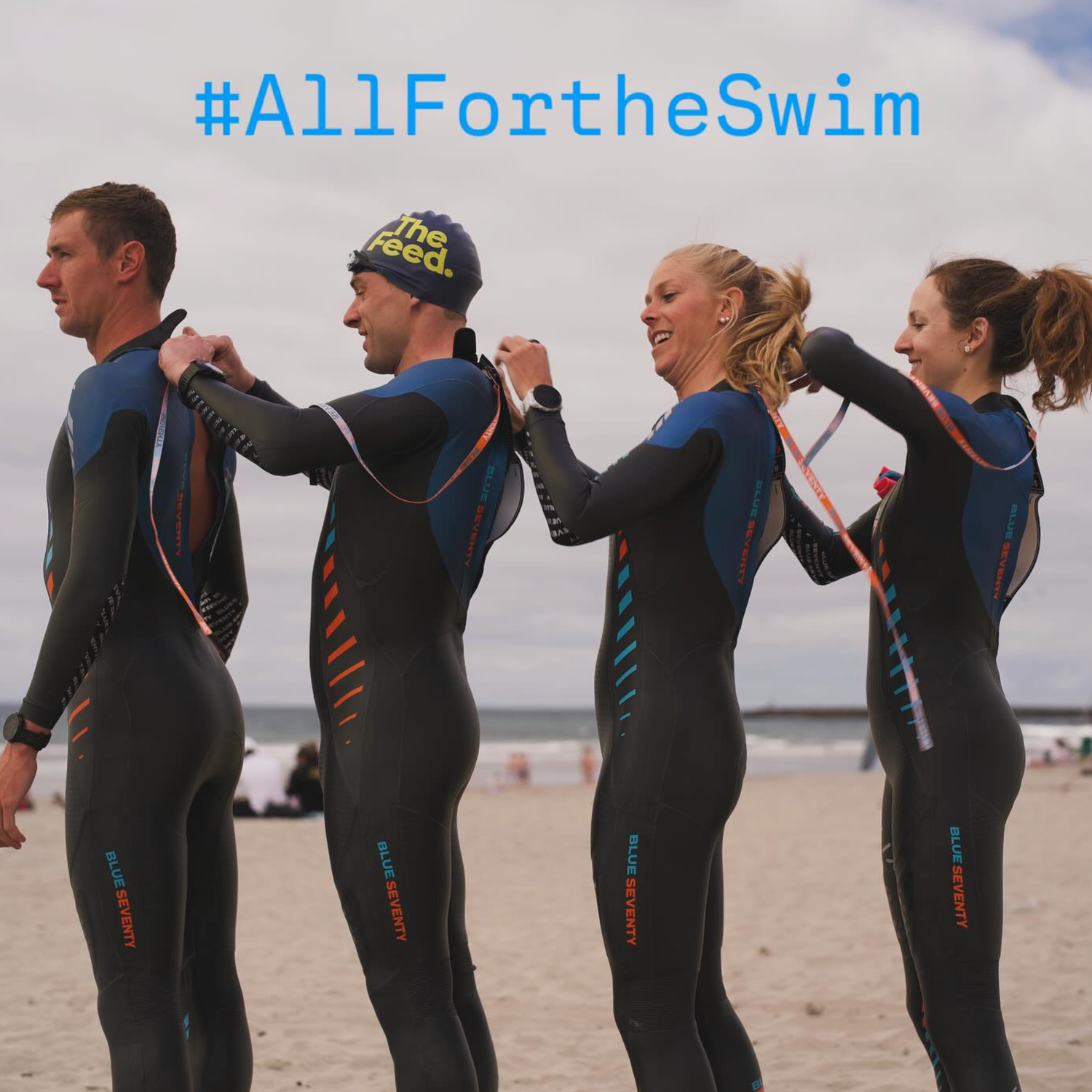
A wetsuit should feel snug on land and more comfortable once you are in the water. If it is loose through the torso or shoulders, it cannot hold body position well. If it is too tight through the shoulders, it will tire you during the swim. Use a suit's size chart based on height and weight, and do not pull at the neoprene with your fingernails. Pinch the rubber with your thumb pads or use a plastic bag over your hands and feet to help the suit slide on.
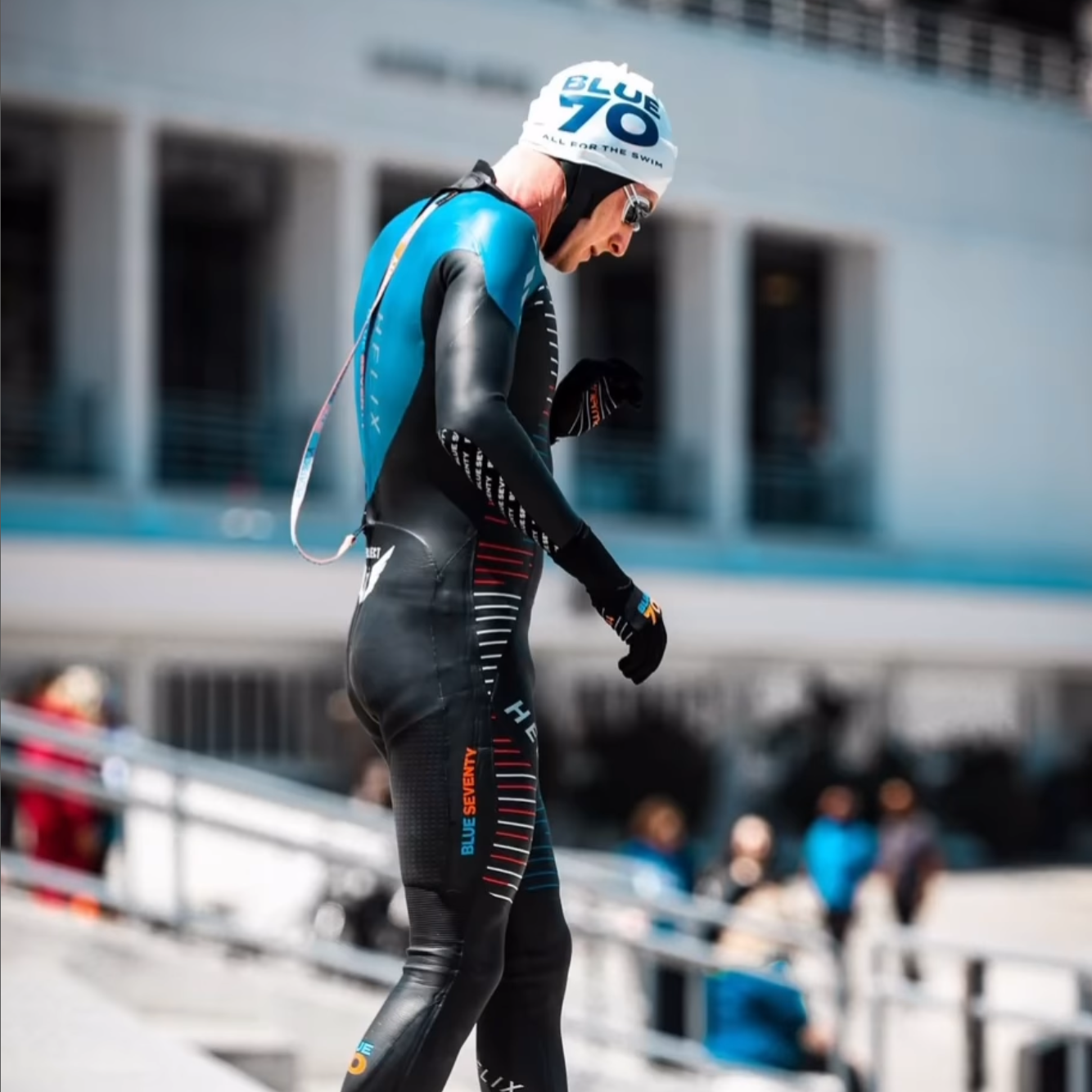
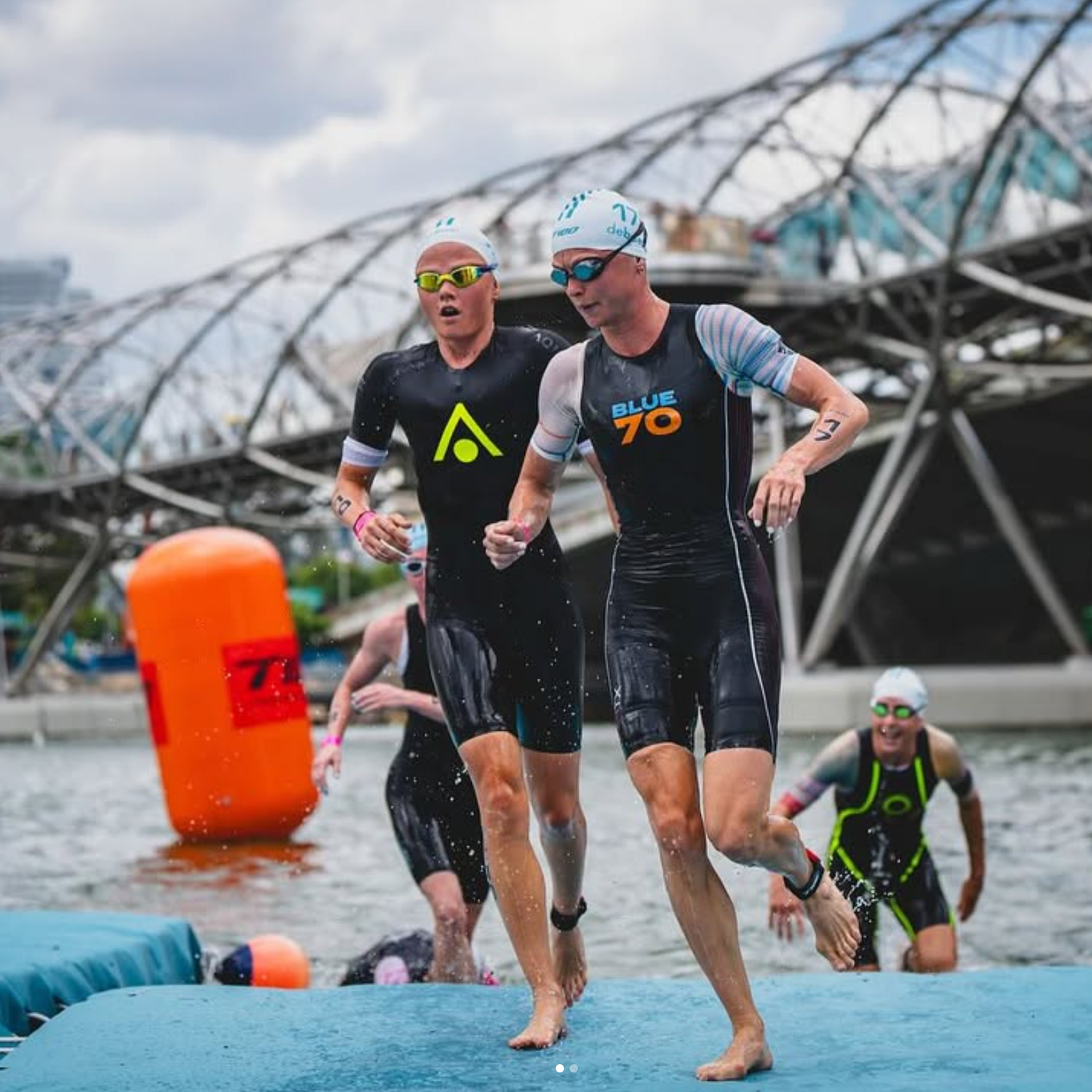
Practice the removal once or twice before race day. For a short event, a quick transition matters. Open the zipper, pull the top down, and step on the lower legs to pull the suit off rather than yanking it by the cuffs. A suit that is wet and slippery will release faster if you have rehearsed the sequence.
After the race
Rinse the suit in fresh water, dry it inside and out away from direct heat, and hang it over a wide hanger or lay it flat. Do not leave it balled up in a transition bag. Small nicks and nail punctures can be repaired with Aquaseal neoprene cement. Fingernail punctures and heel tears are common, so slow down at the ankles when you take it off.
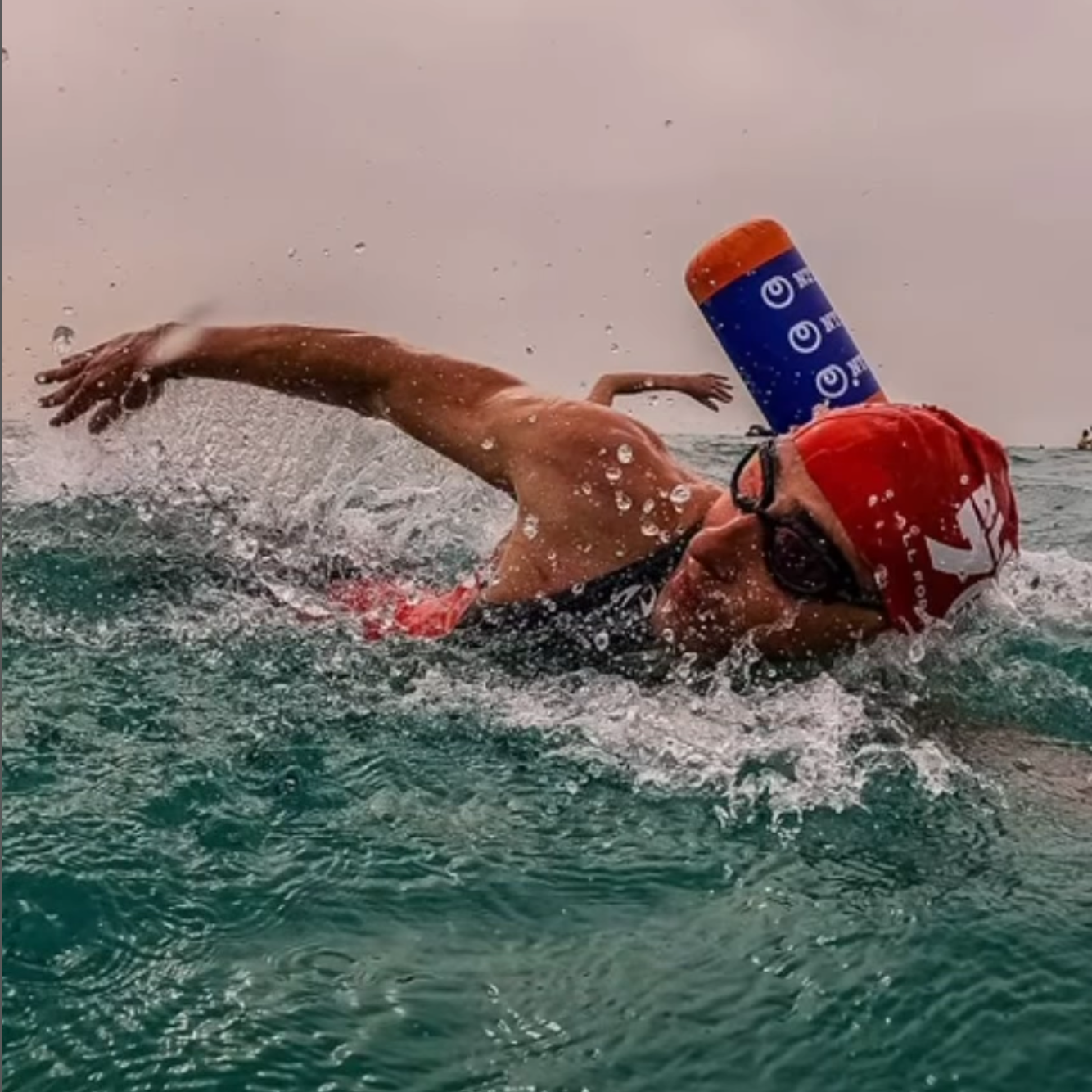
A blueseventy wetsuit is not a flotation device. It provides buoyancy, but it does not replace event safety cover, a swim buddy, or your own comfort in open water. If you are new to open water, choose a race with safety support and practice in a supervised area before the event.
If you are unsure which suit fits the event and your body, use the sizing tool on the site or take a test swim. You can swim in a blueseventy wetsuit and still return it within 30 days if it is clean, dry, and unmodified. Happy swimming.