


Absolutely! A swim-specific wetsuit is one of the best pieces of gear you can add to your lake swimming kit. Whether you’re training for a triathlon, building distance for an open-water event, or simply enjoying the calm of a freshwater swim, a Blue70 wetsuit is designed exactly for this - giving you freedom from restriction, a better body position, and the thermal protection you need for a comfortable, confident lake session.
Why a Wetsuit Is Perfect for Lake Swimming
Unlike suits made for surfing or diving, Blue70 wetsuits are swim-specific - every seam, panel, and material choice is engineered for the repetitive arm stroke, rotation, and body roll of a freestyle swimmer. For a lake swimmer, that translates into three real benefits:
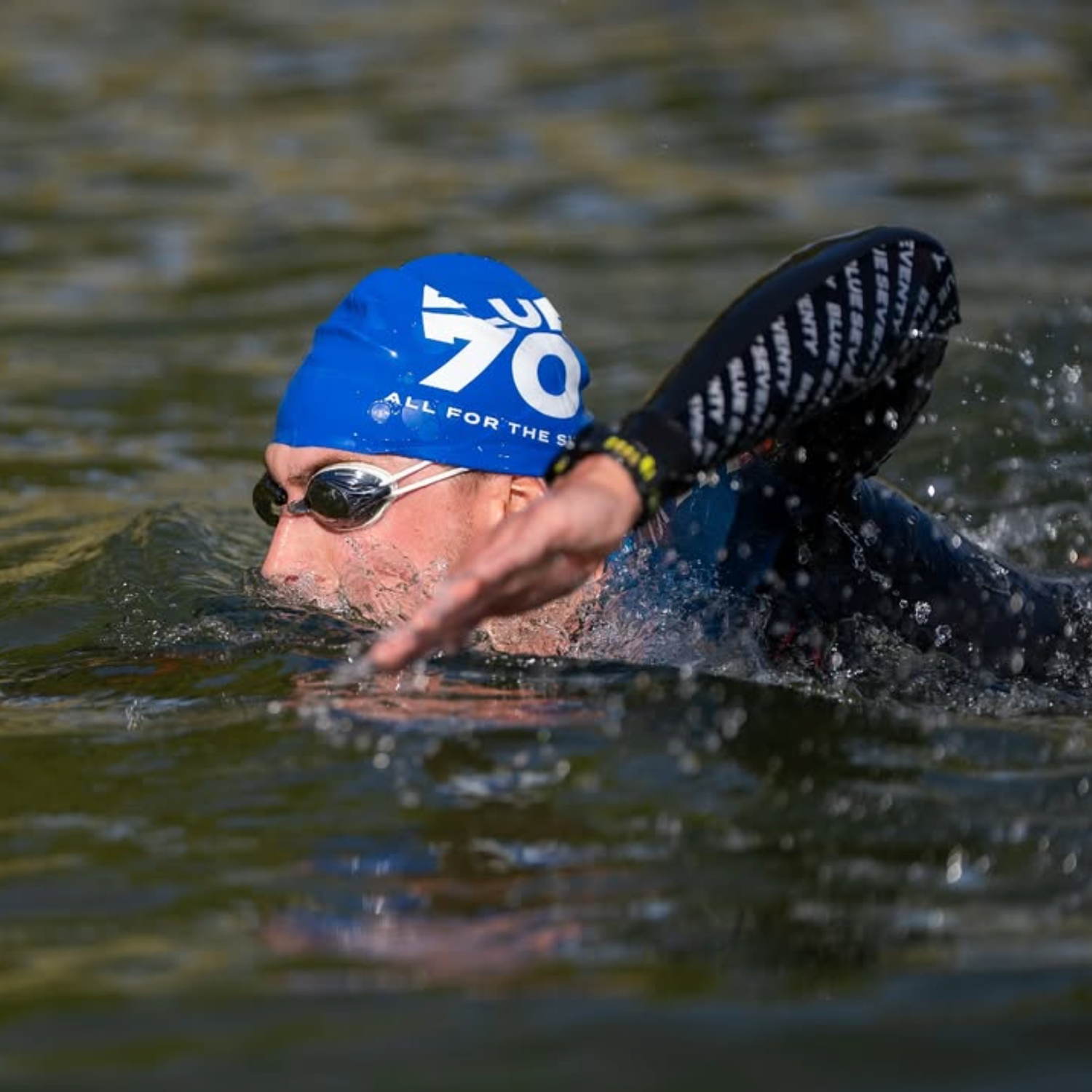
- Better body position. The buoyancy in the neoprene gently lifts your hips and legs, so you swim on the water rather than through it. Remember, buoyancy equals speed. Especially if you’re still building your kick or core strength, a wetsuit can dramatically improve how you sit in the water and how efficiently you move forward.
- Thermal protection on your terms. Lake temperatures vary wildly - from brisk spring mornings to bathtub-warm late summer afternoons. A well-chosen suit gives you added insulation so you can start your season earlier, stay comfortable longer, and extend your swim distances without that distracting chill.
- A confident mental anchor. For many swimmers, especially those new to open water, the psychological boost of wearing a wetsuit is real. You feel supported, shielded from the unknown, and free to focus on your stroke rather than wondering what’s beneath you.
All Blue70 wetsuits use premium Yamamoto neoprene - grades 38, 39, and 40-cell - to deliver targeted flexibility where you need it most (shoulders) and buoyancy where it helps the most (hips and legs). There’s no thick, restrictive rubber dragging you down; just a methodically constructed suit that moves with your swim.
How Water Temperature Guides Your Choice
Lakes don’t keep a constant temperature, so your wetsuit choice should flex with when and where you swim.
- Below about 56-58 °F (cold spring/fall water): This is thermal territory. The Blue70 Thermal Reaction is purpose-built for these temperatures, with a full Zirconium jersey lining - a synthetic wool that traps body-warmed water and adds meaningful thermal protection. If you’re a dedicated cold-water swimmer or want to maximize your lake season into early spring and late autumn, this is your suit.
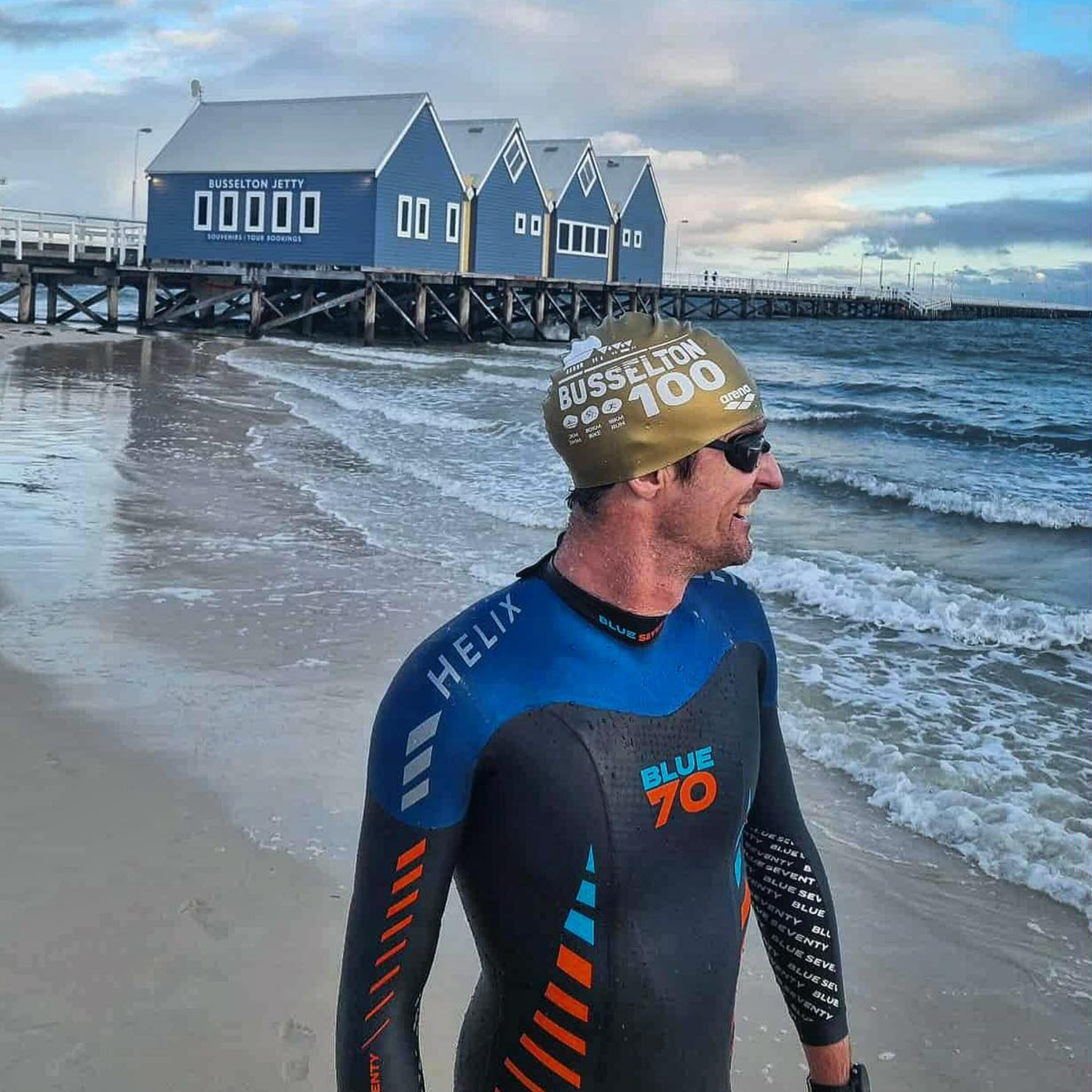
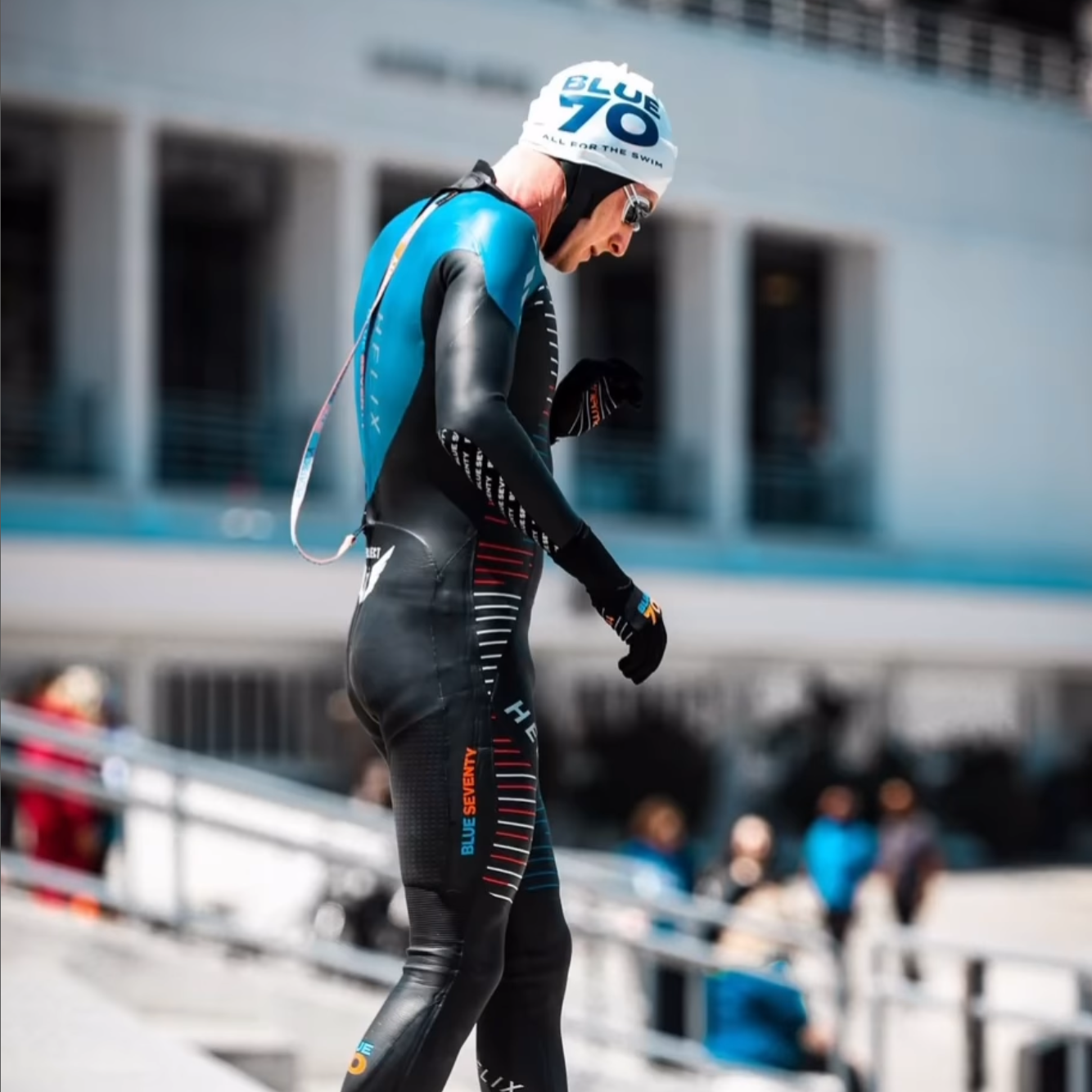
- Cool to moderate water (mid-50s to high 60s): For most lake swimmers, this is the sweet spot for a fullsuit. Two workhorses dominate here: the Reaction and the Fusion. Both use flexible, durable neoprene and a watertight, low-profile neck. The Reaction is a higher-performance suit built for frequent, longer swims - if you’re swimming once a week or more and building real distance, it’s a brilliant daily driver. The Fusion, with its redesigned, lower-sitting neckline, is easier on the skin and ideal for shorter frequent dips or a swimmer who values comfort above all else. The flagship Helix, with its ultra-thin shoulder neoprene and LIFT buoyancy panels, delivers total race-day feel - just know that its delicate construction won’t stand up to daily training abuse as well as the Reaction or Fusion.
- Warm water (above 70-72 °F): When the lake warms up, a full suit can be overkill. A sleeveless model like the Reaction Sleeveless gives you core warmth without overheating your arms, and it’s a dream for hot, sunny lake days. For even warmer conditions, the LIFT Buoyancy Short (our best-seller!) pairs with a swimskin to give you the body-position lift without the insulation.
If you’re a woman, every Blue70 wetsuit is available in Femme Fit - a refined pattern designed around bust, torso, wrists, and ankles, with an extended zipper for easier entry and a lowered neckline to reduce chafing. It’s the reason so many female lake swimmers finally find a suit that moves effortlessly with them.
Finding Your Blue70 Lake Setup
Still not sure which suit best matches your lake? Here’s a quick-pick logic we share with swimmers every day:
- I swim once a week or less, comfortably, maybe an hour max → Fusion (value, comfort, durability)
- I swim frequently, build long distances, and want my suit to last → Reaction
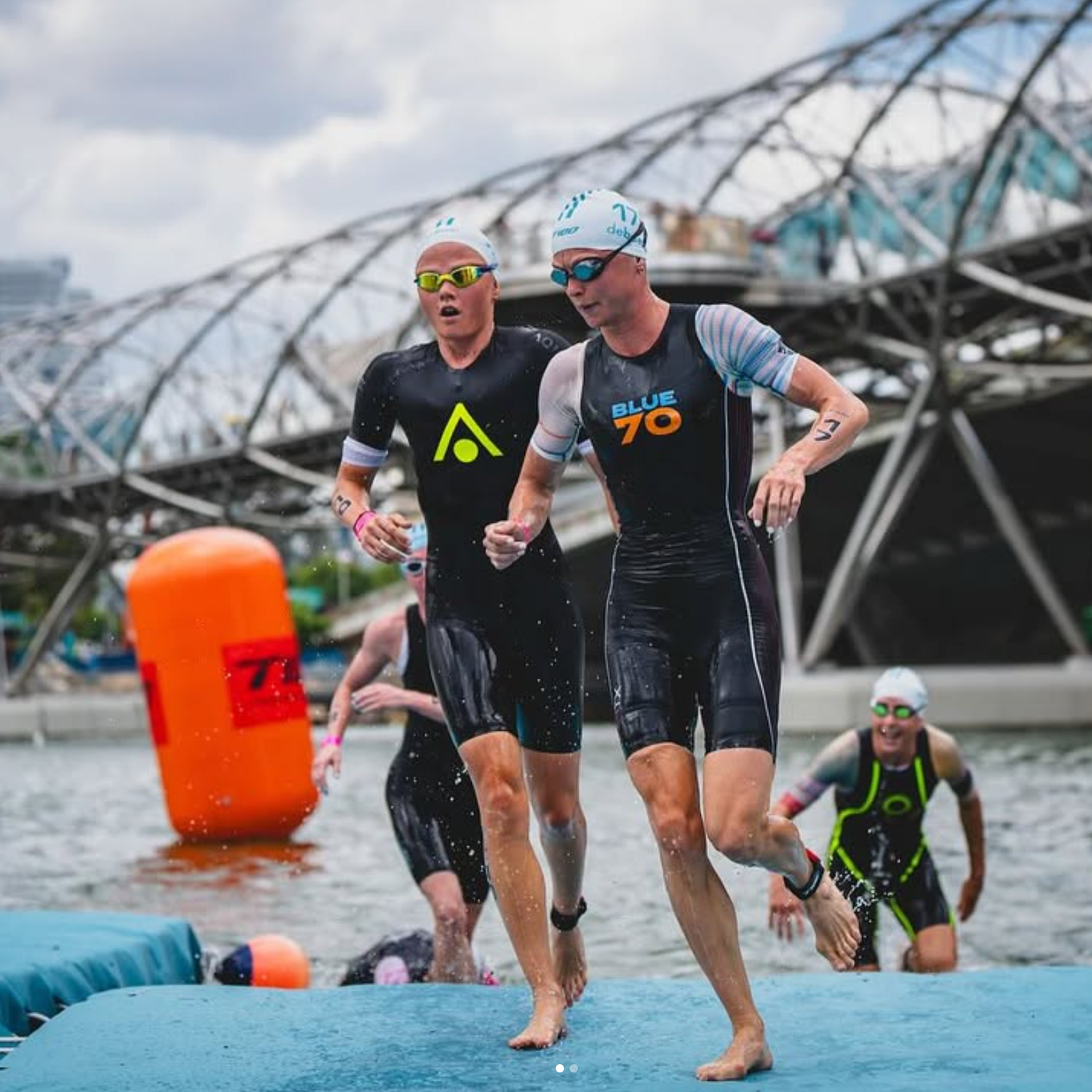
- I’m racing in my lake this season and want every advantage on race day → Helix (or the swimskin PZ4TX if it’s warm enough - see our warm-water options)
- I’m just getting into open water and want something simple, capable, and budget-friendly → Sprint
- I swim when there’s still ice out → Thermal Reaction, plus a neoprene cap and gloves
Fit Matters: Snug on Land, Fast in the Water
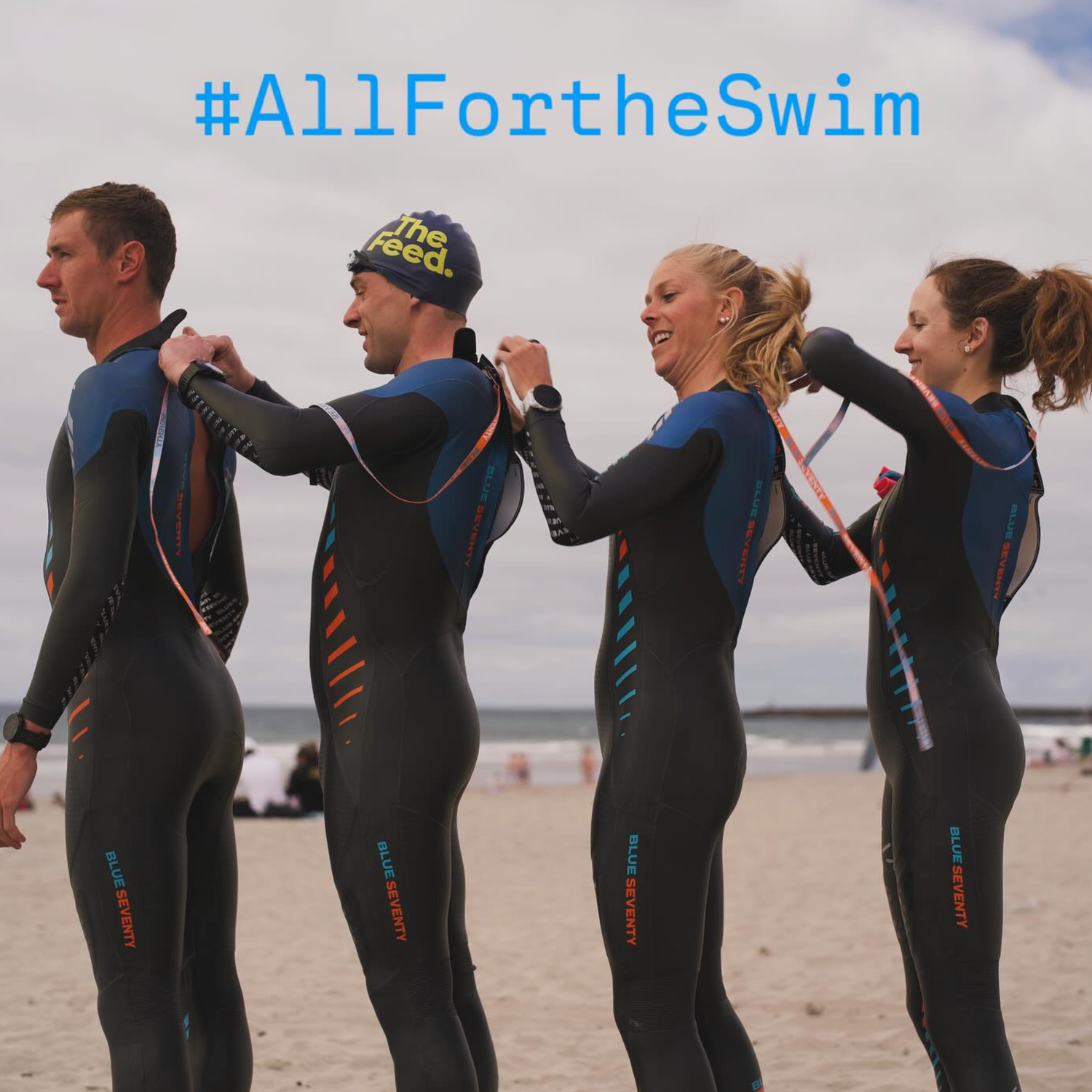
A proper-fitting wetsuit should feel snug - almost uncomfortably tight - when you’re standing in the parking lot. Don’t panic. Once you’re in the water and the suit floods that micro-thin layer, everything relaxes into a second skin that moves with your stroke. The key is taking the time to put it on correctly: inch the legs up high, work the torso material upward, and most importantly, pull the shoulder sleeves fully up before you zip. An improperly donned suit will bind and tire your arms - the opposite of what a swim-specific suit should do.
Use our sizing tool (you just need height and weight) to land on the right size in 30 seconds, and then - this is the confidence-builder - take a Test Swim. At Blue70, you can swim in your wetsuit and still return or exchange it within 30 days as long as it’s clean, dry, and undamaged. That means you can try it in your local lake before you commit.
Lake Swimming Care: Quick and Easy
Lakes are generally kind to neoprene, but a few habits will keep your suit in top shape:
- Rinse with fresh water after every swim. Lake sediment, algae, and minerals can degrade the neoprene over time.
- Hang it dry inside-out first, then right-side out. Use a wide, padded hanger and avoid direct sunlight or heat sources.
- Watch your fingernails and heels when putting it on. Fingernail punctures and heel tears are the most common damage - use the pads of your fingers, not the tips, and slip a plastic bag over your foot for a smoother entry.
- For small nicks or tears, our neoprene cement (Aquaseal) is a must-have lake-bag item.
Ready to Dive In?
There’s nothing quite like gliding across a glassy lake at sunrise, completely supported by a suit that feels like it was made just for you. Start with the right model for your lake temperature and training volume, get the fit right, and don’t overthink it - your wetsuit is your ticket to a longer, more comfortable swim season.
Find your size in 30 seconds with our sizing tool, or take a Test Swim so you can hit your local lake with total confidence.
Happy lake swimming!